Understanding the Allure of Monsoon’s Tiny Catch
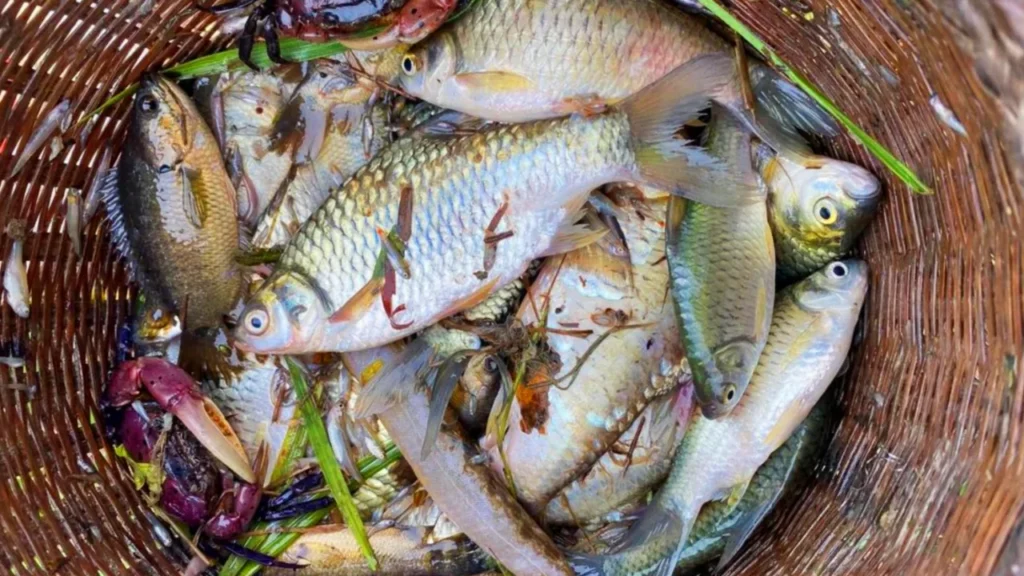
With the first rains of the monsoon season, particularly during the months of Shravana and Bhadrapada, a unique excitement brews in rural landscapes. Farmers and villagers head out with nets and baskets to catch small, indigenous fish from overflowing fields and streams. But what makes these tiny, often overlooked fish so sought after, surpassing even the appeal of more expensive varieties? The answer lies not just in their exquisite taste but in a wealth of health benefits that even larger fish may not offer.
Why are Small Indigenous Monsoon Fish So Special?
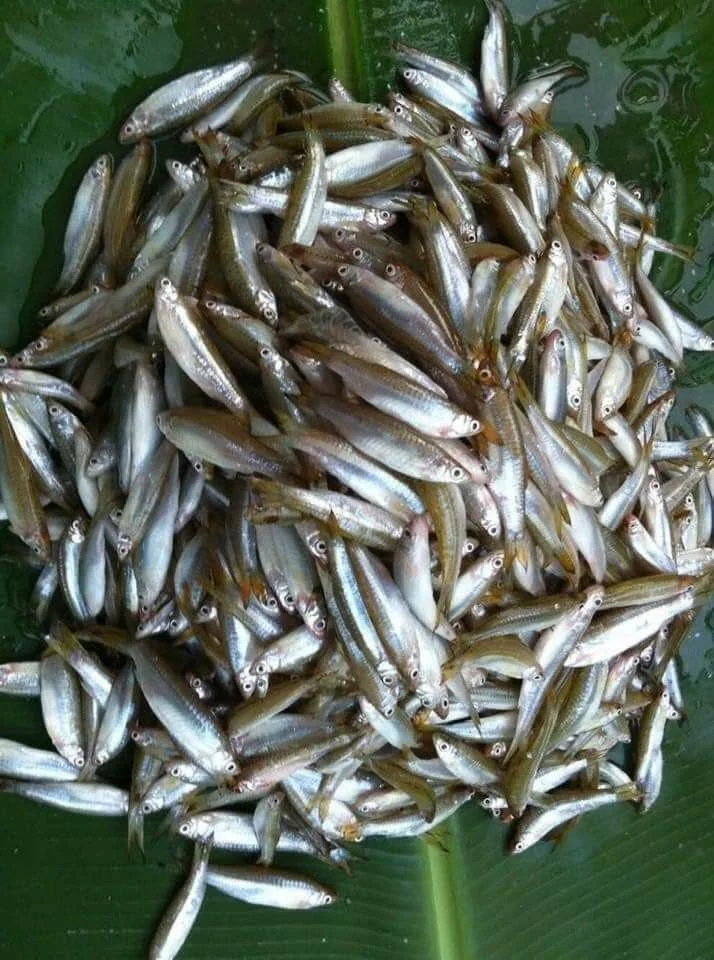
As monsoon rains swell rivers and ponds, their waters spill into agricultural fields, naturally bringing along indigenous fish species. These fish are not farm-raised or fed artificial diets. They grow organically in pristine waters, feeding on algae and tiny aquatic organisms. This natural upbringing makes them exceptionally nutrient-dense, far more so than farmed poultry or fish.
Local varieties like Chechra, Pothia, Garai, and Singhi are celebrated for their unique taste and inherent qualities. While larger fish often concentrate flavour and nutrients in their flesh, every part of a small fish is packed with goodness. When cooked, their authentic, rustic flavour can easily outshine gourmet dishes.
Crucially, this is a seasonal gift. The natural bounty available during these few monsoon months provides essential micronutrients and minerals that can benefit the body throughout the year.
Calcium and Bone Strength: The Magic of Eating Them Whole
Unlike larger fish where bones are discarded, the true magic of small indigenous fish lies in consuming them, bones and all. When lightly fried or slow-cooked, their delicate bones become soft and crispy. These edible bones are an excellent natural source of calcium and phosphorus.
In today’s fast-paced life, joint pain, weak bones, and calcium deficiencies are common. Instead of relying on supplements, embracing this natural gift is wise. Eating small fish with their bones provides bio-available calcium directly to your system. This is invaluable for the elderly and growing children, helping to improve bone density and potentially reducing the risk of conditions like arthritis and osteoporosis later in life.
An Omega-3 Powerhouse for Eyesight and Brain Health
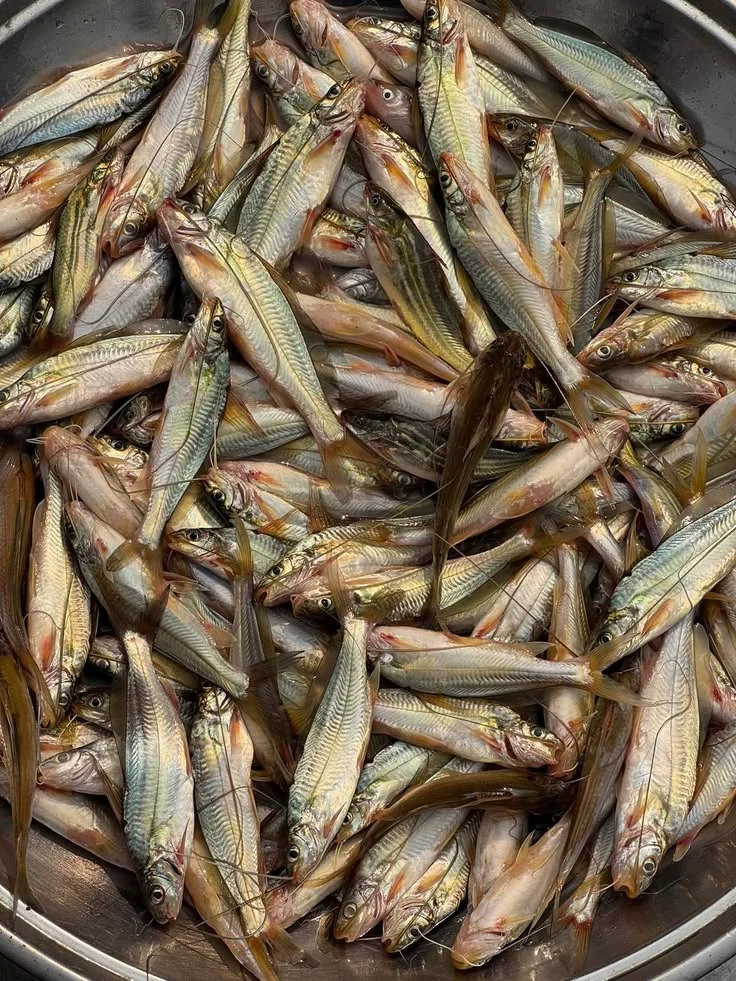
Increased screen time has led to widespread vision problems and rising spectacle prescriptions. The head of small indigenous fish is particularly rich in Vitamin A and Omega-3 fatty acids. While the heads of larger fish are often discarded, the head of these small fish holds significant nutrition, vital for maintaining healthy retinal function.
Omega-3 fatty acids also play a crucial role in cognitive function, keeping brain cells active and aiding memory. Studies suggest that regular consumption of natural small fish may also help reduce levels of mental stress and anxiety.
For those spending long hours in front of computers or mobile screens, incorporating these monsoon fish once or twice a week can act as a natural shield for your eyes.
Heart Health and Cholesterol Control
High levels of bad cholesterol (LDL) and blocked arteries are major contributors to heart disease. While red meat and heavily fried foods can increase cholesterol, small fish from fields and streams help boost good cholesterol (HDL). Their lean protein and healthy fats place no extra strain on the heart.
Monsoon fish contain negligible saturated fat. The fatty acids present help regulate blood pressure and reduce the risk of blood clots, significantly lowering the chances of a heart attack. For individuals managing their weight while ensuring adequate protein intake, small fish are an ideal choice. They are easily digestible and provide ample energy without excess calories.
FACT: Small indigenous fish are typically eaten whole, including bones and head. This allows for significantly better absorption of calcium, Vitamin A, and Omega-3s compared to eating only the flesh of larger fish.
An Immunity Booster for the Monsoon Season
The monsoon season often brings infections, colds, and fevers, weakening the body’s immune system. Indigenous small fish are rich in zinc, selenium, iron, and Vitamin B12 – all essential micronutrients that bolster our immunity.
A warm broth or lightly fried small fish during the rainy days provides internal warmth, combats lethargy, and prepares the body to fight seasonal bacteria and viruses. For women and children suffering from anemia, the natural iron content helps rapidly improve hemoglobin levels, alleviating fatigue and weakness.
Three Mistakes to Avoid When Eating Monsoon Fish
While beneficial, consuming monsoon fish requires caution. During the monsoon, water bodies can harbour pollutants and harmful bacteria. If catching fish from fields or ponds, it is imperative to wash them thoroughly with clean water at least 3-4 times. Soaking them briefly in saltwater and turmeric water can help eliminate germs and odour.
The second mistake is undercooking. Fish caught during the monsoon should always be cooked thoroughly, whether deep-fried or prepared in a curry. Consuming raw or undercooked fish can lead to stomach infections, vomiting, or diarrhoea.
Thirdly, avoid fish from polluted water sources, such as drains near factories or fields heavily treated with pesticides. Always choose fish from clean, flowing water or unpolluted ponds. These also include benefits of eating Putputa fish, benefits of eating Katla fish, and identifying real vs fake mushrooms.
Expert Advice: Enjoying Nature’s Bounty Safely
During the monsoon, when vegetable prices soar and concerns about additives in farmed chicken and fish arise, these natural, indigenous small fish emerge as an affordable and pure alternative. Rural communities have thrived on this diet for centuries, attributing their strong bones and sharp eyesight to this natural way of eating.
However, in this digital age, don’t compromise your health for taste. When sourcing monsoon fish, be mindful of the water’s origin. Fish from fields treated with heavy urea or toxic pesticides can harm your health rather than improve it.
Key takeaway: Always wash small indigenous fish thoroughly with turmeric and salt, and cook them completely for double the taste and nutrition. Eating fresh small fish once or twice a week provides minerals that people spend thousands on supplements for. Whether fried as a snack or prepared in a traditional curry, ensure cleanliness and proper cooking.
Frequently Asked Questions
Is it safe to eat small fish from fields during monsoon?
Yes, it is safe and healthy, provided the fish are from clean, flowing water and are thoroughly washed with turmeric-salt water and cooked completely.
Can small fish be eaten with their bones?
Absolutely. The bones of small indigenous fish are very fine and soft. Chewing them along with the flesh provides abundant natural calcium.
Which is more beneficial: large fish or small indigenous fish?
In terms of nutritional density, small indigenous fish often win. Because they are eaten whole (including head and bones), they offer a richer intake of calcium, Vitamin A, and Omega-3s.
What is the best way to cook monsoon small fish?
First, clean them thoroughly with turmeric and salt. Then, either deep-fry them in mustard oil until crisp or prepare a rustic curry with mustard and spices, ensuring they are cooked completely over low heat.