Midnight strikes on Maha Ashtami while entire neighbourhoods sleep, but inside temple sanctums and home altars, an unbroken flame flickers softly in the dark. This is no ordinary midnight vigil. Known as Mahanisha, this sacred window marks the union of intense devotion and inner stillness where prayers directed to the Divine Mother never return empty.
Understanding Mahanisha Puja: The Mystical Midnight Timing
The tradition of Mahanisha Puja Vidhi during Sharad or Chaitra Navratri is far more than an elaborate midnight ritual; it is a profound gateway to elevate human consciousness. In classical Sanskrit treatises, ‘Nisha’ translates to the dark of night, while ‘Mahanisha’ designates that singular cosmic phase spanning the late hours of Maha Ashtami into the birth of Navami tithi. This critical window, particularly the Nishita Kaal occurring roughly between 11:45 PM and 12:45 AM, represents peak spiritual stillness.
Most Hindu observances take place at dawn under direct sunlight. Shakti worship, however, deliberately chooses the depth of midnight. The reason is both natural and energetic. When ambient noise dies down and atmospheric temperature cools, cosmic vibrations turn inward. The human brain readily shifts into serene states when external electromagnetic disturbances fade away. During this time, devotees invoke both the fiery form of Kaalratri and the serene grace of Mahagauri simultaneously.
Ancient texts explain that staying awake during Mahanisha means consciously sacrificing lethargy, doubt, and negative habits into the sacred flame. Mantras chanted during these quiet hours carry tenfold potency because nature’s current works entirely in favour of interior reflection.
The Dual Significance of Goddess Mahagauri and Maa Kali
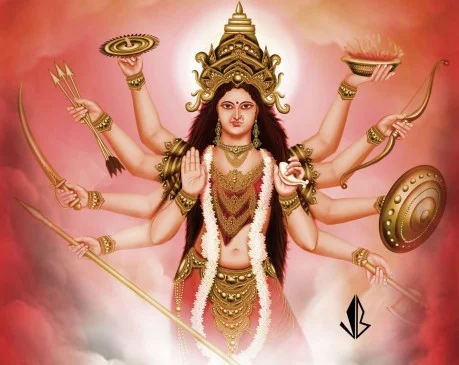
Mahanisha presents a fascinating spiritual paradox: the synchronized worship of two seemingly opposite divine expressions. Maa Mahagauri stands draped in pristine white garments, adorned with luminous ornaments. Her four arms balance compassion and spiritual authority, holding the damru and trident while raising her hands in the mudras of fearlessness and boon-giving. She embodies absolute purity, emotional peace, and the washing away of accumulated karma.
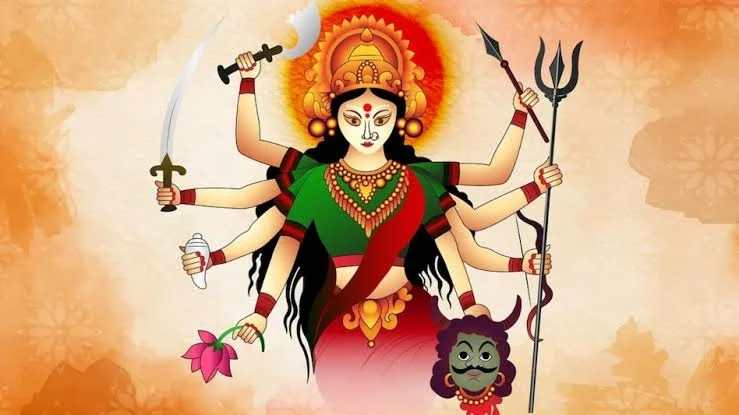
Right beside this vision of maternal calm, the night honours Maa Kali or Chamunda. Bearing a garland of severed heads, a curved sword, and a bowl of dissolution, Kali represents fierce reality. She tears down inner vices like jealousy, untamed desire, unbridled rage, and intellectual pride. One form gives calm joy, the other tears down illusions, yet they remain two faces of the same maternal reality.
Householders often misunderstand Kali’s fierce visage as frightening. It is meant to burn down our internal fears, while Mahagauri restores sweet equanimity immediately following the purging fire. Balancing these two energies within oneself is the true heart of this midnight sadhana.
Step-by-Step Home Procedure for Mahanisha Puja
A common misconception assumes that midnight rituals belong solely to ascetics or renunciants. In truth, householders can easily perform this worship within their own family puja room using simple, pure sattvic customs. Begin on Maha Ashtami evening by eating light, pure food. Around 11:00 PM, take a fresh bath, wear clean unstitched red or yellow clothing, and purify your designated worship space with fresh water or Gangajal.
Spread a fresh red cloth across a raised wooden chowki and place an idol or framed image of Goddess Durga. Proceed with these systematic steps:
- Sankalpa and Deepa Prajvalana: Hold a little water, unbroken raw rice (akshat), and a flower in your right palm. Recite your gotra and intentions, resolve to stay awake in contemplation, and release the offering. Light a substantial four-faced lamp filled with pure cow ghee or sesame oil designed to stay lit through the night.
- Shodashopachara Offerings: Present red vermilion (kumkum), fragrant sandalwood paste, unbroken rice, pure natural attar, and vibrant red hibiscus blossoms. Light fragrant herbal incense.
- Special Naivedya: Offer makhana kheer, seasonal fruits such as pomegranates, sugar batashas, and sweet betel leaves folded with clove and cardamom. Simple halwa-puri can also be presented with reverence.
- The Sandhi Puja Climax: The most crucial 48 minutes occur across the exact junction where Ashtami ends and Navami begins (24 minutes of each). Offer exactly 108, or at least 21, red hibiscus flowers or lotus buds one by one to the deity.
Conclude your ritual by reading the Devi Kavacham, Argala Stotram, or chapters from the Durga Saptashati. If reading longer texts feels overwhelming, complete three quiet rounds of the Navarna Mantra using a rudraksha or sphatika rosary.
Core Differences Between Daytime Worship and Mahanisha
Devotees often wonder how this nocturnal vigil differs fundamentally from ordinary daily prayers during the rest of Navratri. The difference lies in the inner posture of the seeker.
| Aspect | Regular Daytime Puja | Mahanisha Puja |
|---|---|---|
| Primary Timing | Pratahkaal (morning) or twilight | Nishita Kaal and Sandhi midnight window |
| Inner Mood | Daily gratitude, external routines | Complete solitude, internal dissolution of ego |
| Methodology | Simple aarti, standard chants | Unbroken japa, focused stotras, 108 offerings |
During standard daytime prayers, we squeeze worship between chores, school runs, and professional commitments. During Mahanisha Puja Vidhi, the social world completely stops. By sacrificing sleep, the devotee deliberately offers their most prized comfort at the altar. That level of dedicated surrender creates a remarkably different mental state.
Potent Mantras and Hymns for the Midnight Vigil
Silence is your greatest ally on this night. Avoid chatting, checking notifications, or discussing domestic concerns once you sit before the sacred flame. Keep your recitations gentle or entirely mental. The foremost chant for this evening is the revered Navarna Mantra: Om Aim Hreem Kleem Chamundayai Vichche. Its three seed syllables invoke Saraswati, Lakshmi, and Mahakali simultaneously to purify thought, emotion, and action.
If you have struggled with unresolved stress, chronic illness, or unsettling fear, recite the sacred Siddha Kunjika Stotram 11 times. Lord Shiva declared in the scriptures that chanting this hymn yields the spiritual reward of reciting the complete Durga Saptashati. Keep your motive clean; never invoke these holy syllables to seek revenge or harm another living being.
Bring your sadhana to a close with a glowing camphor flame. Regard the burning camphor as your own ego dissolving into the infinite without leaving ash behind. Bow low and recite a humble Kshama Prarthana, acknowledging your human limitations in knowledge and ritual precision.
Critical Mistakes to Avoid During the Midnight Vigil
The heightened energy of Mahanisha demands self-discipline. Due to sensationalized internet content, beginners occasionally make unforced blunders that cause unnecessary anxiety rather than peace.
First, householders must never attempt fierce tantric rituals or cremation-ground practices found on social media without an authentic traditional guru. Authentic domestic worship should remain completely Vedic, pure, and grounded in loving reverence. Flashy occult curiosity produces nothing but agitation.
Second, staying awake does not mean binge-watching television or lounging on your phone in the name of a jagran. If you choose to stay awake, occupy your mind with scriptural reading, japa, or contemplative silence. Maintain strict personal purity in speech, keep arguments out of the household, and ensure the kitchen remains strictly vegetarian and satvic throughout the day.
The Living Link Between Mahanisha and Kanya Pujan
Mahanisha does not conclude in solitary withdrawal; it flows directly into real-world kindness. As morning arrives after the midnight vigil, the focus turns toward Kanya Pujan on Ashtami or Navami morning. Nine young girls and a young boy, representing Batuk Bhairava, are welcomed into the family home as direct manifestations of the Divine Mother.
Their feet are washed, forehead marked with chandan and kumkum, and they receive traditional prasad consisting of black chickpeas, crisp pooris, and semolina halwa alongside loving gifts. The tremendous internal power cultivated during the midnight hours must now translate into tangible respect and generosity toward young girls and women in everyday society.
Without honouring these children and seeking blessings from family elders, Navratri sadhana remains fundamentally incomplete. Mahanisha dissolves our pride in secret; Kanya Pujan celebrates divine innocence in public.
Before lighting a single wick for Mahanisha Puja, check why you are actually doing it. Recall the celebrated incident of Lord Rama performing the autumnal Akal Bodhan ritual before his final march against Ravana. Rama carried no esoteric instruments or complex occult paraphernalia; he possessed only boundless devotion and an unshakeable heart. When a blue lotus went missing from his 108 offerings, he instantly drew an arrow to sacrifice his own eye instead. The Mother looks at that purity of intent, never at the grandeur of your silver platters.
Skeptics frequently wonder whether praying at midnight produces any tangible difference. There is a very grounded reality to it: late at night, when city sounds die out and room temperatures settle, brainwave activity naturally slows towards receptive alpha states. Quiet contemplation during these hours clears residual emotional fatigue far better than ordinary rest. There is nothing superstitious about using midnight stillness to recalibrate your mind.
Do not approach this night seeking dramatic overnight miracles or lottery tickets. Sit down to pray for steady emotional balance, clarity of purpose, and release from self-destructive habits. Light a steady lamp, remember your ancestors, step away from your smartphone screen, and listen to the silence within your own chest. That quiet communion is where real sadhana begins.
What is the best time to perform Mahanisha Puja?
Mahanisha Puja is traditionally observed during the Nishita Kaal of Maha Ashtami, roughly between 11:45 PM and 12:45 AM. The ideal window includes the Sandhi Puja period, marking the final 24 minutes of Ashtami and the first 24 minutes of Navami.
Can regular householders perform Mahanisha Puja at home?
Yes, householders can easily perform Mahanisha Puja in their home altars using peaceful sattvic methods. Stick to traditional stotras, simple offerings, and the Navarna Mantra, steering clear of any complex tantric or cremation-ground procedures.
What bhog should be offered to Goddess Durga during this night?
Traditional offerings include makhana kheer, sugar batashas, pomegranates, and sweet paan prepared with cloves and green cardamom. Offering fresh red hibiscus flowers or lotus buds alongside the food naivedya is considered especially auspicious.
What if I am unable to stay awake all night?
Staying awake all night is not mandatory. If health or work schedules prevent a full-night vigil, you can sit quietly during the core midnight hour (Nishita Kaal), complete your prayers and japa, and then rest peacefully.