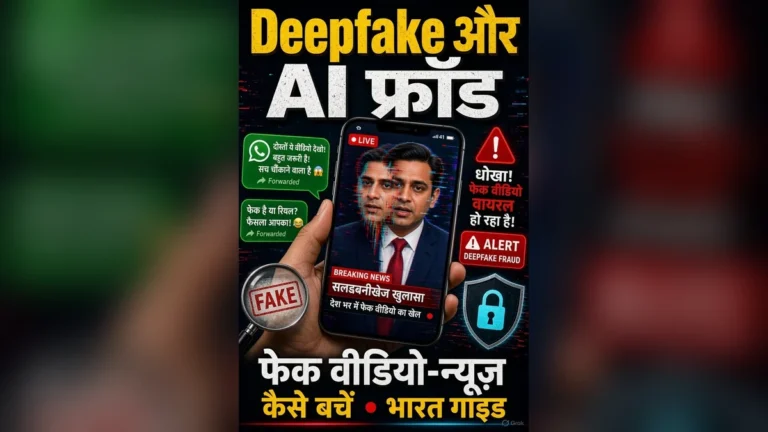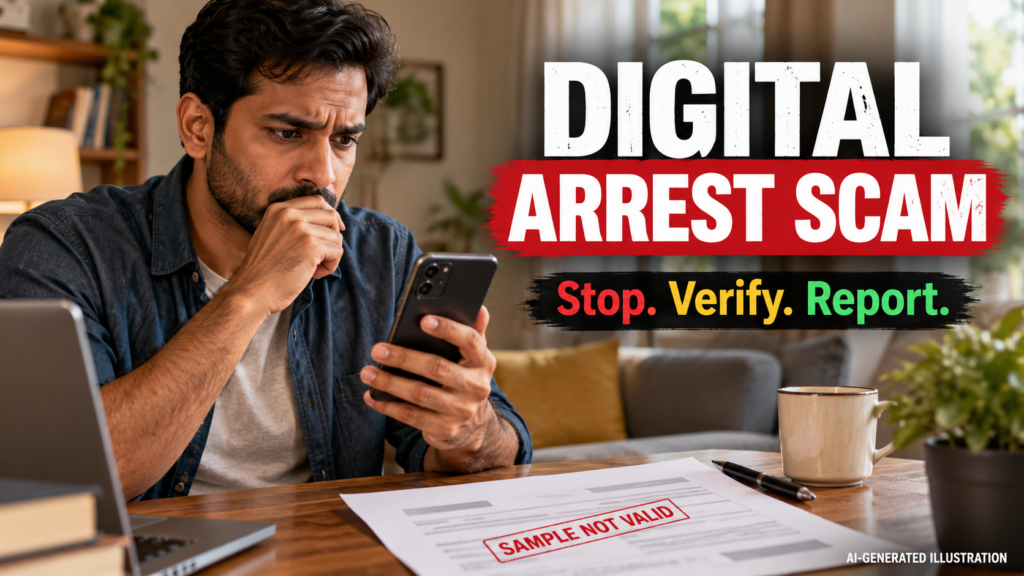
Received a digital arrest notice? Pause before acting
An unexpected caller claims to be a CBI officer and sends a PDF saying there is a warrant in your name. You are told to stay on a video call and transfer money immediately. Before doing anything under pressure, stop the conversation, tell someone you trust and check the claim through a separate official channel.
Digital arrest is not a lawful arrest procedure under Indian criminal law. A demand to remain under video surveillance and transfer funds for account verification is a scam warning. A potentially genuine legal document still deserves independent verification rather than being ignored automatically.
Warning signs in a threatening notice
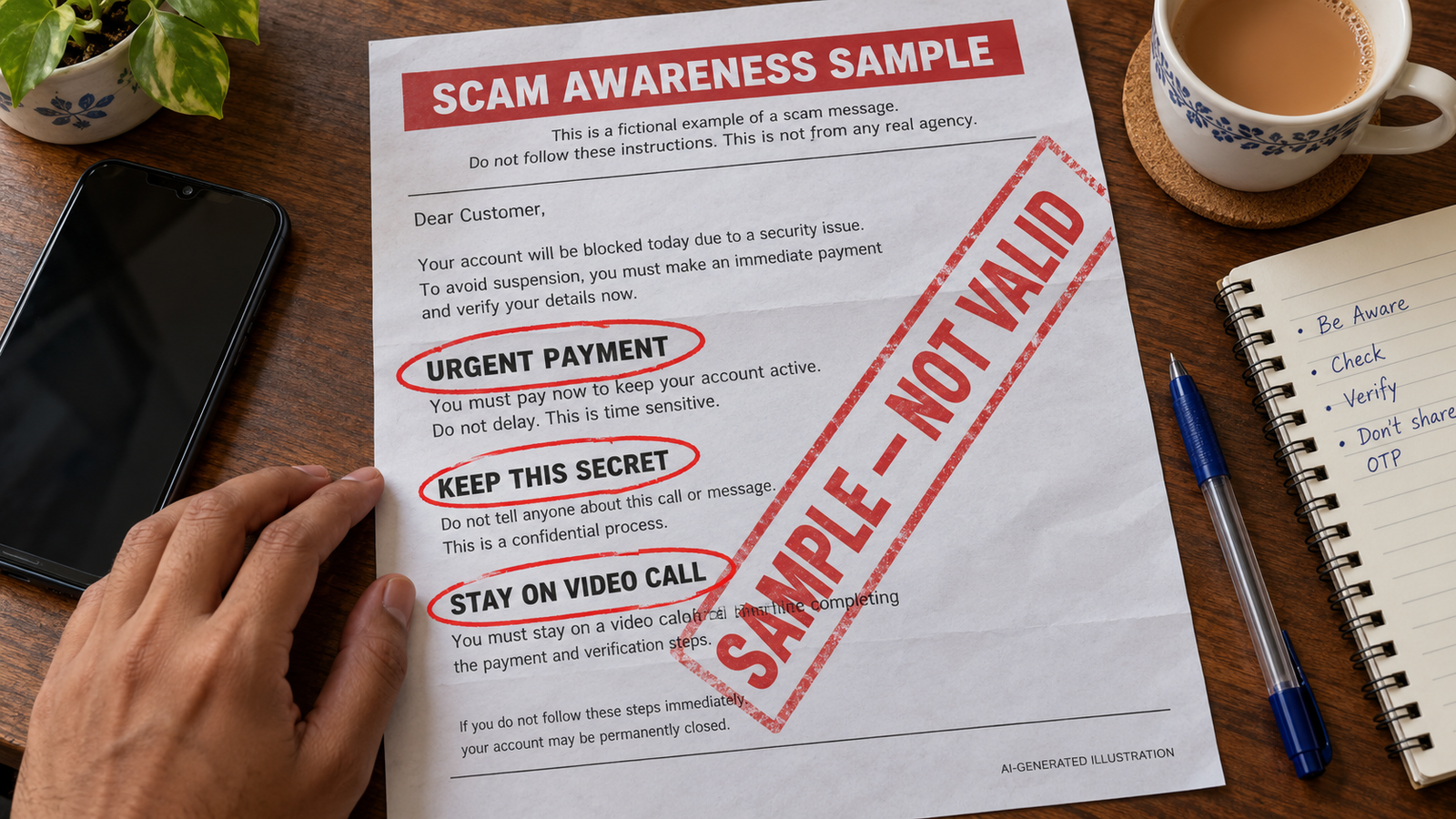
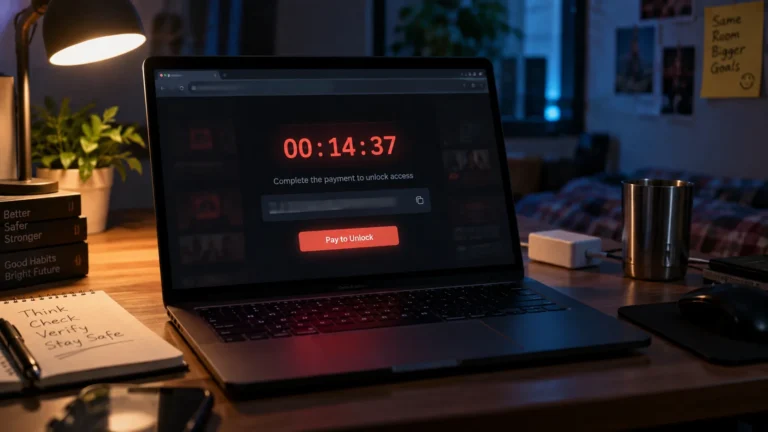
The image below is a fictional awareness sample. It is not an actual FIR, court order or CBI notice. It highlights three pressure tactics: urgent payment, secrecy and a demand to remain on a video call.
Look at what the sender wants you to do. Are they demanding a transfer to a personal UPI ID or a so-called safe account? Are they preventing you from speaking to family? Are they demanding action before you can check anything? These are more useful warnings than a spelling error alone.
Do not install an APK, enable screen sharing, disclose an OTP or scan an unknown payment QR to satisfy the caller. A document attachment does not make such instructions trustworthy.
Why a seal or official-looking PDF is not proof
A government-style logo, a signature image, good grammar or a uniform on camera does not authenticate a sender. Equally, a blurry scan or a typographical error does not, by itself, prove forgery. A visual check can raise questions; it cannot replace verification.
There is no single picture that authenticates every FIR or notice across India. Appearance can differ by state, office, date and document type. Do not treat our fictional sample as a template for genuine legal paperwork.
How to verify the claim independently
Open the relevant organisation’s official website yourself. Use contact details obtained independently from that site, rather than relying only on the number or link inside the suspicious message. Calling the same sender back is not an independent check.
Write down the date, reference number, issuing office and stated subject. Ask the verified office how issuance can be confirmed. Share sensitive information only through a verified appropriate channel, and do not post your complete document publicly.
If a real proceeding may be involved, seek help from the issuing office or a qualified local lawyer. Taking time to verify does not mean disregarding an actual response deadline.
What to do if you have already paid
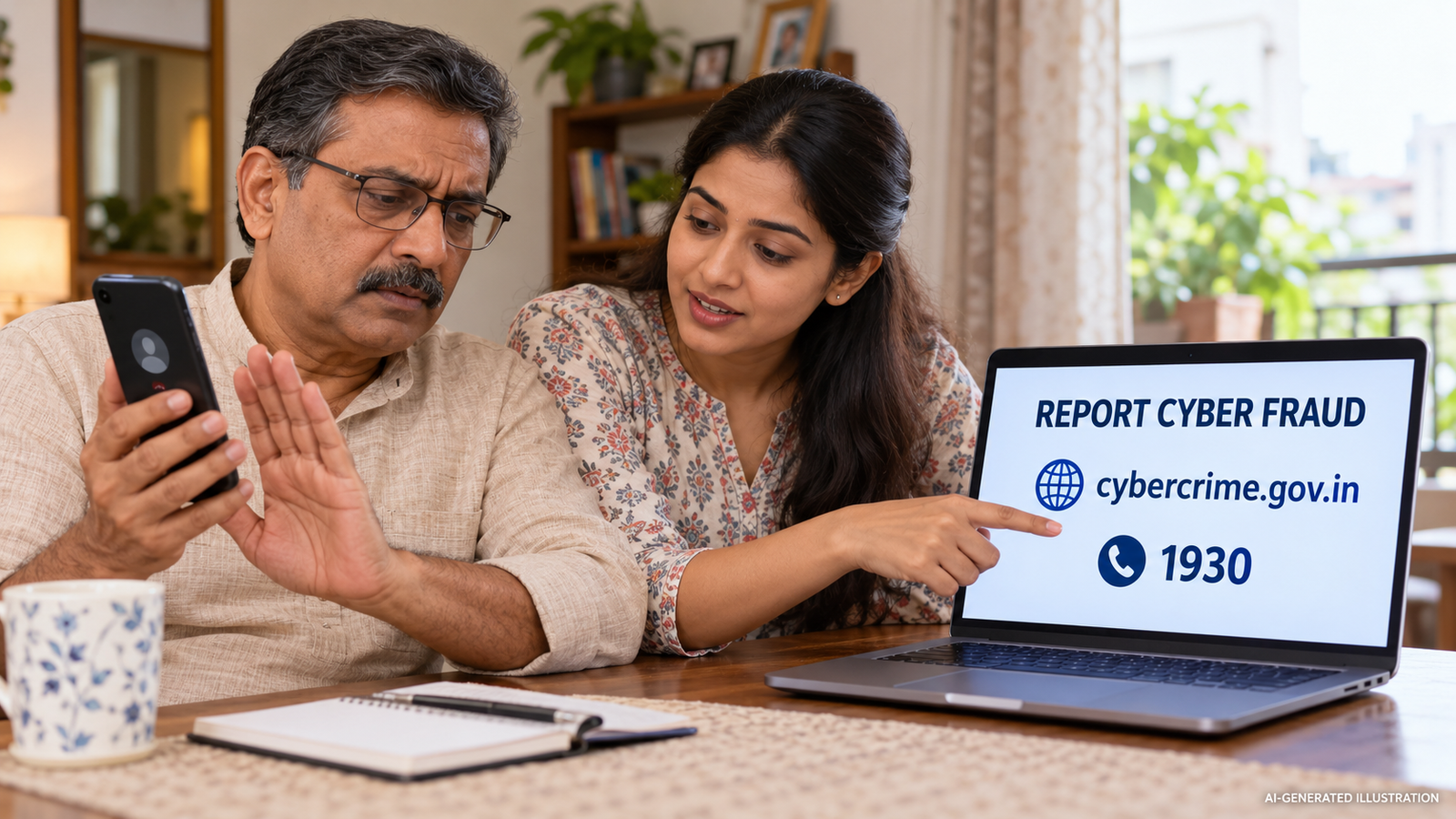
Contact your bank or payment provider through its official fraud channel immediately. Ask about available steps to flag or stop the transaction. Report financial cyber fraud to 1930 and submit a complaint at cybercrime.gov.in. Reporting promptly is useful, but recovery is not guaranteed.
Preserve the transaction reference, time, amount, recipient details, messages, caller information and original PDF. Keep an unaltered copy privately. Use a separate redacted copy if you need to share an example with others.
If you installed an app or shared your screen, tell your bank. Review important accounts using a trusted device. Do not pay another stranger who promises to recover the money for an advance fee.
Advice: prepare a simple family response
Agree on a family rule: arrest threats, secret transfers and continuous video-call demands trigger a conversation with a trusted person before any payment. Keep verified bank contacts accessible to older family members. Respond supportively if someone says they may have been deceived.
A neutral verification request can say: “I received a message using your office’s name on this date. Please tell me the official process for confirming whether this reference was issued.” This is a suggested enquiry, not a statutory complaint form.
Frequently asked questions
Does a CBI stamp prove the notice is genuine? No. A stamp image is not independent confirmation from the agency.
Is every legal document sent by email or WhatsApp fake? Do not decide from the delivery method alone. Verify the issuing office and the matter separately.
Can PDF metadata establish authenticity? No. Author fields, software names and creation dates alone cannot settle it.
Does reporting to 1930 guarantee a refund? No. The reporting channel does not promise recovery.
Are the images real evidence? No. All three are AI-generated illustrations, and the sample letter is fictional.
Sources and important clarification
This article provides general cyber-safety information, not individual legal advice. The pictures are neither agency-issued documents nor actual screenshots of the reporting portal. Information checked on 24 October 2026.
- MHA / PIB: Digital arrest warning, 14 May 2024
- PIB: Fake letters with names, stamps and logos, 4 July 2024
- MHA / PIB: Cybercrime reporting, 25 March 2025
- Union Bank of India: Digital arrest safety guidance