 Vista
Understanding Ethanol-Blended Petrol and Rainwater
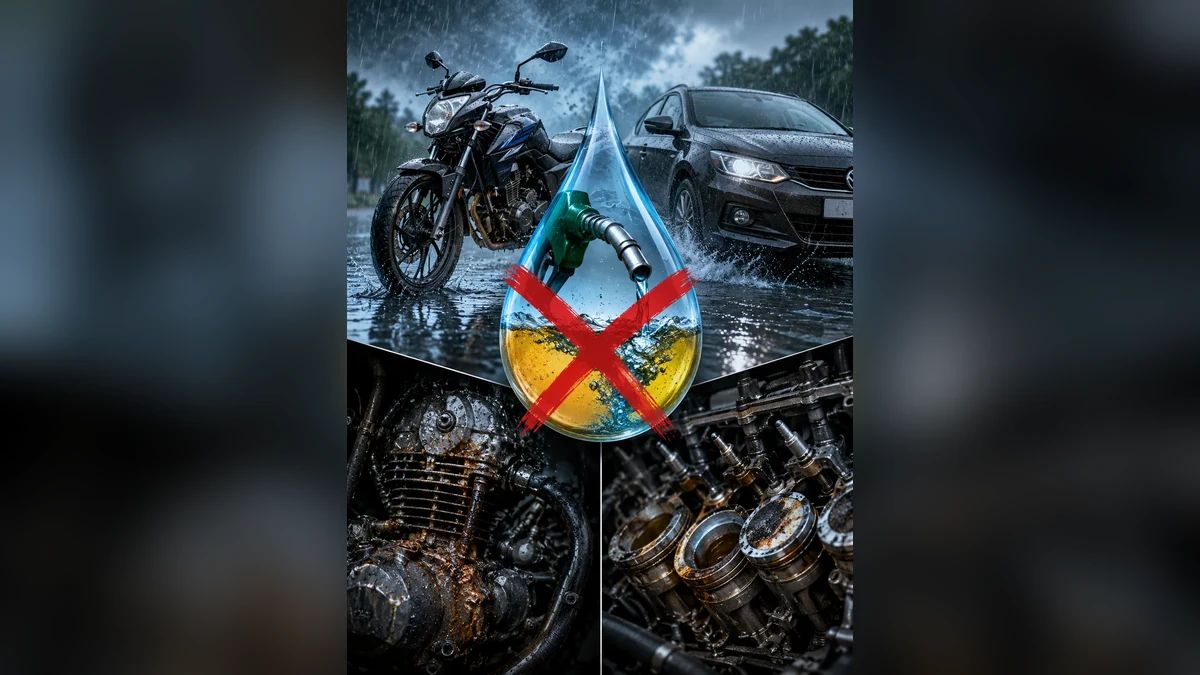
The arrival of the rainy season often brings a sense of relief and joy. However, for vehicle owners, it can also present hidden challenges, especially concerning the fuel used in their cars. Modern petrol often contains ethanol, an additive introduced to reduce pollution and decrease reliance on imported oil. While beneficial for the environment, ethanol’s properties can create a significant problem when it mixes with water, particularly rainwater, posing a threat to your car’s engine.
What is Ethanol and Why is it Mixed with Petrol?
Ethanol is a type of alcohol derived from agricultural products like sugarcane. Its inclusion in petrol aims to lower emissions and reduce dependence on fossil fuels. In India, you’ll find E10 (10% ethanol) and increasingly E20 (20% ethanol) petrol readily available. This blend is becoming standard, making it crucial to understand its implications.
The Dangerous Combination: Water and Ethanol
Ethanol has a unique characteristic: it readily absorbs water. When water enters ethanol-blended petrol, the ethanol binds with it. This mixture, being denser than petrol, separates and settles at the bottom of the fuel tank. This phenomenon is known as ‘phase separation’. When this water-ethanol mixture reaches the engine, it doesn’t combust efficiently like petrol. Instead, it can start to corrode and damage critical engine components.
How Rainwater Enters Your Fuel Tank
It’s a common misconception that fuel tanks are completely sealed. While they are designed to be secure, rainwater can find its way in through several common routes:
Faulty Fuel Filler Caps
A loose, damaged, or improperly sealed fuel filler cap is a primary culprit. If the cap doesn’t create a tight seal, rainwater can easily seep into the tank. Cracks or wear and tear on the cap itself can also allow water ingress.
Condensation Issues
Condensation is another significant factor, particularly when the fuel tank is not full. Fluctuations in temperature between day and night cause moisture in the air inside the tank to condense into water droplets on the tank’s walls. This water gradually accumulates. During the rainy season, the higher humidity in the air exacerbates this problem.
Impact on Your Car’s Engine and Fuel System
Water contamination in the fuel tank can lead to a cascade of problems:
Rust and Corrosion
Water, especially when mixed with ethanol, is highly corrosive to metal parts. The fuel tank, fuel lines, and fuel pump are susceptible to rust and corrosion, compromising their integrity and function.
Fuel Pump and Injector Damage
Fuel pumps and injectors are precision-engineered components. Water reduces the lubricating properties of the fuel, leading to increased friction and wear. It can also clog the tiny nozzles of the injectors, disrupting fuel delivery.
Reduced Engine Performance
When the engine receives a water-contaminated fuel mixture, combustion is inefficient. This results in a noticeable drop in power, sputtering, and poor acceleration (pickup).
Risk of Engine Failure
Prolonged use of contaminated fuel can cause severe internal damage to the engine, potentially leading to a complete engine seizure – the most catastrophic and expensive outcome.
Symptoms of Water Contamination
If your car’s fuel tank has ingested water, you might observe the following symptoms:
- Jerky or sputtering engine performance, or stalling.
- Decreased fuel efficiency (mileage).
- Unusual noises from the engine.
- Difficulty starting the car.
- The ‘Check Engine’ light illuminating on the dashboard.
Preventive Measures to Protect Your Engine
Taking simple precautions can go a long way in safeguarding your vehicle:
Secure Your Fuel Filler Cap
Always ensure your fuel filler cap is tightly secured after refueling. Regularly inspect the cap’s seal for wear and tear, replacing it if necessary.
Park Smartly During Rain
Whenever possible, park your car in a covered area or a garage to shield it from direct rainfall. If covered parking isn’t an option, consider covering the fuel filler area with a cloth or protective cover.
Keep Your Fuel Tank Topped Up
Try to maintain a higher fuel level in your tank. A fuller tank reduces the amount of air space, thereby minimizing the potential for condensation.
Regular Servicing and Filter Checks
Adhere to your vehicle’s regular service schedule. Ask your mechanic to inspect the fuel filter and replace it if needed, as it helps prevent water and debris from reaching the engine.
Consider Water Separators or Fuel Additives
Some vehicles are equipped with a built-in water separator. If yours isn’t, you might consider having one installed. Additionally, high-quality fuel additives designed to absorb or remove water from the fuel system can be beneficial.
What to Do If Water Contamination Occurs
If you suspect water has entered your fuel tank, immediate action is crucial:
- Contact a Mechanic Immediately: Do not drive the car extensively, as this can worsen the damage. Tow it to a trusted mechanic.
- Draining and Cleaning: The mechanic will drain the fuel tank, remove the contaminated fuel, and thoroughly clean the fuel system. The fuel filter will likely need replacement.
Potential Repair Costs
The cost of repairs varies significantly based on the extent of damage:
- Draining and Cleaning: This basic procedure might cost a few thousand rupees.
- Fuel Filter Replacement: This can range from a few hundred to a thousand rupees.
- Fuel Pump or Injector Replacement: These are more expensive, potentially costing ₹5,000 to ₹20,000 or more.
- Engine Repair/Replacement: Severe internal engine damage can lead to costs running into lakhs of rupees.
Fact: Ethanol’s affinity for water is so strong that it can absorb moisture directly from the air, especially when there’s significant empty space in the fuel tank.
Expert Advice: Stay Vigilant This Monsoon
Your car’s engine is a complex and vital component. Water contamination in ethanol-laced petrol acts as a silent saboteur, gradually eroding your engine from within. While many become complacent during the monsoon, this is precisely when you need to be most attentive. Always double-check your fuel cap, try to keep your car covered, and avoid running the tank on empty. The biggest mistake people make is underestimating the problem, thinking ‘it’s just a little water, it won’t cause harm.’ This ‘no harm’ attitude can quickly escalate into substantial repair bills. If you notice any unusual symptoms in your vehicle, don’t attempt DIY fixes; consult a professional immediately. Timely intervention, even if it involves a small expense, can prevent major damage. Remember, prevention is always better than cure!
Disclaimer: The information provided in this article is for general awareness only. Always consult official sources and qualified professionals for specific advice regarding your vehicle and local regulations.

























Share Your Opinion
Comments are closed on this post.