Movies treat the dark web like a magic tunnel: buy in secret, never get caught. In real coverage one name keeps returning — Silk Road. Was it a film set, or a website a U.S. court took apart in public?
The record is public. Silk Road started around January 2011, was seized in October 2013, and its operator stood trial in federal court in New York. This article follows that documented case. It is not a visit guide. Pages that sell “red rooms” are scams. Seeking illegal goods is a crime.
What Silk Road actually was
The FBI and the U.S. Attorney’s Office for the Southern District of New York described Silk Road as a hidden website built so users could buy and sell illegal drugs and other unlawful goods and services with a claim of anonymity. Press nicknames such as “the eBay of drugs” were headlines, not a court stamp.
It did not live on the ordinary searchable web. Court papers called it a hidden service — the layer people now lump together as the dark web. Payments ran on bitcoin. That is not the same as being beyond the law. In 2013 the site was seized. The operator was arrested in a public library with his laptop open.
Silk Road was not “the dark web.” The dark web is a technical layer. Silk Road was one marketplace on that layer. The original site is gone. A separately run “Silk Road 2.0” appeared in November 2013. Authorities treated it as a copycat, not a resurrection. It was seized in November 2014.
The timeline that reached a courtroom
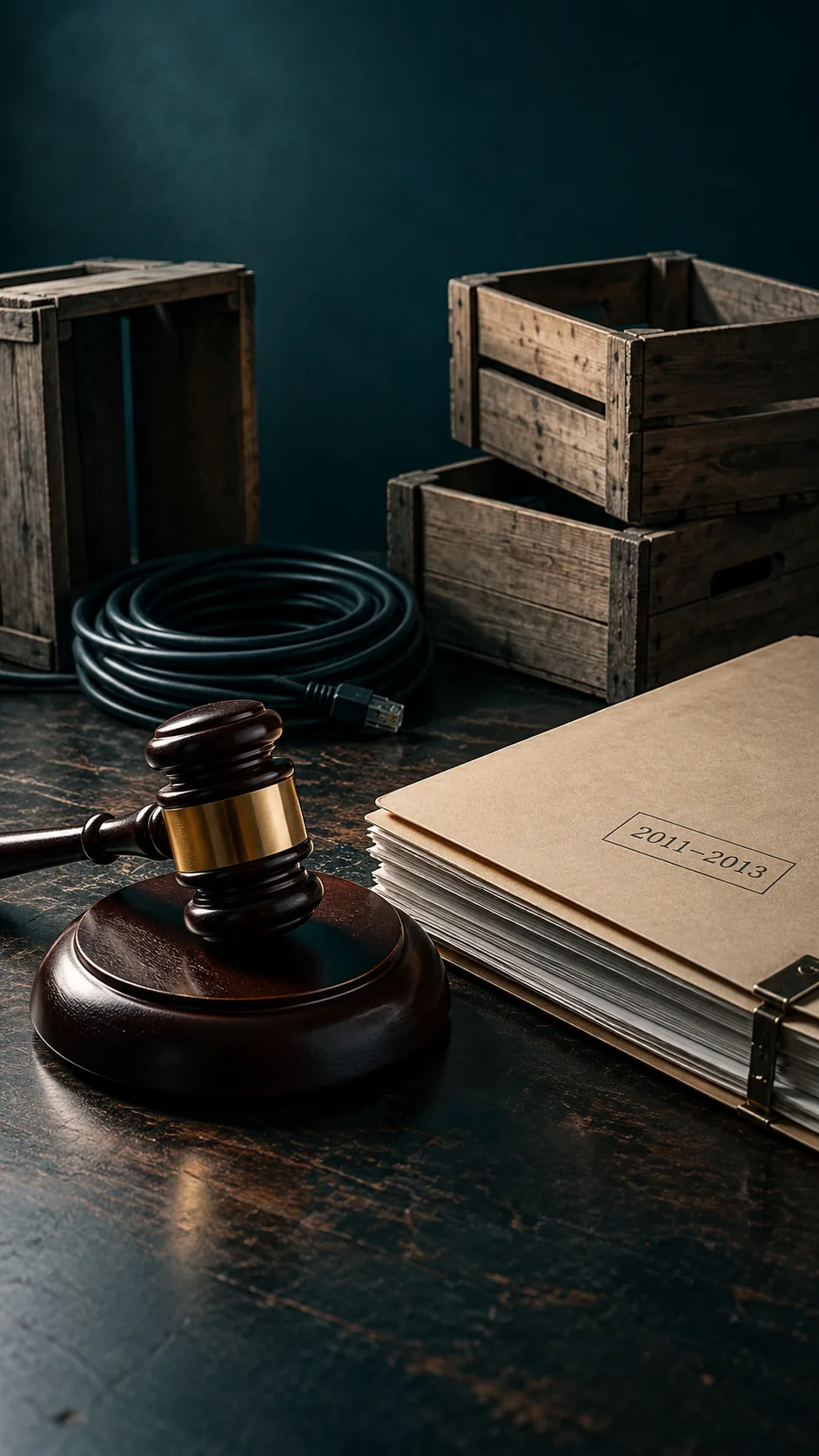
Federal records say Ross William Ulbricht created Silk Road in about January 2011. Many accounts put the public launch in February. A June 2011 mainstream story widened the audience. In early 2012 the lead admin handle became “Dread Pirate Roberts,” borrowed from The Princess Bride.
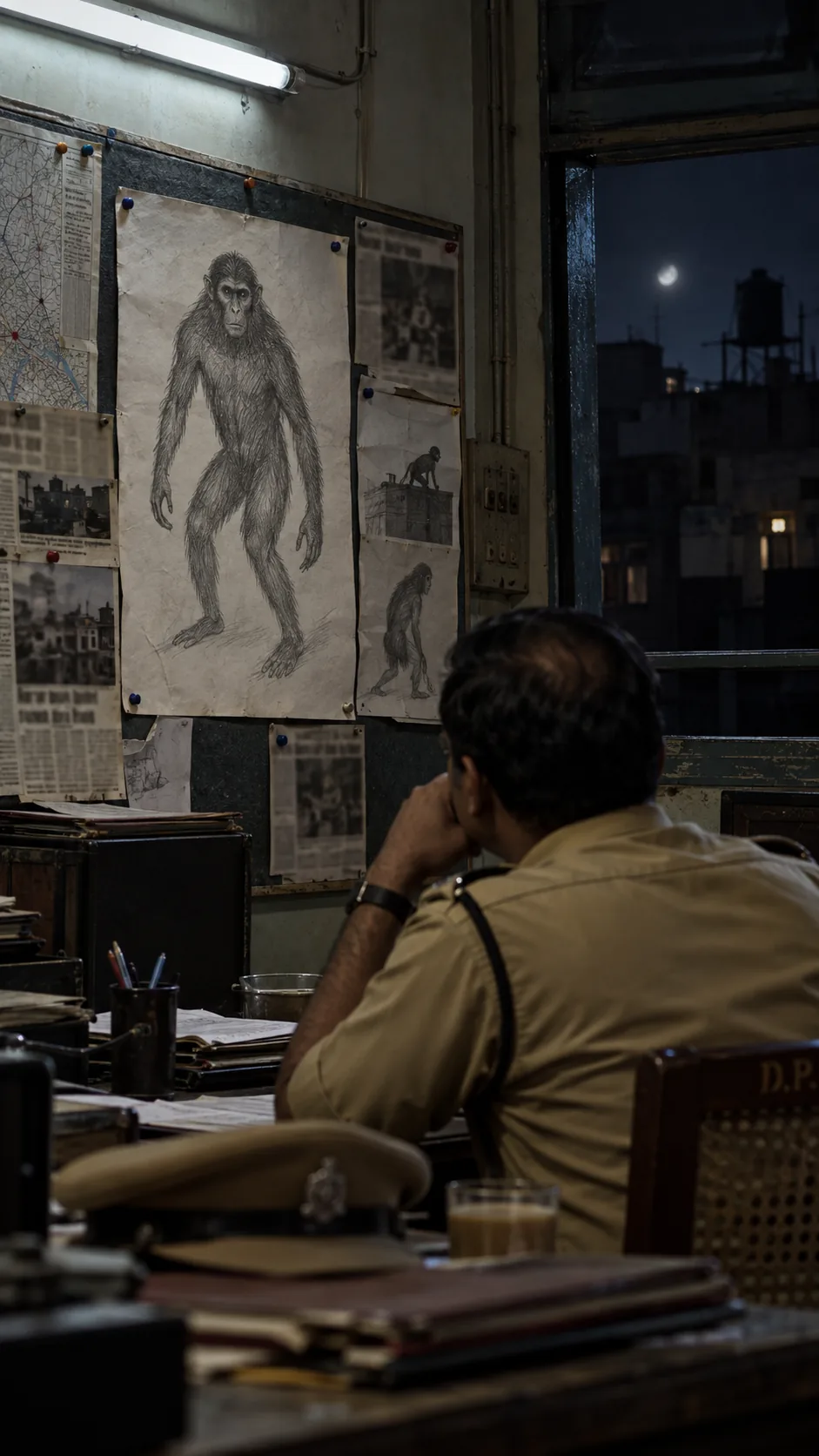
From 2011 to 2013 several U.S. agencies ran overlapping investigations. Undercover buys were logged. Some staff accounts were taken over. On 1 October 2013 agents arrested Ulbricht at the Glen Park branch of the San Francisco Public Library. They said he was logged in as DPR and chatting with an undercover staffer. On 2 October the original site was taken offline.
Trial began in Manhattan in January 2015. On 4 February 2015 a jury convicted him on all seven counts. On 29 May 2015 Judge Katherine B. Forrest sentenced him to life in prison — with additional terms to run concurrently — and ordered forfeiture of $183,961,921. An appeals court affirmed in 2017. A presidential pardon in January 2025 is also a matter of public record. The original marketplace did not return.
FACT
An FBI statement after the verdict said that as of 23 September 2013 Silk Road listed nearly 13,000 controlled-substance items. In the New York case the government said thousands of vendors sold about $183 million in illegal drugs between 2011 and 2013. Forfeiture at sentencing was $183,961,921. An earlier complaint also cited larger dollar totals for sales and commissions using bitcoin prices of that moment; those dollar figures move when the coin price moves.
What the court said was for sale
Official accounts repeat the same core point: most listings were illegal drugs. Public categories included cannabis, ecstasy, opioids, psychedelics, stimulants and other controlled groups. From late 2011 through 2013 agents made dozens of undercover purchases — FBI materials mention heroin, cocaine, ecstasy and LSD, filled by vendors they tied to more than ten countries.
Drugs were not the only unlawful category in the file. The case also charged conspiracy to traffic fraudulent identity documents and conspiracy to commit computer hacking. The jury convicted on those counts too.
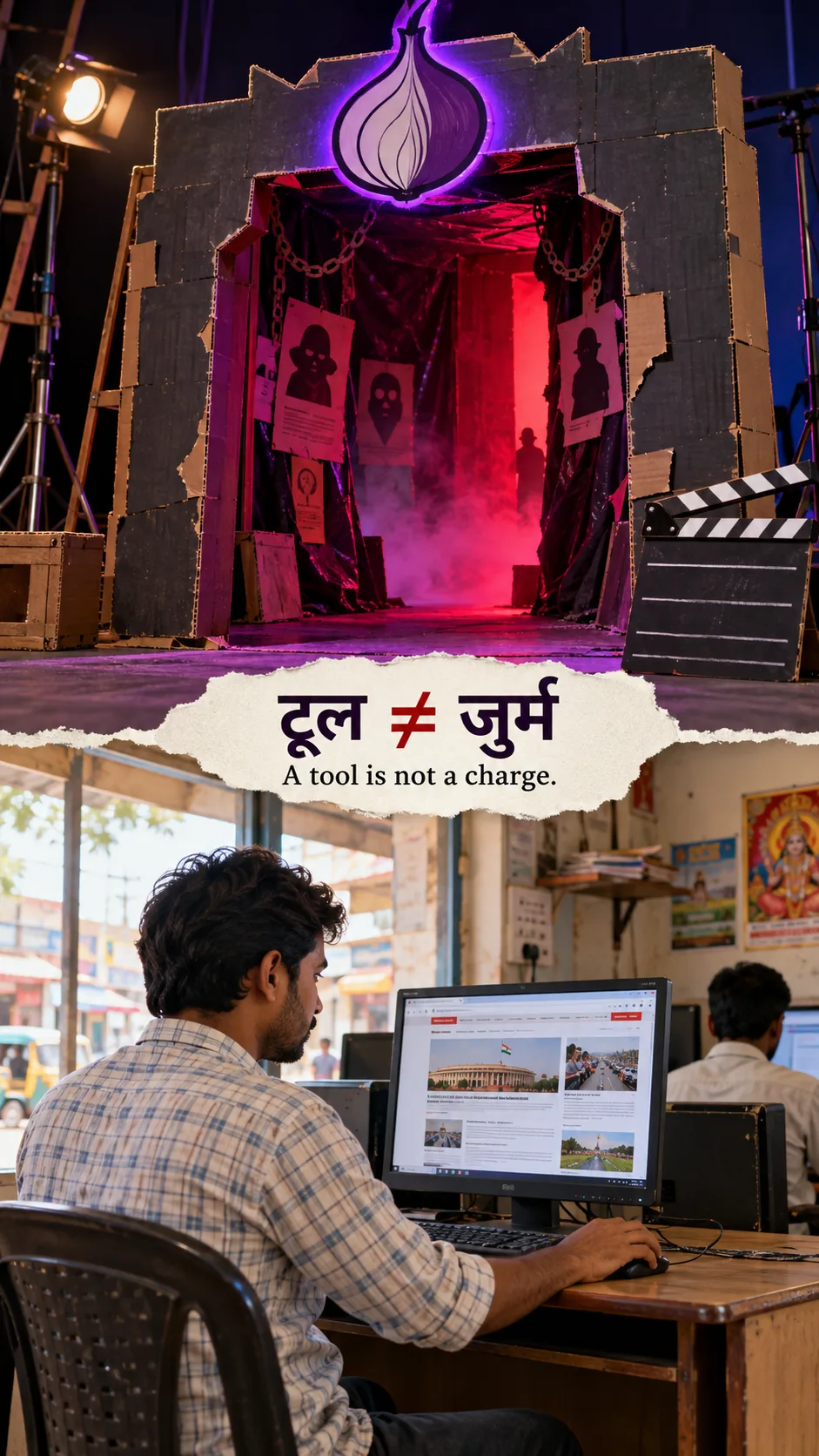
Two myths need a line through them. “Everything was for sale” is not the court’s description. Silk Road was framed as a criminal market, not an open bazaar of the entire internet. And cinematic “red rooms” or “level five dark web” lore are not the official story of this site. Those claims belong to a different pile of scams and folklore.
Who Dread Pirate Roberts was in the record
The court treated Ross William Ulbricht as owner and operator. He was born 27 March 1984 and was about 29, living in San Francisco, at arrest. Prosecutors tied commissions, ledgers, chats and the open laptop to one person using the DPR name.
The public complaint described the identification path: an early forum post under the name “Altoid” promoting Silk Road, email traces, and a July 2013 intercept of a package of fake IDs with Ulbricht’s photograph and other names. Agents who visited him wrote that he declined direct answers and spoke “hypothetically” about a site on Tor called Silk Road.
The defense later argued that the DPR name could have moved, that corrupt investigators tainted the probe, and that searches went too far. The 2015 jury still convicted. The 2017 appeal did not unwind the judgment. Debate around the case continued in public life. The courtroom record of conviction is separate from later clemency paperwork.
The library arrest on the public record
Afternoon, 1 October 2013, Glen Park library. Agents said they needed the laptop open — not only the man in handcuffs. Reports of the arrest describe a staged quarrel so the machine could be seized before it was locked. At the same moment an undercover identity known in coverage as “Cirrus” was in a staff chat. The government’s story: DPR was steered to a page, the page opened, the team moved in.
It sounds like a script. In court it was offered as the moment person, handle and admin session met. The lesson for readers is legal, not technical. A “hidden” site was still reconstructed from servers, wallets, staff accounts, parcels and old forum posts. This article will not explain how any network is configured. It explains that the anonymity claim lost in court.
Seven counts, the sentence, and the charge New York did not try
The seven counts covered narcotics distribution, distribution by means of the internet, narcotics conspiracy, a continuing criminal enterprise, conspiracy to commit computer hacking, conspiracy to traffic fraudulent identity documents, and money-laundering conspiracy. On 29 May 2015 the judge imposed a life term and the $183.96 million forfeiture. At sentencing the U.S. Attorney called Ulbricht a drug dealer and criminal profiteer. The judge said a crime is not smaller because it ran on the internet.
Murder-for-hire was alleged in government papers — public statements put the number of solicitations as high as six — but it was not a charge in the New York trial. Prosecutors said there was no evidence the killings were carried out. A separate Maryland indictment existed; after the New York sentence became final that track was not the center of the story. The judge still weighed the allegations at sentencing. Serious accusation is not the same as a murder conviction.
Two investigators on the wider probe were later convicted of corruption. The defense said that should shake the evidence. The appeals court still affirmed. The file is not a clean hero story. It is a marketplace case that produced a public verdict.
Myths that travel under the Silk Road name
Myth: the dark web means police cannot arrive. Silk Road’s end runs the other way — undercover buys, a staff account in government hands, a seized site, an arrest in a library.
Myth: the original market simply moved. The 2013 seizure closed the original. Silk Road 2.0 was a different operation taken down in 2014. Pages that sell “the old link” today are usually fraud.
Myth: bitcoin left no trail. Wallets from this case were seized, auctioned, and in later years more coins were tied to related frauds and forfeitures. Dollar headlines changed with the price. The legal point did not: a chain can still become an exhibit.
Myth: this file is only an American drama. It matters wherever chat threads sell “dark web passwords,” “red room links,” or “hidden markets.” Silk Road shows that a famous name still met a court. Cheap scam pages are weaker still.
A case file, not a travel brochure
Documentaries and features argue over Ulbricht the ideologue versus Ulbricht the kingpin. This explainer does not pick a camp. It follows the public spine: a site was built; a drug market ran on it; investigators bought and logged; an arrest was made; a jury convicted; a life sentence was imposed; an appeal failed; a pardon later entered the record. The original market did not come back.
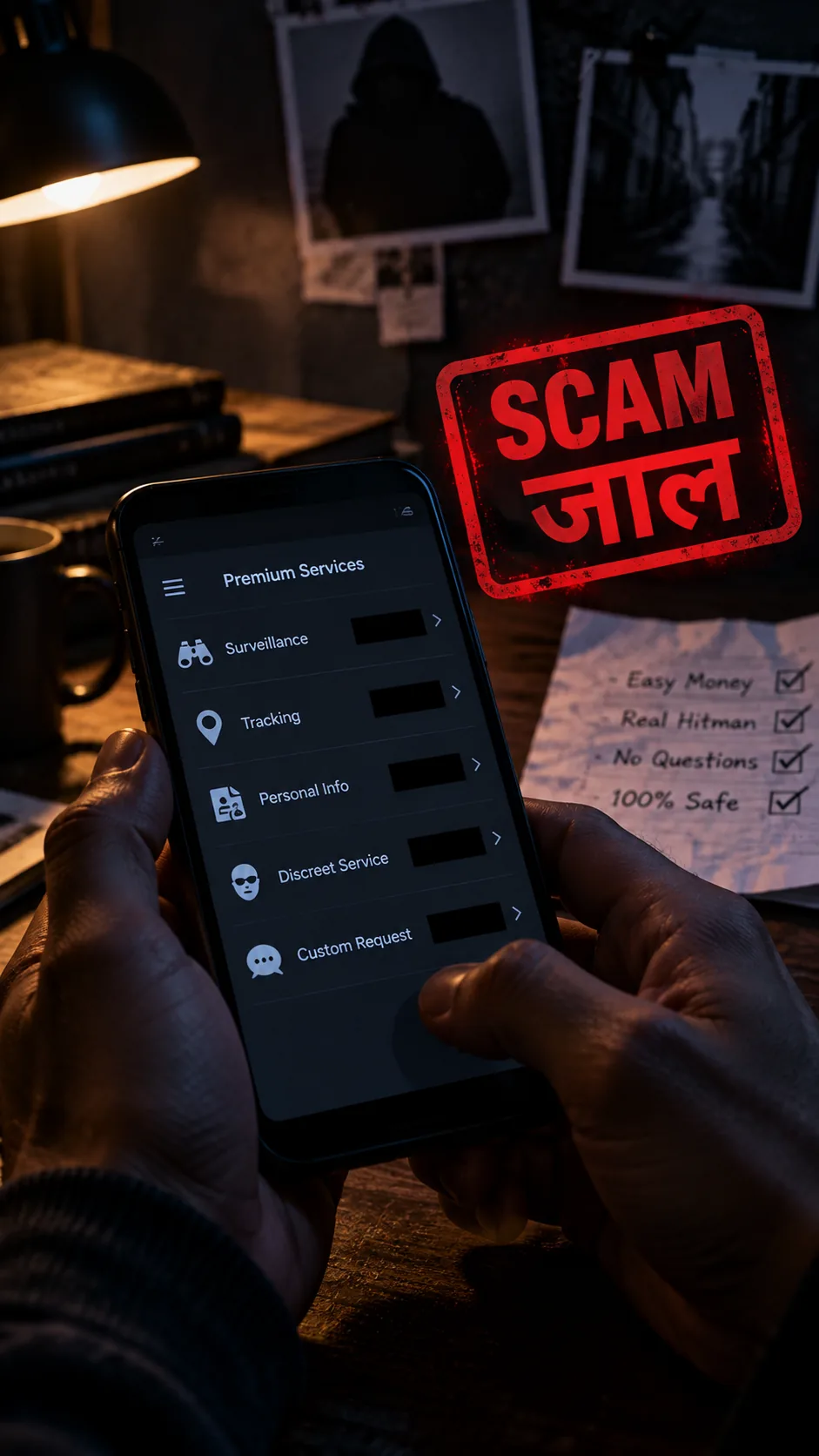
If a page asks for money to “restore Silk Road,” “open a red room,” or “share a hidden market,” treat it as a scam pitch. This article does not show a path onto any hidden network. It shows how one famous path ended in a courtroom.
FAQ
What was Silk Road?
A hidden online market that ran from 2011 until October 2013. U.S. prosecutors and the FBI described it as a platform for illegal drugs and other unlawful goods.
Does the original site still exist?
No. It was seized in October 2013. Later sites that reused the name were treated as separate. Modern pages selling the old name are usually scams.
Who was Dread Pirate Roberts?
The court held that Ross Ulbricht used that handle and ran the site. A jury convicted him on all seven counts in February 2015.
Was he convicted of murder?
No. Prosecutors alleged murder-for-hire solicitations. They said the killings were not shown to have happened. That allegation was not a New York trial count. The judge considered it at sentencing.
Is this a guide to the dark web?
No. No setup steps, no hidden addresses, no market map — only the public case.
Disclaimer: This is a historical explainer, not a travel guide. It does not explain how to reach the dark web. Pages that advertise red rooms are scams. Seeking, buying, or selling illegal goods is a crime. Do not treat films or rumor threads as a substitute for the court record.