“Ketamelon” sounds like a streaming-thriller villain. The public record is slower and more bureaucratic. In June 2025 the Narcotics Control Bureau’s Cochin unit ran Operation MELON against a darknet drug vendor alias, seized LSD and ketamine, froze digital assets, and later filed a chargesheet in a Kerala sessions court. This explainer is not a tour of hidden markets. It is what the agency wrote down — and what it did not prove in a verdict.
What Ketamelon actually is
Ketamelon is not a government portal and not a “level of the internet.” In its 1 July 2025 press release, NCB described it as the alias of a darknet drug vendor — a seller handle, not a place-name. The bureau called the network India’s most prolific such syndicate at the time and said the name came from the vendor’s earlier ketamine trafficking.
Newsrooms identified the alleged organiser as Edison Babu, a mechanical engineer from Muvattupuzha in Ernakulam district, with associate Arun Thomas. Those are accusations. A chargesheet is not a conviction. NCB’s account is that orders moved on hidden marketplaces, payments moved in cryptocurrency, and consignments moved through ordinary postal channels to Indian cities. That is an alleged e-commerce-shaped trafficking model. It is also a model that left parcels, devices and wallets behind.
The darknet is backdrop. The case file is NDPS law, mail interception, a house search, digital forensics and later mutual legal assistance. Viral clips that sell “invisible shops and uncatchable kings” are reading the file backwards.
Operation Melon, day by day
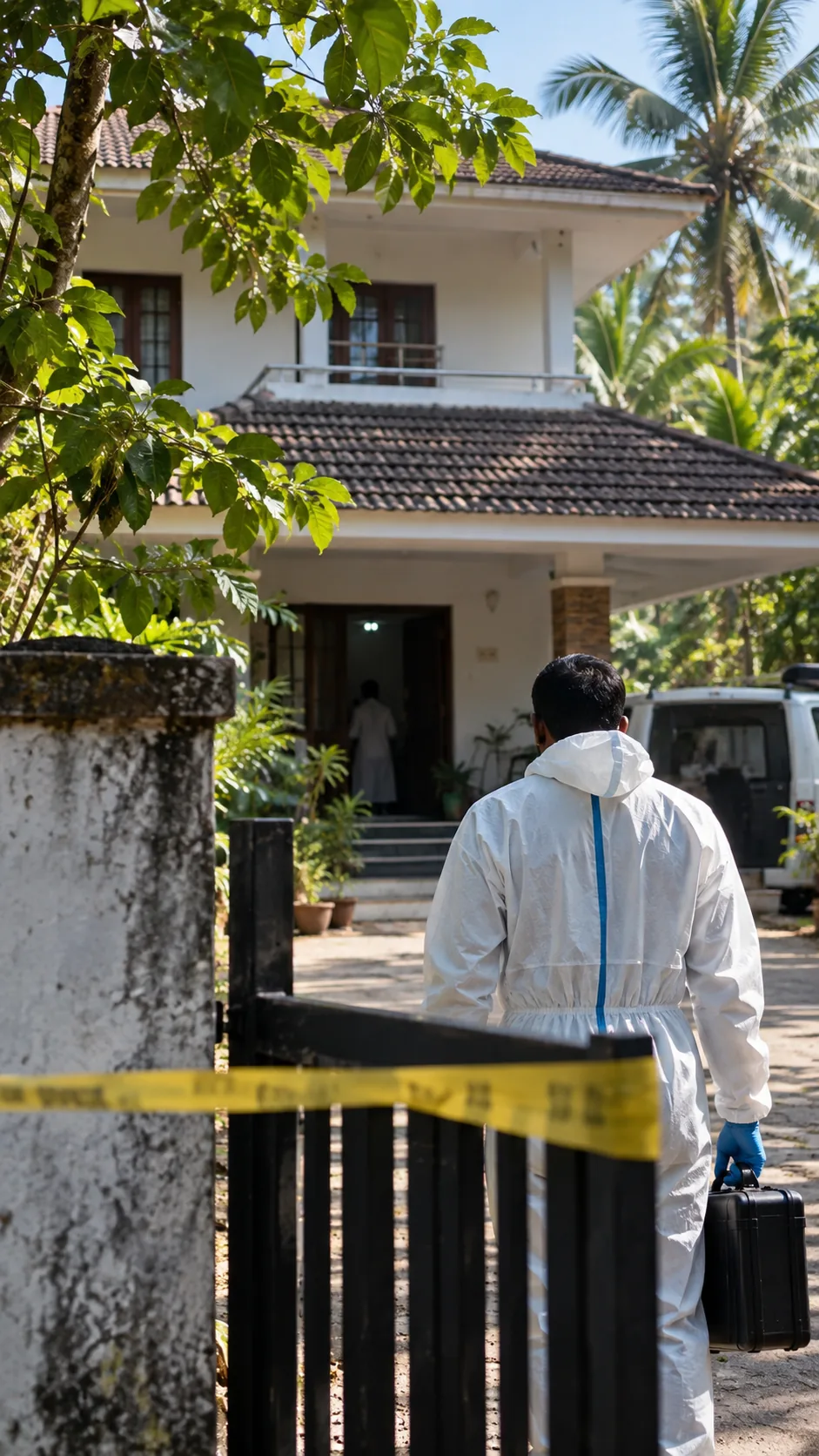
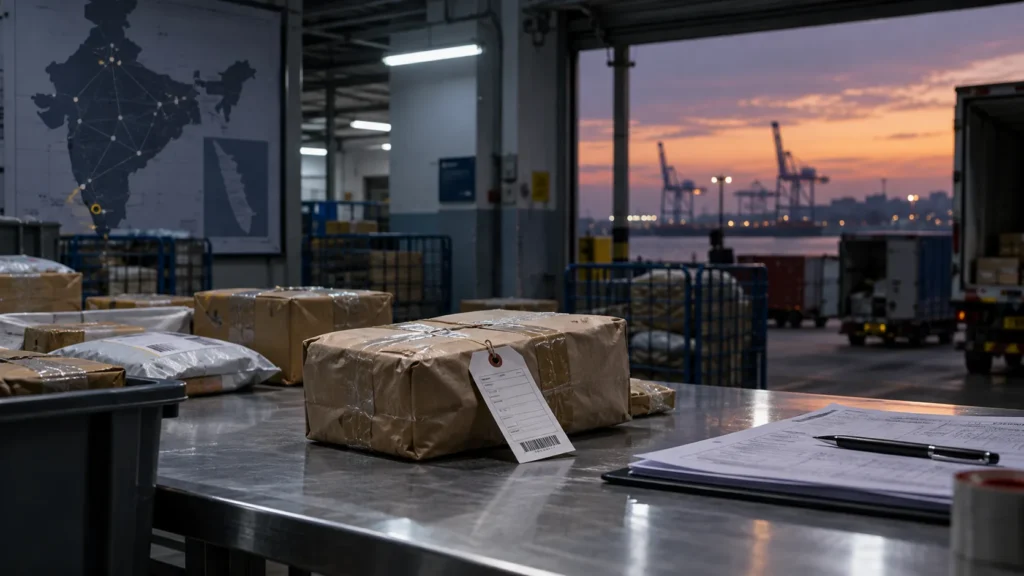
The official timeline is short. After weeks of surveillance, officers intercepted three postal parcels in Cochin on 28 June 2025 carrying 280 LSD blots. NCB said the booking traced to the suspect. A search of the house the next day, 29 June, recovered 847 more LSD blots and 131.66 grams of ketamine. Combined haul: 1,127 blots and 131.66 g ketamine.
The same search, per the press note, turned up a pen drive with a bootable OS the bureau named KITES OS and linked to darknet-market access, multiple cryptocurrency wallets, hard disks with incriminating files, and a hardware wallet holding about ₹70 lakh in USDT. Custodial wallets on platforms “such as Binance” were flagged for follow-up. Later reporting described analytics help from the exchange and from industry body DSCI. That is cooperation news, not a lesson in how coins work.
The Hindu later reported two registered cases: the 28 June parcels, and the house seizure. On 23 December 2025 NCB filed a chargesheet in the house-seizure case before the District Sessions Court, Ernakulam. Filing starts the trial track. It does not end it.
What “Level 4 vendor” does — and does not — mean
NCB called Ketamelon India’s only Level 4 darknet vendor then active. In the same note the bureau explained that darknet cartels talk in a 1-to-5-star register based on claimed potency and “customer service.” That is marketplace folklore quoted by police. It is not an official Indian grade and not a storey of the web.
The Marianas-Web iceberg meme is a different hoax. Level 4 in this file is a vendor-rank claim, not a hidden floor. Treat it as language NCB chose to describe reputation inside illicit shops — then stop. There is no public staircase to climb.
NCB also compared the bust with Zambada in 2023, which it had called the then-biggest darknet LSD cartel and the only 5-star-rated one in India. The same press note cites that earlier haul as 29,013 LSD blots, 472 g MDMA, ₹51.38 lakh cash and 14 arrests. Whatever one thinks of star talk, the comparison matters: Ketamelon was not India’s first documented darknet-drug case. It was a 2025 Kerala-centred sequel in a longer enforcement story.
FACT
NCB press release, 1 July 2025: 1,127 LSD blots, 131.66 g ketamine, about ₹70 lakh USDT in a hardware wallet. Estimated street value of the seized drugs about ₹35.12 lakh, with blots put at ₹2,500–₹4,000 each. About 600 shipments over the previous 14 months, NCB said, to Bengaluru, Chennai, Bhopal, Patna, Delhi and parts of Himachal Pradesh and Uttarakhand. Those figures are the bureau’s, not an outside audit.
What the documents list — and what gossip added
Crypto totals shift with the stage of the probe. July: roughly ₹70 lakh USDT on a hardware wallet, plus flagged exchange wallets. The Hindu in late December cited about ₹90 lakh in crypto assets from the June operation, and attached assets tied to Edison of more than ₹3 crore — a Muvattupuzha shopping complex valued around ₹85 lakh, cryptocurrency around ₹1.50 crore, and a property in Idukki. Different lists, different dates. Do not mash them into a single viral “empire” number.
Shipment counts deserve the same caution. The July release says 600 shipments in 14 months. Later stories floated a longer tally. Stick to the July NCB note as the primary public source. Turnover guesses in the crores that appeared in some outlets are not in that official release, so they stay out of this article as fact.
The December chargesheet, as reported, named four accused: Edison Babu, Arun Thomas, and two others newsrooms linked to the United Kingdom and Australia (Sandeep Sajeev and Harikrishnan Aji Nawas; spellings vary by paper). NCB spoke of MLAT requests and Interpol notices. A Varanasi-linked ketamine-supply name remained under investigation and was not immediately arraigned. That is an open thread, not a closed map of a cartel.
Crypto and post did not equal invisibility
The technical moral is small on purpose. NCB’s story is hidden-channel orders, digital-asset payments, ordinary mail. People who recite “crypto means the police go blind” collide with the bureau’s own line that custodial wallets on major platforms were identified. Later coverage of exchange assistance points the same way: when value touches a regulated venue, a trail can exist. That is all a reader needs. This page will not discuss wallet hygiene, coin choice or how parcels were packed.
The overseas supply claim is also on the record as an allegation, not a travelogue. NCB said product was sourced mainly from a UK-based vendor, Gunga Din, described as a reshipper for Dr. Seuss / DS / Tribe Seuss, which the bureau called the world’s largest LSD source. The 2023 Zambada note had already used that international name. Local vendor, foreign wholesale source — that is the shape of several Indian darknet-drug files, not a unique 2025 invention.
LSD, NCB reminded the public, is a colourless, odourless, tasteless hallucinogen sold as paper blots. Ketamine is a separate controlled drug. Both sit inside the NDPS Act. Buying, selling and posting them is a crime. A quiet suburban listing does not change the statute.
Myths the file does not support
Myth: A darknet shop cannot be reached by police. File: Parcels stopped, the booker was identified, the house was searched, devices and wallets were seized.
Myth: Ketamelon was India’s first such ring. File: NCB cited Zambada 2023 in the same press note. Other darknet-drug modules have been announced since.
Myth: “Level 4” is a state seal. File: Quoted vendor-rank talk.
Myth: Chargesheet equals guilt. File: As of the last widely reported court step in December 2025, charges were framed. A verdict is a later event. A name in a headline is not a sentence.
Cinema loves endless basements. This file has more post office than underworld cathedral. Horror padding does not make the documents longer.
FAQ
Is Ketamelon a website?
No. In NCB’s telling it is a vendor alias. This article will not point at shops.
When did Operation Melon happen?
Parcels on 28 June 2025, house search on 29 June 2025, press release on 1 July 2025, chargesheet in one of two cases on 23 December 2025 at the Ernakulam sessions court.
Have the accused been convicted?
Public reporting through late 2025 describes arrest, seizure and a chargesheet. A widely reported final verdict is not part of that record. Courts decide guilt.
Does Level 4 mean a fourth layer of the dark web?
No. That is an old iceberg meme. Here it is a vendor-rank phrase NCB quoted.
Where does NCB ask the public to share tips?
The same press note points to the MANAS helpline 1933, with a confidentiality claim. That is an official number, not a hidden-service tool.
Disclaimer
This article is not a guide to visiting the dark web, finding markets, configuring anonymity tools, moving crypto toward illegal goods, or obtaining drugs. Ketamelon and Operation Melon are discussed only as public enforcement claims and court reporting. Accused persons are presumed innocent until a court finds otherwise. Trafficking narcotics is a crime under Indian law. “Red room” pages and “unlock the next level” links are scams. Seeking illegal goods can itself be an offence.