Is the Dark Web Real? The Simple Answer Explained
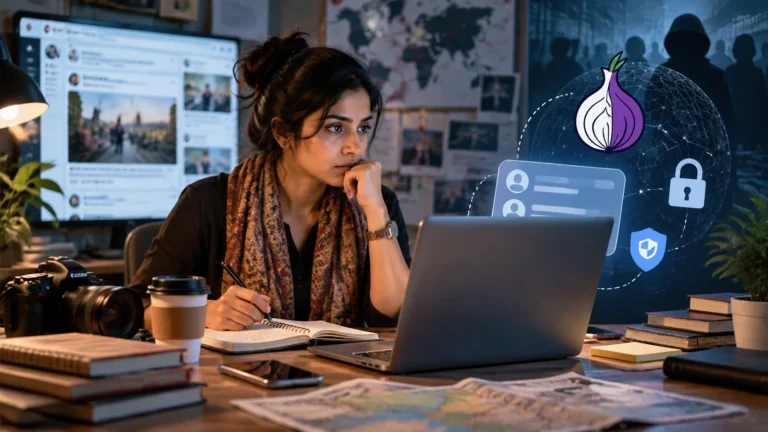
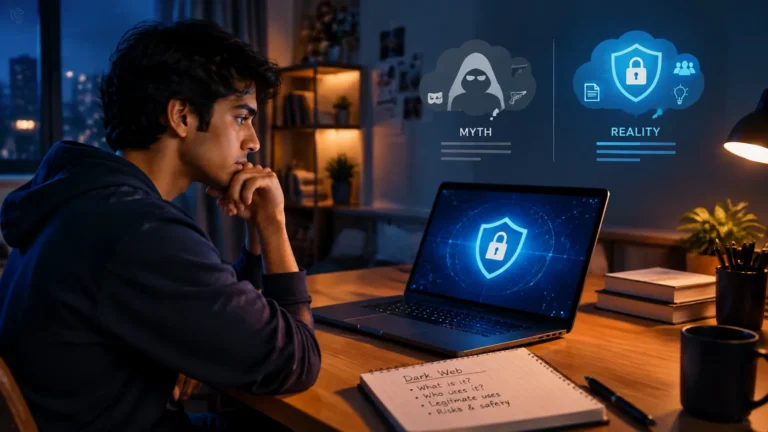
When people hear the word “dark web,” many imagine scenes from movies — secret rooms, mysterious criminals, hidden marketplaces, and a completely different internet world. But the real answer is much simpler. Yes, the dark web is real, but it is not the same as the dramatic version shown in movies, viral videos, and online rumors.
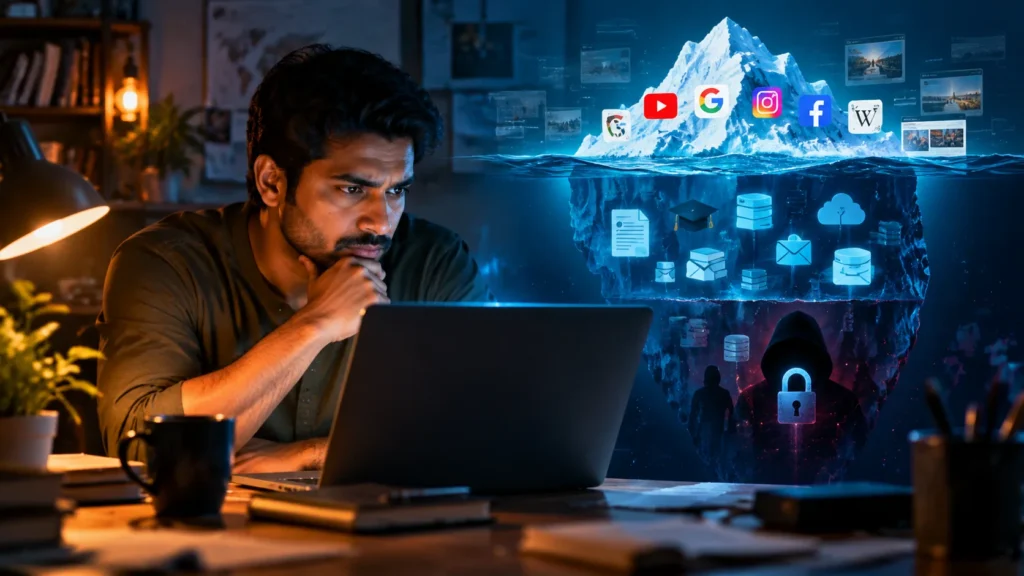
The internet is much bigger than what we see on Google Search every day. Search engines only show a part of the online world. Behind the public websites that we normally visit, there are many other types of online spaces that work differently. This is where terms like Surface Web, Deep Web, and Dark Web come into the conversation.
The biggest confusion is that people often mix these terms together. Some think anything hidden online is dangerous. Others believe every story about the dark web is true. Both ideas create unnecessary fear.
The dark web is a real part of the internet, but understanding it requires separating facts from fiction. It is a technology concept, not a movie-style secret universe. Like many technologies, it can be used for different purposes, and the way people use technology matters.
The internet already contains many private areas that are not visible in normal searches. Your email account, private cloud files, and online banking dashboard are examples of information that is not publicly searchable. That does not make them suspicious. Similarly, the existence of hidden online spaces does not automatically mean something illegal is happening.
The right question is not only “Is the dark web real?” The better question is “What is the dark web actually, and why do people misunderstand it so much?” Understanding the basics helps people avoid online myths and become smarter digital users.
Understanding Internet Layers: Surface Web, Deep Web and Dark Web
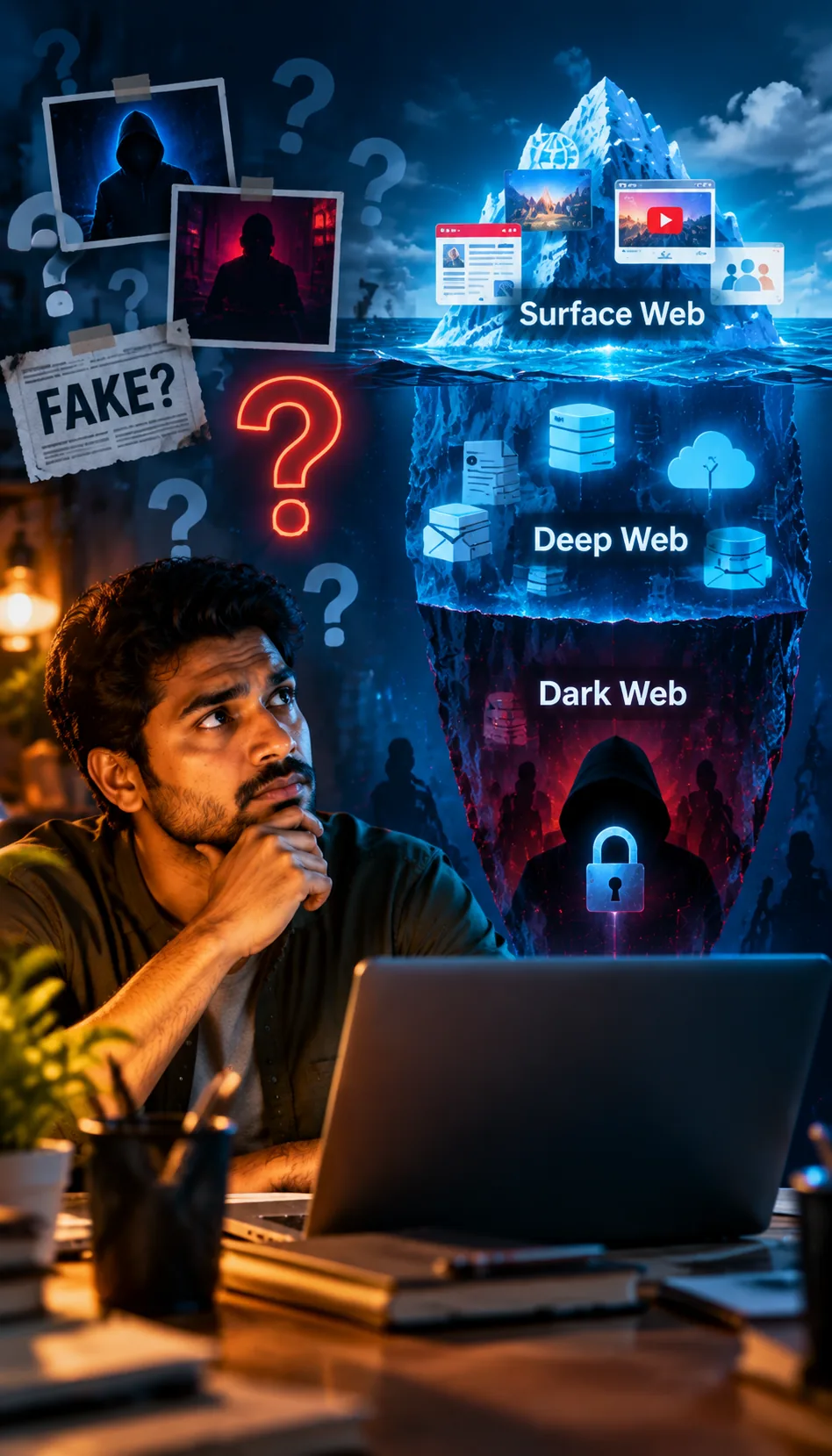
To understand whether the dark web is real or fake, first we need to understand how internet layers are commonly described.
The first layer is called the Surface Web. This is the internet most people know. News websites, public blogs, online articles, company pages, and publicly available information are part of this area. Search engines can usually discover and organize these pages, which is why users can find them easily.
The second layer is the Deep Web. This term often creates confusion because many people wrongly connect it only with illegal activity. In reality, Deep Web simply refers to online content that is not publicly indexed by search engines. It includes many normal things people use every day.
For example, your personal email inbox, private social media messages, online banking account, subscription dashboards, and private documents stored online are not visible through normal searches. They are part of the Deep Web because they require permission, login, or private access.
The third term is Dark Web. The Dark Web refers to a smaller part of the internet that is intentionally designed to remain hidden from normal search engines. It is associated with privacy-focused networks and special systems.
The important point is that Deep Web and Dark Web are not the same thing. Most private online information belongs to the Deep Web, not the Dark Web. Also, the existence of the Dark Web itself does not explain how every person uses it or what every activity there involves.
Many online discussions fail because they use “dark web” as a general word for anything mysterious on the internet. Learning these basic differences is the first step toward understanding the topic without fear or exaggeration.
FACT: The Biggest Myth About the Dark Web
FACT Box:
The dark web is a real internet concept, but many popular stories about it are exaggerated. Not everything hidden online is the dark web, and not everything connected with private online spaces is automatically illegal.
Why Movies and Viral Videos Make the Dark Web Look More Dangerous
The internet loves mystery. Topics that feel hidden or unknown often attract attention quickly. The dark web became popular in online discussions because it sounds secret and unusual. This created a perfect environment for movies, videos, and social media posts to add extra drama.
A common problem is that entertainment content and real technology information are often mixed together. A movie may show a fictional version of the dark web because it creates suspense. A viral video may use shocking words because those headlines get more clicks. Over time, fictional ideas can start feeling like facts.
One of the biggest myths is that the dark web is a completely separate internet controlled by unknown people. In reality, it is better understood as a technical part of online infrastructure with specific privacy features.
Another misunderstanding is that every dark web story shared online is verified. Many stories are repeated without reliable evidence. Some old internet rumors return again and again with new titles. Some videos combine real cybersecurity issues with imaginary details to create a dramatic story.
This does not mean online risks do not exist. Cybersecurity problems, scams, data leaks, and digital crimes are real concerns. But understanding real risks requires facts, not fear.
A balanced view is important. The dark web exists, but the internet stories around it are often much bigger than reality. Learning the difference helps people become more informed instead of simply scared.
Dark Web Real or Fake? Separating Facts From Internet Myths
The question “Is dark web real or fake?” is one of the most common searches people make because the topic feels confusing. The answer is that the dark web is real, but many claims about it are mixed with myths.
When a topic is unfamiliar, people often fill the information gap with assumptions. The same thing happens with the dark web. Some people believe every hidden website is dangerous. Others think every unusual story online must be true. Neither approach helps.
The reality is more complicated. Technology itself does not have a single personality. A communication tool, website, or network can be used differently by different people. The same internet that allows education, business, and communication can also be misused by some individuals.
That is why it is important to understand technology separately from human behavior. A tool existing does not automatically define every possible use of that tool.
Many viral posts about the dark web focus on fear. They use words like “secret,” “hidden,” or “dangerous” to make the topic more dramatic. But responsible digital awareness focuses on understanding how online systems work and how to stay safe.
The best way to approach this topic is with curiosity and caution. Instead of believing every shocking claim, users should ask simple questions: Is this information coming from a reliable source? Is there evidence? Is this explaining facts or just trying to create fear?
Digital awareness is not about knowing every hidden corner of the internet. It is about making smarter decisions in the online world.
Why Understanding the Dark Web Matters for Cyber Safety
Even if a normal internet user never interacts with the dark web, learning about it can improve overall digital awareness. Many important lessons connected with this topic are actually about everyday cybersecurity.
Modern life depends heavily on online services. People use digital payments, email, social media, shopping platforms, and online accounts every day. Protecting personal information has become an important part of normal life.
The biggest online risks for most people are not mysterious stories from movies. They are everyday problems like weak passwords, fake messages, unsafe links, careless sharing of personal information, and poor privacy habits.
The discussion around the dark web often reminds people that digital identity has value. Personal information, account details, and online activity should be protected carefully.
Another important lesson is not to react emotionally to online content. A scary video or viral message can create panic, but panic does not improve security. Awareness, verification, and good digital habits are much more useful.
Technology will continue changing. New terms will appear, new platforms will develop, and new online challenges will come. The best protection is not fear of technology but understanding technology.
A smart internet user does not need to know every rumor about the online world. They need to know how to question information, protect their privacy, and make careful choices.
Advice
The best way to think about the dark web is with a balanced mindset. Do not ignore online risks, but also do not believe every dramatic story you hear.
Whenever a new technology topic becomes popular, misinformation often grows around it. The dark web is a good example. Some people describe it as a complete mystery, while others dismiss all warnings as fake. Reality usually exists between these extremes.
Start with basic digital safety habits. Keep your accounts protected, use strong security practices, be careful about sharing personal information, and avoid trusting random claims just because they appear in a viral post.
Learning about the dark web should not be about fear or curiosity alone. It should help you understand how the internet works and why privacy matters.
A person who understands technology can make better decisions. They do not panic when they hear a new term, and they do not blindly believe everything online.
💡 Remember: The strongest cybersecurity tool is an aware user. Technology will keep changing, but careful thinking and good online habits remain useful.
FAQ: Common Questions About the Dark Web
Q1. Is the dark web actually real?
Yes. The dark web is a real technology concept. However, many stories about it online are exaggerated or mixed with fiction.
Q2. Is the Deep Web the same as the Dark Web?
No. The Deep Web includes private online content that search engines do not index, such as private accounts. The Dark Web is a smaller hidden part of the internet.
Q3. Is everything on the dark web illegal?
No. The technology itself is not automatically illegal. However, like other online platforms, some people may misuse technology for harmful activities.
Q4. Why do people talk so much about the dark web?
Because it sounds mysterious. Movies, videos, and social media often present it in a dramatic way, which increases public curiosity.
Q5. What should normal users learn from the dark web topic?
The main lesson is digital awareness. Protect personal information, verify online claims, and build safe internet habits.
Disclaimer:
This article is written only for education and digital awareness. It does not provide instructions for accessing hidden online services or participating in any activity. For cybersecurity concerns, always rely on trusted sources and professional guidance.