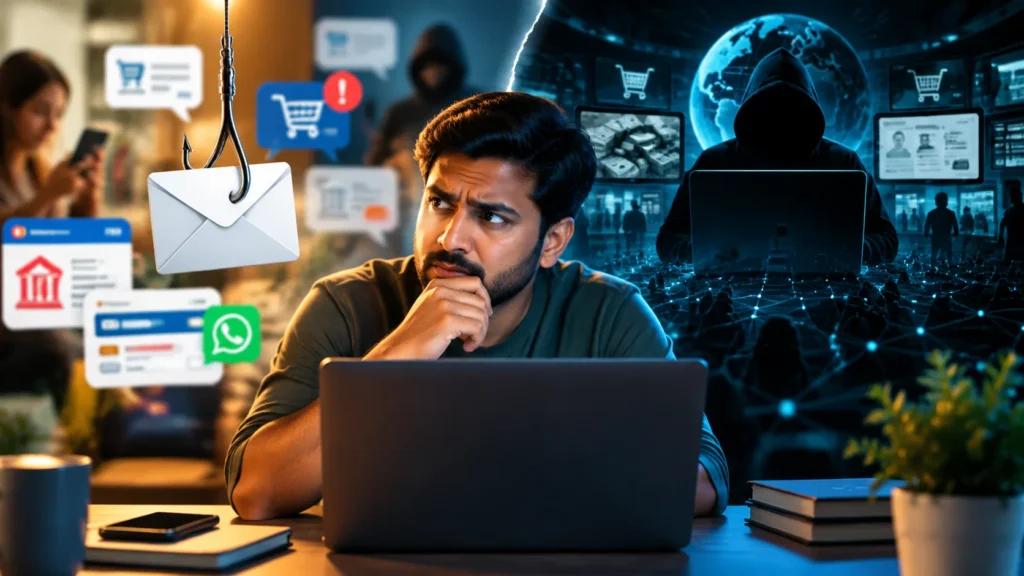
The Real Question: What Is More Dangerous for You?
The internet can feel scary sometimes. Words like dark web, hackers, stolen data, and cybercrime often create a picture of a hidden digital world full of danger. Many people imagine that the biggest online threats come from mysterious corners of the internet. But for ordinary users, the risks that actually appear in daily life are often much more simple and closer.
A suspicious message on your phone, a fake bank alert, a false customer support number, or a tempting offer can create more immediate problems than many movie-style stories about the dark web. This does not mean dark web-related risks should be ignored. It means we need to understand the difference between what sounds frightening and what regularly affects common internet users.
Phishing and dark web are often discussed together, but they are very different things. Phishing is a method used to trick people through fake messages, websites, calls, or online communication. The dark web is a part of the internet that is not normally visible through regular search engines.
For everyday users, cybersecurity starts with understanding the risks that appear during normal online activities. Knowing how scams work, questioning unexpected messages, and protecting personal information are often more useful than simply fearing unknown parts of the internet.
This article explains the difference between phishing and the dark web, why phishing is a common daily risk, and how ordinary users can develop safer digital habits.
What Is Phishing and Why Is It So Common?
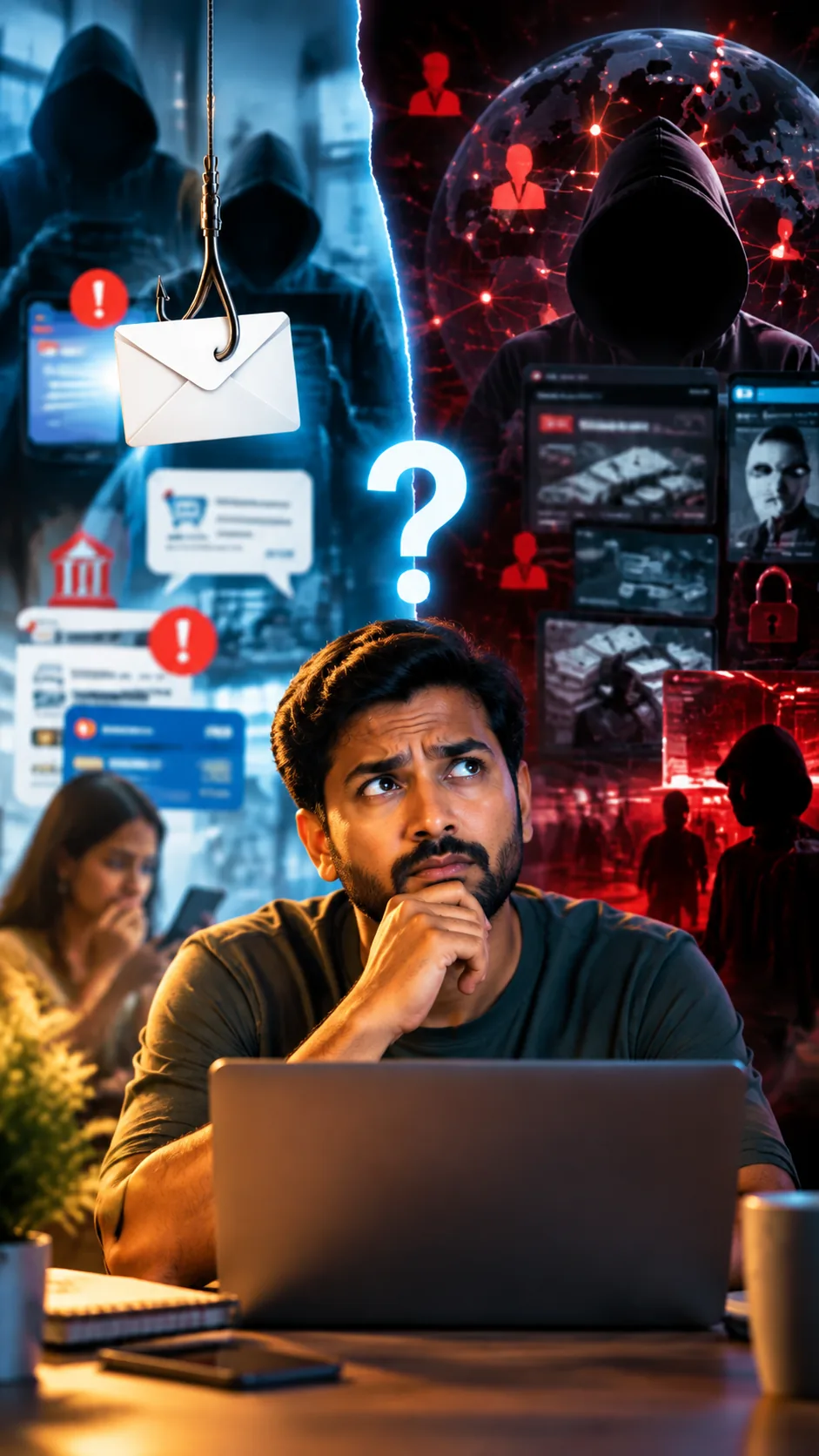
Phishing is one of the most common types of online fraud. In simple words, phishing means someone tries to pretend to be a trusted person, company, or service to make you reveal information or take an unsafe action.
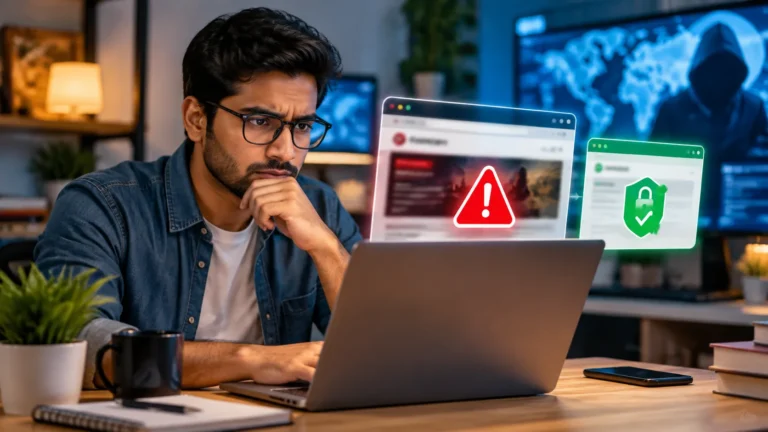
A phishing attempt can appear as an email, text message, social media message, phone call, or fake website. The message may look professional and may use familiar names like banks, shopping websites, delivery companies, or government-related services. The goal is usually to create trust or urgency.
For example, a message may claim that an account needs immediate verification or that an important update is required. Many people become victims because the message creates pressure. When someone is worried about losing access to an account or missing an opportunity, they may act quickly without checking.
Phishing is dangerous because it targets human behavior. Cybercriminals do not always need advanced technology when they can use confusion, fear, curiosity, or urgency. A simple fake message can sometimes cause serious problems.
Another reason phishing is common is that almost everyone uses digital services today. People shop online, use mobile banking, communicate through apps, and manage personal information through websites. Every online interaction creates a possibility for someone to attempt deception.
This is why learning about phishing is important for all age groups. Students, working professionals, business owners, and senior citizens can all face these attempts.
What Is the Dark Web and What Is the Reality?
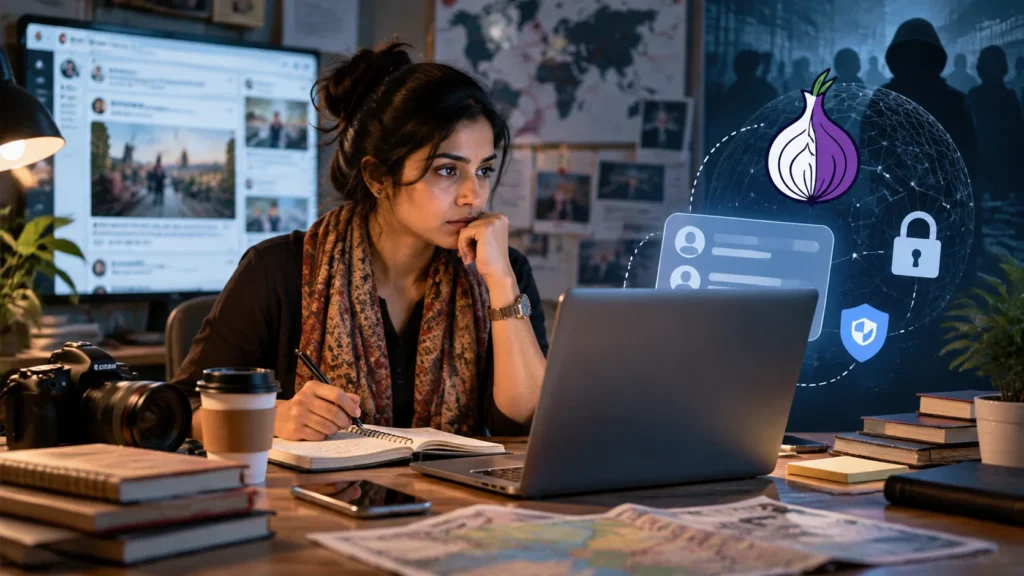
The dark web is a part of the internet that is not easily found through normal search engines. It exists within a different internet structure and is often discussed because some illegal activities have been associated with parts of it.
However, the reality is more complicated than popular stories suggest. The dark web itself is not a single place where every activity is automatically harmful. Like many technologies, the impact depends on how people use it.
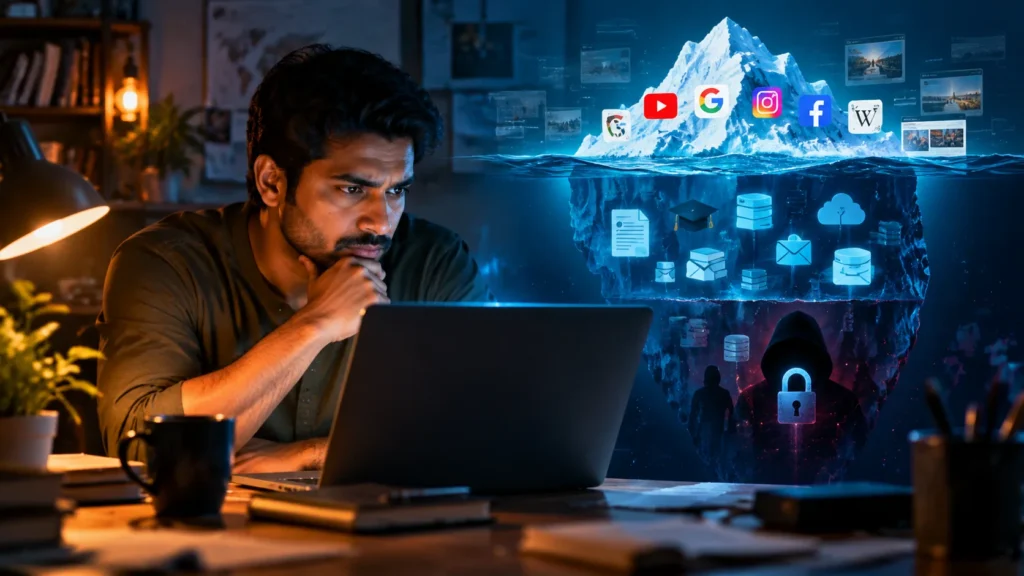
The internet is often explained through different layers. The Surface Web includes normal websites that appear in search engines. The Deep Web includes information that is not publicly indexed, such as private accounts and protected systems. The Dark Web refers to a smaller section that uses specific networks and access methods.
A major problem is that online discussions often exaggerate dark web stories. Movies, social media videos, and sensational content sometimes present it as a mysterious world where every dangerous activity happens. This can create unnecessary fear.
For ordinary users, the more practical question is not whether the dark web sounds dangerous. The better question is: what risks are most likely to affect my daily online life?
A person who uses a smartphone, email, online payments, and social media is much more likely to encounter everyday scams through normal internet channels than directly experience a dark web-related situation.
FACT: Cyber risks do not only come from hidden parts of the internet. Everyday threats like phishing messages, fake websites, and online scams on regular platforms can also affect users.
Key Differences Between Phishing and the Dark Web
The biggest difference between phishing and the dark web is that one is a technique and the other is an area of the internet.
Phishing is an action. It is a method used to manipulate people. The attacker tries to convince someone that a message, website, or communication is genuine. The focus is on deception.
The dark web is a part of internet infrastructure. It is not a scam method by itself. It can be connected with different types of activity, including some harmful activities, but the technology itself is separate from the actions people perform.
Understanding this difference helps people focus on realistic safety steps. A person does not need to think about every hidden corner of the internet to improve security. They need to build awareness around everyday digital choices.
For example, checking whether a message is genuine before responding, avoiding unnecessary sharing of personal details, and being careful with unexpected requests are practical habits.
The confusion happens because both topics are often connected with cybercrime discussions. However, the way they affect users is different. Phishing directly interacts with people through communication channels they already use. Dark web discussions are often more distant from the daily experience of most users.
Good cybersecurity education is not about creating fear. It is about understanding where attention should be placed.
Which One Is More Dangerous for Ordinary Users?
For most ordinary internet users, phishing is the more direct and common risk because it appears during normal online activities.
People check messages every day. They receive emails, notifications, advertisements, and social media requests. A phishing attempt can appear in these familiar places. It does not require someone to search for unknown parts of the internet.
The danger of phishing comes from its personal approach. A message can be designed to look like it comes from a trusted source. A person may believe they are solving a normal problem while actually responding to a scam.
The dark web, on the other hand, is usually not part of everyday online behavior for most people. Stories about it may sound alarming, but awareness should focus on practical risks that users commonly face.
This comparison does not mean dark web-related threats are unimportant. Data leaks, stolen information, and cybercrime activities connected with hidden networks can create wider security concerns. But for an individual user, daily habits often decide personal safety.
Think of online security like home safety. People usually protect their doors, avoid sharing keys with strangers, and stay alert around suspicious situations. Digital safety works in a similar way.
The strongest protection comes from understanding common threats instead of only worrying about unusual ones.
Common Phishing Risks You May See in Daily Life
Phishing attempts can appear in many forms because scammers try to match situations people already understand.
Fake banking messages are one example. A message may create urgency and make someone believe there is a problem with their account. Fake delivery updates, shopping offers, job messages, and customer support scams are other examples where people may be pressured into trusting false information.
Social media has also become an important place where scams can appear. A fake profile, suspicious message, or unrealistic offer may try to attract attention. People often trust messages more when they appear connected to familiar platforms.
Another reason phishing works is that it changes with current events. Scammers often use popular topics, trends, or common concerns to make messages appear believable.
The best response is not panic. It is careful thinking. Before sharing information or following instructions, users should ask simple questions:
Does this message make sense?
Was I expecting this contact?
Can I verify this through an official source?
These small checks can prevent many problems.
Cybersecurity does not require everyone to become a technology expert. It requires awareness and patience.
How to Build a Safer Online Mindset
A safer internet experience begins with a calm and practical mindset. Fear can make people ignore real problems because they focus only on dramatic stories. Awareness helps people make better decisions.
The first habit is slowing down. Many scams depend on urgency. If a message tries to force immediate action, take time to verify it.
The second habit is protecting personal information. Not every online request deserves a response. Personal details should be shared carefully and only when there is a clear reason.
The third habit is learning basic digital safety with family members. Older users and new internet users may need extra guidance because they may not recognize common scam patterns.
Strong passwords, security features, software updates, and careful browsing habits also support better protection.
The goal is not to become afraid of the internet. The internet provides many useful services and opportunities. The goal is to use it with awareness.
Advice
Focus on the risks that actually appear in your daily digital life. The dark web may sound mysterious, but your regular online habits often have a bigger impact on your personal safety.
Do not ignore cybersecurity simply because you do not visit unknown websites. A fake message, suspicious email, or dishonest online contact can appear anywhere. Being careful with normal internet use is one of the most valuable safety habits.
Always take a moment before responding to unexpected requests. Check information through official channels when something feels unusual. Avoid sharing sensitive details without a clear reason.
Teach family members about common online scams. A simple conversation can help someone recognize a suspicious message before it becomes a problem.
💡 Remember: The strongest digital protection comes from awareness, not fear. Understanding everyday risks helps you use technology with more confidence.
The internet is a tool. Like any tool, it becomes safer when people understand how to use it responsibly.
FAQ: Common Questions About Phishing and the Dark Web
1. Is the dark web always illegal?
No. The dark web is a part of internet infrastructure. Different activities can happen there, and some may be illegal, but the technology itself is not automatically illegal.
2. Can phishing happen only through email?
No. Phishing can happen through messages, phone calls, social media, fake websites, and other communication methods.
3. Which is a bigger everyday risk for normal users?
Phishing is often a more direct everyday risk because it targets people through platforms and services they regularly use.
4. Should people be afraid of the dark web?
People should stay informed about cybersecurity topics, but unnecessary fear is not helpful. Practical online safety habits are more useful.
5. How can I stay safer online?
Be careful with unexpected messages, verify information, protect personal details, and avoid making quick decisions under pressure.
Disclaimer: This article is for general cybersecurity awareness and educational purposes only. For specific security incidents or financial concerns, contact appropriate official services or qualified professionals.