 Vista
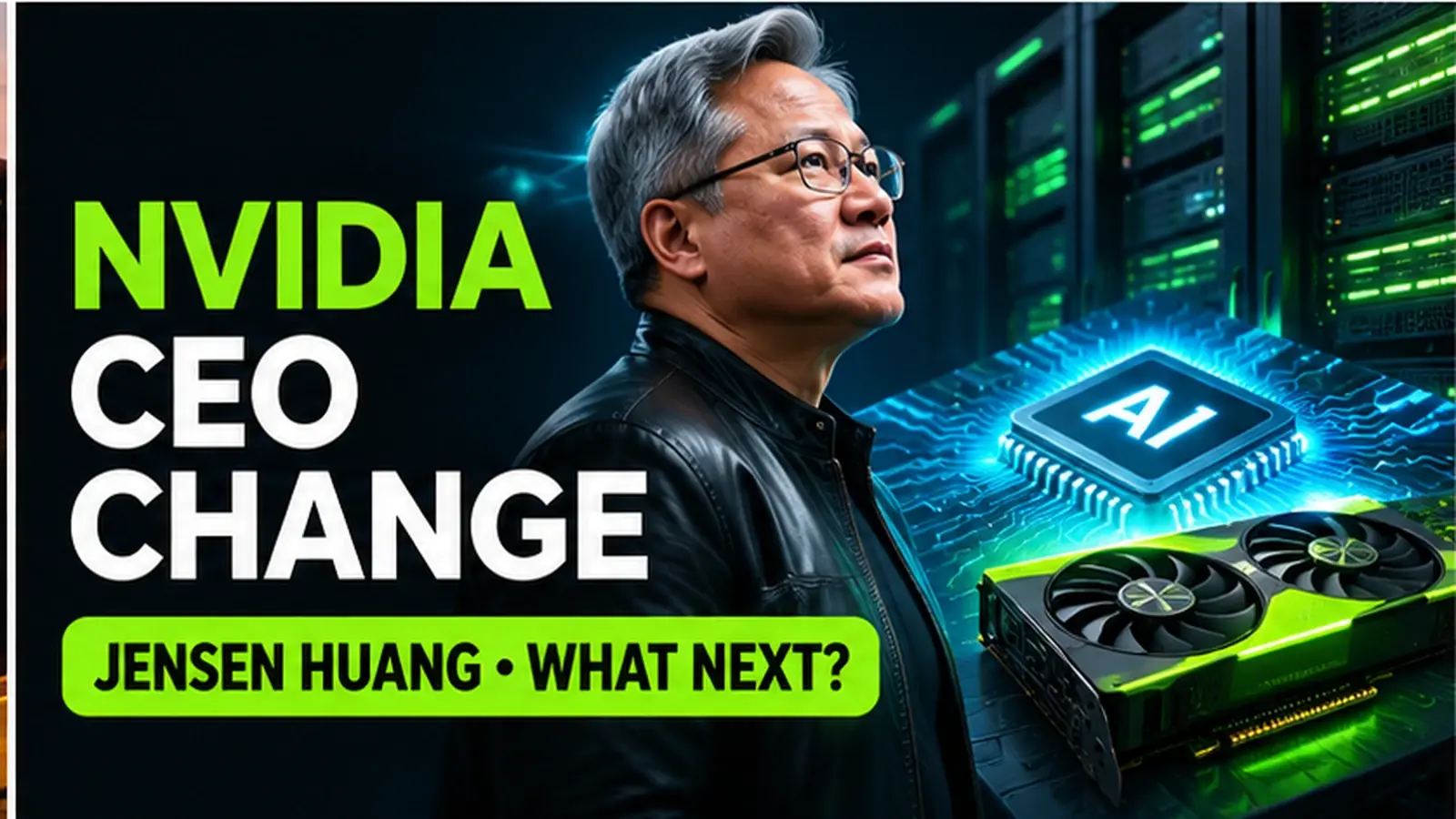
Updated: 23 November 2026. Jensen Huang is back as NVIDIA CEO. On 23 November 2026, the company announced his immediate reinstatement as president, chief executive officer and a board director, reversing a 12 November resignation that had placed CFO Colette Kress in the interim leadership role. Reuters reported that US President Donald Trump and investors were among those urging Huang’s return. That political context should be attributed to reporting; the decisive verified fact is the new corporate announcement. This explainer looks at what changed, the timeline, what happens to Kress, and the possible implications for the world’s leading AI-chip business, without presenting unproven allegations as established findings.
NVIDIA’s official 23 November announcement
NVIDIA announced that Jensen Huang has been reinstated as president, chief executive officer and a member of its board, effective immediately. This is an official leadership decision, not merely a rumour that he may return sometime in the future. The company statement changes the answer to a common search question: as of 23 November 2026, Huang is the company’s CEO again. The official wording also matters for investors comparing old and new stories. A report from 12 November correctly described his departure at that time, whereas a current report must reflect the reinstatement. Before quoting the chief executive’s name or role, read the latest newsroom release and note its date. Major corporate announcements can reverse earlier conditions within days.
The timeline from resignation to reinstatement
On 12 November, the company announced that Huang had resigned as president, CEO and director. It named chief financial officer Colette Kress as interim chief executive during the leadership transition. Our earlier NVIDIA resignation explainer covered that first change. Within less than two weeks, however, the company reversed direction. On Monday 23 November, the board’s announcement returned Huang to his previous roles. These are two separate news events with different reader intent: the first concerned what happened when Huang left; the second answers why and how he has returned. Readers should check publication dates before deciding that an article is inaccurate or out of date.
Where Donald Trump fits into the story
Reuters reported that President Donald Trump and prominent investors had pressed for Huang’s return. NVIDIA is a private-sector public company, so political support does not itself confer the legal authority to appoint a chief executive. That corporate decision belongs to the board under applicable governance arrangements. Huang’s long role in AI computing, high-end chips and debates over American export rules makes the company’s leadership politically prominent. Nonetheless, distinguish a politician’s stated preference from a formal board resolution. Avoid repeating a dramatic quotation unless it can be traced to a reliable original statement. Speculation about private conversations should not be treated as proven just because it circulates widely. The confirmed outcome is reinstatement; the detailed motivations may require further disclosures.
What happened to interim CEO Colette Kress?
Kress temporarily took on chief executive duties after the original resignation while also serving as CFO. The latest reinstatement returns Huang to the top executive position; reporting says Kress continues as chief financial officer. A change of CEO does not erase the finance organisation, existing business plans or financial-reporting responsibilities. Investors should use current corporate sources for executive titles instead of relying on an older biography or search snippet. If NVIDIA publishes a new management chart or formal filing, that should determine the precise current distribution of responsibilities. The leadership reversal is especially important for people seeking a list of current NVIDIA executives, as the answer changed between 12 and 23 November.
Why Huang’s return matters to AI computing
NVIDIA supplies GPUs and related computing tools widely used in artificial intelligence research, cloud data centres, gaming and scientific workloads. Huang has been closely associated with the company’s product roadmap, software ecosystem and public communications about accelerated computing. Leadership uncertainty can therefore influence perceptions of customer relationships, technology strategy and succession planning. His return may reassure some market participants about continuity, but it does not guarantee sales growth or prevent competition. Demand from large cloud firms, export controls, manufacturing capacity, product performance and customers’ return on AI spending remain central business factors. Investors should separate operational fundamentals from personal headlines and consider whether future company statements change guidance, contracts or financial expectations.
The governance questions are not automatically over
A rapid resignation and return naturally raises questions for shareholders about oversight and the board’s evaluation. Reporting about Huang’s private conduct and alleged security concerns should be attributed carefully; allegations are not automatically established facts. The company’s reinstatement confirms that a leadership decision has been made, not that every question or inquiry surrounding the earlier departure is resolved. Useful follow-up disclosures would explain any continuing review process, governance arrangements and succession plan. Avoid assuming that the board abandoned every concern or that political pressure alone explains its actions. A good corporate governance analysis asks what was disclosed publicly, which statements are official, which remain reported allegations and what investors can verify independently.
What might happen to NVIDIA stock?
Contemporary market coverage linked the return with a strong response in shares and other AI-related stocks. Yet price changes can reflect many forces, including interest rates, sector momentum, earnings estimates, broader market positioning and reactions to new policy information. If reading a percentage move, check whether the quote is pre-market, intraday or the official close and verify its timestamp. An analyst target is not the same as an actual trading price, and a positive first reaction is no guarantee of a lasting rally. Long-term investors should continue to review the company’s filings, supply relationships, export exposure and future earnings. One news event, however dramatic, should not be the sole basis of an investment decision.
Frequently Asked Questions
Is Jensen Huang NVIDIA CEO now?
Yes. NVIDIA’s announcement dated 23 November 2026 reinstated him as CEO and president.
When did he resign?
The original departure was officially announced on 12 November 2026.
Who served as interim CEO?
Colette Kress, the chief financial officer, held the interim CEO role.
Did Donald Trump call for Huang’s return?
Reuters reported political and investor pressure for a return; the board carried out the appointment.
Does the return guarantee higher share prices?
No. Stock prices remain exposed to company performance, valuation and broader market risks.
Sources and caution
Official sources: NVIDIA reinstatement press release, 23 Nov 2026, NVIDIA resignation announcement, 12 Nov. Independent context: Reuters. Updated 23 November 2026. Informational analysis only; not investment advice.
























Share Your Opinion
Comments are closed on this post.