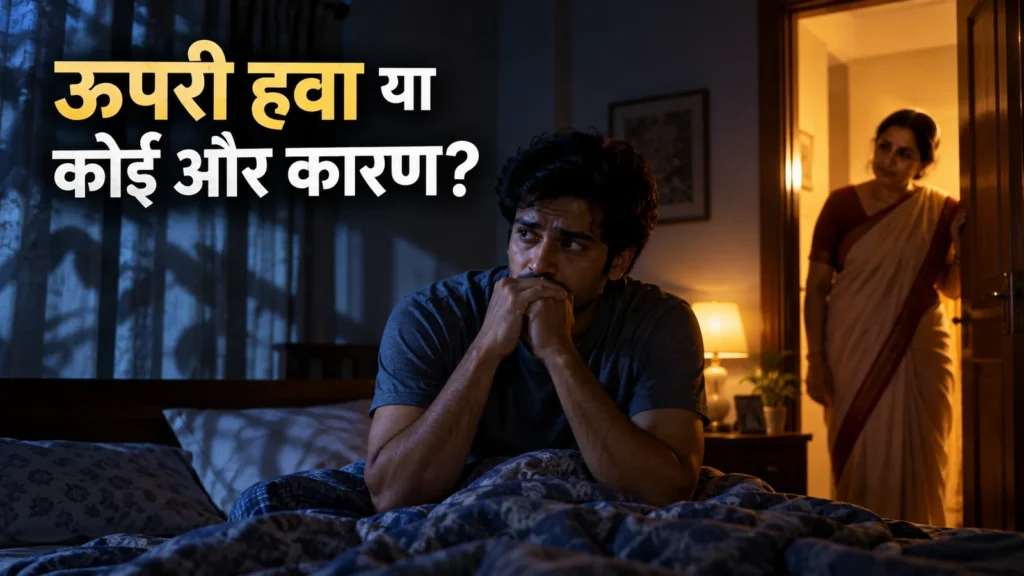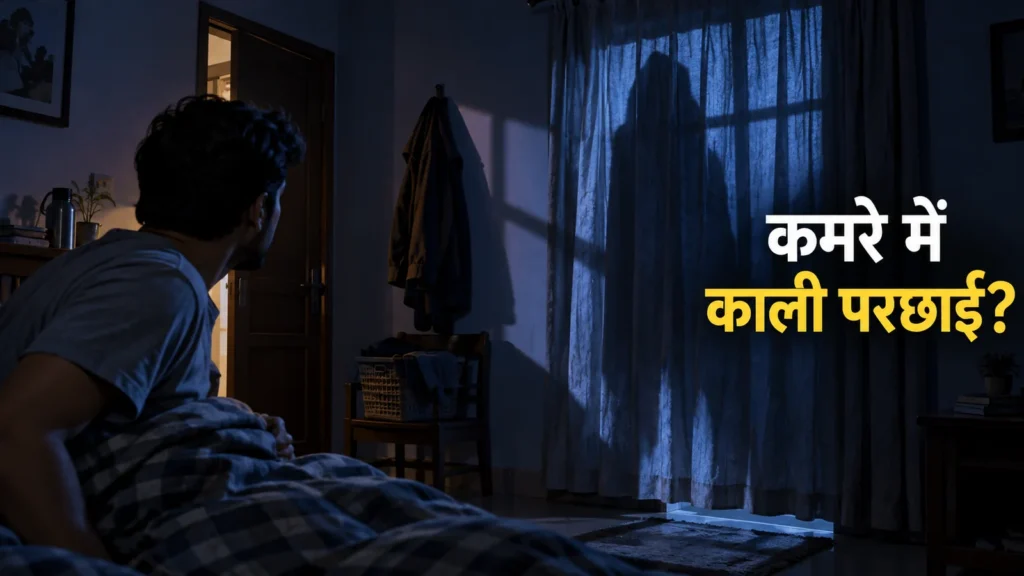
It is the middle of the night. The house is completely quiet, except for a sudden light creak coming from the hallway. Your heart begins to race, cold sweat forms on your forehead, and you pull the blanket tightly over your head, convinced that an unseen presence is lurking in the shadows. For millions of people around the world, nighttime brings an overwhelming sense of dread that shatters peaceful sleep and leaves them exhausted by morning.
When searching for effective ghost fear at night remedies, you will encounter a vast array of suggestions on the internet—ranging from burning incense and scattering salt to buying expensive talismans or reciting complex spells. However, understanding why nocturnal fear takes root requires looking beyond viral clickbait. Nighttime fears stem from a blend of ancient cultural beliefs, deep-seated human evolution, and the subtle mechanics of the human subconscious mind.
This article offers a balanced, analytical exploration of nighttime fear. We examine traditional remedies—such as keeping sacred texts or symbolic objects near your pillow—through both cultural and psychological lenses, alongside practical sleep hygiene steps to help you restore calm and achieve restful sleep.
Cultural Roots & Folklore: Why We Keep Symbolic Objects Near the Pillow
[Layer: Folklore & Cultural Belief] Across South Asia and many global traditions, the practice of placing specific symbolic items under or beside one’s pillow at night is an ancient custom designed to ward off unseen harm. Families traditionally pass down recommendations to keep items like a small booklet of the Hanuman Chalisa, sacred scriptures (such as the Bhagavad Gita, Bible, or Quran), a small piece of iron, sea salt, or fresh tulsi leaves near the headboard.
In folk traditions, these objects were viewed as apotropaic shields—items believed to possess innate spiritual purity capable of repelling negative entities, evil eyes, or restless spirits (often referred to in regional folklore as preta or daakini). For generations, these customs provided immense emotional comfort, giving adults and children alike a tangible sense of divine protection in pitch-black surroundings before the advent of electricity and modern psychology.
Core Claims vs. Psychological Reality: Why Darkness Triggers Panic
[Layer: Psychology & Mental Health Context] While traditional stories attribute nighttime dread to supernatural forces, modern cognitive science and sleep medicine explain these experiences through evolutionary biology and psychological processes:
- Hypervigilance in Darkness: Humans are diurnally adapted creatures. When lighting vanishes, our visual acuity drops significantly, prompting the brain’s fear center—the amygdala—to heighten alertness. In the dark, harmless ambient sounds, such as wood expanding or wind blowing against a window, are easily misidentified as threats.
- Pareidolia and Pattern Recognition: The human mind is hardwired to find familiar patterns, especially human faces and figures. In low-light environments, shadow shapes created by coats, curtains, or furniture are readily interpreted by a stressed brain as human shapes or spirits.
- Hypnagogic Hallucinations and Sleep Paralysis: During transitions between wakefulness and sleep (the hypnagogic state) or during REM sleep inertia, the brain may experience vivid sensory misinterpretations. Sleep paralysis occurs when the body remains temporarily immobile while conscious awareness returns, often accompanied by chest pressure or perceived shadows—phenomena historically blamed on night spirits across every human culture.
- Subconscious Priming: Consuming horror movies, eerie online videos, or dark local legends leaves lasting psychological impressions. Late at night, when sensory input drops, the subconscious mind surface these stored images and narratives.
FACT BOX: Myth vs Reality on Night Fear Remedies
- Folklore Belief: Placing a sacred text or iron object near your pillow creates a magical forcefield that physically repels ghosts.
- Psychological Reality: Symbolic objects act as cognitive “anchors” that signal safety to the parasympathetic nervous system, helping reduce heart rate and anxiety.
- Supernatural Claim: Sudden room temperature drops and floor creaks are definitive evidence of ghost activity.
- Scientific Fact: Temperature variations and building noises are standard physical occurrences caused by thermal contraction and HVAC systems.
- Scam Language Warning: Be cautious of commercial claims promising “100% instant ghost removal” or selling expensive magical rituals; fear management relies on mental conditioning and sleep hygiene.
- Clinical Perspective: Persistent, debilitating terror that severely disrupts sleep should be evaluated by a healthcare professional, as it may stem from anxiety disorders, PTSD, or sleep apnea.
The “Pillow Tip” Analysis: How Sacred Books and Anchors Calm the Mind
[Layer: Psychological & Behavioral Analysis] One widely discussed folk remedy involves placing a sacred book or inspirational text—such as the Bhagavad Gita, Ramayana, Quran, Bible, or a positive philosophy book—next to your pillow before sleeping. While viral posts frame this as an absolute supernatural defense, its real effectiveness lies in behavioral psychology and cognitive grounding.
Here is how keeping a positive or sacred text near your pillow aids in overcoming nighttime fear:
- Positive Subconscious Anchoring: Sacred texts are mentally linked with peace, divine order, morality, and safety. Keeping such an item in physical contact or immediate view serves as a visual and tactile reassurance that offsets feelings of isolation.
- Cognitive Reframing: When fear strikes, shifting your attention toward a physical object of reverence shifts your internal focus from dread (“What if something is watching me?”) to protection and grounding (“I am safe and supported”).
- Placebo and Conditioning: Establishing a consistent bedtime routine that includes placing a calming symbol near your bed trains your brain to transition into a restful state, lowering cortisol levels over time.
- Mind Diversion: Nighttime panic thrives in an idle mind. Having a meaningful book nearby invites you to read a few uplifting passages before closing your eyes, occupying your cognitive space with constructive ideas rather than fear.
Practical Night Remedies: Sleep Hygiene, Mindset & Health Support
[Layer: Practical Comfort & Health Recommendations] If you are seeking reliable ghost fear at night remedies, combining symbolic comfort with proven sleep hygiene and psychological grounding offers the most effective path forward:
1. Optimize Your Sleep Environment
Avoid sleeping in absolute pitch darkness if it triggers your anxiety. Use a soft, warm night light or dim lamp to eliminate severe shadows that feed visual misinterpretations. Ensure your room is tidy, as cluttered clothes hanging on doors frequently resemble figures in dim light.
2. Practice Evening Media Hygiene
Refrain from consuming horror cinema, true-crime documentaries, or paranormal forum discussions at least 3 to 4 hours before bedtime. Replace late-night screen time with relaxing activities like listening to calm instrumental music, light stretching, or reading inspirational literature.
3. Utilize Grounding Techniques and Positive Affirmations
When you feel panic rising, practice the 4-7-8 breathing exercise: inhale quietly for 4 seconds, hold your breath for 7 seconds, and exhale slowly for 8 seconds. Repeat calm, factual affirmations to yourself: “I am completely safe in my room,” “These house noises are normal,” and “My mind is calm.”
4. Communicate Openly and Avoid Self-Medication
Do not suffer through nighttime terror in isolation or rely on alcohol or unprescribed sedatives to force sleep. Sharing your feelings with family members or a partner reduces emotional burden. If anxiety or sleep paralysis persists and hinders your daily life, consult a medical doctor or licensed mental health professional for proper guidance.
FAQ
FAQ
Can keeping a sacred book near my pillow completely eliminate my fear of ghosts at night?
Keeping a sacred book or positive symbol near your pillow serves as a psychological anchor that calms your subconscious mind and reinforces feelings of safety. However, it operates through psychological reassurance and behavioral conditioning rather than magical intervention. Combining this practice with good sleep habits yields the best results.
What items are traditionally kept near the pillow for protection, and why?
In traditional folklore, people often place items like sacred scriptures (such as the Bhagavad Gita, Bible, or Quran), small prayer booklets (like the Hanuman Chalisa), iron keys, sea salt, or tulsi leaves near the pillow. Culturally, these are revered as symbols of spiritual defense; psychologically, they offer tangible emotional grounding and comfort.
Why do ghost fears and strange noises feel much more intense at night?
At night, environmental sensory input drops significantly, making ambient sounds seem louder. Darkness reduces visual clarity, causing the brain’s threat-detection system (the amygdala) to become hyperactive and interpret ordinary shadows or structural house creaks as potential danger.
What should I do if I experience sleep paralysis or sense a dark presence?
During sleep paralysis, remain calm and remind yourself that it is a brief, harmless neurological delay between REM sleep and waking consciousness. Focus on wiggling a small muscle, such as a finger or toe. To reduce recurrences, maintain a consistent sleep schedule and avoid sleeping flat on your back.
Is it necessary to read the book near the pillow, or is its presence enough?
Reading a few positive, reassuring pages before sleep actively engages your mind and displaces anxious thoughts. However, even simply placing the book nearby serves as a visual and physical reminder of safety that helps relax the subconscious mind.
Disclaimer: This article provides cultural, psychological, and analytical perspectives on nighttime fears and traditional remedies. It does not constitute medical, psychological, or occult advice. Curses, spirit attacks, and supernatural remedies are matters of personal belief and cultural folklore, not verified scientific facts. No absolute guarantees are offered. If nighttime fear, anxiety, or sleep disturbances significantly impact your well-being, please consult a licensed healthcare or mental health professional.