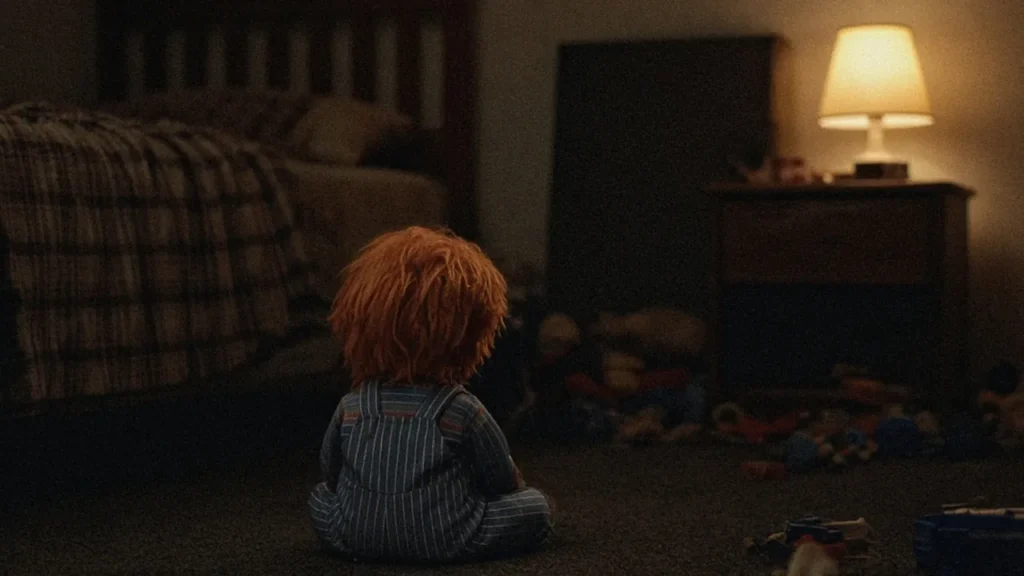
The line is easy to keep. Hi, I’m Chucky. Wanna play? The search is even flatter — Chucky doll, Chucky real story, Chucky vs Annabelle. All three walk into the wrong house when people type ghost. Chucky is not a ghost. He is a dead serial killer who forced a soul into a toy while he died. The difference looks small. The story stands on it.
1988’s Child’s Play is Don Mancini’s story, Tom Holland’s film, Brad Dourif’s voice. Charles Lee Ray — the Lakeshore Strangler — runs from police, speaks a ritual, and folds himself into a doll box. A mother needs a cheap gift. A boy needs a friend. Out of the box comes the same smile that sat on a store shelf.
A soul in a toy, not a grave in a house
A classic ghost stays put. Chucky changes rooms because he wants a new body. Voodoo here is not mood. It is a machine — a rule for jumping from one body to the next. Later films bend the rule. The core does not move: a man is talking from inside plastic. That is why he is not Annabelle. Annabelle’s case is a claim with thin proof. Chucky’s box is openly fiction, and the script says so.
Pennywise swallows a town. Chucky swallows a bedroom. No drain — just the space under a bed. In India, “real doll incident” dumps both on one page. Landing on one page is a search habit. Calling them one creature is the error.
The shop, the child, the police who will not believe
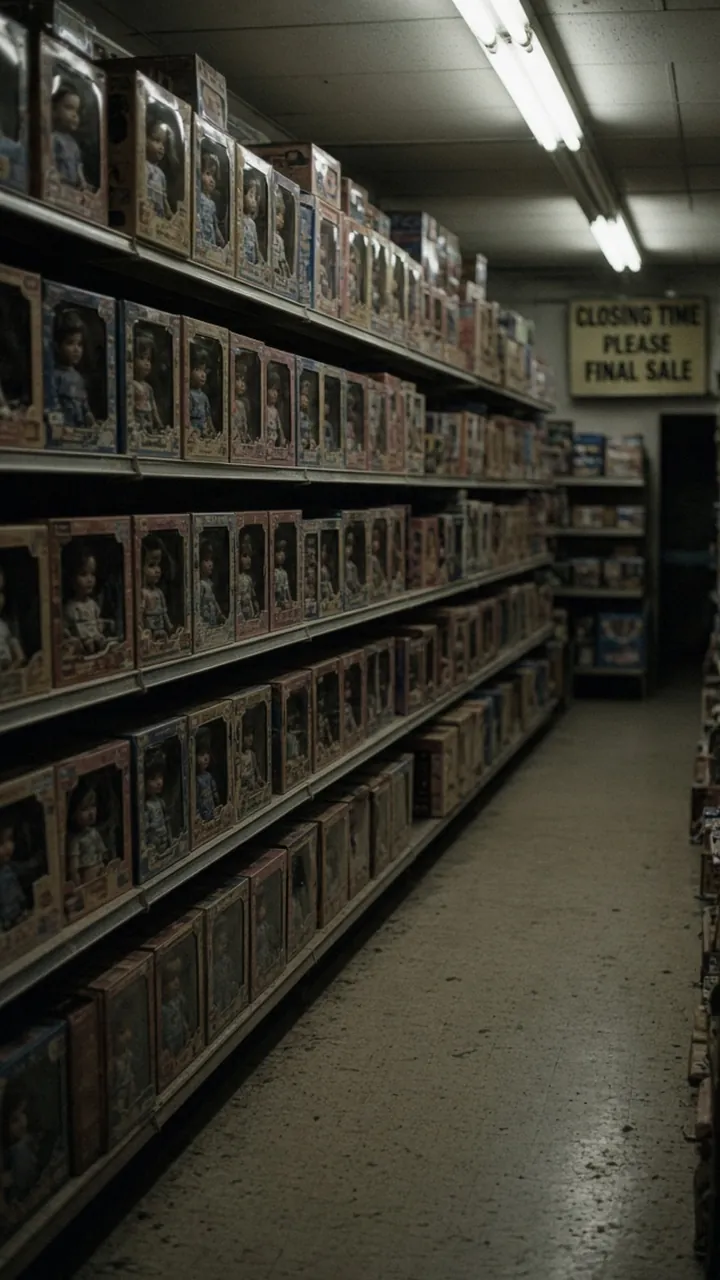
The first film scares less with murders than with disbelief. The mother sees it. Police laugh. A TV ad repeats the sentence the killer already spoke. The 1980s toy rush — talking dolls, Christmas aisles, a smile on a box — becomes a weapon in one season.
Sequels cut the doll, stitched it, married it. Bride of Chucky added Tiffany. Seed built a family. A later series sat the same mouth in a TV living room. The 2019 reboot is another creature — not a soul, a smart toy. Old Chucky runs on ritual. New Chucky runs on code. Search gives both one name. A page should not make them one life.
The franchise does not live because every chapter scares. It lives because the doll can talk. A talking toy was an ’88 dream. Mancini turned the dream over. Smart-toy ads still sell the same sentence — friend, pal, always. Chucky is the black end of that sentence. That is why the search runs all year, not only in October.
Is Chucky real?
Toys like that sold in shops. Charles Lee Ray is fiction. The soul-jump is fiction. Pages that wave a “real Chucky doll” usually show a collector piece or a studio prop. A prop can be a real object. It does not hold a strangler.
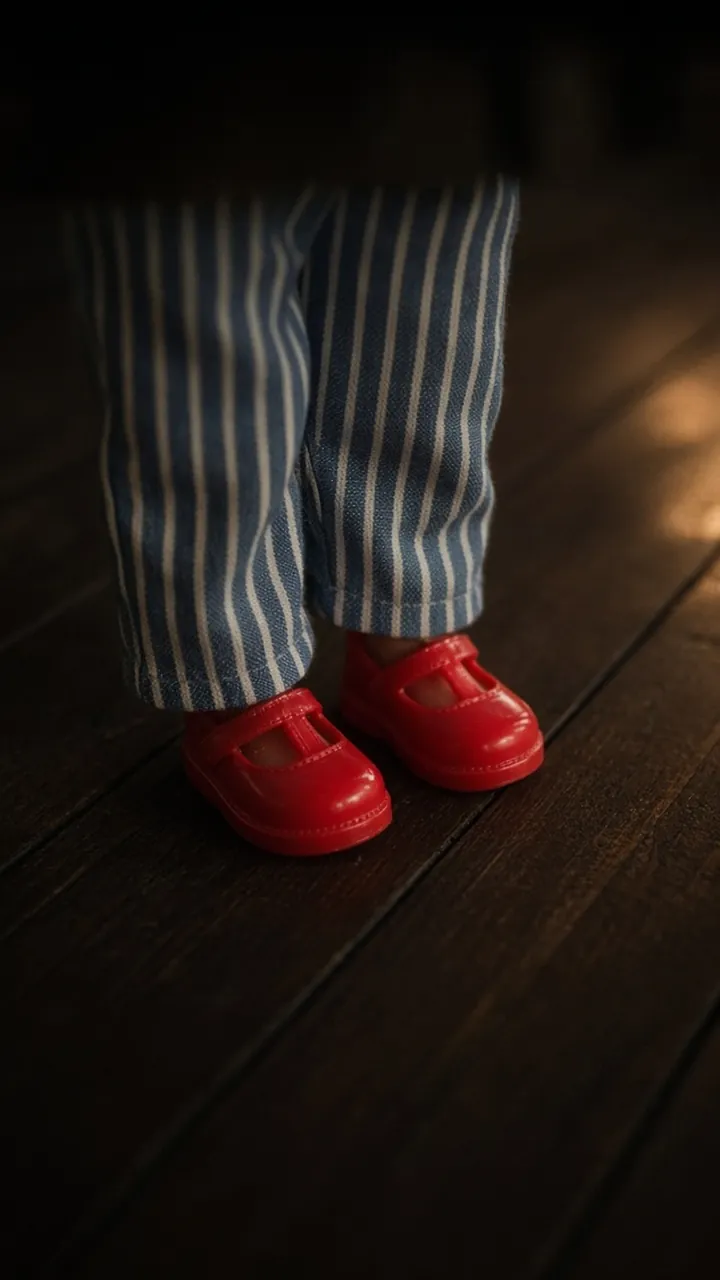
The Nun wears holy cloth. Chucky wears a child’s cloth — overalls, red hair, a friend’s sentence. The threat walks in where a house is least awake. That is why the Halloween costume holds. The mask is cheap. The line is cheap. The fear feels expensive because it stands by the bed.
Put Annabelle beside him and you get a lock and a box. Put Chucky beside her and you get a battery and a smile. The lock says do not touch. The smile says play. Search tags both as “doll ghost.” The tag is false. One is a claimed object. One is a scripted killer. This page exists to peel the tag off.
Someone typing Chucky true story at night needs three lines. The toy was sold. The killer is a script. The jump of a soul is a rule on a screen. The rest is a line to remember. The invitation to play is fiction. The doll on the floor can be only plastic. Do not make plastic a man — unless the projector is running.