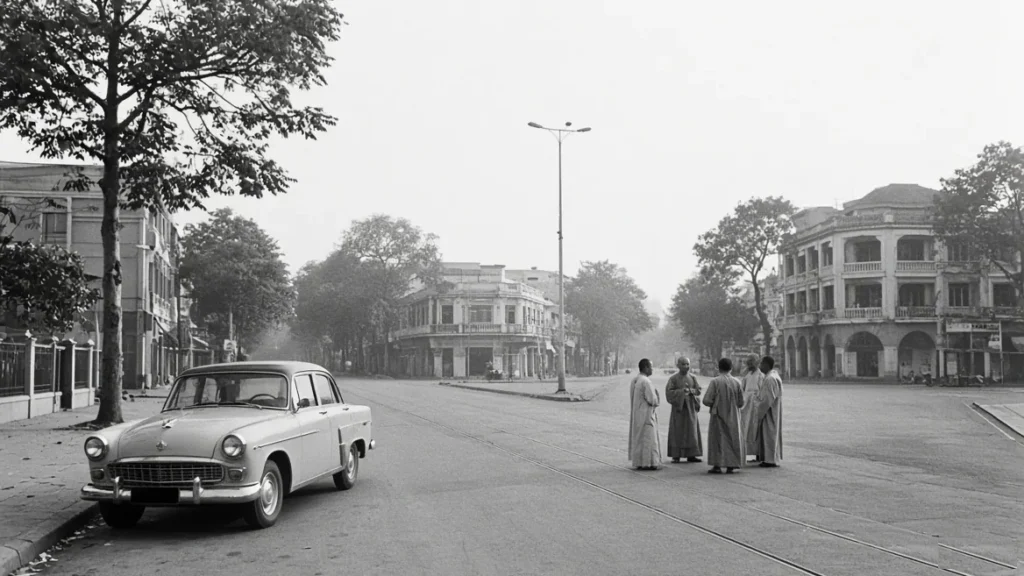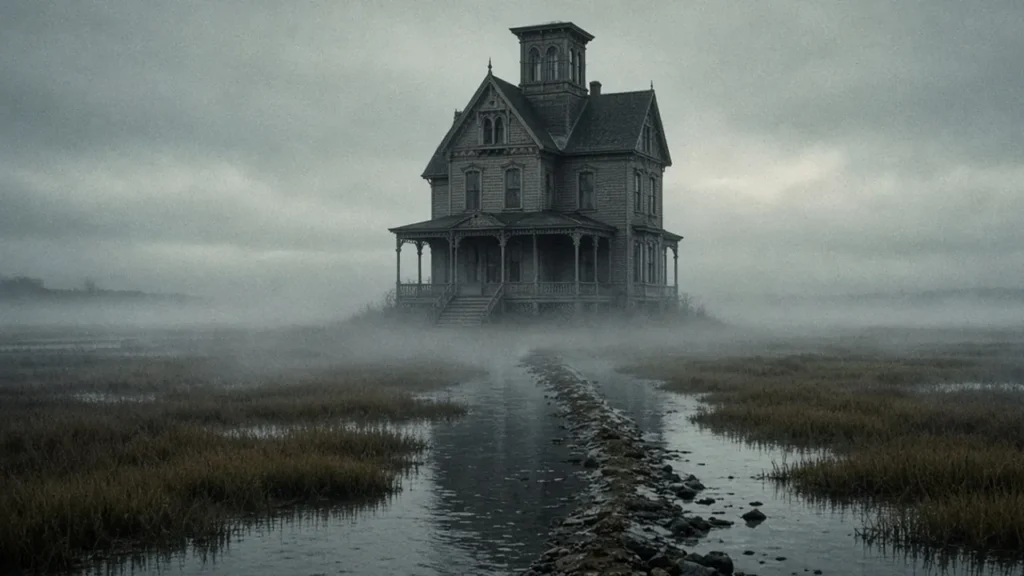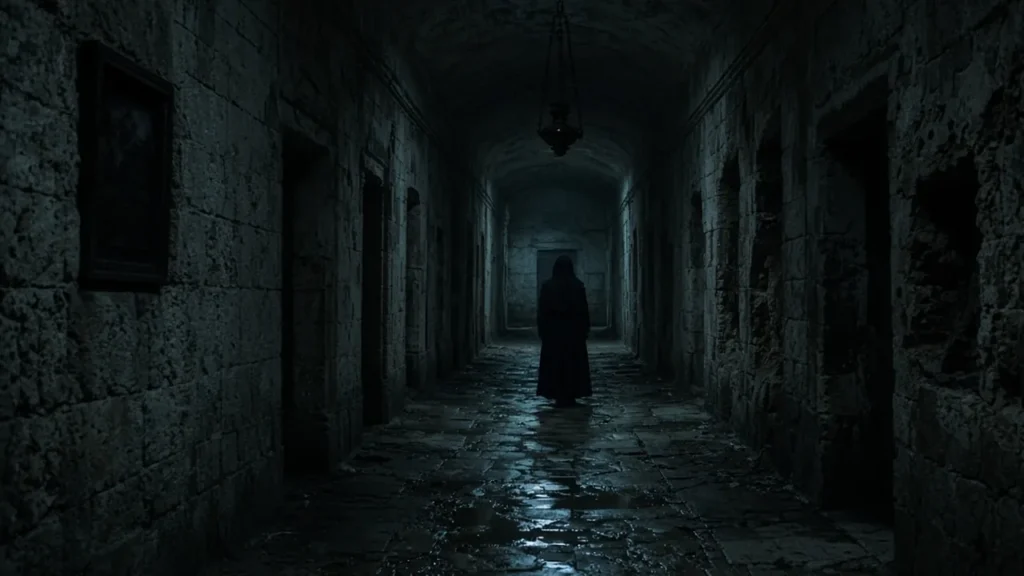
The poster face — yellow eyes, black habit — sends people to the same two queries: is The Nun real, and who is Valak. One sentence cannot hold both. The name comes from an old book. The face comes from a studio. The stones look like a real Romanian abbey. Folding all three into “a true story” is easy. Keeping them apart is the work.
The figure first stepped out in The Conjuring 2 (2016). The Nun (2018) and The Nun II (2023) made it the franchise mask. Search does not fade because the plot is unfinished. It stays because a habit ties together religion, a demon list, and the Warren brand in one silhouette.
Valak is not a nun in the book
Valak appears in the Lesser Key of Solomon / Ars Goetia. There the spirit is listed as the sixty-second spirit, a president of Hell — a child with angel’s wings, riding a two-headed dragon. A torn smile under a wimple is not in that grimoire. That is a camera invention.
James Wan’s team put the demon in a habit so the audience could read it from a distance. Danger wearing holy cloth sticks to a poster. Bonnie Aarons wore the costume. The face is design, not a document. So the honest split is this: the name sits in a medieval catalogue; the nun-shape arrives after 2016.
The film walks into 1952
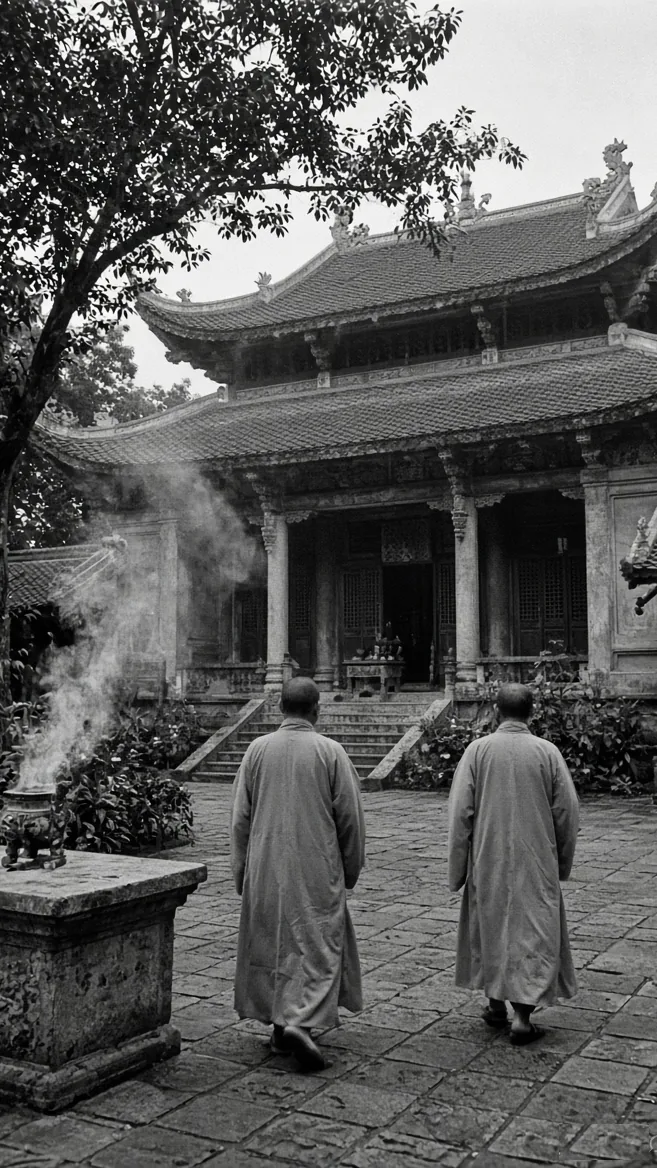
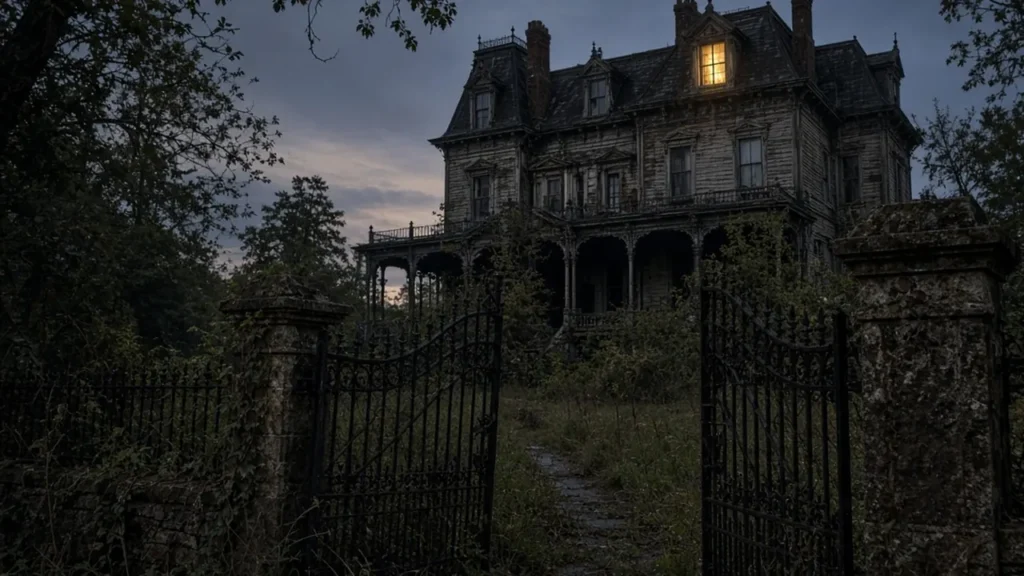
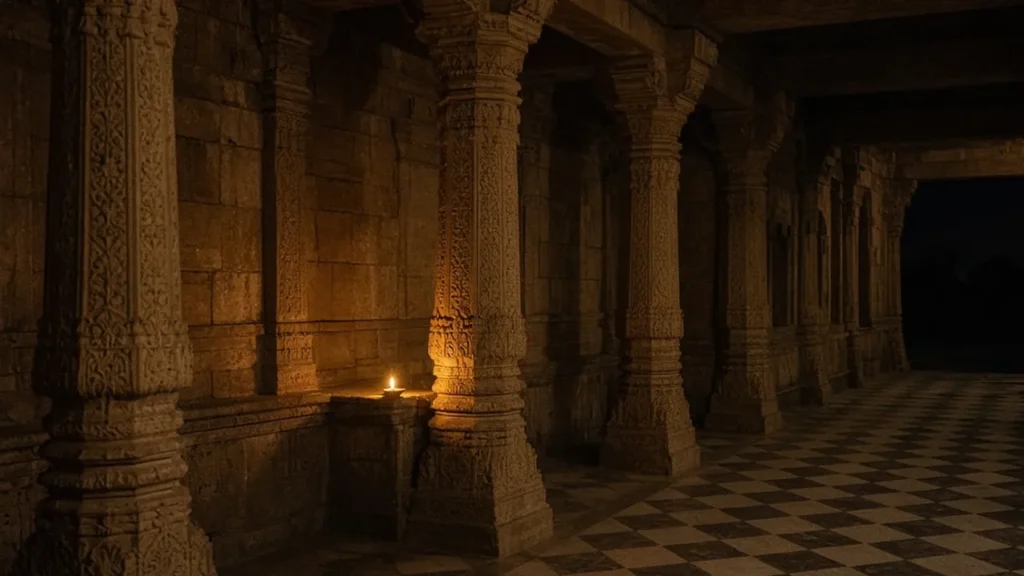
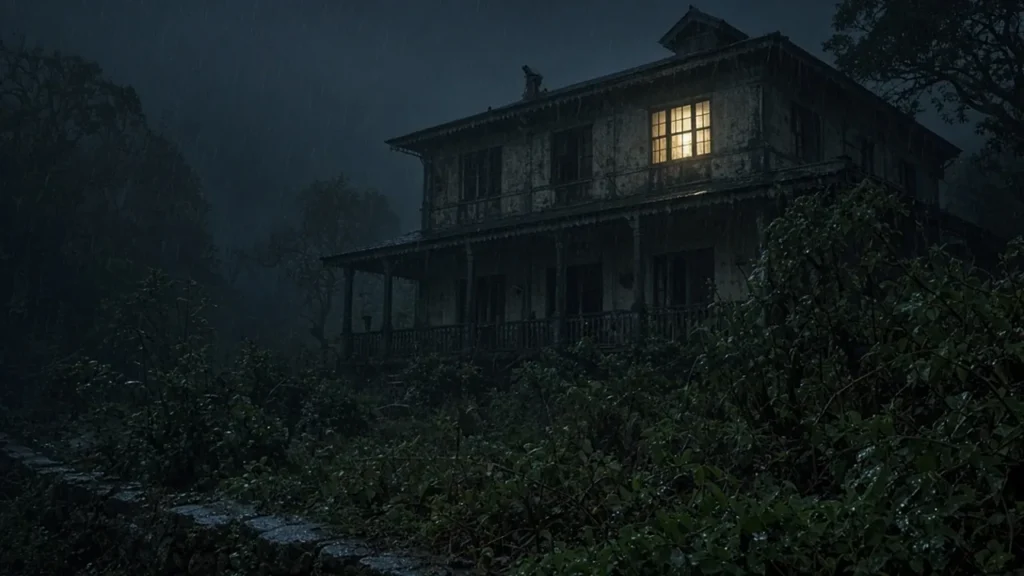
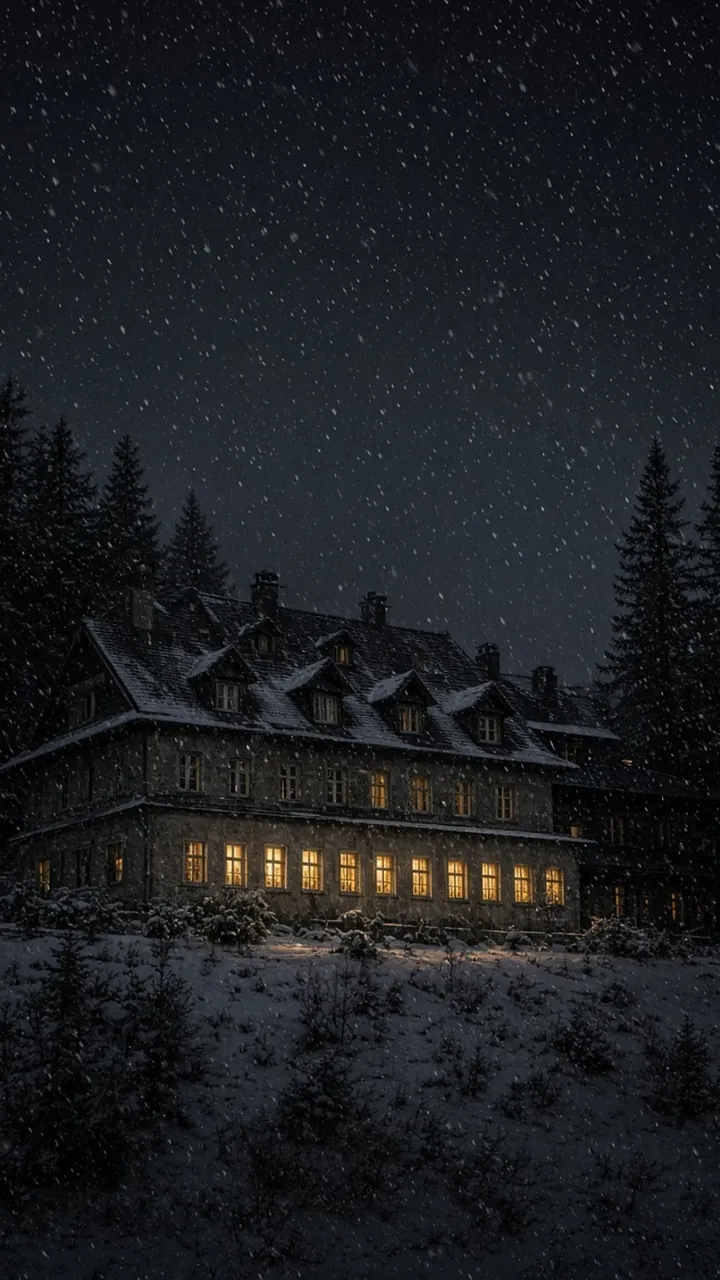
The Nun is set in Romania in 1952. A death inside a convent, a priest sent from the Vatican, a novice. The mood copies a Cistercian house — wet stone, long halls, barred windows. Cârța is a real, old monastery. Visitors go there. Valak is not in the register.
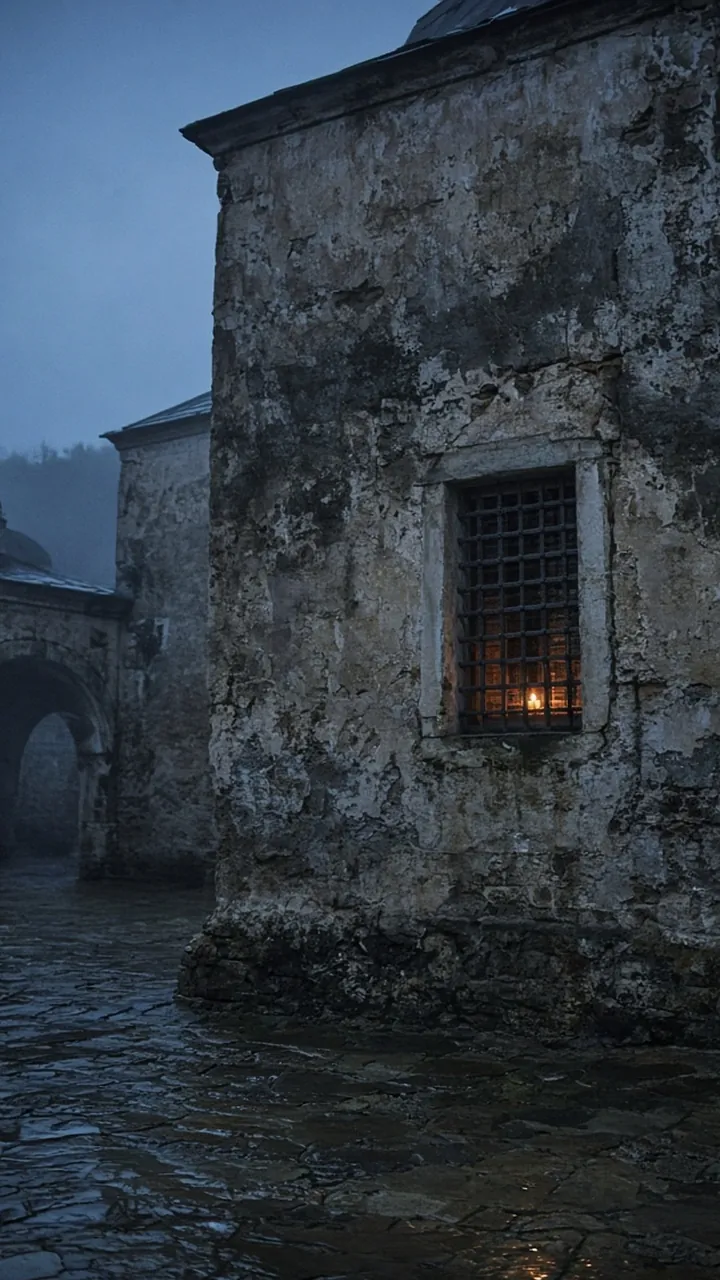
Films like to plant a fake event on real stone. Viewers see the stone and accept the event. That is where the search breaks. People type “Romania nun true story.” What they find is location scouting, not a church case file.
The franchise orbits Ed and Lorraine Warren. Their lectures hold many cases. This cinematic nun does not match a one-to-one photograph from those files. What matches is a marketing line: inspired by the Warrens. Inspiration is not paperwork.
The Nun true story — what is proven
Proven: the film hit, the face travelled, the name was lifted from the Goetia. Proven too: Romania has old abbeys, and Catholic habits are centuries old. Not proven: that a named demon walked those corridors in 1952 wearing that face.
In India the query is even flatter: “is The Nun a true incident?” The frame is a screenplay. A few pieces are borrowed from an old list and a Warren brand. The whole story does not stand like a police file. Readers who only want yes or no need that line. The rest of the fear is camera and sound.
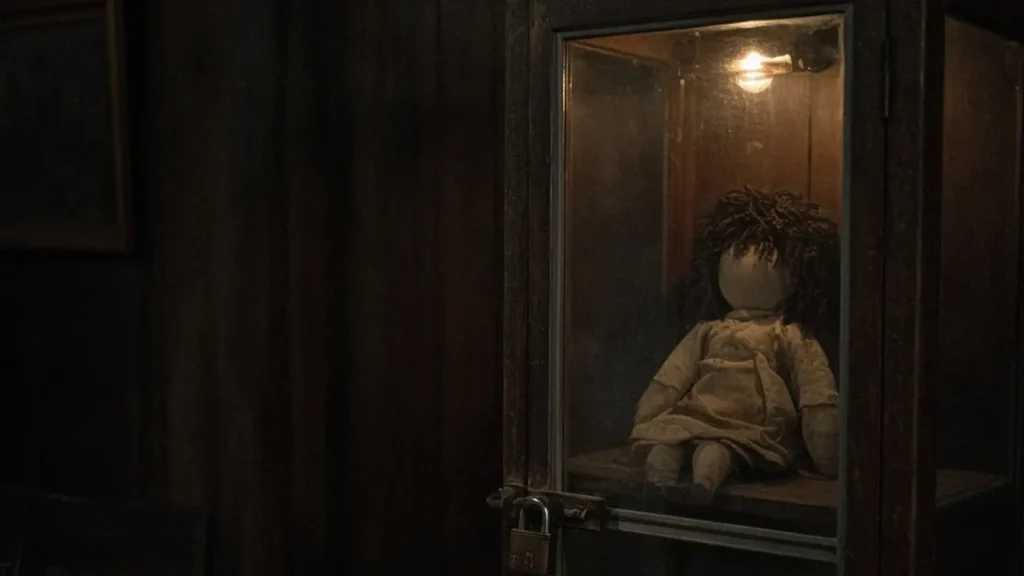
Set it beside the Annabelle doll real story and the difference is plain. Annabelle at least has an object — a cloth doll, a case, a lock. Valak has no object. Remove the habit and you are left with a medieval name and a Hollywood sketch.
A second error is calling Valak a ghost. A ghost is a dead person returning. In the story Valak is a demon — never human. Searches for “black nun ghost” still land, but the word walks into the wrong house. That is why this chapter sits after Annabelle: one side has an object and a claim, the other has a habit and a design.
The 2018 film gave India a dubbed track and a meme face. Yellow eyes became stickers. The 2023 sequel lifted the query again. Both times people hunted the face more than the plot. A memorable face is a franchise win. Treating the face as a case file is the viewer rushing. Abbey corridors can be real stone. Those eyes exist in the corridor only while the projector runs.
On a map of fear, Valak stands in a Western convent. An Indian reader often folds that figure into a household spirit. The accounts do not match. Local ghost stories here usually start from injustice or a death left unfinished. Valak is not in that ledger. It is a catalogue name given a habit by a studio. Writing the difference is less frightening and more useful. Usefulness is the job of this page.
Why the black habit sticks
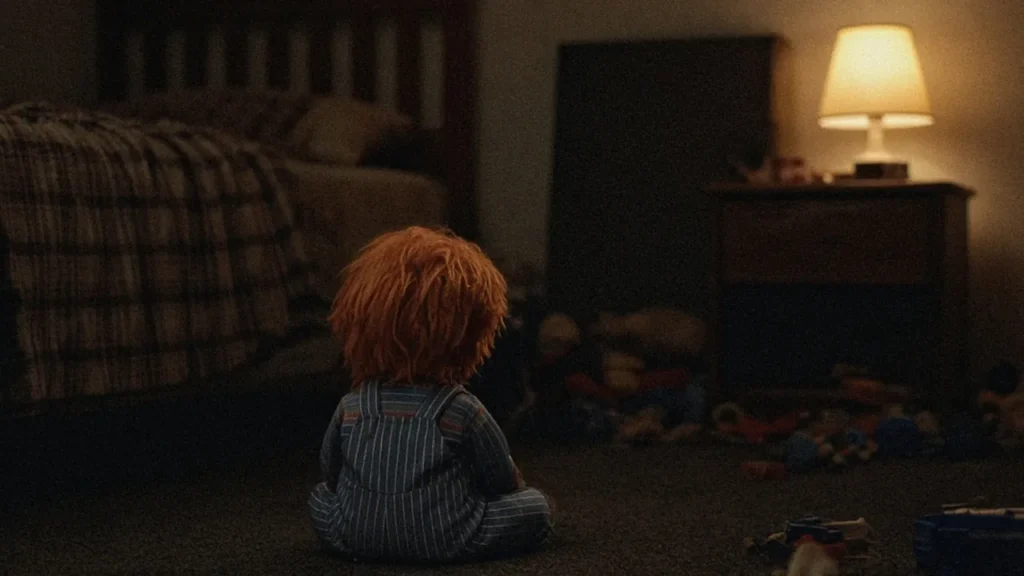
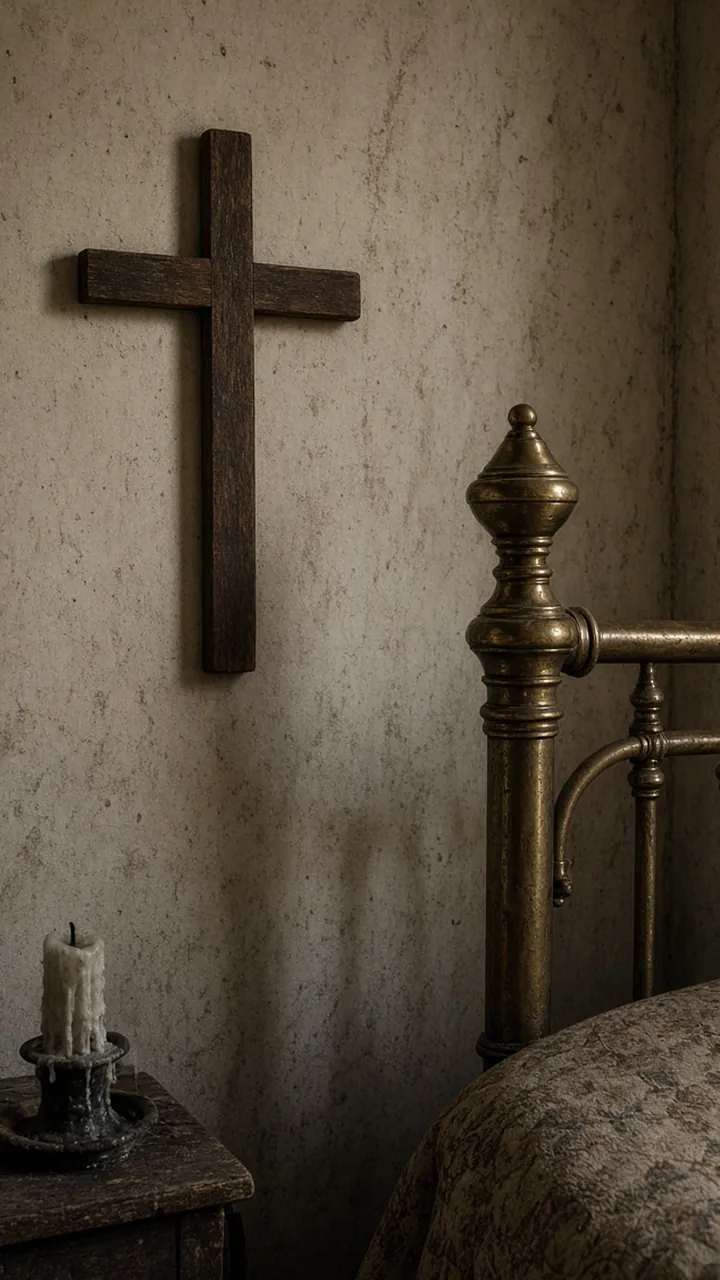
A clown smiles first. A doll sits near a bed. A nun stands where people look for safety. When holy cloth arrives with empty eyes, belief shakes. That is why costume searches stay loud — black nun, Valak makeup, The Nun dress.
Later in this series, the Woman in Black carries the same dark shape into English marshland. Pennywise opens a drain with a fairground smile. Chucky does the opposite — no holiness, only a toy smile. The posters differ. The search intent does not: how much is fiction, and how much do people take to bed as fact.
The Nun’s job was to walk a threat across the frame. This piece’s job is to keep the face, the name, and the abbey in separate drawers. The yellow eyes will stay. So should this: those eyes were not drawn in a grimoire. They were lit on a set.