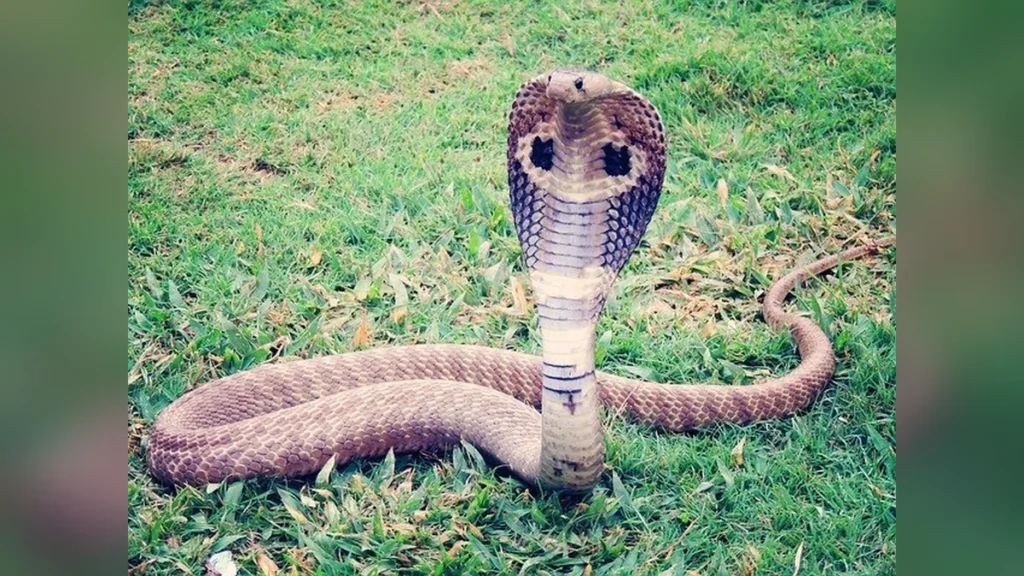
The concept of the ichchadhari nag nagin—mystical, shape-shifting serpents capable of taking human form at will—has captivated the South Asian imagination for generations. From grandmother’s bedtime stories told under starlit skies to high-budget Bollywood blockbusters and daily television dramas, these legendary creatures represent a unique blend of awe, fear, and devotion. In regional folklore, an ichchadhari nag (male) or nagin (female) is believed to be a cobra that has lived for over a hundred years, gaining spiritual powers, immense wisdom, and the ability to morph into any living being, most notably humans.
These mythical beings are often depicted as guardians of hidden treasures, keepers of the sacred Naag Mani (serpent gem), and entities driven by deep, human-like emotions such as eternal love or relentless vengeance. But where does the boundary lie between ancient sacred texts, regional folklore, cinematic dramatization, and modern scientific reality? Why does the belief in the ichchadhari nag nagin remain so deeply rooted in the cultural consciousness of millions?
To truly understand this phenomenon, we must peel back the layers of history, mythology, and science. This comprehensive analysis explores the ancient origins of serpent worship, the evolution of shape-shifting folklore, the biological facts of the animal kingdom, and the psychological symbolism that keeps these stories alive in the modern era.
Ancient Origins: Serpents in Sacred Texts
[Documented History & Sacred Texts]
To understand the roots of the ichchadhari nag nagin legend, we must first look at the ancient scriptures of India. In Hindu, Buddhist, and Jain traditions, serpents (Nagas) are not merely wild reptiles; they are revered as semi-divine, powerful beings residing in Nagaloka (the subterranean realm). The ancient Vedas, Puranas, and epics are filled with references to extraordinary serpent deities who possessed immense power and could interact with the human world:
- Sheshnag (Ananta Shesha): The king of all Nagas, depicted as a massive, multi-hooded serpent upon whom Lord Vishnu rests in the cosmic ocean. Sheshnag symbolizes eternity and is said to hold the weight of the Earth on his hoods.
- Vasuki: Another legendary serpent king, wrapped around Lord Shiva’s neck. Vasuki played a pivotal role in the famous Samudra Manthan (churning of the ocean), serving as the churning rope wrapped around Mount Mandara.
- Kaliya: The multi-hooded, highly venomous serpent who inhabited the Yamuna River. The Bhagavata Purana details the dramatic encounter where Lord Krishna subdued Kaliya, dancing on his hoods to neutralize his deadly poison.
- Nagakanyas (Serpent Princesses): In the epic Mahabharata, we find clear descriptions of Nagas interacting with humans in human form. The warrior prince Arjuna married Ulupi, a beautiful Nagakanya (serpent princess) who possessed mystical healing powers and bore him a son named Iravan. Similarly, Bhima’s lineage features deep connections with the serpent clans.
These classical texts establish that in ancient Indian cosmology, Nagas were viewed as highly advanced, spiritually potent beings capable of transitioning between realms and altering their physical appearance. However, these sacred scriptures do not explicitly use the modern colloquial term “ichchadhari” to describe ordinary wild snakes; rather, they refer to a distinct class of celestial or semi-divine beings.
Regional Folklore, Temples, and Cultural Beliefs
[Folklore & Cultural Belief]
Over the centuries, the grand narratives of the Puranas trickled down into regional folklore, blending with local animistic traditions to create the popular myth of the ichchadhari nag nagin. Across various states in India, these beliefs manifested in unique cultural practices and regional stories:
The Festival of Nag Panchami
Nag Panchami is a traditional festival celebrated across India and Nepal, dedicated to the worship of serpent deities. On this day, devotees offer milk, sweets, and prayers to snake idols and, in some rural areas, to live cobras. The festival is rooted in the belief that honoring the serpent deities brings prosperity, protects the family from snakebites, and appeases ancestral spirits. It reflects a deep-seated cultural desire to coexist peacefully with nature’s most feared predators.
Sacred Serpent Shrines
India is home to several historic temples dedicated to serpent worship, maintained with immense shraddha (devotion):
- Mannarasala Nagaraja Temple (Kerala): Nestled in a lush green forest clearing, this ancient temple is dedicated to Nagaraja (the serpent king). It is unique because its chief officiant is a priestess (Mannarasala Amma). The temple grounds house over 30,000 stone images of snakes, and devotees visit from all over the world to pray for fertility and well-being.
- Kukke Subramanya Temple (Karnataka): Located amidst the Western Ghats, this temple is highly revered for rituals like Sarpa Samskara and Ashlesha Bali, performed to ward off the astrological afflictions associated with cosmic serpent energies (Naga Dosha).
In the vicinity of these sacred spaces, local guides and elders often share whispered legends of divine, shape-shifting snakes that guard the temple treasures or manifest to protect true devotees in times of dire need.
The Power of Cinema: How Bollywood Shaped the Legend
[Modern Internet Claims & Media Influence]
While ancient scriptures and rural folklore laid the foundation, it was twentieth-century Indian cinema that truly popularized and standardized the modern imagery of the ichchadhari nag nagin. Before the advent of television, these stories were localized; cinema turned them into a national phenomenon.
The landmark 1954 film Nagin, featuring the iconic music of the been (snake charmer’s flute), captured the public’s imagination. Decades later, the blockbuster movies Nagina (1986) and its sequel Nigahen (1989), starring the legendary actress Sridevi, cemented the visual tropes we associate with the myth today: the glowing blue eyes, the dramatic transformation sequences, the concept of the Naag Mani (a glowing gem that grants absolute power), and the theme of a serpent seeking revenge against the humans who killed her mate.
In the 21st century, this legacy continues through highly successful television franchises. While these shows are produced purely for entertainment, their massive popularity in both rural and urban households has blurred the lines between fantasy and reality for many viewers. On social media platforms, edited videos, CGI clips, and sensationalized clickbait articles frequently claim to show “real-life proof” of shape-shifting snakes, capitalizing on the public’s fascination and superstitious anxieties.
Myth vs. Reality: The Scientific and Zoological Perspective
[Zoological Science & Critical Analysis]
When we subject the legend of the ichchadhari nag nagin to scientific scrutiny, the myth quickly dissolves into natural biological processes. Herpetologists (scientists who study reptiles) and evolutionary biologists emphasize that there is absolutely no scientific evidence supporting the existence of shape-shifting snakes. Here is how science explains the natural phenomena that likely inspired these myths:
1. Cellular and Skeletal Impossibility
A snake is a vertebrate animal with a highly specialized skeletal structure consisting of a skull, a flexible spine, and hundreds of ribs. For a snake to transform into a human, it would have to instantaneously rewrite its genetic code, dissolve its entire skeletal structure, rapidly grow human organs, limbs, and a complex brain, and then reverse the process. Such a transformation violates the fundamental laws of thermodynamics, biology, and physics.
2. The Phenomenon of Shedding Skin (Ecdysis)
Snakes regularly shed their skin to accommodate growth and remove external parasites. During this process, known as ecdysis, a snake’s eyes turn a milky, opaque blue as a lubricating fluid develops beneath the old skin. Once the old skin is cast off, the snake emerges with vibrant, shiny new scales. To ancient observers, this dramatic transformation—where a dull, sluggish snake suddenly appeared rejuvenated and bright—was easily misinterpreted as a magical act of rebirth, immortality, or shape-shifting.
3. Camouflage and Defensive Behavior
Some snake species can slightly alter their skin coloration or expand their hoods (like the Indian Cobra) to appear larger and more intimidating to predators. These natural survival mechanisms, combined with the rapid, fluid movements of snakes in dense undergrowth, can create optical illusions in low-light settings, leading superstitious observers to believe they witnessed a supernatural transformation.
4. The Myth of the Naag Mani (Serpent Gem)
According to folklore, an ancient ichchadhari nag nagin possesses a glowing gemstone called the Naag Mani, located inside its hood, which grants immense wealth and health. Scientifically, snakes do not produce gemstones. Occasionally, fraudulent occultists and street performers sell polished pebbles, fluorite minerals, or synthetic glass treated with phosphorus (which glows in the dark) to gullible buyers, claiming they are authentic serpent stones. In reality, these are cheap scams designed to exploit human greed and superstition.
FACT BOX: Myth vs. Reality & Symbolism
- Myth: An ichchadhari snake can live for hundreds of years.
Reality: The average lifespan of a wild Indian Cobra is 15 to 20 years.- Myth: Snakes can memorize the face of their killer and seek revenge.
Reality: Snakes have simple brains focused on survival, heat detection, and prey. They lack the cognitive capacity for memory-based revenge or facial recognition.- Myth: The Naag Mani is a real, glowing gem found inside a cobra’s head.
Reality: No biological organism can grow a crystalline mineral gem. These are synthetic or treated stones used in financial scams.- Symbolism: The shedding of a snake’s skin represents spiritual rebirth, transformation, and the cyclical nature of time.
- Symbolism: In yoga, the coiled serpent represents the Kundalini energy resting at the base of the human spine, waiting to be awakened.
Spiritual and Psychological Symbolism
[Spiritual & Psychological Symbolism]
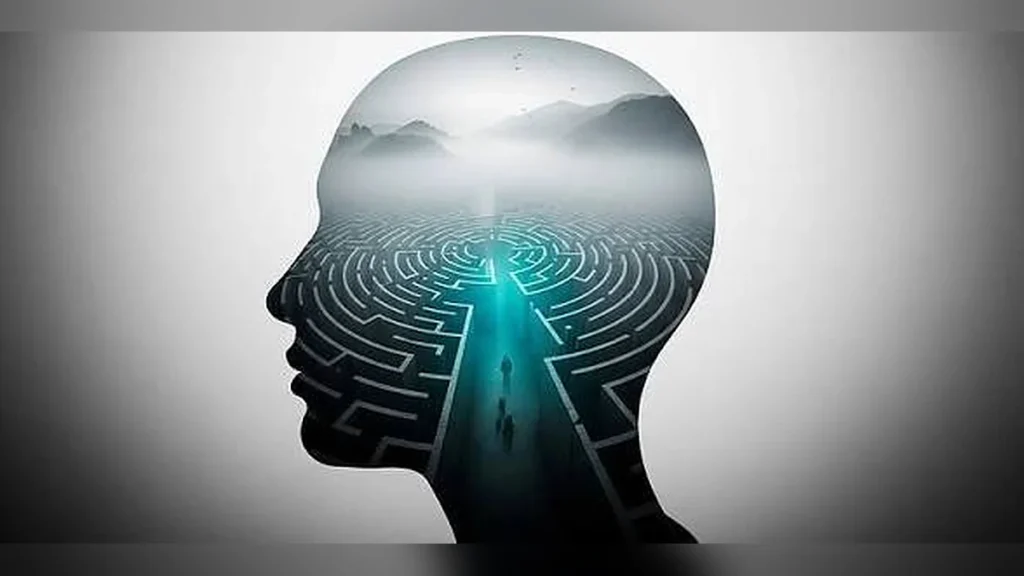
If the physical shape-shifting serpent is a biological impossibility, why does this archetype remain so powerful? The answer lies in the deep psychological and spiritual symbolism that snakes hold in the human subconscious:
The Kundalini Energy
In Indian spiritual traditions, particularly in Yoga and Tantra, the serpent is a profound metaphor for human potential. The Kundalini Shakti is described as a coiled serpent resting dormant at the base of the spine (the Muladhara Chakra). Through meditation, breathwork, and spiritual discipline, this energy is awakened, rising through the central energy channel (Sushumna Nadi) to the crown of the head. This spiritual awakening represents a literal “shape-shifting” of human consciousness—from primal, survival-based instincts to divine, enlightened awareness.
The Dual Nature of the Serpent
Psychologically, the serpent represents the ultimate duality of life. It carries deadly venom that can end life in minutes, yet that very same venom is used in modern medicine to create life-saving anti-venoms and cardiovascular drugs. The snake is both a symbol of death and a symbol of healing. The ichchadhari nag nagin, with its ability to switch between a beautiful human form and a deadly reptilian form, perfectly embodies this duality of the human psyche—our capacity for deep love, creation, and beauty, balanced against our primal instincts of anger, defense, and destruction.
A Rational and Respectful Approach to Serpent Lore
For those fascinated by South Asian culture, exploring the myths of the ichchadhari nag nagin can be an enriching experience, provided we approach the subject with a balance of cultural respect and scientific rationality:
- Appreciate the Artistry: Enjoy the rich stories, classical dances, and cinematic representations of shape-shifting serpents as beautiful expressions of human creativity and cultural heritage, much like Western fairy tales of dragons and unicorns.
- Practice Safe Devotion: When visiting historic serpent temples, approach the shrines with a spirit of peace and respect. Focus on the spiritual values of environmental conservation and coexistence that traditional serpent worship promotes.
- Support Wildlife Conservation: Real-world snakes are vital to our ecosystem. They act as natural pest controllers, keeping rodent populations in check and protecting agricultural yields. Instead of fearing them as supernatural avengers, we should support organizations that educate the public on snakebite prevention and safe rescue practices.
- Prioritize Mental Well-being: If stories of curses, supernatural possessions, or snake-related superstitions cause intense fear, anxiety, or sleep disturbances, it is highly recommended to step away from sensationalized media and seek guidance from qualified mental health professionals. True faith should bring inner peace, not fear.
FAQ
Is there any scientific proof that Ichchadhari Nag Nagins exist?
No, there is absolutely no scientific or zoological proof supporting the existence of shape-shifting snakes. Biology dictates that no animal can alter its skeletal, muscular, and genetic structure to transform into another species. The concept remains a beautiful part of folklore and creative fiction.
Can a snake really recognize a human face and seek revenge?
No. Snakes have relatively simple brains and very limited eyesight. They rely primarily on scent (using their tongues) and heat-sensing pits to navigate their environment. They do not possess the cognitive ability to recognize individual human faces, remember past events over long periods, or plan coordinated acts of revenge.
What is the truth behind the glowing Naag Mani?
The Naag Mani is a purely mythical concept. Snakes do not produce or carry glowing gemstones in their heads. Any stones sold under this name are fraudulent items—usually polished minerals, synthetic glass, or stones coated with phosphorescent paint to make them glow in the dark.
Why are snakes offered milk on Nag Panchami if they cannot digest it?
Worshipping snakes on Nag Panchami is a traditional cultural practice. However, zoologists point out that snakes are reptiles and do not naturally drink milk; they lack the enzymes to digest lactose. Offering milk to wild snakes can actually cause them severe dehydration or fatal infections. Devotees are increasingly encouraged to perform symbolic worship using stone idols rather than offering milk to live snakes.
Disclaimer
This article is intended solely for educational, cultural, and historical analysis. The information provided regarding folklore, mythology, and temple traditions is for informational purposes and should not be construed as medical, legal, or occult advice. No guarantees are made regarding the spiritual efficacy of traditional rituals. Readers are advised to verify historical and travel information locally before visiting shrines, and to seek professional medical or mental health support if experiencing severe anxiety, fear, or health concerns.