Why Are Animals Essential? The Importance of Animals for Nature and Humans
Animals are fundamental to the health and stability of our planet. They are not just inhabitants of forests and oceans; they are the engineers of our ecosystems, the backbone of food chains, and vital partners in human survival. Often underestimated, every creature, from the smallest insect to the largest mammal, plays a specific and indispensable role. The disappearance of animals would trigger a cascade of ecological failures, making life on Earth unsustainable.
We tend to view animals primarily through the lens of utility – as sources of food, milk, or companionship. However, their significance extends far beyond these direct uses. They are integral to natural processes that underpin our very existence.
Animals: The True Engineers of Our Ecosystem
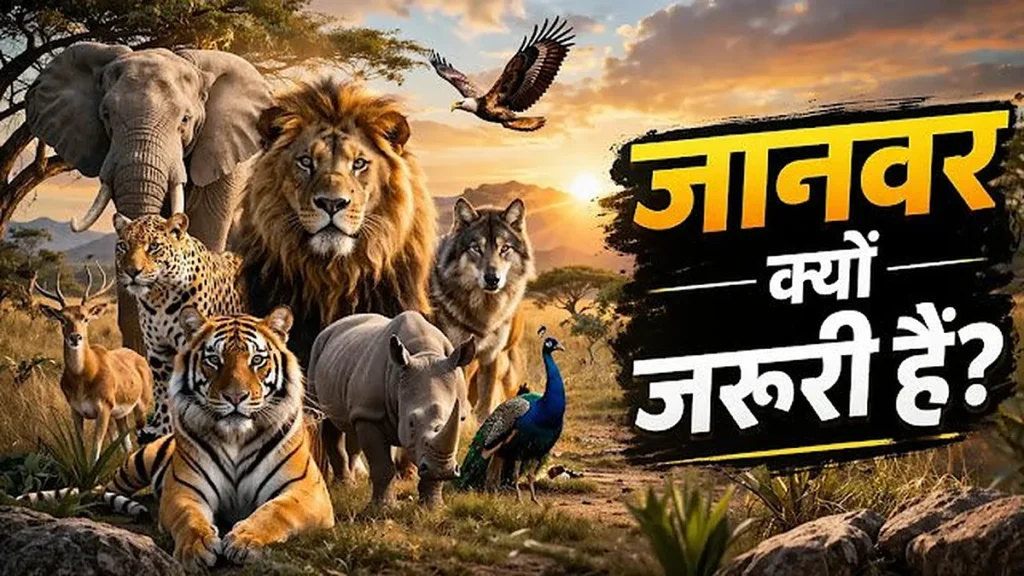
Animals are far more than just decorative elements of the natural world; they are active participants in shaping and maintaining their environments:
- Predators (e.g., Lions): Help control prey populations, preventing overgrazing and maintaining habitat health.
- Pollinators (e.g., Bees): Crucial for the reproduction of a vast number of plants, including many of our food crops.
- Seed Dispersers (e.g., Birds): Aid in the propagation of plant species, helping forests and other plant communities to thrive and spread.
- Decomposers and Soil Aerators (e.g., Earthworms): Essential for breaking down organic matter, recycling nutrients, and maintaining fertile, healthy soil.
The loss of any one of these roles can have profound and detrimental effects on the entire ecosystem. For instance, the decline of bee populations directly threatens global food security due to their role in pollinating approximately 70% of the world’s crops.
The Direct Connection Between Humans and Animals
Our lives are intricately linked with animals in numerous ways:
- Food Source: Animals provide essential protein and nutrients through meat, dairy, and other products.
- Agriculture: Historically and in many parts of the world today, animals like oxen are vital for tilling fields and supporting farming.
- Safety and Security: Animals like dogs serve as guardians, protecting homes and livestock.
- Mental and Emotional Well-being: Pets offer companionship, reduce stress, and provide emotional support, significantly improving human mental health.
The Deeper Role of Animals in Nature’s Balance
Beyond immediate human needs, animals are critical regulators of global environmental processes. Their collective actions maintain the delicate balance of the Earth’s systems. If animal populations were to vanish, the consequences would be catastrophic, impacting not just nature but human survival itself.
1. The Food Chain: A Survival System
The food chain illustrates the flow of energy through an ecosystem. Every organism is part of this interconnected web, either as a predator or prey. For example:
- Grass is eaten by herbivores like deer.
- Deer are preyed upon by carnivores like lions.
- Apex predators like lions help maintain the balance by controlling herbivore populations.
The removal of a key predator can lead to an explosion in prey populations, resulting in overconsumption of vegetation, soil degradation, and eventual ecosystem collapse. This interconnectedness highlights that every link in the food chain is vital for the survival of the whole.
2. Pollination: The Engine of Food Production
A significant portion of the food we consume relies directly on animal pollination. Insects like bees and butterflies, as well as birds and other small animals, transfer pollen between flowers, enabling plants to reproduce and produce fruits and seeds. This process is fundamental to agriculture. It is estimated that about one-third of the world’s food production is dependent on pollinators. Without them, crop yields would plummet, leading to widespread food shortages.
3. Soil Health: The Hidden Foundation
The health of our soil, the very foundation of terrestrial life and agriculture, is significantly influenced by animal activity. Earthworms, insects, and other soil-dwelling creatures play crucial roles:
- Aeration: Burrowing animals and earthworms create channels in the soil, allowing air and water to penetrate.
- Nutrient Cycling: Decomposers break down dead organic matter, returning essential nutrients to the soil.
- Soil Structure: The activity of various invertebrates helps to mix and aggregate soil particles, improving its structure and fertility.
Without these organisms, soils would become compacted, less fertile, and unable to support plant life, ultimately impacting food production.
4. Human Life and Mental Health
The benefits of animals extend to our psychological well-being. The companionship of pets has been scientifically shown to reduce stress, anxiety, and loneliness. The unconditional affection and loyalty of animals can foster a sense of purpose and improve overall mood. Interacting with animals in natural settings also has a calming effect, contributing to mental restoration.
5. Climate Control: A Powerful, Underrated Role
Certain animal species play a significant, though often overlooked, role in regulating the Earth’s climate. For instance:
- Marine Life (e.g., Whales): Contribute to the ocean’s ability to absorb carbon dioxide, a key greenhouse gas.
- Forest Dwellers: Healthy animal populations within forests contribute to the overall stability and resilience of these vital carbon sinks.
- Birds: Through seed dispersal, they help maintain and expand forest cover, which is crucial for carbon sequestration.
Thriving ecosystems, supported by diverse animal life, are more effective at mitigating the impacts of climate change.
What Would Happen If Animals Disappeared?
The complete disappearance of animals would lead to a catastrophic collapse of natural systems:
- Food Chain Collapse: The intricate web of life would unravel, leading to widespread starvation and extinction.
- Reduced Oxygen Levels: The decline in plant life and disruption of oceanic processes would impact oxygen production.
- End of Farming: Without pollinators and healthy soil, agriculture as we know it would cease to exist.
- Human Survival Threatened: Ultimately, the conditions necessary for human survival would be severely compromised, leading to a high risk of human extinction.
A Call to Action: Respecting and Protecting Animals
While humans pride themselves on intelligence and technological advancement, our actions have often led to the destruction of nature. Ignoring the plight of animals is indirectly endangering future generations. Simple, conscious steps can make a difference:
- Avoid harming wildlife.
- Reduce plastic consumption, which pollutes habitats and harms animals.
- Respect natural environments and their inhabitants.
- Provide proper care for pet animals, ensuring their health and well-being.
Frequently Asked Questions
Why are animals important to us?
Animals are crucial for maintaining ecological balance, supporting the food chain, enabling pollination and agriculture, enriching soil health, and contributing to human mental and emotional well-being.
What would happen if animals went extinct?
If animals disappeared, the food chain would collapse, agriculture would become impossible, oxygen levels could decrease, and human survival would be severely threatened.
Which is the most important animal?
Every animal plays a vital role in its ecosystem. Even seemingly small creatures like insects and earthworms are essential for processes like pollination and soil health.
Are pets important too?
Yes, pets are important as they improve human mental health by reducing stress, providing companionship, and offering emotional support.
Final Reality Check
As we advance technologically, it’s imperative that we do not leave nature behind. The Earth can survive without humans, but humans cannot survive without the intricate web of life that includes animals. Understanding and valuing the role of animals is not just an environmental issue; it is a matter of human survival. By contributing to conservation efforts and respecting the natural world, we ensure a healthier planet for all species, including our own.