What Makes a True Leader? 7 Essential Qualities for Aspiring Politicians
In the dynamic world of politics and public service, the desire to lead is strong, yet the path to becoming a respected leader is often challenging. While many aspire to hold positions of influence, not everyone possesses the inherent qualities that define a truly effective and honest leader. This article explores seven fundamental traits that are crucial for anyone looking to make a mark in politics or public life.
1. Approachable Demeanour: Connecting with Everyone

A cornerstone of effective leadership is an approachable and friendly demeanour. True leaders understand the importance of connecting with people from all walks of life, regardless of their background, religion, caste, social status, or economic standing. This ability to engage with diverse groups fosters trust and builds a strong foundation for public support. It means being accessible and willing to listen to the concerns of all constituents.
2. Sound Judgment and Understanding
Effective leaders possess a sharp intellect and sound judgment. This is particularly evident when they address the public. The ability to articulate ideas clearly, respond thoughtfully to complex issues, and make well-reasoned decisions is vital. Without this, a leader risks misrepresenting their position or making decisions that are detrimental to their constituents. Understanding the nuances of public sentiment and policy is key.
3. Strategic Acumen and Cleverness

Leadership is often described as a strategic game. Aspiring leaders need to be not only intelligent but also strategically minded and clever. This doesn’t imply deceit, but rather the ability to navigate complex political landscapes, anticipate challenges, and devise effective solutions. A clever leader can identify opportunities, manage diverse interests, and steer their agenda forward with foresight and skill.
4. Eloquent and Gentle Communication
The way a leader communicates can significantly impact their public perception and effectiveness. While facing criticism or disagreement is inevitable in public life, a true leader responds with measured and gentle words. Eloquence, combined with a calm and respectful tone, can de-escalate conflicts, persuade opponents, and maintain a positive public image. This ability to speak well and thoughtfully is a powerful asset.
5. Diplomatic Skill: Balancing Diverse Interests
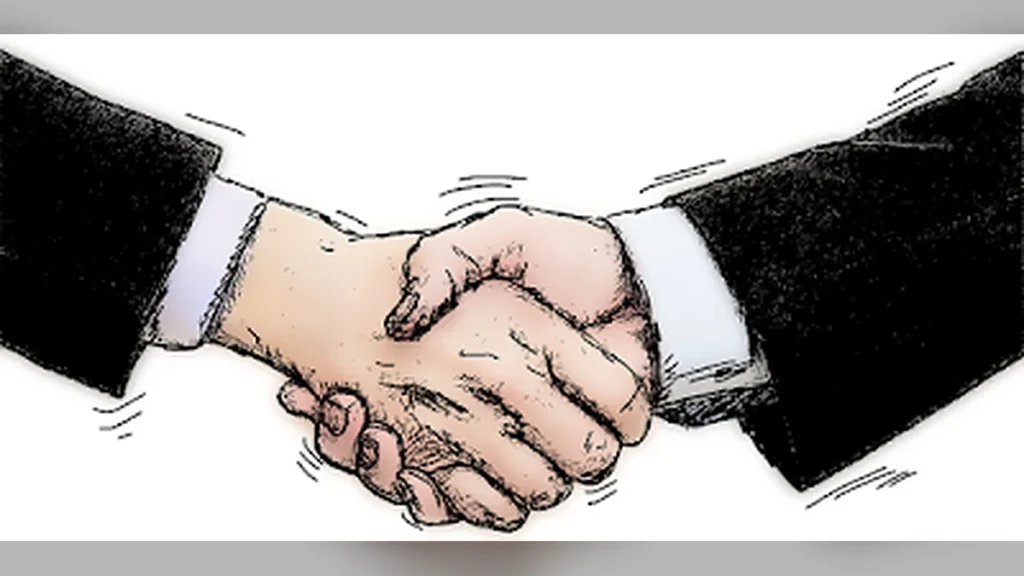
A hallmark of a seasoned leader is the ability to skilfully manage and balance competing interests. In any community or political arena, there are often differing viewpoints and factions. A leader with this quality can adeptly bring these diverse groups together, find common ground, and forge a unified path forward. This diplomatic approach ensures that a leader can represent a broad spectrum of the electorate effectively.
6. A Resonant and Strong Voice
Beyond eloquent speech, a leader needs a strong and resonant voice – both literally and figuratively. A clear, confident delivery ensures that their message is heard and taken seriously by the public. This strength in voice also signifies conviction and the courage to stand by one’s principles, inspiring confidence and trust among supporters.
7. Unwavering Integrity and Honesty
Perhaps the most sought-after, yet often rarest, quality in a leader is integrity and honesty. When the public perceives a leader as honest and trustworthy, their support is often unwavering. This builds a deep connection and loyalty that is crucial for long-term success in public service. While honesty can be challenging in the political arena, it remains the bedrock of genuine leadership.
The Ultimate Factor: Public Affection
While these seven qualities are vital, the ultimate determinant of a leader’s success often lies in the affection and trust of the public. If people genuinely like, support, and believe in a leader, their path to leadership is significantly smoother. Public endorsement and genuine connection can overcome many obstacles.
Conclusion: Choosing Wisely
Regardless of the criticisms or challenges faced by politicians, they are the ones who ultimately guide the nation. Therefore, it is essential for citizens to choose leaders who embody these qualities – leaders who are not only capable but also honest and dedicated to public service. Your informed choice matters.
Frequently Asked Questions
- What are the most important qualities of a political leader?
The most important qualities include approachability, sound judgment, strategic thinking, eloquent communication, diplomatic skill, a strong voice, and unwavering integrity. - How can someone develop leadership qualities?
Leadership qualities can be developed through practice, self-awareness, seeking feedback, continuous learning, and actively engaging in situations that require decision-making and communication. - Is honesty really important for a politician?
Yes, honesty and integrity are paramount. Public trust, which is essential for a politician’s success, is built on a foundation of perceived honesty. - What role does public perception play in leadership?
Public perception is critical. A leader who is well-regarded and trusted by the public has a significant advantage in gaining support and achieving their goals. - How does a leader balance different interests?
A leader balances interests through diplomacy, negotiation, finding common ground, and ensuring that decisions are made with fairness and consideration for all affected parties.