Understanding the Increased Risk of Snakebites During Monsoon
As the monsoon arrives, so does an increase in snake sightings and related incidents. Flooded burrows and crevices often force snakes to seek higher, drier ground, leading them into homes, storerooms, haystacks, and even bathrooms. When fields are waterlogged, drains overflow, or tall grass grows near water bodies, human and snake paths frequently intersect. Simple habits like walking barefoot in low light, picking up wood or stones without looking, or reaching into dark bathrooms are common triggers for snakebites.
In rural areas, the situation is more pronounced. People spend extended periods working in paddy and maize fields. Wet footwear might be discarded, and hands might go into bushes while cutting grass. Even in urban settings, construction sites, vacant plots, and overgrown society gardens pose risks. It’s important to remember that not all snakes are venomous, and not every bite is fatal. However, attempting home remedies without proper identification is a dangerous gamble. Reaching a hospital and receiving medical attention should be the priority.
Snakebite prevention isn’t about fostering fear or hatred towards snakes. It’s about taking simple precautions as the weather changes – checking corners of your home, footwear, and routines in the fields. Educate children about the dangers of playing near bushes or drains. Remind elders to use adequate lighting and walking aids at night. When communities are prepared and calm, panic and misinformation are reduced, and help can arrive faster.
Immediate Steps After a Snakebite: The Crucial Do’s
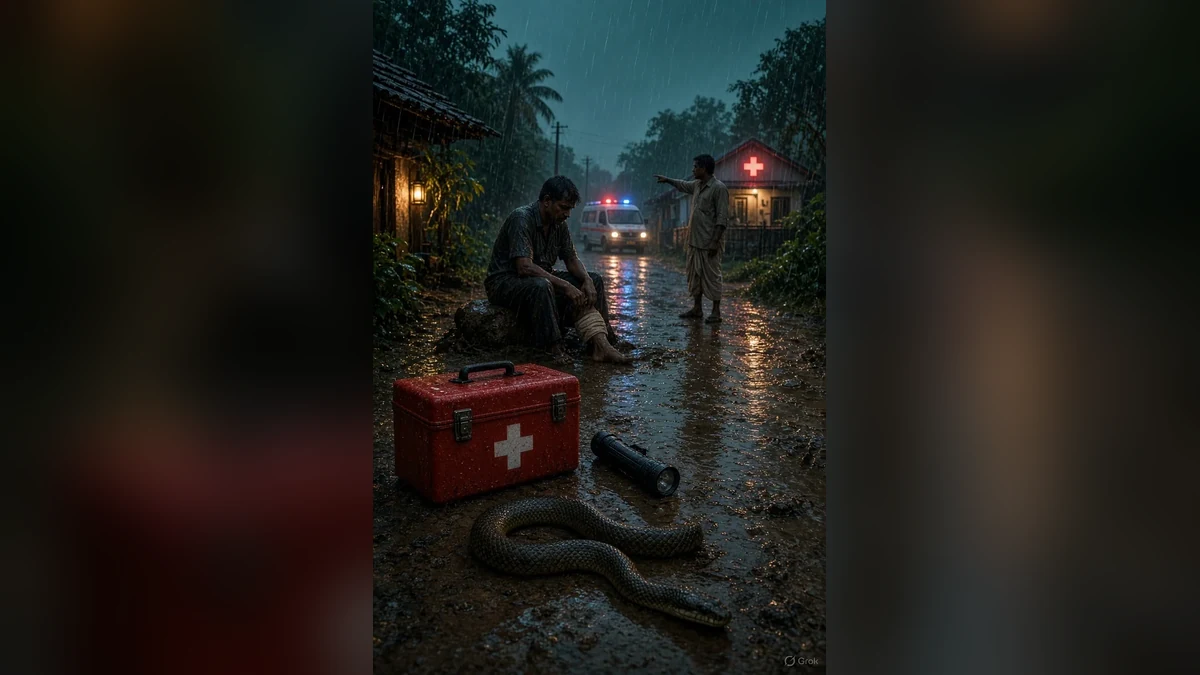
The first and most critical step is to remain calm. Panicking increases heart rate, which can accelerate the spread of venom. The victim should sit or lie down and be kept as still as possible. If feasible without causing distress, try to keep the bitten limb below heart level. Remove any tight jewelry, watches, bangles, or footwear around the bite area, as swelling is common.
Leave the bite wound undisturbed. Keep the bitten limb still. You can cover the wound with a clean, damp cloth. Crucially, do not tie a tight bandage or attempt to restrict blood flow, as this is a dangerous myth.
Immediately call emergency services like 108 or 112, or contact the nearest hospital. If a vehicle is available and the hospital is close, transport the victim safely. Avoid high-speed bike rides or traveling alone, as jolts can worsen the situation. Small sips of water can be given if advised by medical personnel, but avoid alcohol, soda, or any other beverages.
Try to note down details: when the bite occurred, where on the body (leg, arm, etc.), and a description of the snake (color, size, hood presence). However, do not chase or try to capture the snake for a photo, as this risks further bites. Prioritize children, the elderly, and pregnant individuals. Signs like difficulty breathing, vomiting, dizziness, drooping eyelids, or rapid swelling indicate a serious situation requiring immediate hospital care. Do not waste time on traditional remedies; antivenom and proper monitoring are available only at medical facilities.
Key Takeaways for Snakebite Management:
- Stay calm.
- Keep the bitten limb still and leave the bite wound undisturbed.
- Loosen tight jewelry and footwear.
- Contact emergency services or a hospital immediately.
- Do not incise the wound, suck out venom, apply a tourniquet, or delay seeking medical help.
- Not all snakes are venomous; do not rely on home treatments without proper identification. Antivenom administration is a medical decision.
- During monsoon, check homes, footwear, and surroundings for snakes. Avoid walking barefoot in the dark.
Dangerous Don’ts: Mistakes to Avoid After a Snakebite
A common mistake is incising the bite mark with a knife to “drain the venom.” This increases bleeding, opens the door to infection, and delays proper treatment. Sucking out venom by mouth is another outdated and potentially harmful practice. Tying a tight rope or bandage (tourniquet) can cut off blood supply, leading to tissue damage and gangrene. The false belief that this stops venom spread can have severe consequences.
Applying ice, hot iron, pastes of chili or lemon, or any powder to the wound can worsen the injury. Giving alcohol does not increase courage; it can complicate medical monitoring. Seeking help from traditional healers or faith healers, while emotionally significant for some, can lead to critical delays. If family rituals are important, they can be considered after reaching the hospital, not before.
Avoid following unverified advice from social media. Another critical mistake is gathering a crowd to kill the snake, which can lead to secondary bites. If the snake has escaped, do not pursue it. If you can safely observe from a distance, note the snake’s appearance, but verbal description is usually sufficient for doctors. Never wait for hours thinking “nothing happened”; some venomous bites have delayed symptoms. The safest rule is: if you suspect a bite, seek medical advice immediately; do not self-treat.
What to Ask and Do Until Reaching the Hospital and Upon Arrival
While transporting the victim, minimize movement. Keep the bitten area as still as possible, similar to immobilizing a fracture, but without tight bandaging. Keep the victim talking to monitor their consciousness. If vomiting occurs, turn their head to the side to prevent choking.
Avoid running with the victim in your arms; a safe seating arrangement and direct transport are better. Decide on air conditioning or open windows in the vehicle based on comfort, but the priority is reaching the hospital quickly and safely.
At the hospital, clearly inform the doctor about the time of the bite, location, and symptoms (pain, swelling, sweating, blurred vision, bleeding gums, changes in urine color, etc.). Also, mention any pre-existing medical conditions, allergies, and current medications. The decision to administer antivenom rests with the doctor based on their assessment. Avoid demanding or refusing treatment; you can ask questions, but the doctor makes the final call. In some cases, hospitalization for observation is necessary; do not assume you can leave just because an injection has been given.
If the nearest major hospital is far, go to a local facility experienced in treating snakebites and capable of referring if needed. Avoid wasting time at private clinics offering unverified remedies. One family member should manage documents, money, and phone, while others keep the crowd down to allow medical staff to work efficiently. Follow post-treatment advice regarding wound care and infection prevention. The doctor will also decide on tetanus or other vaccinations, which may be part of the overall management plan.
Prevention at Home, Fields, and Streets: Small Habits Make a Big Difference
Always use a torch or mobile light when entering bathrooms, courtyards, or storerooms at night. Shake out footwear before wearing them, as snakes and scorpions can hide inside during monsoon. When moving piles of wood, bricks, or sacks, tap them with a long stick first.
In fields, use protective gear like long boots or gaiters where possible. Avoid working barefoot in paddy fields, especially at night. Keep grass trimmed, drains clear, and be mindful of rodent burrows, as rodents attract snakes.
Seal cracks and gaps around doors, windows, drains, and basement corners. Dark, rodent-infested storerooms or poultry sheds can attract snakes. Do not leave garbage uncovered. If pets bark or hiss unusually, do not reach into dark corners. Clear bushes and debris from children’s play areas. If you hire gardeners, ensure they keep grass short.
These may seem like mundane tasks, but they are the bedrock of snakebite prevention. If you spot a snake, avoid creating a panic. Close doors, maintain distance, and contact local wildlife rescue services or forest department officials. Many cities have dedicated helpline numbers. Trying to corner or attack a snake with sticks or stones is dangerous. If a snake is inside the house, often closing the door to the room and waiting for help is the safest option.
Remember, many snakes play a role in controlling rodent populations and contribute to the ecosystem. Unnecessary killing is neither safe nor sensible. Rescue and maintaining distance are both effective strategies.
Focus on Vulnerable Groups: Children, Farm Laborers, and Night Shift Workers
Children’s curiosity can lead them to reach into bushes or holes. Teach them clear rules: do not play near drains or bushes, avoid dark rooms without light, and call adults if they see a snake, rather than touching it. Instill the habit of shaking out school bags and shoes kept outside.
Farm laborers, gardeners, and construction workers are at high risk due to their work environment. Contractors and farmers should reiterate safety briefings, emphasizing the use of boots, torches, and the importance of checking before touching objects. Avoid rushing tasks like grass cutting or drain cleaning in the late afternoon.
Night shift watchmen and guards should be provided with sturdy torches and closed footwear. Women often work in courtyards, collect firewood, or manage cattle in the early morning and evening; adequate lighting and appropriate footwear make a significant difference.
When camping or staying in tents, farmhouses, or near rivers, secure bags and shoes in closed spaces before sleeping. Shake them out thoroughly before use in the morning. Avoid taking shortcuts through bushes while trekking during the monsoon. Discourage barefoot photography near fields during festivals or weddings.
Maintain a community WhatsApp group with pinned contacts: nearest government hospital, ambulance services, and snake rescue numbers. Having this information readily available can be life-saving in emergencies, far more than searching aimlessly.
Final Advice: Practical Steps for Safety
The response to snakebite news often swings between vigilantism (rushing out with sticks) and fatalism (“it’s in God’s hands”). Both extremes are unhelpful. The real way to prevent snakebites during monsoon is through consistent, practical habits: shaking out shoes, using lights, careful field work, and going directly to the hospital if bitten. Abandon dramatic movie-heroics.
Stop practices like incising wounds, sucking venom, applying tourniquets, or giving alcohol. Keep a small emergency card at home with contacts for 108/112, the nearest hospital, and local snake rescue services. If you are a farmer or laborer, treat your boots and torch as essential tools, not status symbols.
Educate children about safety rules, don’t just scare them. If you see a snake, don’t form a mob to kill it; maintain distance and call for rescue. If a neighbor is bitten, help by keeping them calm, arranging transport, and getting them to the hospital – do not insert traditional healing rituals in between.
Stop spreading unverified statistics or forwarded messages about home remedies. Keep information concise and accurate. Finally, it’s wise to inquire about the availability of antivenom and emergency services at your local government hospital during normal times, so you aren’t guessing in a crisis. A brief awareness session before monsoon by the village panchayat or ward committee can alleviate much panic. Safety comes from preparation, not from spreading fear.
Your job isn’t to create viral videos; it’s to help your family remember the correct sequence: Stay calm, clean the wound gently, go to the hospital, and leave the rest to the doctors.
A Practical Tip: Pin three things today – (1) Emergency contacts (108/112, nearest hospital), (2) A checklist for home/field torches and shoes, and (3) Local snake rescue/forest department contact. Decisions during a bite will depend on these, not on social media reels.
Frequently Asked Questions (FAQ)
Q1. What is the very first thing to do if bitten by a snake?
Stay calm, loosen tight jewelry/footwear, keep the bitten limb still, and immediately contact an ambulance or hospital. Do not incise the wound, suck out venom, or apply a tight bandage.
Q2. Is every snakebite life-threatening?
No. Many snakes are non-venomous, and the effects of a bite vary. However, do not make decisions based on home remedies without proper identification. If you suspect a bite, seek medical advice.
Q3. Why are snakes seen more often in homes during monsoon?
During the rains, burrows and crevices get flooded, forcing snakes to seek dry, elevated places like courtyards, storerooms, bathrooms, and haystacks. Rodents and uncovered garbage can also attract them.
Q4. When should I try traditional remedies or home cures?
In a snakebite emergency, prioritize reaching the hospital. Home remedies or rituals should not delay medical attention. Antivenom administration and monitoring are medical decisions.
Q5. If I see a snake, should I kill it?
Gathering a crowd to kill a snake is dangerous and can lead to secondary bites. Maintain distance, secure the area, and contact local snake rescue services or the relevant department for assistance.
Disclaimer: This article is for general awareness and public information only and does not constitute personal medical advice, diagnosis, or treatment. In case of a suspected snakebite, contact a qualified healthcare professional or emergency services immediately. Local hospital facilities, antivenom availability, and rescue contacts may vary by region. No statistics have been fabricated for this article.
India MoHFW snakebite treatment guidelines