
What is the Nutritional Value of Chicken Liver?
Chicken liver is an animal-based food that offers a good source of protein, along with several essential vitamins and minerals. However, it’s not a cure-all for every ailment. Comparing nutritional data across different types of liver or between raw and cooked weights can be misleading, as cooking methods and serving sizes significantly impact the overall calorie and nutrient intake. If you choose to include chicken liver in your diet, consider it a complementary part of a balanced meal, alongside staples like roti or rice, vegetables, and other dishes. It’s not necessary to forgo other common foods like lentils and vegetables to consume larger portions of liver.
Why is Thorough Cooking Essential?
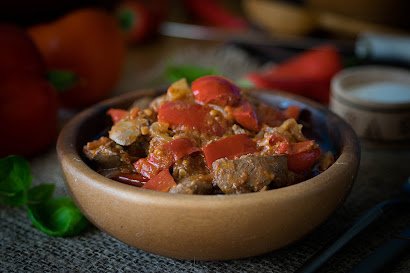
According to health authorities like the CDC, chicken liver can harbor bacteria such as Campylobacter. Consuming undercooked liver poses a risk of foodborne illness. The external appearance, smell, or the presence of spices does not guarantee that the internal temperature has reached a safe level. The CDC recommends that the internal temperature of chicken liver should reach 165°F (approximately 74°C) when measured with a food thermometer in the thickest part. Relying solely on visual cues is not sufficient. Be mindful of even cooking, especially when preparing multiple pieces simultaneously.
Preparation from Purchase to Cooking
When purchasing chicken liver, pay attention to storage conditions. Transport it home quickly and ensure you have a safe, cold storage system ready. Keep raw chicken liver juices separate from salads, bread, and ready-to-eat foods. Maintain cleanliness by washing cutting boards, knives, and your hands thoroughly. Avoid placing cooked food back onto plates that previously held raw poultry. Washing raw poultry can spread contamination through splashing; cleaning should not involve spreading water droplets throughout your kitchen. Do not thaw frozen liver by leaving it at room temperature for extended periods; follow package instructions or reliable food safety guidelines.
Key Considerations During Spiced Preparation
Sautéing onions and spices enhances flavor but is not a substitute for food safety. Adding excessive oil or salt does not inherently improve the nutritional profile. Ensure the liver is cooked thoroughly, separate from the flavoring process. Do not consider recipes that intentionally leave the center raw as safe home cooking methods. Cooking times can vary significantly based on heat levels, cookware, piece size, and quantity. Therefore, providing a fixed cooking time for every kitchen is impractical. Temperature measurement is a more reliable method for checking doneness. Practice good hygiene when serving and storing leftovers after cooking.
Who Should Avoid Chicken Liver?
Consumption of liver and liver products is often advised against during pregnancy due to their high vitamin A content. Even for healthy adults, daily consumption or excessive intake should not be considered routine. If you are taking regular supplements or have been advised by a doctor to limit certain foods, seek personalized dietary advice.
Is it a Treatment for Anemia or Weakness?
Having nutrients in food is different from treating a medical condition. If you are experiencing significant fatigue, dizziness, or weight loss, it’s important to investigate the underlying cause rather than solely relying on consuming chicken liver. If a doctor diagnoses iron or vitamin B12 deficiency, follow the prescribed treatment plan. Do not discontinue medication based on dietary changes alone.
What to Do if You Feel Unwell After Eating?
If you experience stomach pain, diarrhea, or fever after consuming undercooked food, do not dismiss it as mere indigestion or the effect of spices. Seek medical advice if you have bloody diarrhea, signs of dehydration, severe or persistent symptoms, or if the affected individual is pregnant, a young child, or an elderly person. In case of a rapidly deteriorating condition, seek immediate medical help.
A Quick Home Safety Checklist
- Are raw and cooked food utensils kept separate?
- Has a safe internal temperature been measured?
- Has there been no contact between raw juices and ready-to-eat food?
- Is anyone in the family advised to avoid liver due to pregnancy or specific dietary needs?
- Is there a system for safely storing leftovers?
Frequently Asked Questions
Can I eat chicken liver if it’s slightly pink inside?
Relying on color alone is not a safe indicator. Chicken liver must be cooked thoroughly to a safe internal temperature to prevent illness.
Does over-frying fix all cooking mistakes?
No. Contamination of ready-to-eat food by raw juices and improper storage are separate issues. The entire process must be safe.
Is it a good source of iron for pregnant women?
Consumption of chicken liver is generally advised against during pregnancy. Fulfill iron requirements as per your doctor’s plan.
Is it necessary for vegetarians to eat liver for strength?
No. Nutritional needs can be met through other suitable vegetarian food sources.
Note: This information is for general food safety and nutrition awareness. Consult a healthcare professional for medical advice regarding illness or dietary concerns.




आपकी राय क्या है?
इस पोस्ट पर राय अभी बंद हैं।