 Vista
What is Pachauni (Ojhri)?
Many people wonder, “What is pachauni?” or “What are the benefits of eating pachauni?” In simple terms, pachauni, also known as ojhri or tirri, refers to the edible parts of an animal’s digestive tract, primarily the intestines. It’s a type of offal or variety meat that is popular in many cuisines. While chicken pachauni is typically smaller and cooks faster, mutton pachauni can be a bit thicker and chewier but becomes tender when slow-cooked. Both are commonly prepared as spicy curries or added to meat mixes. The taste largely depends on proper cleaning and the spices used, not on any magical properties.
The key to enjoying pachauni is thorough cleaning and complete cooking. Washing it multiple times, changing the water, and ensuring it’s cooked through are essential steps. If you’re trying it for the first time, start with a small quantity. For guests, only prepare a large batch if you are confident in its cleanliness and taste.
Pachauni is considered offal meat and is often discussed for its protein and B-vitamin content. However, precise nutritional values can vary significantly based on the animal, cut, and cooking method. The information provided here is for general understanding and not a substitute for professional medical or nutritional advice.
Chicken vs. Mutton Pachauni: Which is Better?
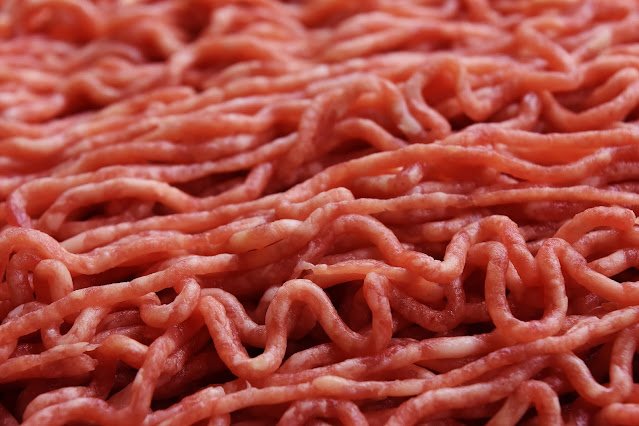
Deciding between chicken and mutton pachauni depends on individual preferences, budget, cleaning time, and digestive tolerance. Here’s a general comparison:
| Attribute | Mutton Pachauni | Chicken Pachauni |
|---|---|---|
| Texture | Often slightly chewier | Usually tenderizes faster |
| Cleaning | May require a bit more effort | Often perceived as easier in many households |
| Flavor | Rich, gamey flavor | Milder, pairs well with spices |
| Availability/Cost | Varies by market and season | Generally more readily available |
| Cooking Time | Requires slow cooking or pressure cooker | Typically cooks in less time |
If you have weak teeth or are cooking for children and the elderly, opt for well-cooked, tender pieces, whether chicken or mutton. Excessive oil and spice can increase the risk of digestive issues for both. Individuals with conditions like gout or high uric acid should consult a doctor before consuming organ meats.
Nutritional Profile of Pachauni
Organ meats like pachauni are often highlighted for nutrients such as protein, Vitamin B12, and zinc. The actual nutritional benefit on your plate depends heavily on how it’s cleaned, the amount of oil and spices used, and the serving size. It’s inaccurate to claim specific gram amounts per serving without detailed analysis.
- Protein: Aids in muscle repair and provides daily energy.
- Vitamin B12: Supports blood and nervous system functions.
- Zinc: Contributes to general immune system support.
- Fat/Calories: Provide energy; excessive intake, especially from added oils, can contribute to weight gain.
Pachauni is a part of a non-vegetarian diet and should be consumed mindfully, rather than being considered a “superfood.” If you follow a fitness regimen or specific diet plan, consider the portion size and added fats separately.
Key Benefits of Eating Pachauni
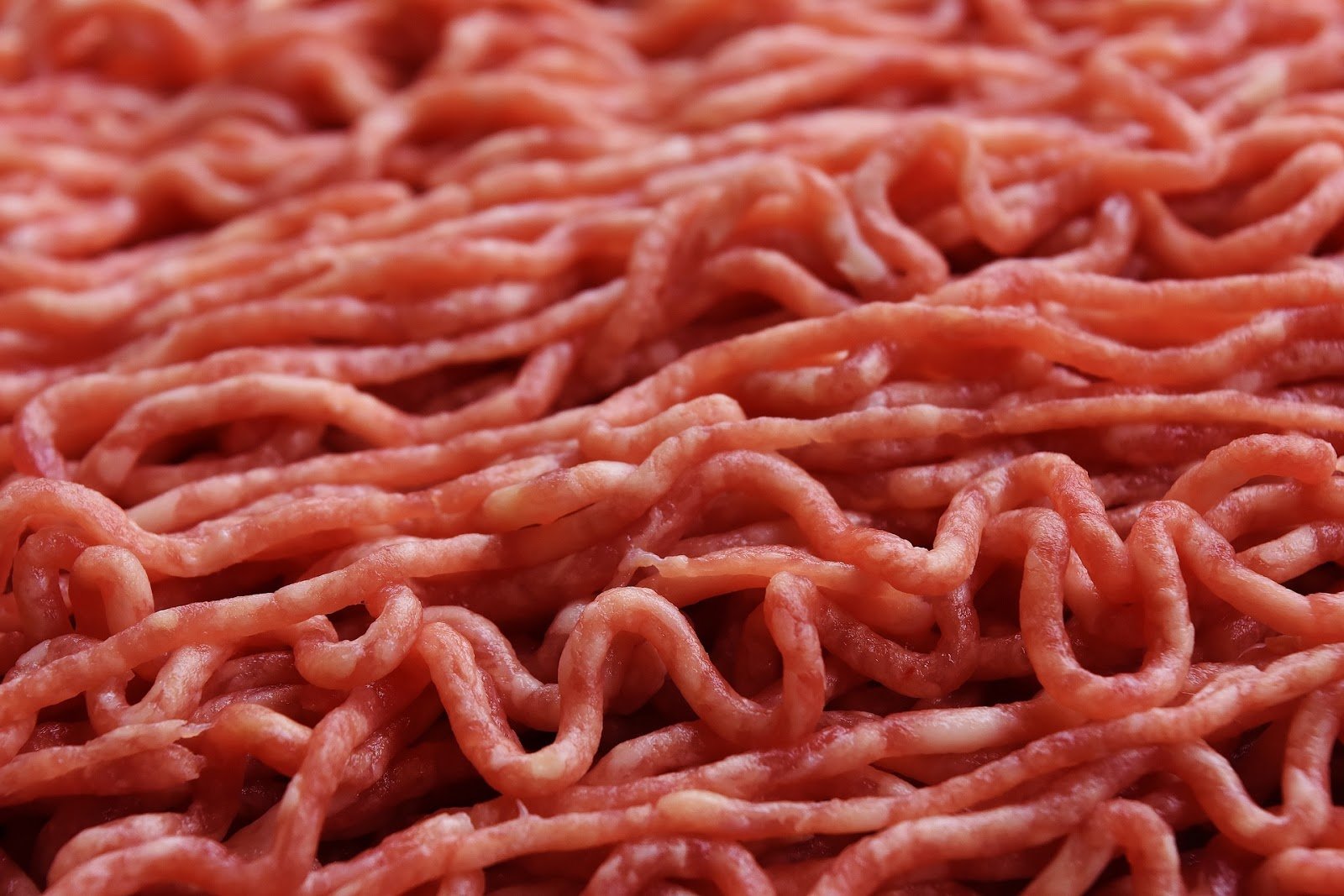
1. A Protein-Rich Home Option
For those seeking a protein boost after a workout or on a tiring day, properly prepared pachauni can be a viable option. It’s often more affordable than premium meat cuts in many markets, making it a choice for those balancing taste and budget, provided it’s impeccably clean.
2. Tender Meat, Easy to Chew
When cooked correctly, pachauni can be quite tender. If you find tougher cuts of meat difficult to chew, well-prepared pachauni might be a more accessible alternative. However, quick cooking on high heat can result in a rubbery texture, emphasizing the need for slow cooking and patience.
3. Aids in Weight Gain (When Consumed Mindfully)
Due to its calorie and fat content, pachauni can potentially assist lean individuals in gaining weight. However, consuming large portions laden with oil and spices daily can lead to digestive upset and unhealthy weight gain. A clear goal and moderate consumption are key; excessive eating does not equate to healthy weight gain.
4. Flavorful Ingredient in Traditional Recipes
Pachauni is a beloved ingredient in many households, adding rich flavor to spicy gravies, curries, and meat mixes. Its appeal lies in both taste and its traditional place in regional cooking, contributing to its continued popularity.
5. Budget-Friendly and Available
Pachauni is often available at butcher shops alongside primary meat cuts. In households that purchase whole animals, it’s a traditional part of the animal that is utilized rather than discarded, reducing waste and providing a filling meal. This practicality is a significant benefit.
Easy Method for Cleaning and Cooking Pachauni at Home
Proper cleaning is paramount. Start by placing the raw pachauni in a large bowl and adding hot water. Mix in salt and rub thoroughly. Some people add lemon juice or a little vinegar to help reduce any strong odor. Change the water repeatedly until the impurities and strong smell are significantly reduced. After washing, cut the pieces into smaller sizes.
Marinate the pieces with ginger-garlic paste, turmeric, salt, and a little chili powder. You can cook it in a pressure cooker until tender, following the cooker’s instructions for the number of whistles, or simmer it slowly on the stovetop. Finish with fresh coriander and a teaspoon of ghee or oil for enhanced flavor.
Important Steps:
- Turn pieces inside out (where applicable) to remove internal waste.
- Rub well with hot water and salt; use lemon or vinegar if needed for odor.
- Rinse thoroughly with clean water multiple times.
- Ensure it is cooked completely – never serve raw or undercooked.
Store leftover pachauni covered in the refrigerator and reheat thoroughly before consuming the next day. Avoid keeping leftovers for more than a couple of days. If you are making it for the first time, start with a small batch. If you notice a suspicious smell, it’s safer to discard it than to cook it.
Risks and Precautions
The precautions for pachauni remain consistent:
- Cleaning: Wash repeatedly with hot water and salt. Incomplete cleaning can lead to odor and bacterial contamination.
- Portion Size: As a fatty dish, consuming large amounts daily can cause indigestion or weight gain.
- Uric Acid/Gout: Organ meats are often advised against for individuals with gout or high uric acid. Consult your doctor.
- Cholesterol/Heart Health: Rich, oily gravies may not be suitable for heart-healthy diets. Avoid claims that pachauni is a cure for heart conditions.
- Pregnancy/Illness: Do not make dietary decisions without consulting a healthcare professional.
- Children/Elderly: Ensure the dish is very tender, well-cooked, mildly spiced, and served in small portions.
Social media claims of instant strength from eating pachauni should be viewed with skepticism. Adequate sleep, hydration, a balanced diet, and regular physical activity are crucial for overall health. One dish does not overhaul your well-being.
What to Look for When Buying from the Market
Choose pachauni that has a fresh color and is not excessively sticky or foul-smelling. Buying from a clean, well-refrigerated stall is preferable. Opting for the cheapest option might mean getting stale product, leading to health issues later. If in doubt, buy a small quantity, clean and cook it at home, and if it tastes good, consider buying more next time.
For packaged or online orders, pay attention to delivery times and cold chain maintenance. Pachauni left unrefrigerated for extended periods, especially in warm weather, poses a higher risk. Refrigerate or clean it immediately upon reaching home. Freshness is key, whether it’s chicken or mutton pachauni.
Frequently Asked Questions (FAQ)
Is it safe to eat chicken pachauni?
Yes, chicken pachauni that is thoroughly cleaned and fully cooked is consumed in many households. Inadequate cleaning or undercooking increases risks. Consult a doctor if you have any health conditions.
What is the difference between mutton pachauni and mutton meat?
Mutton meat typically refers to muscle cuts, while pachauni (ojhri) is a part of the digestive system. They differ in taste, texture, and preparation methods.
How do you clean pachauni?
Clean by rubbing with hot water and salt (and optionally lemon or vinegar) repeatedly until the odor and impurities are gone. Never cook raw or inadequately washed pachauni.
Does pachauni cause weight gain?
A calorie- and fat-rich dish like pachauni can contribute to weight gain, especially if prepared with a lot of oil and spices. For weight management, control portion sizes and the amount of added fats.
Who should avoid eating pachauni?
Individuals with gout, high uric acid, severe digestive issues, or those advised by a doctor to avoid organ meats should refrain from eating pachauni. Exercise caution when giving it to children.



























Share Your Opinion
Comments are closed on this post.