The Unparalleled Importance of a Mother in Our Lives
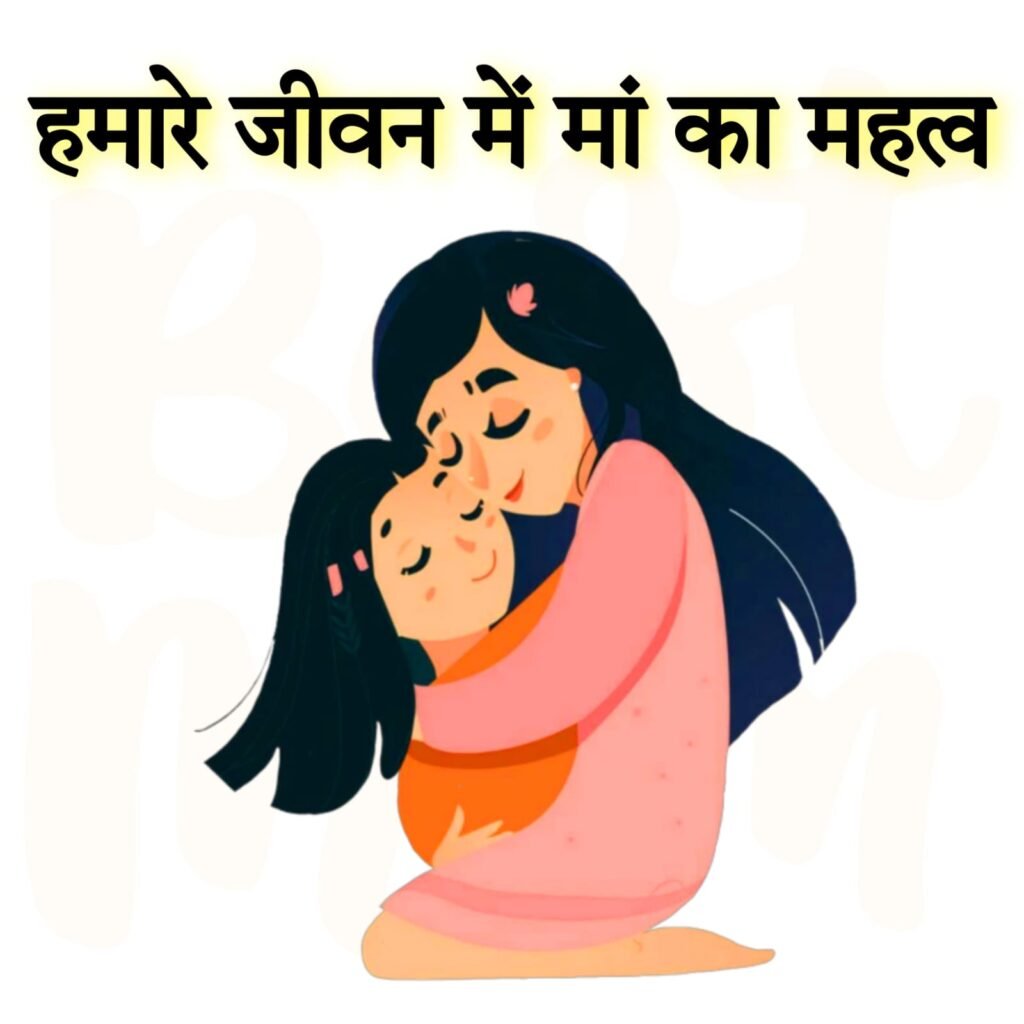
The word “mother” is small, yet it encompasses an entire universe. Many people search for the “importance of mother in our life” and “what is the role of a mother in a child’s life.” This article delves into that profound truth: a mother doesn’t just give birth; she sculpts the human being within us. Possessions like money, jobs, cars, and houses come and go with time. The feeling of a mother’s hand on your head is different. In childhood, she stays awake through the night; in old age, she reminds us to eat; and in the intervening years, she worries about us silently. In today’s fast-paced world, we often forget this – and regret it later.
Mother: Love, Security, and Patience
It’s difficult to confine a mother’s essence to words. Only those who have been mothers themselves, or have truly felt a mother’s presence, can grasp it even a little. A mother’s heart is vast – whether she has one child or many, she doesn’t measure her love. She fulfills roles as a daughter, wife, and daughter-in-law, but her “motherhood” often remains paramount. During our nine months in the womb, she nurtured us. Wherever she went, we were with her; what she ate, we received. Upon entering the world, our hunger, sleep, and cries were all her responsibility. As we grow, we often forget that learning to clean ourselves, eat, and bathe were taught by someone – often, that someone is our mother. The importance of a mother isn’t just an emotional matter. She is the home’s first security, first advisor, and often, the last resort. When the outside world tires us, a call from or a return to mother’s home restores our strength. Children who understand this often lead more balanced lives. Fact: Numerous psychological and family studies link secure attachment with a mother (or primary caregiver) to a child’s self-confidence, emotional stability, and future relationships. This means childhood affection is not just a “sweet memory” but the very foundation of personality. Every home is different; this is a general understanding, not a judgment on any individual.
Why is a Mother Called the First Teacher?
Before school, language, love, fear, and courage – all begin at home. Whether a mother is educated or not, she often teaches her child “what is right and what is wrong.” Simple habits like eating at the table, respecting elders, not lying, and apologizing for mistakes become significant life lessons. Moreover, a mother doesn’t just teach from books; she demonstrates through her actions. Speaking patiently at home, quietly managing tasks on difficult days, putting her own desires behind for the family – children learn all this by observation. That’s why she is called the first teacher. Teachers change; a mother’s lessons often stay with us for a lifetime. Today, children learn much from YouTube and phones. Yet, when they have a fever at night, feel scared, or their heart is broken – it’s often their mother they think of first. Technology offers convenience; a mother offers solace. Both have their distinct places.
What a Mother Provides (Simple Understanding)
- Security: Managing hunger, sleep, and fear in childhood; providing the assurance of “home” even when grown up.
- Education: Habits, values, language, behavior – the foundation before school.
- Love: Unconditional support; never abandoning you, even after mistakes.
- Courage: The belief of “you can do it” when you doubt yourself.
- Memories: The taste of food, lullabies, festivals – moments that stay with you forever.
Small Moments That Hold Great Meaning
A mother’s love isn’t always in grand gestures. It’s in preparing breakfast early in the morning, adjusting your blanket in the cold, silently praying before an exam, or asking “Are you tired?” upon returning from work. These seem ordinary but touch the heart deeply. Many recall: a mother’s hand stroking their head, sitting by their side all night when sick, secretly saving their favorite food, or simply waiting for their son or daughter’s call. These moments cannot be bought with money. They seem common when a mother is present; they haunt us when she is gone. This is why “importance of mother in our life” is not just an essay topic. It’s a daily accounting – did we speak kindly to our mother today? Did we just complain about tasks, or did we also ask how she was doing? “May I ask for this boon: to have this world again, to have this lap again, to have this mother again.”