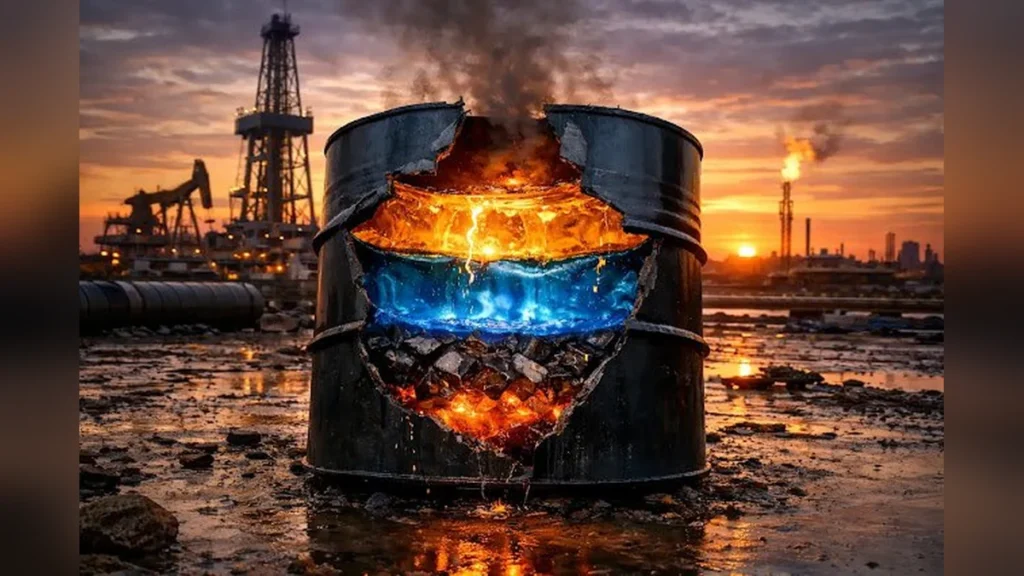
What is Crude Oil?
Crude oil, often called “black gold,” is a naturally occurring, thick, dark liquid found beneath the Earth’s surface. It’s formed over millions of years from the remains of ancient marine organisms and plants. Under immense heat and pressure deep underground, these organic materials transform into hydrocarbons, the primary component of crude oil. While mainly composed of carbon and hydrogen, it also contains smaller amounts of sulfur, nitrogen, and oxygen. Crude oil varies in density (light or heavy) and sulfur content (sweet or sour), influencing its refining process and market value. Lighter, sweeter crudes like Brent or West Texas Intermediate are generally easier to refine and more valuable.
Why is Crude Oil Called “Black Gold”?

The moniker “black gold” stems from its dark color and its immense value. Crude oil is indispensable to modern civilization, powering transportation, industries, agriculture, and homes. Its economic significance rivals that of gold, serving as a cornerstone of the global economy.
Crude Oil Refining: Transforming Raw Material into Usable Products
Raw crude oil is not directly usable. It must undergo a refining process at an oil refinery. The primary method used is fractional distillation. In this process, crude oil is heated to very high temperatures, turning it into vapor. This vapor rises through a tall distillation column, where temperature gradients exist at different heights. As the vapor cools, various hydrocarbons condense at different levels based on their distinct boiling points. This separation yields essential products like gasoline, diesel, kerosene, LPG, and others.
What Products Come From One Barrel of Crude Oil?

A standard barrel of crude oil contains approximately 159 liters (42 US gallons). The output from this single barrel is surprisingly diverse, extending far beyond just fuels. Here’s a typical breakdown:
Primary Energy Products:
- Gasoline (Petrol): Approximately 72 liters. The primary fuel for cars, motorcycles, and other small engines.
- Diesel Fuel: Approximately 45 liters. Used for trucks, buses, trains, ships, industrial machinery, and generators.
- Jet Fuel/Kerosene: Approximately 18-20 liters. Jet fuel powers aircraft, while kerosene is used for heating and in some lamps.
- Liquefied Petroleum Gas (LPG): Approximately 7-8 liters. Commonly used as cooking gas in homes and as fuel for some vehicles.
- Fuel Oil: Approximately 7-8 liters. Used in power generation, large ships, and industrial furnaces.
- Asphalt/Bitumen: Approximately 4-5 liters. A crucial component for road construction.
Other Important Products (Petrochemicals):
Beyond fuels, crude oil yields numerous by-products known as petrochemicals, which are the building blocks for countless everyday items:
- Plastics: Petrochemicals like ethylene and propylene are derived from crude oil, forming the basis for plastics such as polyethylene, polypropylene, and PVC. These are found in phones, laptops, clothing, bottles, packaging, and toys.
- Synthetic Fibers: Fabrics like nylon, polyester, and acrylic, commonly used in clothing, are made from petrochemicals.
- Medicines & Pharmaceuticals: Many pharmaceuticals, including aspirin and various antibiotics, are synthesized using compounds derived from crude oil.
- Cosmetics: Products like lipstick, lotions, perfumes, shampoos, and makeup often contain petroleum-based ingredients.
- Paints & Dyes: The colors used in paints for homes and vehicles, as well as dyes for fabrics, originate from crude oil derivatives.
- Fertilizers & Pesticides: Many agricultural chemicals, including fertilizers and pesticides, are products of the petrochemical industry.
- Tires & Rubber Products: Synthetic rubber, used in vehicle tires, shoe soles, and other rubber goods, has crude oil as its base.
- Lubricants: Engine oils, greases, and other lubricants that ensure smooth machinery operation are derived from crude oil.
- Wax: Waxes used in candles, polishes, and some packaging materials are also by-products of crude oil refining.
This extensive list highlights how deeply crude oil is integrated into nearly every facet of our lives, from the moment we wake up until we go to sleep.
The Importance of Crude Oil in Our Lives
Crude oil is more than just an energy source; it’s a fundamental pillar of modern society. It provides mobility through vehicles, powers industries, and supplies countless products that enhance our quality of life. Fluctuations in its availability and price have direct and significant impacts on national economies and individual finances, making it a constant focus of global attention.
Environmental Impact and Future Directions
Despite its benefits, the use of crude oil has considerable environmental consequences. Burning fossil fuels releases greenhouse gases like carbon dioxide, contributing to air pollution and climate change. Oil spills can devastate marine ecosystems. Consequently, there’s a global shift towards cleaner energy sources such as solar, wind, and hydropower, alongside the increasing adoption of electric vehicles. While our reliance on crude oil is expected to decrease over time, it remains an indispensable part of our current lives.
Conclusion
The thick, dark liquid extracted from deep within the Earth, crude oil, is indeed “black gold.” A single barrel yields not only essential fuels like gasoline and diesel but also a vast array of products integral to our daily existence—from the clothes we wear and the medicines we take to our electronic devices and the roads we travel on. It underpins modern life, but its environmental impact necessitates a transition towards alternative and cleaner energy sources.
Frequently Asked Questions
Q1: What is the primary use of a barrel of crude oil?
The primary uses of a barrel of crude oil are for producing transportation fuels like gasoline and diesel, which account for the largest portions of the refined product.
Q2: Besides fuels, what are some other significant products from crude oil?
Besides fuels, significant products include plastics, synthetic fibers for clothing, pharmaceuticals, cosmetics, paints, fertilizers, and materials for tires and lubricants.
Q3: How does crude oil refining work?
Crude oil refining primarily uses fractional distillation, where crude oil is heated and separated into different components based on their boiling points in a distillation column.
Q4: What are petrochemicals and why are they important?
Petrochemicals are chemical products derived from crude oil. They are crucial because they serve as the fundamental building blocks for a vast range of everyday items, including plastics, synthetic fabrics, and medicines.
Q5: What is the environmental impact of crude oil consumption?
Crude oil consumption contributes to air pollution and climate change through the release of greenhouse gases when burned. Oil spills also pose significant threats to marine ecosystems.