Slug: `delhi-hawa-sardi-nahi-sources-weather-policy`
Focus: Delhi air pollution causes analysis
श्रेणी: 85 न्यूज़ और ट्रेंडिंग
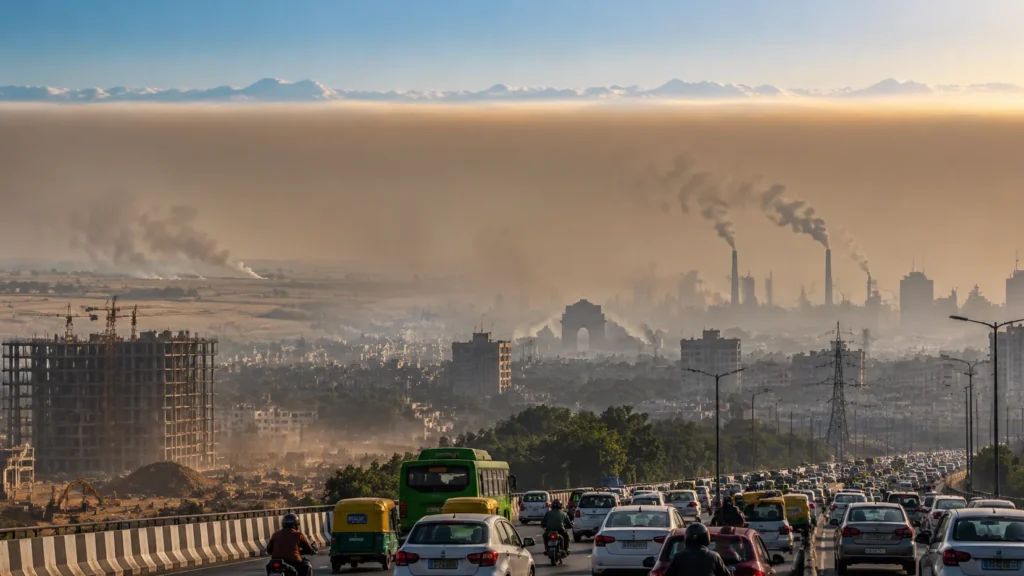
दिल्ली की हवा पर चर्चा अक्सर अक्टूबर से जनवरी के बीच तेज होती है। आसमान धुंधला दिखता है, AQI bulletin सुर्खियों में आता है, स्कूलों और construction पर रोक की बातें होती हैं और फिर बहस वाहन, पराली या किसी एक “दोषी” पर टिक जाती है। यह framing सुविधाजनक है, लेकिन अधूरी है। दिल्ली का air pollution केवल winter event नहीं है। यह पूरे साल चलने वाली emissions, land-use, traffic, energy use और regional transport की कहानी है, जिसे मौसम कुछ दिनों में बहुत visible और खतरनाक बना देता है।
इसे समझने के लिए तीन परतों को साथ देखना जरूरी है: स्रोत (sources), मौसम और atmospheric chemistry, तथा policy और implementation। स्रोत बताते हैं कि pollutants हवा में आए कहां से। मौसम तय करता है कि वे dilute होंगे या जमीन के पास फंसेंगे। नीति यह तय करती है कि रोकथाम, monitoring, enforcement और public health response किस तरह काम करेंगे। अगर इन तीनों में से एक परत को ही पूरा explanation मान लिया जाए, तो उपाय headline तो बन सकता है, पर समस्या का स्थायी समाधान नहीं।
पहली बात: AQI हवा में मौजूद स्थिति बताता है, अपराधी की पहचान नहीं
AQI एक communication tool है। इसमें अलग-अलग pollutants के measured levels को health categories में समझने लायक रूप दिया जाता है। यह किसी एक source का नाम नहीं बताता। किसी दिन PM2.5 का level traffic, industry, domestic fuel, dust, secondary particles और regional smoke के मिश्रण से बन सकता है। किसी दूसरे दिन wind direction, humidity और sunlight के कारण उसी शहर में तस्वीर अलग हो सकती है। इसलिए AQI बढ़ने पर “किसने कितना प्रतिशत pollution किया” जैसा सवाल बिना season, location, pollutant और methodology के नहीं पूछा जा सकता।
Source-apportionment studies उपयोगी हैं, लेकिन उनके नतीजे season और model assumptions के साथ बदलते हैं। Monitoring station road के पास है या residential area में, sample किस अवधि का है, local emissions और outside-air contribution को कैसे अलग किया गया—इन बातों से interpretation प्रभावित होती है। इसका मतलब यह नहीं कि studies पर भरोसा नहीं करना चाहिए। मतलब यह है कि किसी एक chart को पूरे साल और पूरी Delhi-NCR पर लागू करना गलत होगा।
वाहन: केवल exhaust pipe नहीं, पूरा mobility system
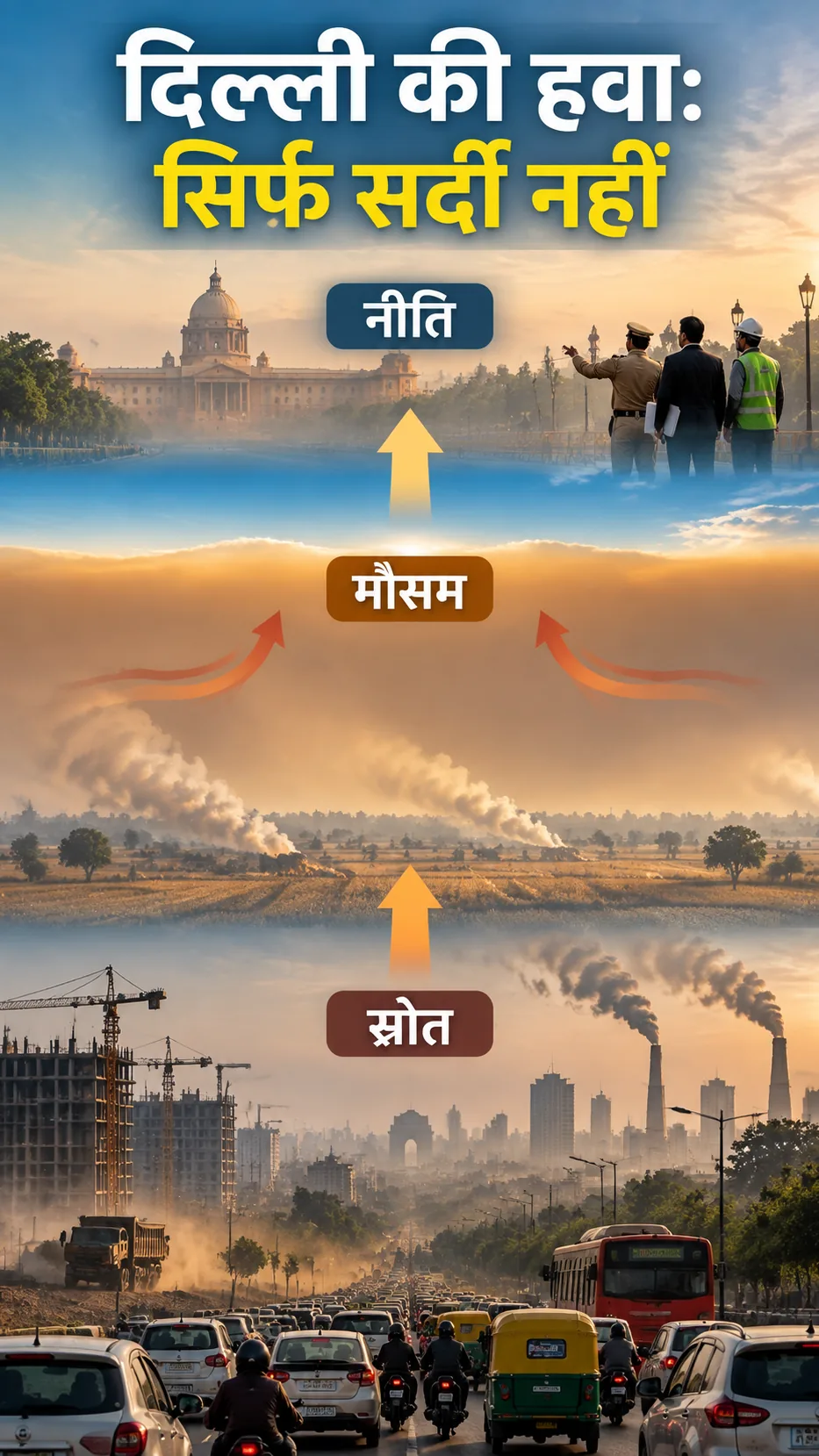
दिल्ली में vehicles pollution का महत्वपूर्ण और लगातार मौजूद source हैं। इसमें private cars, buses, trucks, delivery vehicles, two-wheelers, taxis और inter-state traffic सभी शामिल हैं। Traffic emissions में exhaust से निकलने वाले gases और particles तो आते ही हैं, पर कहानी यहीं खत्म नहीं होती। Brake और tyre wear, सड़क पर जमा धूल का दोबारा उड़ना, idling, congestion और पुराने vehicles की maintenance भी exposure बढ़ा सकते हैं। Heavy-duty diesel traffic का route और timing local air quality पर अलग असर डाल सकता है।
इसलिए केवल “नई car खरीदिए” या “odd-even लगाइए” पर्याप्त उत्तर नहीं है। शहर की road design, public transport की reliability, last-mile connectivity, parking pricing, freight windows और walking-cycling safety भी emissions तय करते हैं। यदि commuter के पास सुरक्षित और समय पर चलने वाला bus या metro connection नहीं है, तो उससे car छोड़ने की अपील सीमित असर करेगी। यदि delivery और freight को बेहतर scheduling नहीं मिलता, तो congestion दूसरे समय या दूसरे route पर shift हो सकता है।
Vehicle emission standards और PUC certificates जरूरी हैं, लेकिन real-world enforcement भी उतना ही जरूरी है। A vehicle test में pass होना और वास्तविक traffic में उसका लगातार साफ चलना अलग बातें हो सकती हैं। पुराने और poorly maintained vehicles, tampered pollution-control systems, fuel quality, inspection capacity और enforcement consistency पर काम करना पड़ता है। Electric vehicles tailpipe emissions कम कर सकते हैं, पर charging के लिए साफ electricity, battery lifecycle, public charging और affordable access की अपनी policy जरूरतें हैं। EVs tyre और brake wear को खत्म नहीं करते, और वे congestion का स्थानापन्न नहीं हैं।
उद्योग, power और छोटे combustion sources
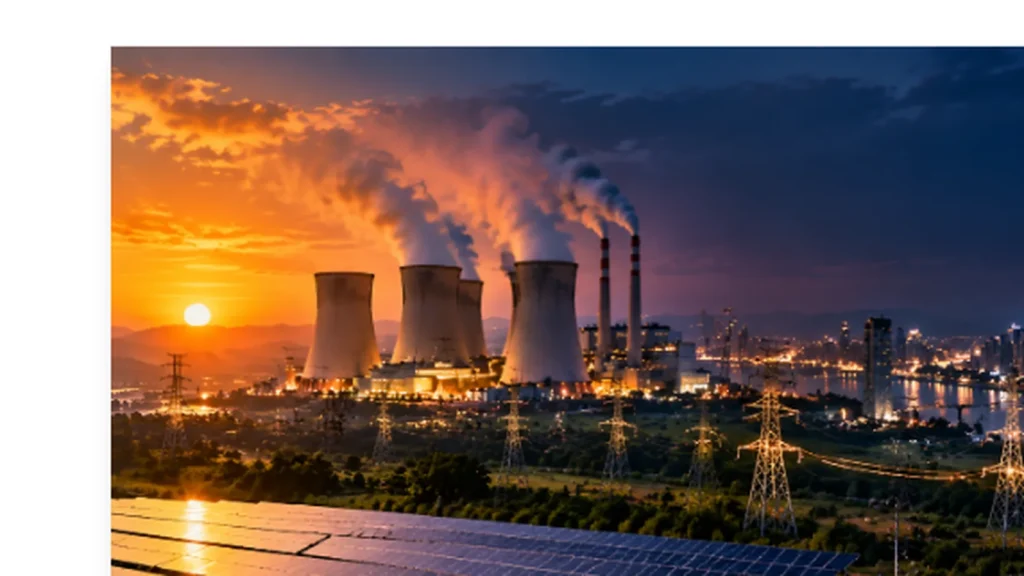
Delhi-NCR एक interlinked airshed है। Pollutants administrative boundary पर रुकते नहीं। Industrial boilers, brick kilns, power generation, metal processing, stone cutting, hot-mix plants, diesel generator sets, waste burning और छोटे commercial units की emissions अलग-अलग जगहों से आती हैं। हर unit का pollutant profile समान नहीं होता। कोई unit particulate matter में योगदान दे सकती है, तो कोई nitrogen oxides, sulphur compounds या volatile organic compounds छोड़ सकती है, जो आगे secondary particulate matter या ozone chemistry में भूमिका निभाते हैं।
Industry के मामले में binary debate—“industry बंद करो” बनाम “industry को कुछ मत कहो”—काम नहीं करती। Cleaner fuel, stack controls, process change, energy efficiency, continuous monitoring, reliable electricity और transparent compliance एक साथ चाहिए। नियम लिखे होने से emissions अपने आप नहीं रुकतीं। Inspection की गुणवत्ता, data की public availability, violation पर predictable action और छोटे units को technology तथा finance तक पहुंच भी जरूरी है।
Diesel generator पर अस्थायी प्रतिबंध तब कमजोर पड़ सकता है जब power reliability का विकल्प नहीं दिया गया हो। Construction sites को cover करना, material को wet रखना और transport को व्यवस्थित करना कागज पर आसान है; हजारों sites, subcontractors और municipal roads में इसे verify करना प्रशासनिक चुनौती है। यही कारण है कि policy को केवल ban की भाषा नहीं, बल्कि measurable compliance और practical alternatives की भाषा में भी बनना चाहिए।
धूल: construction, सड़क और जमीन की परत
Delhi की हवा में dust एक visible और invisible दोनों तरह की समस्या है। बड़े construction projects, road widening, demolition, open plots, unpaved shoulders, टूटे pavements, uncovered trucks और loose material से coarse dust उड़ सकती है। Heavy traffic सड़क की धूल को फिर suspend करता है। Coarse particles आंख और गले को irritate कर सकते हैं, जबकि fine particles ज्यादा दूर तक जाकर सांस के साथ अंदर पहुंच सकते हैं।
Dust control को केवल construction ban से जोड़ना भी अधूरा है। Site entry पर wheel-washing, trucks को cover करना, debris को ढकना, material storage को सुरक्षित रखना, नियमित mechanical cleaning, paved shoulders और excavation management जैसे steps चाहिए। इनके लिए नगर निकाय, contractors, traffic police और pollution-control agencies के बीच रोजमर्रा का coordination चाहिए। यदि एक agency आदेश जारी करे और दूसरी agency के पास staff, equipment या data न हो, तो compliance कमजोर रहेगा।
पराली और regional smoke: महत्वपूर्ण, पर अकेली कहानी नहीं
Crop-residue burning को Delhi-NCR की winter pollution story में नजरअंदाज नहीं किया जा सकता। Harvest cycles के बाद खेतों में residue जलने से smoke plume बन सकते हैं, और हवा की दिशा अनुकूल होने पर उनका असर NCR तक पहुंच सकता है। यह regional transport का मामला है, केवल Delhi municipal administration का नहीं। Farmers के लिए residue management का सवाल cost, time, machinery access, cropping schedule, labour और local alternatives से जुड़ा है। इसलिए केवल दंड या moral blame टिकाऊ policy नहीं बनाता।
लेकिन पराली को हर winter peak का single explanation भी नहीं कहा जा सकता। Delhi के local vehicles, industry, dust, waste burning, household और commercial fuel use तथा secondary aerosol formation पूरे साल मौजूद रहते हैं। Regional smoke का contribution मौसम और wind pattern के साथ बदलता है। कुछ दिनों में यह बड़ा factor हो सकता है, कुछ दिनों में कम। सही response में satellite observation, ground monitoring, farm-level support, residue collection, viable markets, enforcement और interstate coordination चाहिए।
Crop-residue management के कई रास्ते हो सकते हैं—mulching, in-situ treatment, baling, biomass use और crop planning—लेकिन हर क्षेत्र में एक ही option काम नहीं करेगा। Machines की पहुंच, खेत का आकार, timing और local procurement महत्वपूर्ण हैं। Delhi में केवल emergency restrictions लगाने से खेत की economics नहीं बदलती।
मौसम inversion को villain नहीं, amplifier समझिए
Winter में Delhi की हवा अक्सर इसलिए बहुत खराब दिखती है क्योंकि emissions अचानक पैदा नहीं होतीं; atmosphere का ventilation कमजोर हो जाता है। सामान्य स्थिति में जमीन के पास की गर्म हवा ऊपर उठ सकती है और हवा vertical तथा horizontal mixing के जरिए pollutants को dilute कर सकती है। Temperature inversion में ऊपर की हवा अपेक्षाकृत गर्म और नीचे की हवा ठंडी रहती है। यह stable layer mixing को रोकती है। Pollutants surface के पास जमा होते हैं और धुंध, humidity तथा particles मिलकर दृश्यता और air quality खराब कर सकते हैं।
कम wind speed और shallow mixing height इस effect को बढ़ा सकते हैं। Fog और high humidity particles के water uptake तथा light scattering को प्रभावित कर सकते हैं। Sunlight और gases की chemistry के कारण secondary particles बनना भी संभव है। इसलिए एक ही emission load अलग meteorological conditions में अलग AQI दे सकता है। Weather forecast air-quality forecast के लिए उतना ही महत्वपूर्ण है जितना emission inventory।
यह भी समझना चाहिए कि inversion pollution का मूल source नहीं है। अगर हवा में emissions नहीं होंगी, तो inversion के पास फंसाने के लिए कम material होगा। पर जब traffic, industry, dust और smoke पहले से मौजूद हों, तो inversion उन्हें concentrated exposure में बदल देता है। इसी वजह से winter crackdown से कुछ राहत दिख सकती है, लेकिन local emissions घटे बिना अगले stable episode में समस्या लौट सकती है।
दिल्ली की हवा साल भर कैसे बदलती है
Winter सबसे visible season है, पर calendar के बाकी हिस्से खाली नहीं हैं। Monsoon में बारिश और तेज mixing कई pollutants को temporarily कम कर सकती है, फिर भी traffic और industry बंद नहीं होते। बारिश के बाद धूप निकलने पर chemistry बदलती है। Summer में तेज धूप nitrogen oxides और volatile organic compounds की reactions के जरिए ground-level ozone को बढ़ा सकती है; ozone एक अलग pollutant है और केवल “धूल” की भाषा में नहीं समझा जा सकता। Pre-monsoon में dry soil और construction dust महत्वपूर्ण हो सकते हैं।
Autumn में harvesting cycle, changing wind और cooling nights regional smoke तथा local emissions के साथ overlap कर सकते हैं। Winter में low wind, inversion, humidity और कम mixing height severe episodes का मंच तैयार करते हैं। इसलिए “winter action plan” जरूरी हो सकता है, लेकिन उससे पहले year-round baseline action होना चाहिए। Clean air को emergency season की temporary जीत नहीं, public infrastructure outcome मानना होगा।
नीति की तीन परतें: prevention, emergency और public health
एक मजबूत policy architecture को कम-से-कम तीन स्तरों पर काम करना चाहिए। पहला, structural prevention: public transport और clean mobility, industrial fuel और process controls, reliable power, dust management, waste collection, crop-residue alternatives और regional land-use planning। इनका लाभ धीरे-धीरे आता है, पर वे emissions की जड़ पर असर डालते हैं।
दूसरा, episode management: जब forecast बताता है कि ventilation बहुत खराब होगी, तब GRAP जैसी graded measures construction, traffic, generators और other activities पर चरणबद्ध restrictions लगा सकती हैं। Forecast-based action reactive ban से बेहतर है क्योंकि agencies पहले तैयारी कर सकती हैं। लेकिन emergency plan तभी प्रभावी होगा जब baseline emissions पहले से नीचे लाई गई हों और enforcement capacity तैयार हो।
तीसरा, public health protection: लोगों को clear advisories, school and workplace protocols, healthcare readiness और indoor-air guidance चाहिए। Vulnerable groups—बच्चे, बुजुर्ग, गर्भवती लोग तथा asthma, COPD या heart disease वाले लोग—high-pollution days पर अधिक सावधानी बरत सकते हैं। Mask सही तरह से पहनना exposure कम करने में मदद कर सकता है, पर mask city-wide source control का विकल्प नहीं। Indoor air भी खराब हो सकती है; ventilation का निर्णय outdoor conditions और building use के हिसाब से होना चाहिए।
CAQM, CPCB, state pollution-control boards, municipal bodies, transport departments, police, agriculture departments और neighbouring states की जिम्मेदारियां अलग हैं। Citizen के लिए agency map स्पष्ट होना चाहिए: complaint कहां करें, data कौन जारी करता है, action कौन लेता है और outcome कैसे track होगा। “Delhi government बनाम neighbouring state” जैसी राजनीतिक framing coordination की असली जरूरत को छिपा सकती है। Airshed governance में shared targets, compatible data और जवाबदेही की जरूरत है।
bans और odd-even क्यों अक्सर short-term उपाय रह जाते हैं
Ban का फायदा zero नहीं होता। यदि किसी highly polluting activity को कुछ दिनों के लिए रोकना जरूरी हो, तो वह episode के peak को कम कर सकता है। Problem तब होती है जब ban को permanent source reduction समझ लिया जाए। Construction ban emissions को रोक सकता है, लेकिन roads, vehicles, industry, household fuel और regional smoke चलते रह सकते हैं। Ban हटने के बाद deferred work एक साथ लौट सकता है। बिना inspection और alternatives के ban informal activity, night work या nearby jurisdiction में displacement भी कर सकता है।
Odd-even भी एक targeted demand-management tool है, complete clean-air policy नहीं। इसका असर rule design, exemptions, public-transport capacity, compliance, carpooling, freight और actual traffic behaviour पर निर्भर करता है। यदि लोग दूसरी car, taxi या two-wheeler का उपयोग करें, trip बदल दें या traffic बाहरी roads पर shift हो जाए, तो headline reduction और actual exposure अलग हो सकते हैं। Local weather episode के बीच कुछ दिन का comparison भी causal proof नहीं बनता।
ऐसी measures का सही स्थान layered plan में है: forecast से पहले predictable trigger, transparent evaluation, public transport reinforcement, freight planning और source-specific enforcement। हर restriction के बाद data जारी होना चाहिए—कौन सा pollutant बदला, किस area में बदला, weather क्या था और compliance कैसा रहा। बिना evaluation के policy ritual बन जाती है।
एक बेहतर framework: emissions, exposure और accountability
दिल्ली को केवल city boundary नहीं, airshed के रूप में plan करना चाहिए। सबसे पहले reliable, comparable monitoring चाहिए—fixed stations, mobile measurements, meteorology, traffic counts और industrial data को जोड़कर। Source inventory को seasonally update करना होगा। Satellite smoke maps useful हैं, लेकिन ground data का स्थान नहीं लेते। Public dashboard में uncertainty भी दिखाई जानी चाहिए, ताकि false precision से बचा जा सके।
दूसरे, policy को emissions और exposure दोनों पर measure करना होगा। किसी industrial stack से total emission घटे, यह अच्छा है; लेकिन school, hospital, roadside worker और residential neighbourhood के exposure में क्या बदला, यह भी देखना होगा। Green buffers हर समस्या हल नहीं करते, पर road design, dust control और active-mobility safety के साथ exposure management में मदद कर सकते हैं।
तीसरे, incentives और enforcement को साथ रखना होगा। Cleaner technology के लिए finance और technical support, farmers के लिए residue alternatives, small industries के लिए transition assistance और households के लिए clean cooking access दी जाए; साथ ही repeated non-compliance पर credible penalty हो। केवल subsidy से compliance नहीं और केवल fine से transition नहीं होता।
अंत में accountability दिखाई देनी चाहिए। Annual targets को pollutant-wise, sector-wise और agency-wise बनाया जा सकता है। Public procurement, fleet conversion, road dust contracts, construction compliance और crop-residue schemes का independent audit होना चाहिए। Policy का अर्थ press conference नहीं, measured improvement है।
आम नागरिक क्या कर सकता है?
Citizen action source control का substitute नहीं है, फिर भी exposure और demand दोनों में मदद कर सकता है। High-pollution days पर outdoor strenuous exercise को कम करें, traffic-heavy route पर लंबे समय तक न रुकें और sensitive family members के लिए doctor की सलाह और prescribed medicines तैयार रखें। अच्छी fitting वाला particulate respirator कुछ exposure घटा सकता है; उसे सही तरह से पहनना और समय पर बदलना जरूरी है। Indoor में धुआं, incense, smoking और unfiltered combustion कम रखें। Air purifier खरीदना हर परिवार के लिए अनिवार्य उत्तर नहीं; कमरे की जरूरत, filter maintenance, electricity और ventilation plan समझकर निर्णय लें।
छोटी दूरी पर safe walking, cycling, public transport या ride-sharing संभव हो तो अपनाएं, लेकिन इसे moral test न बनाएं। Workers और delivery staff की safety employers और city planning की भी जिम्मेदारी है। कूड़ा न जलाएं, construction material खुला न छोड़ें और local complaint mechanism में फोटो तथा location के साथ रिपोर्ट करें। AQI screenshot के साथ source पर निष्कर्ष न निकालें; official data, forecast और health advisory पढ़ें।
निष्कर्ष: सर्दी symptom को amplify करती है, समस्या पैदा नहीं
दिल्ली की खराब हवा का honest answer किसी एक villain में नहीं मिलता। Vehicles और congestion, industry और combustion, construction तथा road dust, waste और household sources, crop-residue smoke, regional transport और secondary chemistry—ये अलग-अलग gears हैं। Winter inversion और low ventilation इन gears का असर surface पर जमा कर देते हैं। इसलिए सर्दी में समस्या सबसे तीखी दिखाई देती है, मगर emissions का calendar साल भर चलता है।
स्थायी सुधार के लिए तीनों परतों को साथ बदलना होगा: sources को लगातार कम करना, मौसम और chemistry के आधार पर पहले से forecast करना, और policy को prevention, emergency response तथा health protection में बांटना। Bans और odd-even कभी-कभी एक episode संभाल सकते हैं; वे अकेले clean-air strategy नहीं हैं। दिल्ली को ऐसी नीति चाहिए जो farmer को workable option, commuter को reliable alternative, industry को cleaner transition, agency को स्पष्ट जिम्मेदारी और नागरिक को भरोसेमंद data दे। तभी “दिल्ली की हवा सिर्फ सर्दी की समस्या नहीं” एक headline नहीं, पूरे साल की governance priority बनेगी।
FAQ: दिल्ली की हवा को लेकर पांच जरूरी सवाल
1. क्या दिल्ली का pollution केवल पराली जलाने से होता है?
नहीं। Crop-residue smoke कुछ मौसमों और wind conditions में महत्वपूर्ण regional contribution दे सकता है, लेकिन vehicles, industry, construction dust, waste burning, household और commercial fuel तथा secondary particles local और year-round factors हैं। Contribution season और place के साथ बदलता है; single-cause explanation misleading है।
2. Inversion क्या होती है और इससे AQI क्यों बिगड़ता है?
Inversion में नीचे की ठंडी हवा के ऊपर अपेक्षाकृत गर्म हवा की stable layer बनती है। इससे vertical mixing कमजोर होती है और surface के पास मौजूद pollutants dilute नहीं हो पाते। Inversion source नहीं, amplifier है—emissions कम होंगी तो फंसने वाला pollution भी कम होगा।
3. क्या odd-even से Delhi की air साफ हो जाएगी?
Odd-even private-car use को कुछ हद तक target कर सकता है, लेकिन air quality पर vehicles के अलावा industry, dust, freight, generators, regional smoke और weather का भी असर है। Public transport, exemptions, compliance और traffic displacement के कारण outcome अलग हो सकता है। इसे layered plan का एक सीमित tool समझना चाहिए।
4. क्या बारिश से pollution की समस्या स्थायी रूप से खत्म हो जाती है?
बारिश और बेहतर ventilation pollutants को अस्थायी रूप से कम कर सकते हैं, लेकिन sources बने रहते हैं। बारिश रुकने के बाद traffic, industry, dust और atmospheric chemistry फिर असर डाल सकते हैं। Clean air के लिए year-round emission reduction जरूरी है।
5. High AQI वाले दिन आम व्यक्ति क्या करे?
Official forecast और health advisory देखें, लंबे outdoor exertion तथा heavy-traffic exposure को घटाएं, धुआं और indoor combustion से बचें, और यदि asthma या heart-lung condition है तो clinician की सलाह मानें। अच्छी fitting वाला particulate mask कुछ exposure कम कर सकता है, पर वह source control और medical care का विकल्प नहीं है।
Editorial note: AQI, source contribution, restrictions और health guidance समय तथा स्थान के साथ बदल सकते हैं। Publication से पहले latest CPCB/CAQM advisories, local monitoring और current scientific assessments verify करें।
डिस्क्लेमर: प्रदूषण विश्लेषण शैक्षिक है। स्वास्थ्य सलाह चिकित्सक से लें; आँकड़े आधिकारिक स्रोतों से जाँचें।