2026 में Google Search केवल दस blue links की सूची नहीं रह गया है। कई सवालों पर results page के ऊपर AI Overview नाम का AI-generated snapshot दिखाई दे सकता है। उसके नीचे सामान्य web results, ads और दूसरे Search features रहते हैं। जरूरत लगे तो पाठक उसी विषय पर AI Mode में जाकर follow-up सवाल पूछ सकता है, अपनी तस्वीर दिखा सकता है या voice से संदर्भ बदल सकता है। इसलिए आज “Google AI Overview कैसे काम करता है” समझना, सिर्फ एक feature समझना नहीं बल्कि search behaviour का नया ढांचा समझना है।
यह लेख Google Search Central और Google Search Help में बताई गई दिशा को 2026 के संदर्भ में सरल Hinglish में खोलता है। Interfaces, models और availability बदल सकते हैं; इसे ranking guarantee या हर query पर लागू नियम न समझें।
जल्दी सार (Quick Summary)
- **AI Overview** तब दिखता है जब Google का system अनुमान लगाता है कि AI snapshot, classic results के ऊपर, सवाल को जल्दी समझने में अतिरिक्त मदद देगा। यह हर query पर नहीं आता।
- Snapshot web पर उपलब्ध सामग्री, Google के existing Search systems, Knowledge Graph और प्रसंग के अनुसार shopping या local data जैसे स्रोतों को जोड़ कर बनता है। Generative AI गलती कर सकता है, इसलिए links को खोलकर verification जरूरी है।
- **AI Mode** एक deeper search experience है। इसमें conversational follow-ups, multi-step research और text, voice तथा image जैसे multimodal inputs काम आ सकते हैं।
- Query fan-out में बड़े सवाल को छोटे, संबंधित sub-questions में बाँटकर अलग-अलग sources खोजे जाते हैं और फिर उत्तर synthesize होता है।
- Citation के लिए indexed, crawlable, clear और genuinely useful pages के relevant passages महत्वपूर्ण हैं। एक keyword भर से citation नहीं मिलता।
- AI Overview और AI Mode के links अलग हो सकते हैं, क्योंकि दोनों का context, retrieval और presentation अलग हो सकता है।
- Classic blue links गायब नहीं हुए हैं। AI features उनके ऊपर एक अतिरिक्त layer हैं; Web filter जैसे विकल्प से traditional result view लिया जा सकता है।
Traditional Search और AI Search में फर्क
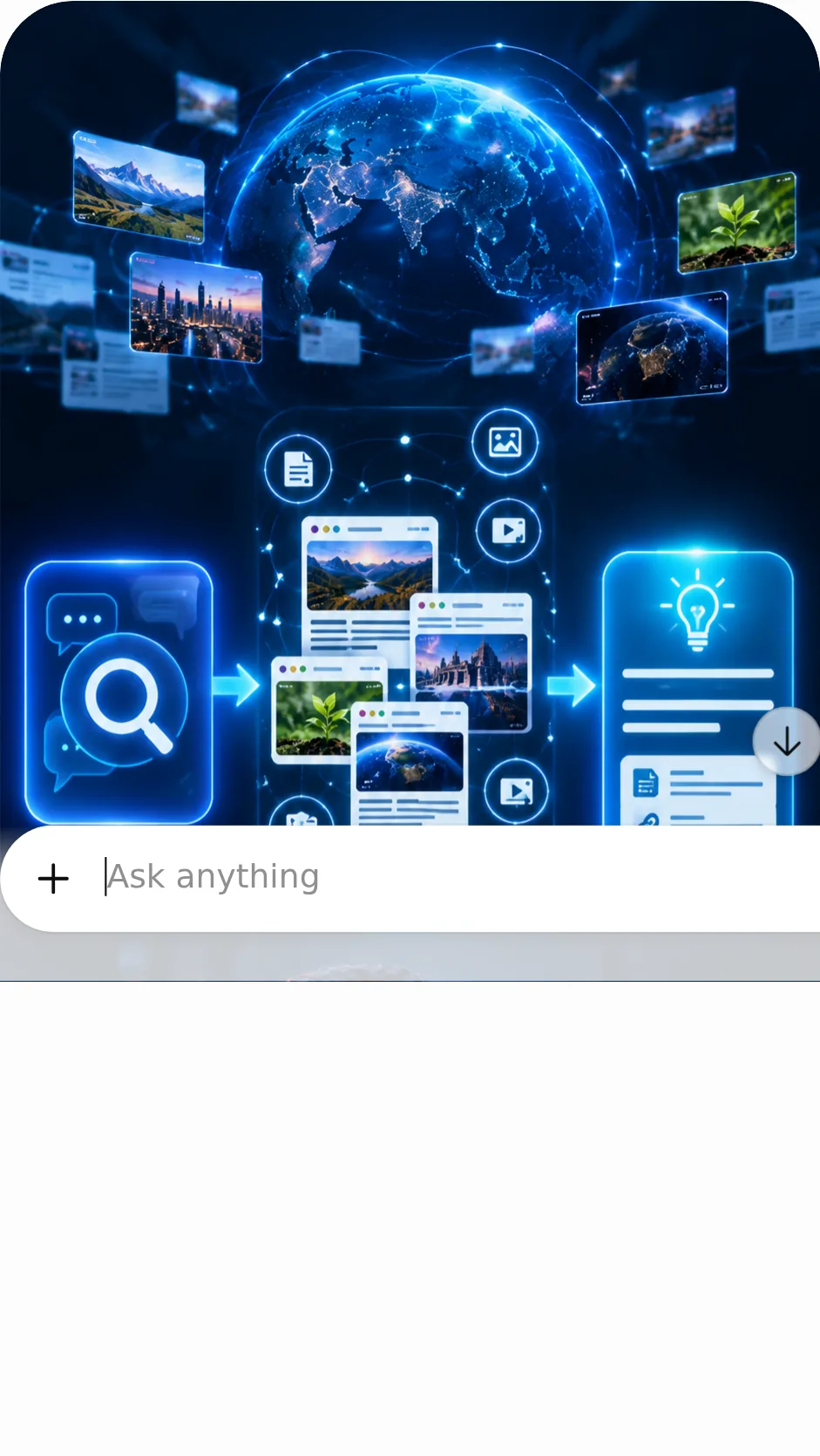
Traditional search में user छोटा keyword लिखता है—जैसे `best budget phone 2026`—और ranking system pages की list देता है। पाठक snippets देखकर कई tabs खोलता, facts मिलाता और अपना निष्कर्ष निकालता है। यह method तब अच्छा है जब हमें अलग-अलग opinions, original documents या किसी खास site तक पहुँचना हो।
AI search पहले user intent को natural language में समझने की कोशिश करता है। वह “भारत में 20,000 रुपये के अंदर ऐसा phone कौन-सा है जिसकी battery अच्छी हो, camera average से बेहतर हो और 2026 में update policy साफ हो?” जैसे सवाल को comparison task मान सकता है। फिर कई dimensions पर evidence खोजकर एक readable summary बनाता है। इससे first answer जल्दी मिलता है, लेकिन synthesis के साथ error और context छूटने का risk भी आता है।
| पहलू | Traditional Google Search | AI Overview / AI Mode |
|---|---|---|
| Input | छोटे keywords या एक सीधा सवाल | conversational, लंबा और multi-part सवाल |
| Output | ranked links, snippets और features | synthesized snapshot, citations और follow-ups |
| Research | user अलग pages पढ़कर जोड़ता है | system कई subtopics खोजकर initial synthesis करता है |
| Control | URL और source selection ज्यादा स्पष्ट | answer तेज, पर source खोलकर जांच जरूरी |
| Best use | original source, latest detail, अलग opinions | overview, comparison, planning और iterative questions |
| Limitation | समय अधिक लग सकता है | hallucination, outdated context या over-compression संभव |
AI Overview कैसे काम करता है: step-by-step
1. Query और intent की पहचान
पहले system query के शब्दों के साथ उसका उद्देश्य, ambiguity और freshness समझता है। “AI Mode क्या है?” informational हो सकता है, जबकि “दिल्ली में आज शाम बारिश होगी?” local और time-sensitive है। “इस photo में दिख रहे पौधे की देखभाल?” multimodal intent है। Language, location और recent conversation context भी answer के रूप को प्रभावित कर सकते हैं।
2. तय होता है कि Overview उपयोगी है या नहीं
AI Overview कोई guaranteed top box नहीं है। Google के अनुसार AI features वहां दिखने के लिए हैं जहां वे classic Search से additive help दे सकें। Simple navigational query, बहुत risky context या ऐसा सवाल जिसका direct result पहले ही पर्याप्त हो, उसमें classic layout ज्यादा उपयोगी हो सकता है। User Web filter से AI presentation को हटाकर normal web results भी देख सकता है।
3. Query fan-out: बड़े सवाल को छोटे कामों में बाँटना
Complex query को system internally कई searches में बाँट सकता है। मान लीजिए सवाल है: “जयपुर में तीन दिन का family trip बनाइए, जुलाई में heat और बच्चों के लिए indoor options भी ध्यान में रखें।” इसके subtopics हो सकते हैं—मौसम, distances, opening hours, family attractions, travel time और indoor alternatives। इन related searches को concurrent तरीके से चलाने की अवधारणा को query fan-out कहा जाता है। यह exact published formula नहीं, बल्कि Google द्वारा AI Mode/AI features समझाने के लिए इस्तेमाल की गई दिशा है; implementation समय के साथ बदल सकती है।
4. Retrieval और grounding
अब system web index, relevant pages, Knowledge Graph और query-specific vertical data से material जुटाता है। Shopping-oriented सवाल में product attributes या merchant information, local सवाल में business/location signals और factual entity सवाल में structured knowledge मदद कर सकती है। इसका मतलब यह नहीं कि हर page को Knowledge Graph में होना चाहिए। साफ text, crawlability और context वाला normal HTML page भी source बन सकता है।
Grounding का उद्देश्य model को retrieved evidence से जोड़ना है। इसलिए answer में cited links उस claim के आसपास के passages से meaningful रूप से जुड़े होने चाहिए। Search Central की AI-features guidance कहती है कि AI features में दिखने के लिए कोई अलग “AI markup” या special secret file अनिवार्य नहीं है; सामान्य Search eligibility fundamentals लागू रहते हैं।
5. Synthesis, language और safety checks
Model मिले हुए evidence को duplicate हटाकर, sections में रखकर और user की भाषा में summarise करता है। Contradictory claims हों तो qualification—जैसे “कुछ sources के अनुसार”—आ सकती है, लेकिन हर बार perfect नहीं। System quality और safety checks भी लगा सकता है: medical, financial या current-events context में uncertainty और source checking अधिक जरूरी है। Snapshot को authoritative final verdict न समझें।
6. Snapshot, citations और आगे का रास्ता
Answer के साथ web links या source cards deeper reading का रास्ता देते हैं। Citation केवल decoration नहीं है; उसे claim की सीमा समझने के लिए खोलना चाहिए। “कौन-सी pages cited होती हैं” का कोई fixed public list नहीं है। Same query के wording, user context और index freshness बदलने से source set भी बदल सकता है।
AI Mode: Overview से आगे की बातचीत
AI Overview page पर compact answer है; AI Mode research को एक dedicated conversation में फैलाता है। User “इन तीन options में family के लिए कौन practical है?” या “budget 15% घटाकर दोबारा plan बनाओ” जैसे follow-ups कर सकता है। यह context बनाए रखने की कोशिश करता है, इसलिए query एक sentence की जगह multi-turn task बन जाती है। Text के साथ voice और image input उपलब्धता के अनुसार काम कर सकते हैं—उदाहरण के लिए किसी product की photo, handwritten list या chart को संदर्भ बनाना।
AI Mode का response हर बार Overview का विस्तार नहीं होता। अलग retrieval passes और ज्यादा sub-questions के कारण links अलग आ सकते हैं। जहां Overview high-level orientation देता है, AI Mode comparison, planning और iterative research में उपयोगी हो सकता है। फिर भी original pages, terms, prices और dates को verify करना user की जिम्मेदारी है।
कौन-से pages cite होने की संभावना रखते हैं?
यह checklist ranking promise नहीं है। इसका अर्थ सिर्फ यह है कि citation के लिए page और passage को समझने योग्य तथा evidence-rich बनाने से मदद मिलती है।
| संकेत | अच्छे page में क्या दिखता है | सावधानी |
|---|---|---|
| Index और crawl access | page indexed हो, important text rendered और accessible हो | robots/noindex या blocked content दिख नहीं पाएगा |
| Passage relevance | एक section सीधे सवाल के एक हिस्से का उत्तर दे | keyword stuffing और vague intro कमजोर हैं |
| Helpfulness | reader का काम पूरा करे, examples, steps और limitations दे | केवल AI-generated filler भरोसा नहीं बनाता |
| Evidence | primary document, data method, test details, quotes या references | unsupported superlative को fact न बनाएं |
| Freshness | update date और बदलने वाली जानकारी का स्पष्ट status | date बदलना ही freshness नहीं है |
| First-hand expertise | वास्तविक अनुभव, byline, author context और original observations | fake authority signals उल्टा नुकसान कर सकते हैं |
| Entity clarity | organization, product, place और terms का consistent नाम | ambiguous names से meaning गलत जुड़ सकता है |
| Technical clarity | descriptive title, headings, links, mobile readability | schema अकेले citation नहीं दिलाता |
Passage-level relevance बहुत महत्वपूर्ण है। अगर page का title अच्छा है लेकिन actual paragraph सवाल का जवाब नहीं देता, तो model के पास cite करने योग्य छोटा evidence unit नहीं होगा। इसके उलट छोटा, precise section भी useful हो सकता है, यदि वह broader page context में trustworthy हो।
Long queries क्यों बढ़ रही हैं?
AI interfaces लोगों को पूरा context एक साथ लिखने के लिए प्रेरित करते हैं। “Laptop” के बजाय “coding और video editing के लिए 70,000 के अंदर 16GB RAM वाला laptop, service network और battery compromise सहित compare करो” लिखना अधिक natural है। User यह उम्मीद करता है कि system criteria को याद रखकर next turn में सुधार देगा।
Google के early testing से जुड़ी reporting में AI Mode queries को traditional Search queries से लगभग दो गुना लंबा बताया गया था। इसे early test observation की तरह पढ़ना चाहिए, universal 2026 statistic या हर market का rule नहीं। Query length अपने-आप quality का प्रमाण नहीं; स्पष्ट intent और constraints ज्यादा मायने रखते हैं।
बेहतर long-query examples
1. “पुणे में first-time visitor के लिए शनिवार-रविवार का plan बनाओ, metro connectivity, rain backup और प्रति व्यक्ति 2,000 रुपये daily budget के साथ।”
2. “Class 10 के छात्र को photosynthesis समझाओ, पहले Hindi analogy, फिर 5-mark answer और अंत में common misconception।”
3. “इन दो insurance policies की waiting period, exclusions और claim documents की तुलना करो; official policy wording को प्राथमिकता देना।”
4. “मेरी photo में दिख रहे room layout के लिए बिना drilling के storage ideas दो, 10,000 रुपये से कम।”
इन queries में answer के कई components हैं। Publisher के लिए lesson यह है कि एक page एक ही keyword नहीं, बल्कि user के वास्तविक sub-questions को headings और direct passages में cover करे।
Video क्यों पीछे रह सकता है?
Video powerful format है, लेकिन AI snapshot के लिए text page की तरह हर claim तुरंत inspectable नहीं होता। Model को सही timestamp, speaker, context, transcript और video के publish/update status को समझना पड़ सकता है। Thumbnail या title में दावा होना और video में evidence का स्पष्ट होना अलग बातें हैं। Long video में relevant detail buried हो सकती है; language, caption quality और access भी बाधा बनते हैं।
इसका अर्थ यह नहीं कि video cite नहीं होगा। How-to demo, product test, interview या visual proof में वह बहुत उपयोगी source हो सकता है, खासकर जब transcript, chapters, captions और clear description मौजूद हों। लेकिन quick factual synthesis में well-structured HTML passage को retrieve और quote करना अक्सर आसान पड़ता है। Video-first publisher को transcript, chapter timestamps, key claims का text summary, creator expertise और supporting sources देना चाहिए—फिर भी citation की guarantee नहीं।
FACT BOX: आधिकारिक दिशा को सावधानी से पढ़ें
> FACT BOX
>
> Google Search Central / Google Search Help के अनुसार: AI Overviews AI-generated snapshots हैं जो useful होने पर web links के साथ दिख सकते हैं; generative AI mistakes कर सकता है। AI Mode deeper conversational और multimodal search experience है। AI features में दिखने के लिए अलग AI-only technical requirement बताई नहीं गई है—indexed, eligible और helpful Search content के सामान्य fundamentals महत्वपूर्ण हैं। Google की documentation evolving है, इसलिए rollout, names और controls बदल सकते हैं।
>
> यह box किसी site को Overview में आने का वादा नहीं करता। Google की documentation को current version में दोबारा पढ़ना चाहिए।
Advice: publishers और SEO teams क्या करें?
यह Advice है, ranking formula नहीं।
- Page का primary answer पहले साफ लिखें, फिर background, exceptions और examples दें।
- One intent per section रखें, लेकिन related sub-questions को natural headings में जोड़ें।
- Original data, methodology, screenshots, tests और firsthand experience publish करें; copied summaries से अलग value दें।
- Author bio, editorial policy, contact information और update notes से entity और accountability स्पष्ट करें।
- Claims को date, geography और conditions के साथ qualify करें। Price, policy, schedules और product specs के लिए change log रखें।
- Text को transcript, captions, tables और descriptive alt text के साथ accessible बनाएं। Images में जरूरी facts ही न छिपाएं।
- Internal links context के साथ लगाएं। Source links को vague “click here” के बजाय descriptive anchor दें।
- Search Console में indexing, mobile experience, impressions और query patterns देखें; AI citation को सीधे measure करने का universal report मानकर न चलें।
- Helpful content और people-first writing को priority दें। केवल AI Overview के लिए mass-generated pages बनाना sustainable strategy नहीं है।
- Page को natural तरीके से update करें। Artificial date changes, keyword stuffing और ranking guarantee वाले claims से बचें।
2026 का practical workflow: reader क्या करे?
पहले Overview को orientation की तरह पढ़ें, फिर citation cards और classic results खोलें। Health, law, money, safety, elections और breaking news में कम-से-कम एक primary/official source verify करें। AI Mode में follow-up करते समय constraints दोहराएं: location, date, budget और audience। अगर answer में confidence बहुत अधिक हो लेकिन evidence न दिखे, सवाल को छोटे parts में तोड़ें और original source खोजें।
Site owner के लिए भी यही principle है: AI answer को chase करने के बजाय ऐसा page बनाएं जिसे इंसान और retrieval system दोनों समझ सकें। Clear page structure, evidence और honest limits long-term value देते हैं; कोई single schema या secret phrase inclusion सुनिश्चित नहीं करता।
निष्कर्ष
Google AI Overview और AI Mode Search को link list से answer-and-research interface की ओर ले जा रहे हैं। Under the hood, intent understanding, query fan-out, multiple retrieval systems, grounding और generative synthesis मिलकर काम करते हैं। इससे long, conversational और multimodal questions आसान हो सकते हैं, पर answer को final truth मानने का कारण नहीं बनता।
Traditional blue links अभी भी original context, diverse viewpoints और verification का सबसे सीधा रास्ता हैं। 2026 में smart search habit यह है: AI snapshot से दिशा लें, citation खोलें, relevant passage पढ़ें और high-stakes claim को authoritative source से cross-check करें। Publishers के लिए smart habit है: indexed, helpful, evidence-backed, readable और genuinely first-hand content बनाना—बिना किसी ranking या citation guarantee के।
FAQ: 5 सवालों के जवाब
1. क्या AI Overview हर Google search पर आएगा?
नहीं। यह तभी दिख सकता है जब Google का system माने कि AI snapshot classic results के ऊपर अतिरिक्त मदद देगा। Query, context, country, device और product availability के अनुसार appearance बदल सकती है। Web filter से सामान्य web results देखे जा सकते हैं।
2. क्या AI Overview में आने के लिए अलग schema या special file चाहिए?
Google Search Central की guidance के अनुसार कोई अलग “AI-only” file अनिवार्य नहीं बताई गई। सामान्य indexing, crawl access, Search eligibility और helpful content fundamentals महत्वपूर्ण हैं। फिर भी किसी page को cite कराने की guarantee नहीं है।
3. AI Overview और AI Mode में links अलग क्यों होते हैं?
दोनों का purpose और depth अलग है। AI Mode follow-ups और fan-out के जरिए ज्यादा व्यापक या बदलता हुआ context खोज सकता है; Overview compact snapshot है। अलग retrieval pass, query wording और user context के कारण citation sets अलग होना स्वाभाविक है।
4. क्या video pages AI search में rank या cite नहीं होंगे?
ऐसा blanket rule नहीं है। Video visual demonstration और firsthand proof में मजबूत हो सकता है। लेकिन transcript, captions, chapters और clear context न होने पर individual claims को retrieve करना कठिन हो सकता है, इसलिए कुछ quick answers में text sources आगे दिख सकते हैं।
5. क्या लंबा सवाल लिखने से बेहतर AI answer मिलेगा?
लंबाई अकेली quality signal नहीं। Clear goal, constraints, location, date और desired format देने से intent समझने में मदद मिल सकती है। Google के early testing में AI Mode queries लगभग दो गुना लंबी report हुई थीं, लेकिन इसे universal current statistic या ranking rule नहीं मानना चाहिए।
डिस्क्लेमर: Google फीचर्स बदलते रहते हैं। आधिकारिक Help/Search Central देखें।