
Understanding Why You Get Nightmares
Waking up suddenly from a frightening dream, heart pounding and perhaps covered in a cold sweat, is a common and distressing experience. These unsettling episodes, known as nightmares, can disrupt your sleep and leave you feeling anxious. While occasional bad dreams are normal, frequent or particularly disturbing nightmares might indicate an underlying issue. Understanding the potential causes is the first step towards finding relief and improving your sleep quality.
Common Causes of Nightmares

Several factors can contribute to the occurrence of nightmares. Identifying which of these might be affecting you can be crucial in addressing the problem:
Sleep Deprivation and Fatigue
When your body and mind don’t get enough rest, the chances of experiencing nightmares increase. Sleep deprivation can lead to fragmented sleep cycles, making you more susceptible to disturbing dreams.
Stress, Anxiety, and Depression
High levels of stress, persistent anxiety, or depression are significant triggers for nightmares. Your emotional state during waking hours often influences the content and intensity of your dreams. Overthinking and negative thought patterns can also contribute.
Trauma and Emotional Shock
Experiencing or witnessing a traumatic event can lead to nightmares as the mind processes the distressing experience. This is a common symptom of conditions like Post-Traumatic Stress Disorder (PTSD).
Medications and Substances
Certain medications, including some antidepressants, blood pressure drugs, and Parkinson’s disease treatments, can have nightmares as a side effect. Additionally, excessive alcohol consumption or withdrawal from certain substances can also trigger bad dreams.
Physical Health Conditions
Some physical health issues can also be linked to nightmares. For instance, conditions like high blood pressure or sleep disorders such as sleep apnea may increase the likelihood of experiencing them.
Exposure to Disturbing Content
Watching scary movies, reading horror stories, or being exposed to other frightening content, especially close to bedtime, can sometimes influence your dreams and lead to nightmares.
Strategies to Prevent Nightmares
While you can’t always prevent nightmares entirely, several strategies can help reduce their frequency and intensity:
Prioritize Sufficient Sleep
Aim for 7-9 hours of quality sleep per night. Establish a regular sleep schedule, going to bed and waking up around the same time each day, even on weekends. Create a relaxing bedtime routine to signal to your body that it’s time to wind down.
Manage Stress and Anxiety
Incorporate stress-management techniques into your daily life. This could include meditation, deep breathing exercises, yoga, journaling, or spending time in nature. If stress or anxiety is significantly impacting your sleep, consider seeking professional help from a therapist or counselor.
Create a Relaxing Sleep Environment
Ensure your bedroom is dark, quiet, and cool. Invest in a comfortable mattress and pillows. Avoid screens (phones, tablets, TVs) for at least an hour before bed, as the blue light can interfere with sleep.
Limit Exposure to Frightening Content
Be mindful of what you consume before sleep. Avoid watching horror movies or engaging in activities that might cause distress close to bedtime.
Review Medications
If you suspect your medication is causing nightmares, discuss it with your doctor. They may be able to adjust the dosage or suggest an alternative medication.
Avoid Alcohol and Stimulants Before Bed
Limit alcohol intake, especially in the hours leading up to sleep. Avoid caffeine and nicotine in the late afternoon and evening.
When to Seek Professional Help

If nightmares are persistent, severely distressing, or significantly impacting your daily life and sleep quality, it’s advisable to consult a healthcare professional. They can help identify underlying causes and recommend appropriate treatments, which might include therapy (like Cognitive Behavioral Therapy for Insomnia – CBT-I) or medication adjustments.
Frequently Asked Questions About Nightmares
What are the most common causes of nightmares?
The most common causes include stress, anxiety, depression, sleep deprivation, trauma, certain medications, and exposure to frightening content. Sometimes, physical health conditions can also play a role.
Can stress cause nightmares?
Yes, high levels of stress and anxiety are very common triggers for nightmares. Your mind may process unresolved worries or fears during sleep.
How can I stop having nightmares?
To reduce nightmares, focus on managing stress, ensuring adequate sleep, creating a relaxing bedtime routine, avoiding disturbing content before bed, and limiting alcohol and stimulants. If they persist, consult a doctor.
Are nightmares a sign of a serious problem?
Occasional nightmares are normal. However, frequent, intensely disturbing nightmares that disrupt your sleep or cause significant distress could be a sign of an underlying issue like PTSD, anxiety disorders, or depression, and warrant professional evaluation.
What is the best way to deal with a nightmare after waking up?
After waking from a nightmare, try to calm yourself. Take deep breaths, remind yourself that it was just a dream, and perhaps have a glass of water. You might want to turn on a dim light for a few minutes or engage in a calming activity before trying to go back to sleep.
Conclusion
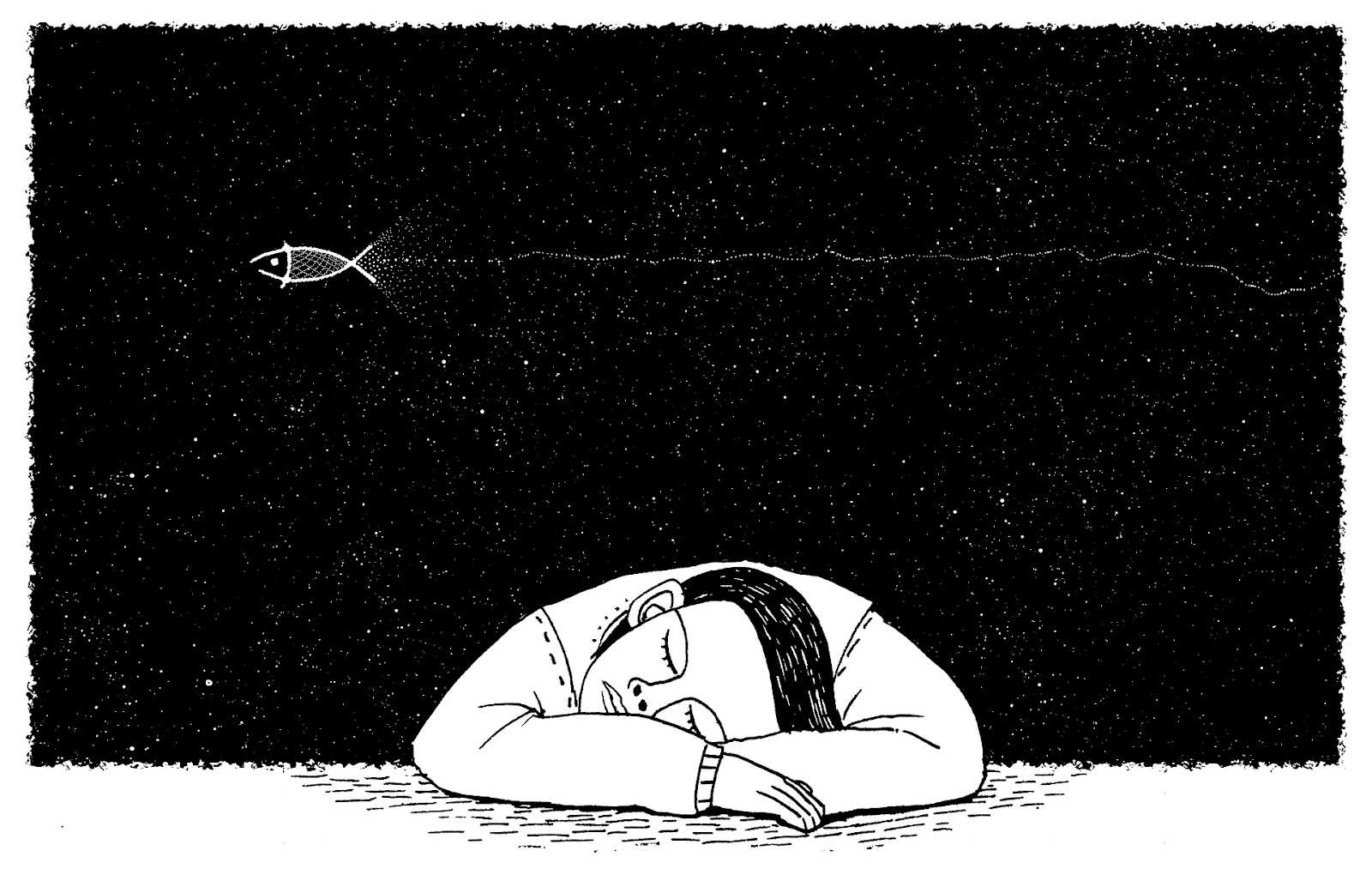
Nightmares, while unpleasant, are often a signal that something in your waking life needs attention. By understanding the potential causes and implementing practical strategies for stress management and sleep hygiene, you can significantly reduce the frequency of bad dreams and enjoy more peaceful, restorative sleep.