 Vista
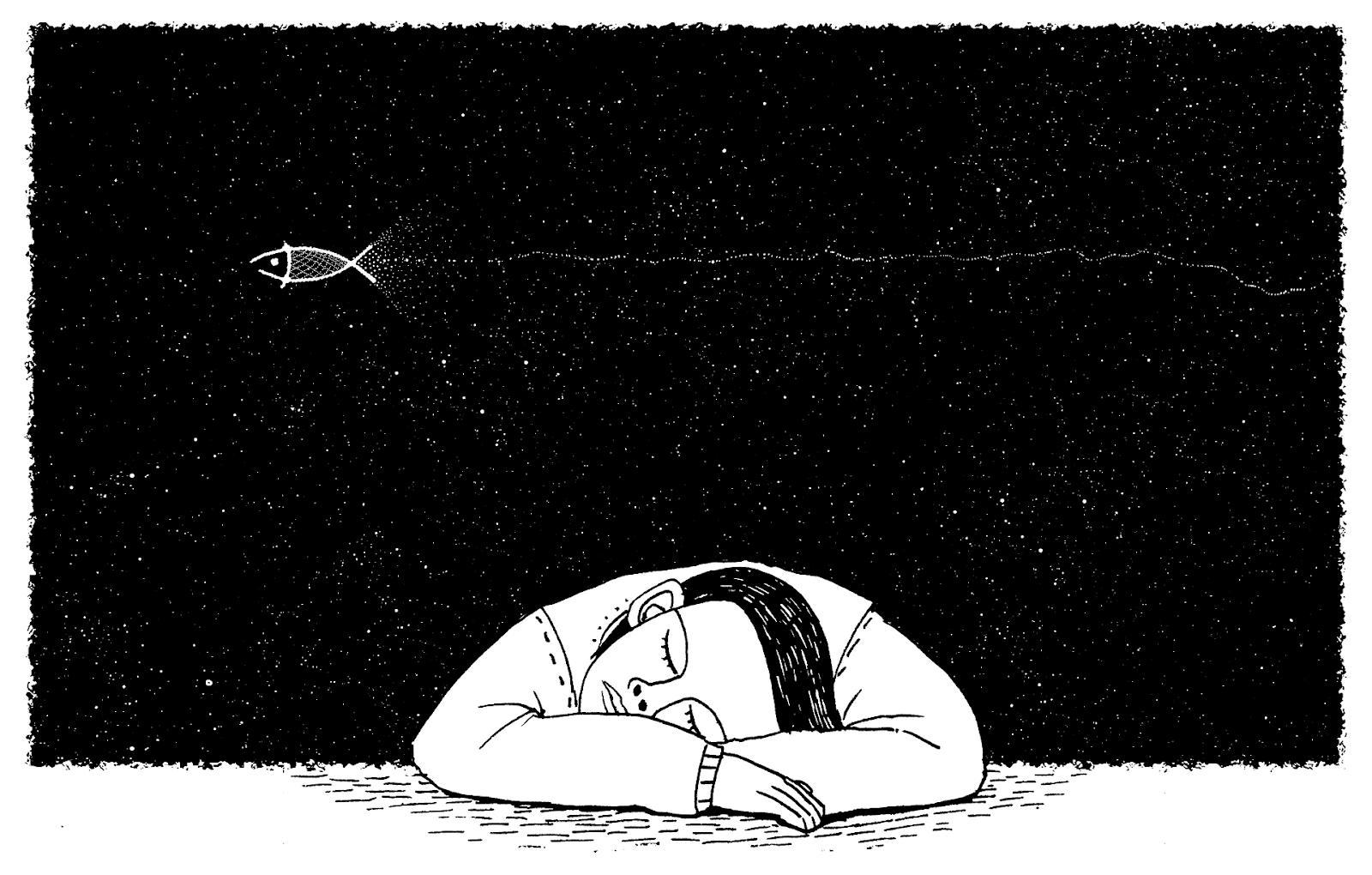
Why Can’t I Sleep at Night? Understanding the Causes and Finding Solutions
Do you find yourself staring at the ceiling night after night, waiting for morning to arrive? Has deep, restorative sleep become a distant dream? In today’s fast-paced world, sleeplessness, or insomnia, is a common challenge that impacts not only our physical health but also our mental well-being and daily functioning. At Vista Hub, we understand that good sleep is the foundation of a healthy life. This article delves into the primary reasons for not being able to sleep at night (neend na aane ke karan) and offers effective solutions (neend na aane ke upay) to help you reclaim your peace and enjoy sound sleep once more.
Major Causes of Sleeplessness
Sleeplessness can stem from a variety of interconnected factors. Understanding these causes is the first step toward finding a solution. They can broadly be categorized into lifestyle, mental/emotional, and physical/medical factors.
1. Lifestyle-Related Causes
- Excessive Screen Time: Our reliance on smartphones, laptops, and TVs is undeniable. The blue light emitted from these devices, especially when used close to bedtime, can disrupt the production of melatonin, the hormone that signals sleep to your body, making it difficult to fall asleep.
- Irregular Sleep Schedule: Going to bed and waking up at different times each day confuses your body’s natural internal clock, known as the circadian rhythm. This inconsistency can lead to difficulties in falling asleep at night.
- Caffeine and Alcohol Consumption: Consuming caffeinated beverages like tea, coffee, or energy drinks in the evening can keep you alert. While alcohol might initially induce drowsiness, it disrupts sleep quality, leading to frequent awakenings during the night.
- Heavy Meals Late at Night: Eating large, spicy, or heavy meals just before bed puts your digestive system to work, preventing your body from entering a relaxed state conducive to sleep.
- Lack of Physical Activity: A sedentary lifestyle means your body doesn’t expend enough energy. This can lead to a lack of physical fatigue at night, making it harder to fall asleep.
2. Mental and Emotional Causes
- Stress and Anxiety: In our demanding lives, stress is a major culprit. Worries about work, relationships, or finances can keep your mind racing, preventing you from relaxing enough to sleep. Anxious thoughts can keep you awake for hours.
- Depression: Depression is closely linked to sleep disturbances. Individuals with depression may experience insomnia or excessive sleeping, but the quality of sleep is often poor.
- Overthinking: Lying in bed and constantly replaying the day’s events or worrying about the future can be a significant reason for sleeplessness. A restless mind is a major barrier to sleep.
3. Physical and Medical Causes
- Pain or Chronic Illnesses: Persistent pain from conditions like arthritis, back pain, or headaches can interfere with your ability to fall and stay asleep.
- Respiratory Issues: Conditions such as Sleep Apnea, where breathing repeatedly stops and starts during sleep, severely impact sleep quality. Asthma or allergies can also cause breathing difficulties at night.
- Hormonal Imbalances: Changes in hormone levels due to conditions like thyroid problems, menopause, or pregnancy can affect sleep patterns.
- Certain Medications: Some medications, including certain antidepressants, blood pressure drugs, or steroids, can have insomnia as a side effect.
4. Environmental Factors
Your bedroom environment plays a crucial role. Excessive light, noise, or extreme temperatures (too hot or too cold) can disrupt your sleep.
Effective Solutions for Good Sleep
To achieve good sleep, it’s essential to first identify the factors keeping you awake. Making certain lifestyle adjustments can significantly help you overcome sleeplessness:
1. Establish a Regular Sleep Schedule
Try to go to bed and wake up around the same time every day, even on weekends. This helps regulate your body’s internal clock.
2. Avoid Screens Before Bedtime
Put away your phone, laptop, and TV at least 1-2 hours before you plan to sleep. Opt for relaxing activities like reading a book or listening to calm music instead.
3. Optimize Your Bedroom Environment
Ensure your bedroom is quiet, dark, and cool. Use blackout curtains, consider earplugs if needed, and set a comfortable room temperature.
4. Mind Your Diet and Drinks
Avoid caffeine and alcohol in the evening. Have a light meal 2-3 hours before bedtime. Herbal teas, like chamomile, can promote relaxation.
5. Exercise Regularly
Engage in regular physical activity during the day. This helps expend energy and promotes better sleep at night. However, avoid strenuous workouts close to bedtime.
6. Practice Stress Management
Techniques such as meditation, yoga, deep breathing exercises, or mindfulness can help reduce stress. A warm bath before bed can also be very relaxing.
7. Avoid Daytime Naps
If you struggle with nighttime sleep, long naps during the day can make it even harder to fall asleep at night.
8. Consult a Doctor if Needed
If sleeplessness persists despite trying these measures, it’s important to consult a doctor or a sleep specialist. They can help identify underlying medical conditions and provide appropriate treatment or guidance.
Conclusion
Good sleep is vital for our overall health and happiness. While there can be many reasons for not being able to sleep at night, understanding these causes and implementing the right strategies can help you overcome this challenge. By making positive changes to your lifestyle, managing stress, and improving your sleep environment, you can experience deep and restful sleep again. Remember, good sleep is not just a luxury; it’s a necessity!
Frequently Asked Questions
- What are the main reasons why I can’t sleep at night?
- How can I improve my sleep quality naturally?
- Is it bad to use my phone before bed if I can’t sleep?
- What should I do if stress is keeping me awake?
- When should I see a doctor for sleeplessness?


























Share Your Opinion
Comments are closed on this post.