 Vista
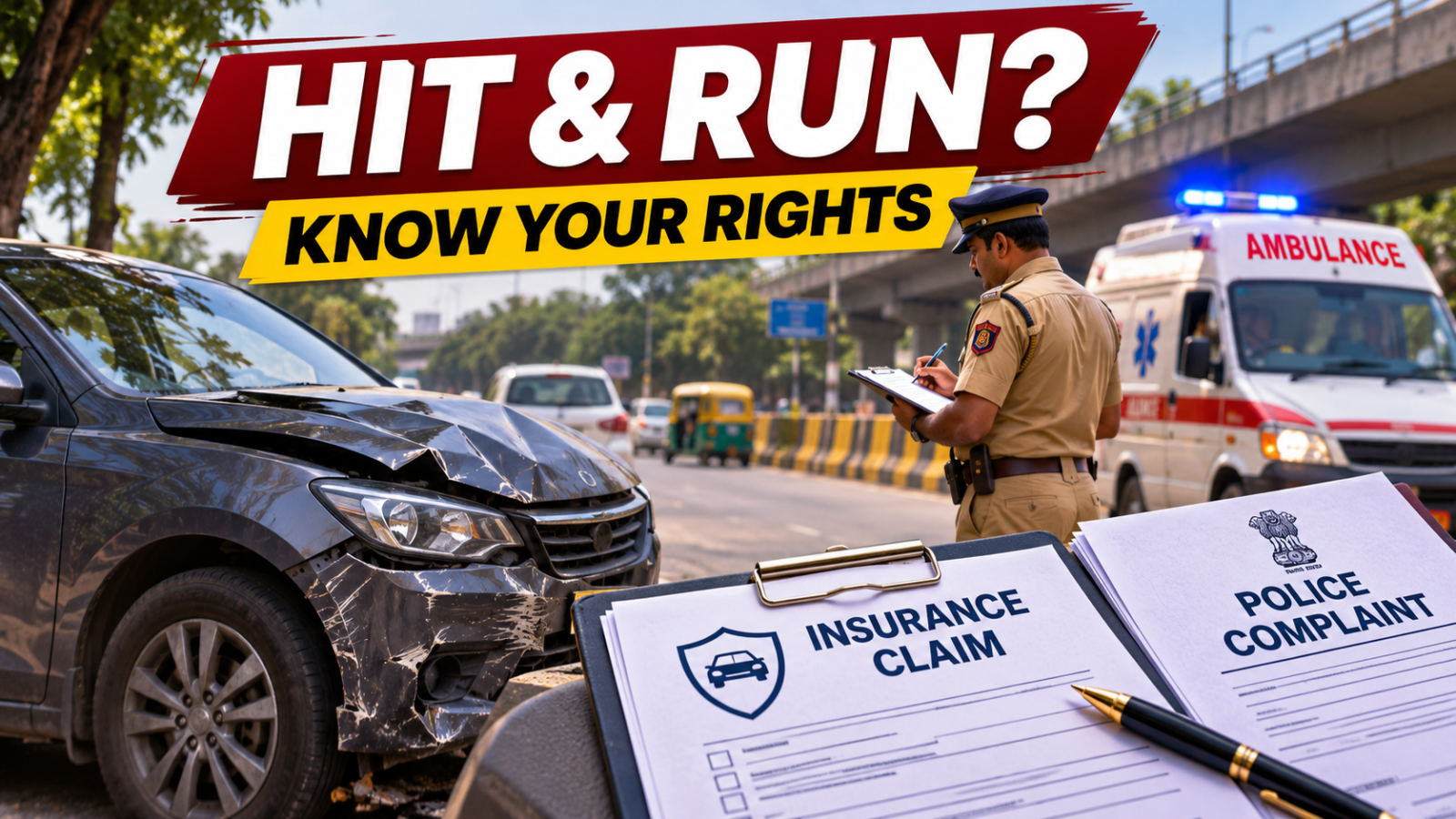
The first few minutes after a road accident are the most valuable. In panic, people either run away or make avoidable mistakes. This guide gives a simple order of actions so that the injured get help fast and you stay protected legally and financially.
The first five minutes

- Make yourself safe. Move the vehicle to the side if possible, switch on hazard lights and turn off the engine. Stay clear if there is fire or fuel leakage.
- Check the injured. See who is breathing and who is bleeding.
- Call 112 or 108. 112 is the all-India emergency number and 108 is for an ambulance. Give the exact location, number of injured and their condition.
- Suspected neck or spine injury? Avoid moving the person unnecessarily and wait for the ambulance, unless there is danger or the ambulance is delayed.
What is the golden hour?
The first hour after a serious injury is called the golden hour. Medical experts treat it as the most critical window, because proper treatment in this period gives the best chance of survival. Do not delay calling for help.
Legal protection for helpers: Good Samaritan law
Many people hesitate to help because they fear police trouble. Section 134A of the Motor Vehicles Act says a Good Samaritan is not liable for civil or criminal action if the victim is harmed because of a lapse while giving emergency help. The Supreme Court gave the 2016 guidelines the force of law. Under them, sharing personal details is voluntary for the person who brings the victim to hospital, and police or hospitals should not harass them.
Some states also reward helpers who take severely injured people to hospital within the golden hour. Kerala reports mention cash awards of ₹5,000 to ₹25,000 with a certificate. This depends on the state scheme, so check yours.
Cashless treatment: the PM RAHAT scheme
Government information says eligible road accident victims can get cashless treatment of up to ₹1.5 lakh for up to seven days, subject to conditions. If a hospital delays treatment over payment, tell the police and hospital management about the scheme. Confirm eligibility and the latest rules from an official source.
Collect evidence and details
- Photos and videos of the scene, both vehicles, number plates and road
- The other driver's name, phone, address, licence, vehicle number and insurance details
- Names and numbers of eyewitnesses
- Locations of nearby CCTV or shop cameras
- Screenshots showing time and location on your phone
Police and FIR
Inform the police in case of serious injury, death or major damage. Get a copy of the FIR or accident report because insurance and compensation claims usually need it. If the other driver fled, read our guide on hit-and-run accident compensation in India.
Informing your insurer
- Inform your insurer as soon as possible and note the claim number.
- Do not repair the vehicle on your own before inspection. Let the surveyor assess the damage.
- Submit the FIR or police report, RC, driving licence, policy copy and photos.
- Give details of any injury or damage to a third party as well.
Mistakes to avoid
- Leaving an injured person and fleeing the scene. This can become a serious offence.
- Settling on the spot with cash and nothing in writing
- Arguing or fighting with a crowd
- Signing papers without reading them
- Moving the vehicles away before taking photos
FAQ
What should I do first after an accident?
Secure yourself, check the injured and call 112 or 108. Then handle evidence, police and insurance.
Will I get into trouble for taking an injured person to hospital?
Good Samaritan provisions protect helpers, and giving personal details is voluntary.
Is an FIR needed for every minor accident?
Inform the police when there is injury, death or major damage. Insurers often ask for a police report, so taking one is safer.
What is the limit of cashless treatment?
Government information mentions up to ₹1.5 lakh for seven days, with conditions. Check current rules on an official source.
How soon should I tell my insurer?
As soon as possible. The exact time limit is written in your policy, so read it.
This is general guidance, not medical or legal advice. In an emergency call 112 or 108 at once, and confirm your case details with a lawyer or your insurer.
Also read: Bike or Car Stolen in India? What to Do First: FIR, Insurance Claim, Non-Traceable Certificate and RC Transfer | Accident With a Stray Cow or Bull: Who Is Liable and How to Claim Compensation in India
Sources
- Motor Vehicles Act, 1988: Sections 134A and 162 (Good Samaritan and cashless treatment provisions)
- Supreme Court 2016 Good Samaritan guidelines, Ministry of Road Transport and Highways
- Patrika: Road Accident Response Guide
- CarDekho and Cars24 guides on what to do after an accident
- Onmanorama report on Kerala's Good Samaritan scheme




















Share Your Opinion
Comments are closed on this post.