
What is ‘Upari Hawa’ and Why the Fear?
Imagine this: a heavy feeling in your chest at night, a scratch appearing the next day, and strange noises from your home in the evening. Someone might connect these to a supernatural presence, leading you to believe every event confirms this story. This is a hypothetical example; multiple experiences don’t necessarily share a single cause. For phenomena often searched as ‘Upari Hawa’ symptoms, there isn’t a universal medical test or a single disease to explain them. The feeling of fear is real, but the supernatural cause attributed to it is not proven. It’s important to first examine each event’s timing, circumstances, and effects separately. If you experience sudden sharp chest pain, severe difficulty breathing, fainting, sudden confusion, weakness on one side, or immediate threats of violence/fire, seek emergency help rather than relying on lengthy explanations. In India, 112 is an emergency contact. General explanations are not meant to downplay these critical situations.
Sleep and Wakefulness Boundaries: Body Jamming, Presence, or Sounds
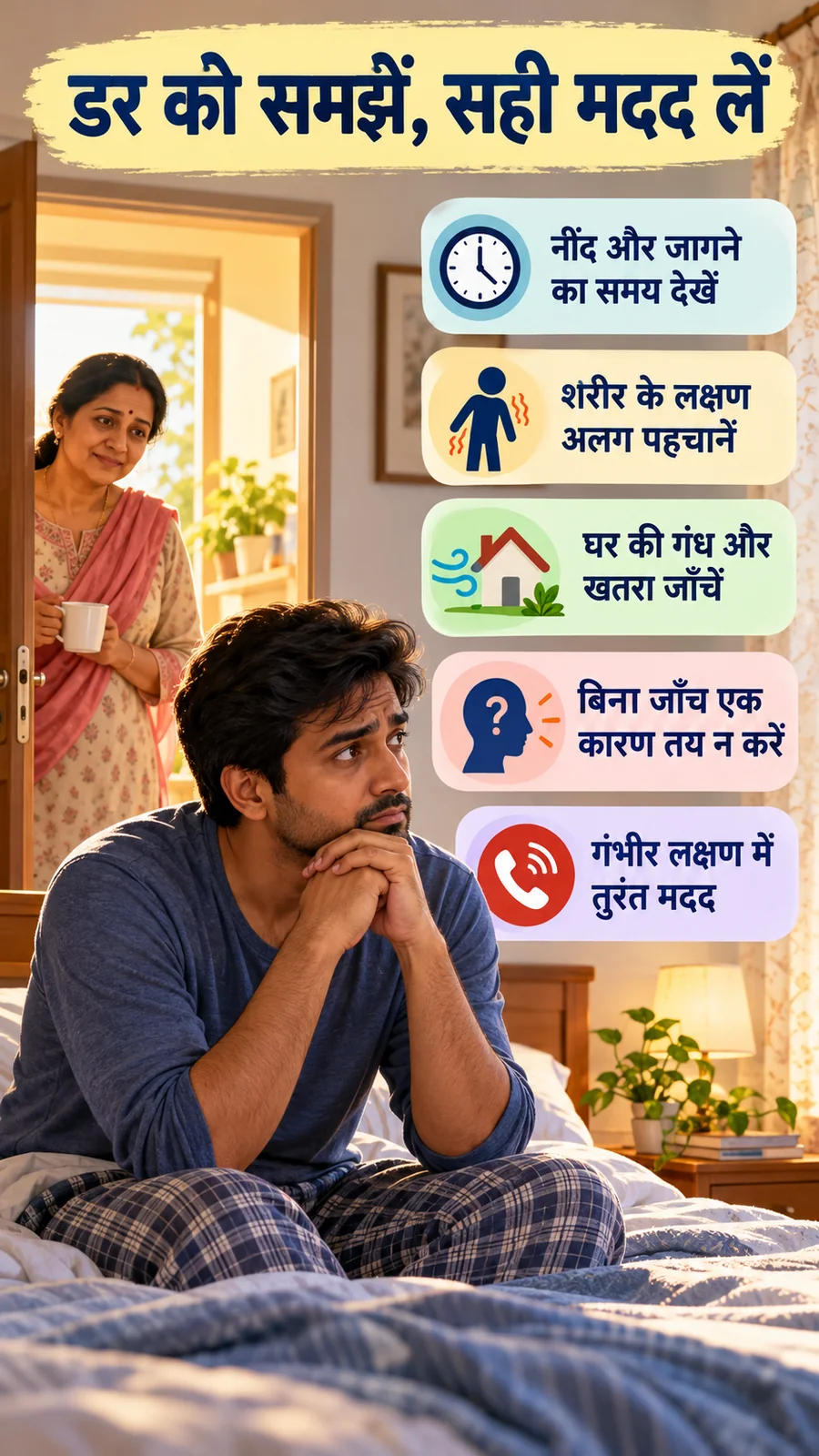
Briefly being unable to move, feeling pressure, or sensing a presence in the room while falling asleep or waking up can align with sleep paralysis. However, not every heavy chest sensation is this. Persistent weakness or breathing trouble after fully waking requires a separate assessment. Experiencing a name or vision close to sleep, and then repeatedly during the day, are different issues. Merely seeing a dark shadow or hearing a voice doesn’t automatically indicate a mental illness. New or recurring experiences while awake could be a sign of a medical issue. If you wake up gasping at night, or experience snoring and daytime fatigue, discuss breathing concerns with a doctor. The time on the clock, like 3 AM, doesn’t explain these phenomena. Documenting your sleep patterns and surrounding symptoms is more useful than following a paranormal timetable.
Body’s Agitation, Scratches, and Bruises: A Closer Look
Feelings of fear or panic can manifest with a racing heart, sweating, and restlessness. Yet, not every physical symptom is anxiety. When describing an unusual first-time experience, pain, or persistent discomfort, provide accurate details rather than assumptions. Is a scratch on the skin’s surface or a bruise a discolored mark beneath the skin? Seeing it in the morning doesn’t prove it happened the previous night. If you experience frequent unexplained bruises, other bleeding, or changes after starting new medication, consult a clinician. Choosing between vitamin deficiency, gas, panic, or ‘Upari Hawa’ for the same symptom without assessment is not advisable. Stopping prescribed medicine and taking someone else’s leftover pills is also not a solution. A doctor will determine the need for history, examination, and tests.
FACT: Experiences Can Feel Real, But Conclusions Remain Open
It’s important to acknowledge the feeling: “I felt it.” The conclusion, “Therefore, an entity was outside,” is a separate claim. Connecting multiple events into one narrative does not prove a shared cause. This distinction is what separates evidence from interpretation in scientific thinking. Be wary of lists that claim to diagnose ghosts, mental disorders, or vitamin deficiencies based on a single symptom. An honest answer to uncertainty might be, “The cause is not clear yet.” Following this, a path of safe observation and appropriate support can be chosen.
Home Shadows, Sounds, and Smells: Real Hazards
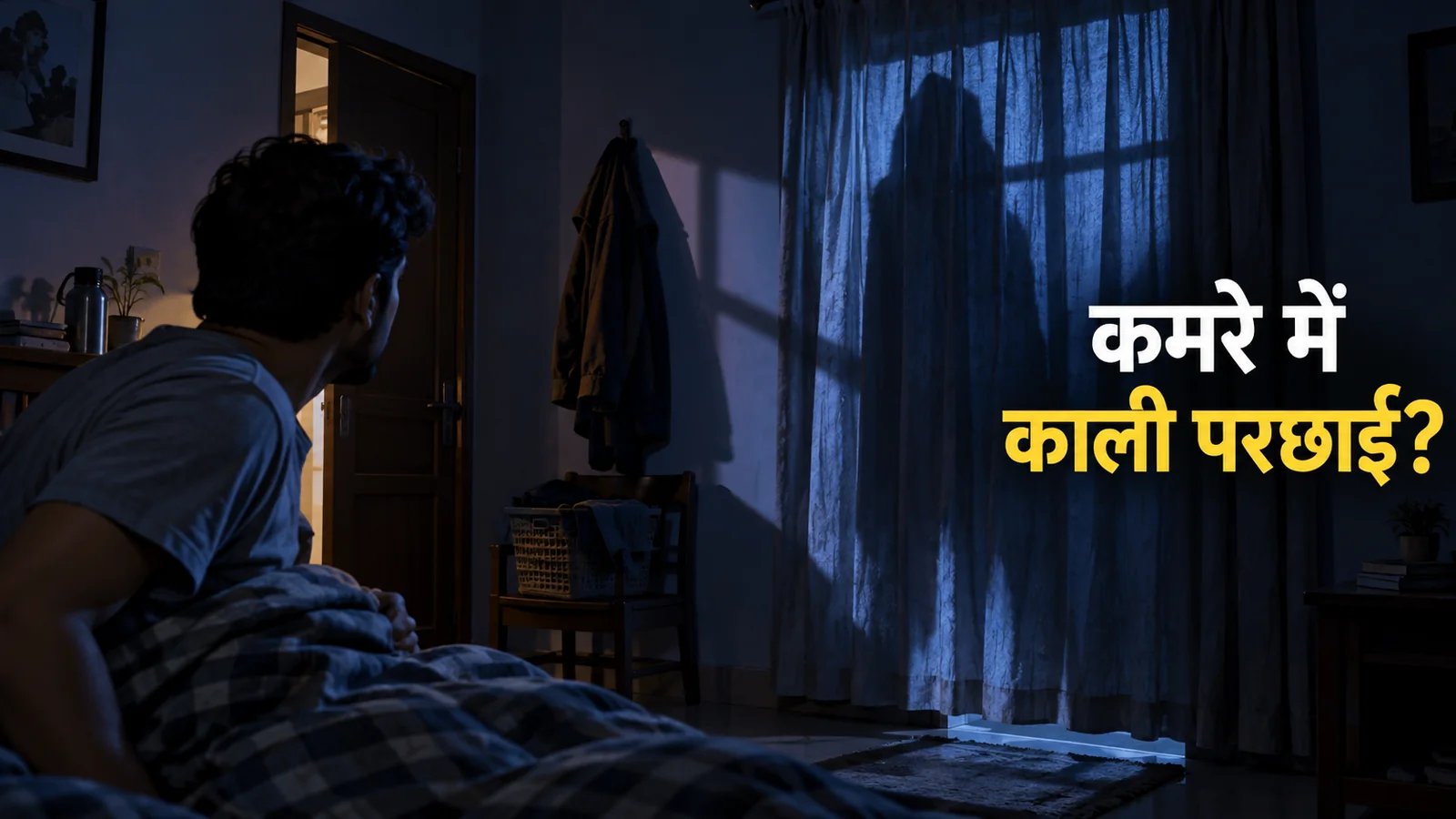
Misinterpreting shadows in the dark – like clothes, curtains, or other objects – is one possibility. For house sounds, pipes, wind, or loose fittings might be investigated. However, don’t attribute every sound to structural contraction or every shadow to a specific frequency effect. In cases of strong unknown odors or suspected gas leaks, getting safely outside and seeking trained assistance might be necessary first. Do not experiment with flames or electrical switches indoors. A diminishing smell doesn’t prove the air is safe; do not enter sewers or tanks for inspection. If home safety has been checked and the smell is experienced repeatedly only by you, consult a doctor or ENT specialist. One person not hearing or smelling something doesn’t make the other person’s experience false. Timing, location, and actual environmental assessment matter.
Dreams, Doorway Items, and Changed Behavior
Dreams of deceased relatives or snakes cannot be taken as definitive auspicious or inauspicious predictions. Memories and grief can be meaningful; seek help if repeated nightmares disrupt your sleep. “Every dream is guilt” or “Every snake signifies blame” are not definitive answers. Finding lemons and vermilion at the doorstep doesn’t prove malice or implicate a specific person. Handle unknown materials safely and distinguish them from real threats. Fear doesn’t necessitate attacking others or buying expensive remedies. A partner’s changed behavior could be related to relationships, health, or personal choices. Not all anger is a diagnosis. Prioritize your safety in violent situations and seek medical help for sudden confusion; suggesting joint counseling for every situation isn’t always safe.
Keeping a Simple Record for Yourself and Finding the Right Support
Note down four things: what happened, when and under what circumstances, how many times, and its effect on your day. Also, record accompanying complaints and medications. A few lines are enough; keep it simple if constant monitoring increases fear. Family members can say: “You felt scared, and we are listening. Let’s check safety first, then understand the cause.” This support respects the experience without supernatural confirmation. Mockery, physical abuse, or fumigation are not helpful. For symptoms requiring a doctor, starting with a Primary Health Centre (PHC) or a physician is appropriate. For real home hazards, seek trained services; for threats, get appropriate safety measures. Someone offering the same “treatment” for everyone is less useful than finding the right help for the specific problem.
Advice: Investigation, Support, and Honesty for Relief
If harmless faith practices bring comfort, that’s your personal choice. Do not link it to unknown medicines, injuries, isolation, or delaying necessary treatment. Stories that blame relatives or control individuals are not solutions. If sleep issues, fear, or health complaints recur, follow up. Needing help doesn’t mean your experience is false. Sometimes the cause isn’t immediately clear, but support for safety and symptom management can begin. Separate articles in this cluster explain each experience in more detail. Choose your experience, read relevant information, and seek professional help when needed. Naming your fear can be the start of relief; a final decision on its cause without investigation is not necessary.
Frequently Asked Questions
What is the definitive identification of ‘Upari Hawa’?
No supernatural diagnosis is proven from the experiences described here. Investigations should be based on circumstances and symptoms.
Is everything a mental illness?
No. There can be separate issues related to sleep, the body, the environment, and relationships. Avoid applying one label to everything.
Is a doctor against faith?
No. Medical or safety help can be sought alongside harmless personal comfort practices.
Who to consult first?
For medical symptoms, consult a PHC/physician; for real home hazards, seek trained services; for immediate danger, get emergency assistance.
What should the family do?
Listen calmly, ensure safety, record facts, and facilitate appropriate help; avoid mockery or coercion.
Read this article in English
Related Information
- Recurring dreams of snakes in dreams or being bitten: Does it have a definitive meaning?
- What to do if you find lemons, vermilion, or strange items at your doorstep?
- Suspecting your husband is under a spell? Understand changed behavior and get the right help.
- Inability to move the body during sleep
- Nighttime agitation
- Suffocation during sleep
- Hearing names at night
- Dreams of deceased relatives
- Bruises and scratches
- Dark shadows in the room
- Sounds on the roof
- Dogs barking at night
- Smell of rotten eggs in the house
- Waking up at 3 AM
Source and Information Check: Information checked: October 14, 2026. The initial scenario is hypothetical for explanation. NHS: Sleep paralysis. NHLBI: Sleep apnea symptoms. NIMH: Panic disorder. NHS: Hallucinations and hearing voices. NHS practice: Unexplained bruising. CDC/NIOSH: Hydrogen sulfide. NHS: Sudden confusion. WHO: Care and safety after partner violence. MHA: Emergency help 112. This is general information, not personal diagnosis or treatment. Seek professional help for serious or persistent symptoms.


आपकी राय क्या है?
इस पोस्ट पर राय अभी बंद हैं।