 Vista

The Parrot Who Could Talk But Not Think: A Lesson in Understanding
Many children, and even adults, can memorize facts and figures, recite poems, or repeat phrases perfectly. But when faced with a slightly different question or a real-life situation, they falter. This is the core message of the timeless “Rattu Tota” (parrot who only repeats) story, a classic fable that highlights the crucial difference between rote learning and genuine understanding.
This story, often shared in homes and schools, serves as a powerful reminder that knowledge is only useful when it is understood and can be applied. It’s a lesson that remains relevant, especially in today’s world where information is abundant, but critical thinking is paramount.
The Story of the Sage, the Parrots, and the Hunter
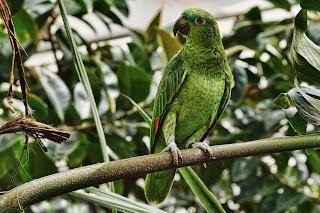
Long ago, in a serene forest, lived a kind and wise sage who resided in a small ashram. Near his dwelling was a large tree, frequented by a flock of parrots. The sage, observing these cheerful birds, wished to impart a valuable life lesson to them.
One morning, he called the parrots closer and began to teach them a specific sentence. He repeated it clearly, both morning and evening: “The hunter comes, lays a trap, and offers bait – we must not get caught in the trap.” The parrots, eager to mimic, soon learned to recite this sentence in unison. Other forest creatures were amazed by their eloquent speech.
The sage was pleased, believing the birds had grasped the lesson. However, their true test was yet to come. One day, a hunter entered the forest. Spotting the flock, he set his net beneath the tree and scattered some shiny grains as bait. He then hid himself in the bushes.
Drawn by the glittering bait, the parrots descended, their hunger and greed overriding their caution. As they began to eat, they continued to repeat the sage’s words: “The hunter comes, lays a trap, and offers bait – we must not get caught in the trap.” Their mouths uttered the warning, but their feet were already stepping into the snare.
At the opportune moment, the hunter pulled the rope, and the net closed, trapping all the parrots. As the hunter carried them away, the parrots continued to repeat the same phrase, much to the hunter’s amusement. He realized they could repeat words but lacked the understanding to act upon the warning.
When the news reached the sage, he was saddened. “I taught them the words,” he lamented, “but I failed to teach them the understanding.” Some versions of the story add that the parrots later worked together, lifted the net, and escaped, emphasizing that collective understanding and action can overcome challenges.
The Core Lesson: Understanding Over Memorization
The “Rattu Tota” story offers several key takeaways:
- Rote Memorization is Not True Knowledge: Simply repeating words or facts without grasping their meaning or implications is insufficient.
- Greed and Desire Cloud Judgment: The shiny bait blinded the parrots to the obvious danger, illustrating how temptation can prevent us from thinking clearly. For children today, this “bait” could be a new game, a tempting online offer, or the desire to fit in.
- Knowledge Must Be Applied: Remembering a rule is good; following it based on understanding is better. True learning integrates knowledge into action.
- Questioning Enhances Understanding: Asking “Why?” is crucial. Understanding the purpose and context behind a lesson makes it more meaningful and memorable.
In essence, the story teaches that while memorization can help in recalling information, it is understanding that equips us to make sound decisions and navigate life’s complexities, much like avoiding the hunter’s trap.
Integrating the Lesson in Education and Home
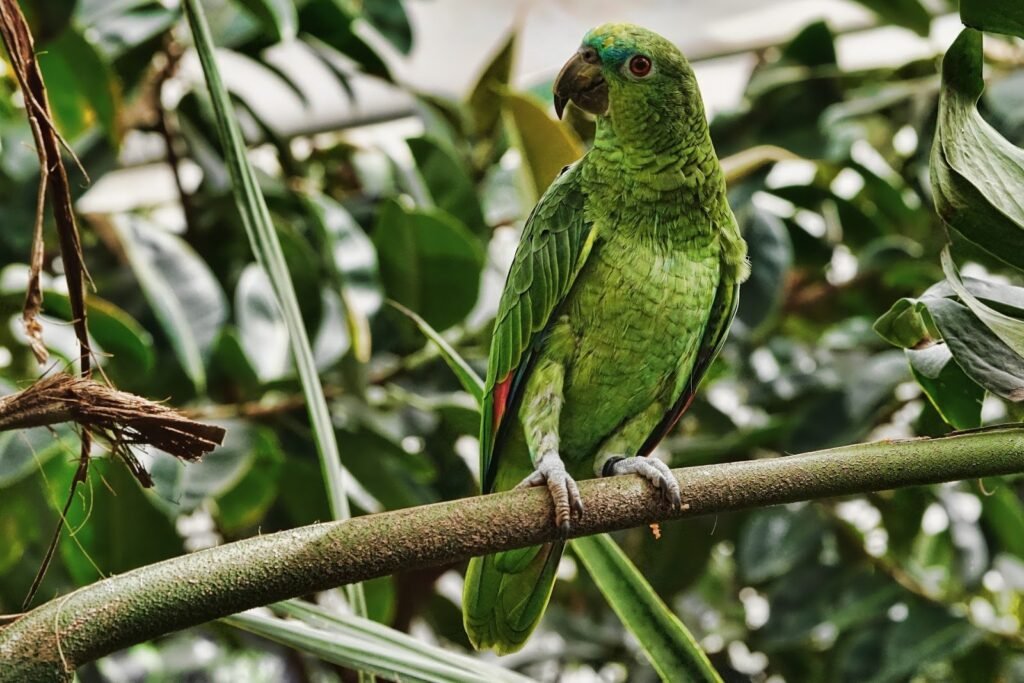
This fable is an excellent tool for educators and parents:
- In Schools: Teachers can use the story in language classes, moral science lessons, or morning assemblies. Activities could include role-playing, summarizing the story in their own words, or creating posters comparing “Rote Learning” vs. “Understanding.” Discussions can explore whether students sometimes act like “Rattu Tota” in their studies or daily lives.
- At Home: Parents can narrate the story, using expressive tones to engage children. Discussing everyday situations – like understanding road safety rules beyond just memorizing them, or verifying information before sharing online – can connect the story’s moral to practical life. Praising a child for explaining a concept in their own words, rather than just for getting a good grade, reinforces the value of understanding.
Modern Parallels: Where We Get Trapped
The “hunter’s trap” and “shiny bait” have modern equivalents:
- Exams: Cramming the night before an exam without understanding the concepts can lead to failure when questions are phrased differently.
- Online Safety: Clicking on suspicious links or sharing personal information due to tempting offers or fear of missing out (FOMO) is falling for the bait.
- Social Pressure: Engaging in risky behavior because “everyone else is doing it” is succumbing to a trap disguised as acceptance.
- Misinformation: Believing and sharing unverified news or rumors without critical assessment.
The goal is not to scare children but to encourage them to think critically about their own “bait” and potential “traps,” fostering self-awareness and good judgment.
Frequently Asked Questions (FAQ)

What is the main lesson of the Rattu Tota story?
The primary lesson is that true knowledge comes from understanding and applying what you learn, not just from memorizing it. The parrots could recite the warning but couldn’t act on it, leading to their capture.
Is rote learning completely bad?
No, rote learning has its place, such as memorizing poems, multiplication tables, or basic facts. However, it becomes detrimental when it’s the *only* method of learning, leading to a lack of comprehension and an inability to apply knowledge in new situations.
How can parents explain this story to young children?
Parents can tell the story with engaging voices and then ask children what they would do if they were the parrots. Connecting the lesson to everyday rules, like why wearing a seatbelt is important for safety (not just because it’s a rule), helps illustrate the concept of understanding.
What are the modern examples of falling into a “trap”?
Modern traps include falling for online scams, succumbing to peer pressure, believing fake news, or failing exams due to cramming without understanding. The “shiny bait” is often instant gratification, social acceptance, or perceived ease.
Conclusion: Understand, Don’t Just Repeat
The “Rattu Tota” story, though simple, carries a profound message that resonates across generations. It reminds us that wisdom isn’t just in knowing words, but in understanding their meaning and using that understanding to act wisely. By fostering a habit of questioning, critical thinking, and seeking genuine comprehension, we can help children (and ourselves) avoid the traps of life and truly benefit from the knowledge we acquire.



















Share Your Opinion
Comments are closed on this post.