 Vista
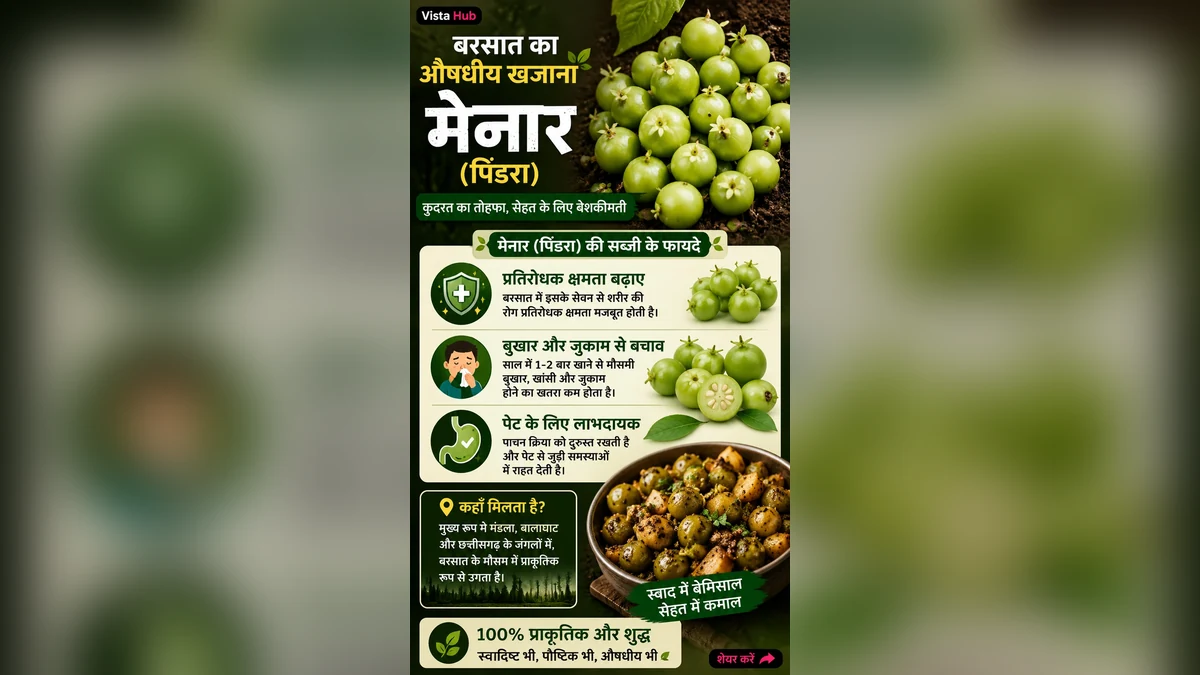
What is Menhar (Pindara) and Where is it Found?
Menhar, also known as Pindara in many regions, is a special type of wild edible plant. This vegetable is primarily found in the dense forests of Madhya Pradesh and surrounding areas only during the monsoon season. Its life cycle is very short, starting with the first rain of the monsoon. The plant’s specialty is that it grows naturally in nature without any fertilizers or chemicals. Small flowers appear on the plant, which then develop into the fruit or vegetable. People in rural areas collect it with great enthusiasm. It is naturally pure as no pesticides are used in its cultivation. If you want to find it, it is often found in moist areas and amidst bushes. Its availability is for a very short period, so those who are fond of it eagerly await the monsoon. It is an excellent option for those looking for ways to stay healthy during the rainy season.
Menhar’s Role in Boosting Immunity
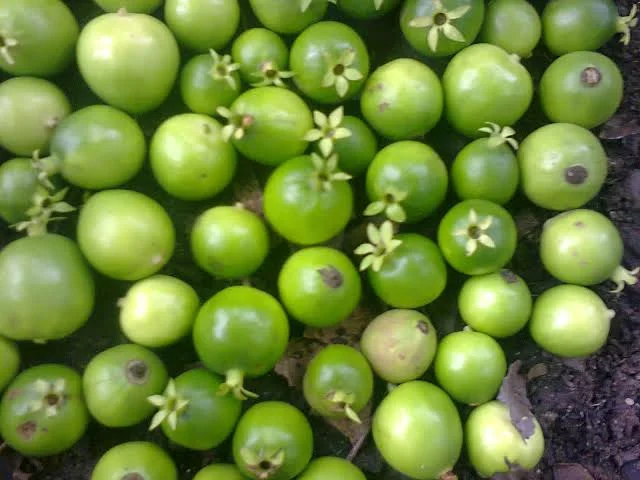
The monsoon season brings with it various infections and illnesses. Consuming Menhar vegetable is a traditional way to strengthen the body’s immune system. According to local beliefs, this vegetable contains phytochemicals that help the body fight external bacteria. When our body struggles to adapt to the changing weather, we often fall ill. The nutrients present in Menhar activate the body’s defense mechanism. Regular consumption keeps the body from feeling weak and also reduces fatigue. Many people eat it not just for taste but as a medicinal tonic. Its bitterness and astringency are its real strengths, which help in removing toxins from the body. This vegetable is a boon for those who frequently fall prey to seasonal illnesses.
Benefits for the Digestive System and Stomach
Stomach problems have become common nowadays, but Menhar vegetable is considered very effective in keeping the digestive system healthy. Its consumption provides relief from problems like gas, indigestion, and heaviness in the stomach. This vegetable also helps in cleaning the intestines, which improves the body’s metabolism. The fiber content in it smooths the digestion process. If you are often troubled by stomach issues, consuming Menhar during the monsoon can be a good option. It is often cooked with potatoes to enhance its taste. Along with digestion, it also helps in increasing appetite. Those who frequently complain of loss of appetite should definitely consume this seasonal vegetable. It not only keeps the stomach clean but also keeps the body energized from within.
Home Remedy for Fever and Cold Prevention
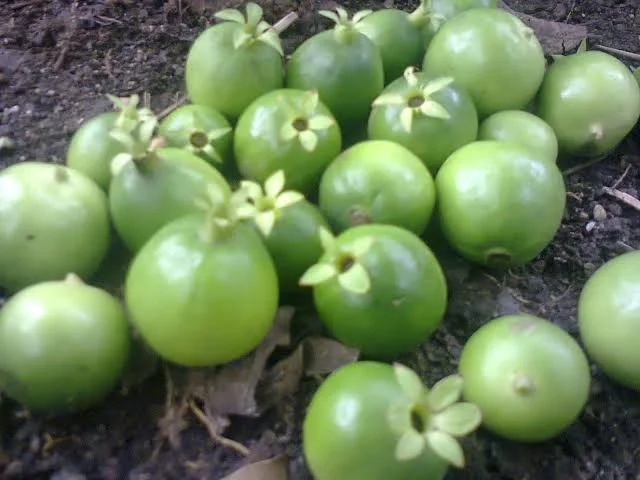
Seasonal fever and colds during the monsoon can be very troublesome. Menhar vegetable has traditionally been considered a remedy for keeping fever at bay. Consuming this vegetable once or twice a year, if done correctly, acts as a protective shield for the body. Its astringent taste is proof of its medicinal properties. It helps in balancing body temperature and prevents the symptoms of cough and cold from developing. People often prepare it with a tempering of garlic and ginger, which further enhances its properties. This vegetable has an anti-viral effect on the body, which is helpful in avoiding viral infections. Growing in the wild, it incorporates many properties of soil and nature, which can prove to be more effective than lab-made medicines. The right way to cook it is to simmer it on low heat so that its nutrients are not destroyed.
The Right Way to Prepare Menhar Vegetable
The method of preparing Menhar is very simple, but some precautions are necessary. First, it should be washed and cleaned thoroughly to remove all soil. It is cut into small pieces and cooked as a spicy vegetable with potatoes or onions. Mustard oil is considered best for cooking. Use turmeric, coriander, and mild red chili. To reduce its bitterness, some people boil it in lightly salted water before cooking. This process helps to bring out its pleasant taste. Never cook it in too much oil or spices, as its medicinal properties may decrease. Preparing it in a sattvic way is best. This vegetable tastes delicious with plain rice or roti.
Precautions and Who Should Avoid It
Every thing has benefits, so there are also some precautions. Menhar or Pindara vegetable is not for everyone. Those who have excessive pitta problems or have very sensitive stomachs should consume it in limited quantities. Also, pregnant women should consult an experienced person or doctor before eating it. Being a wild vegetable, it is very important to ensure that you have sourced it from the right place. If you are picking it yourself from the forest, its identification must be certain, as some poisonous plants can look similar. Always use fresh vegetables. If the vegetable is wilted or its color has changed, avoid eating it. Do not rush to cook it, as it can cause heaviness in the stomach if eaten raw.
Frequently Asked Questions
What is the taste of Menhar vegetable?
The taste of Menhar vegetable is slightly bitter and mildly astringent. This is its identity and also its medicinal strength. When cooked as a spicy vegetable with potatoes or onions, its taste becomes much better and more delicious.
Can Menhar vegetable be eaten daily?
No, Menhar is a seasonal wild vegetable available only during the monsoon. There is no need to eat it daily. Consuming it a few times a year is sufficient to boost the body’s immunity and prevent seasonal illnesses.
What is the correct way to clean Pindara vegetable?
Since Pindara or Menhar comes from the forest, it may contain soil and dirt. Wash it thoroughly under running water before cooking. Some people boil it in salt water for a while to reduce its bitterness, then drain it.
Can children eat Menhar vegetable?
Caution should be exercised when feeding this vegetable to children. Since its taste is bitter, children may dislike it. Give it in very small quantities and cook it thoroughly. Avoid giving it if the child has any allergies.
Disclaimer: The information provided in this article is for general awareness only.


























Share Your Opinion
Comments are closed on this post.