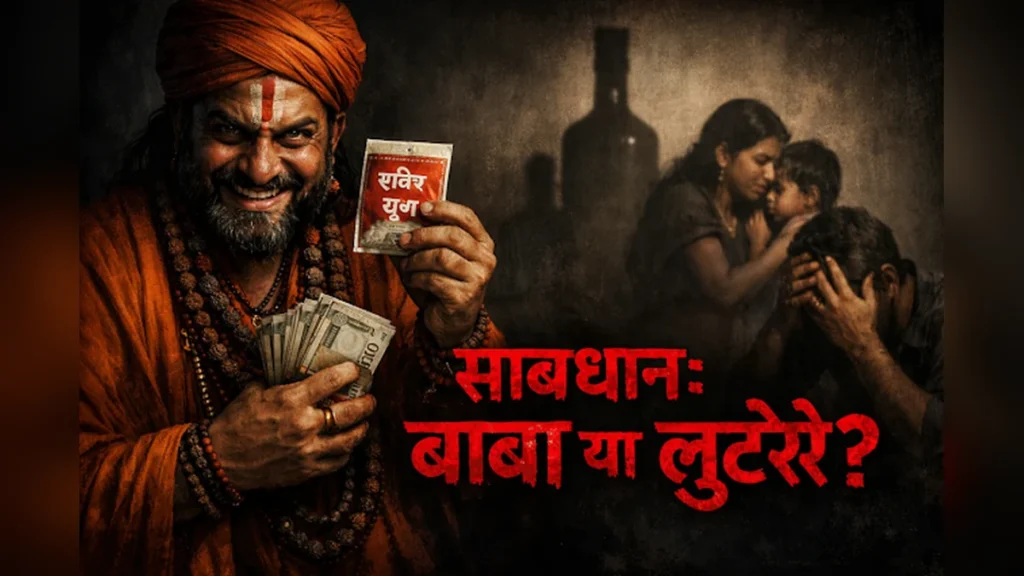
The Deceptive World of ‘Alcohol De-addiction Babas’
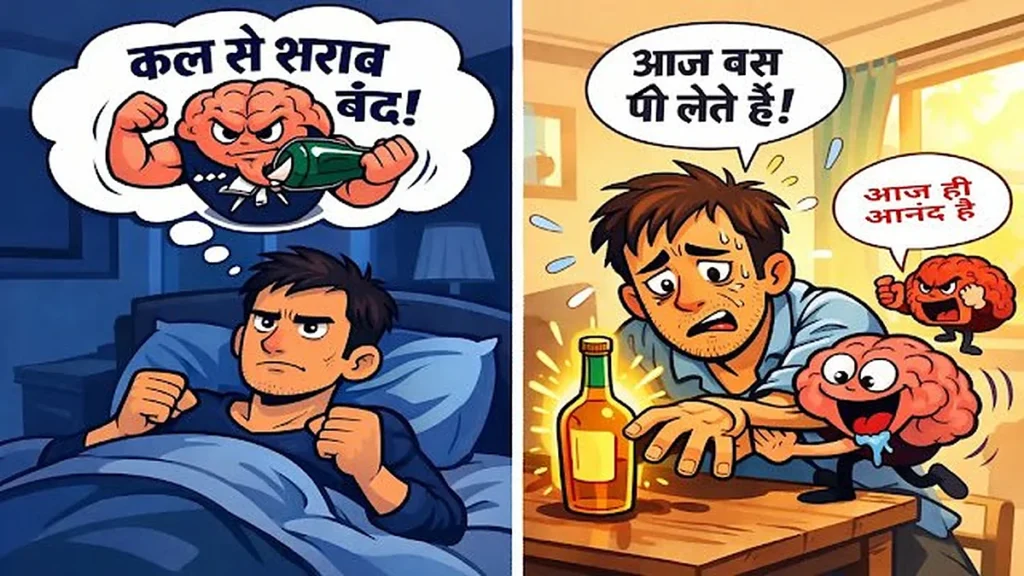
When a family member battles alcoholism, despair can be overwhelming. In such dark times, the promise of a quick fix from a ‘baba’ or spiritual healer can seem like a beacon of hope. However, this hope is often a carefully constructed illusion, masking a predatory business model that preys on vulnerability and desperation. These self-proclaimed gurus, often operating under the guise of religious or spiritual guidance, exploit the suffering of families, draining their finances and crushing their hopes with false promises of curing alcohol addiction.
The ‘LIC Policy’ Business Model of Fake Gurus
The modus operandi of these fraudulent babas is strikingly similar to a recurring payment scheme, much like an LIC (Life Insurance Corporation) policy. They create a cycle of dependency, ensuring continuous financial drain under the guise of treatment.
- The Initial Promise: Upon the first visit, families are told that the addiction is deep-rooted and requires a prolonged treatment, often involving 15-20 sessions. This sets the stage for a long-term financial commitment.
- Recurring ‘Fees’: Each ‘session’ or ‘visit’ incurs a charge, ranging from ₹500 to ₹1500 or even more. These fees are justified as payments for ‘puja’ (rituals), ‘miraculous medicines’, or ‘special ceremonies’.
- The ‘Miracle’ Medicine Deception: Patients are often given a powder or liquid, touted as a potent cure. The ingredients are never disclosed, and sometimes these concoctions induce vomiting or discomfort, which the baba claims is the ‘poison leaving the body’.
- Exploiting Fear and Superstition: They frequently invoke ‘planetary afflictions’, ‘evil spirits’, or ‘curses’ to instill fear, making families more compliant and willing to spend more money, believing these external forces are the cause of the addiction.
- An Endless Cycle: When immediate results are not seen, the babas assure that the ‘treatment is just beginning’ or ‘will take more time’. This cycle continues until the family is financially depleted or realizes the futility of the ‘treatment’. Their business thrives not on recovery, but on the family’s helplessness and blind faith.
Why Do People Fall for These Scams?
Understanding the reasons behind people falling victim is crucial to preventing future exploitation:
- Desperation and Helplessness: When conventional medical treatments seem too expensive or have failed, people grasp at any straw, including the promises of these babas.
- Social Stigma: Alcoholism is often viewed as a moral failing rather than a medical condition. This stigma prevents many from seeking professional help, leading them to seek ‘secret’ cures discreetly.
- Lack of Awareness: Many are unaware of the scientifically proven methods for alcohol addiction treatment, such as de-addiction centers, therapy, and medication.
- Desire for Quick Fixes: The allure of an instant, effortless cure is powerful. Babas exploit this by promising rapid results and a one-time solution.
- Deep-Rooted Faith: In India, there is a strong cultural reverence for spiritual leaders and gurus, leading many to believe they possess divine powers to solve any problem.
The Real Solutions for Alcohol Addiction
Alcohol addiction is a serious medical condition that requires evidence-based treatment. Relying on fraudulent babas not only wastes time and money but can also be detrimental to the patient’s health.
- De-addiction Centers: These specialized facilities, staffed by trained medical professionals, psychologists, and counselors, offer safe detoxification and comprehensive treatment plans to address both physical and psychological dependence.
- Psychological Counseling and Therapy: Therapies like Cognitive Behavioral Therapy (CBT) and Motivational Enhancement Therapy (MET) help individuals understand the root causes of their addiction, develop coping mechanisms, and prevent relapse.
- Medications: Under strict medical supervision, certain medications can help reduce cravings and manage withdrawal symptoms, making the recovery process more manageable.
- Support Groups: Organizations like Alcoholics Anonymous (AA) provide a vital peer support network where individuals can share experiences, find encouragement, and build a sober community.
- Family Support and Education: A supportive and understanding family environment is crucial for recovery. Educating family members on how to help their loved one is an integral part of the treatment process.
- Psychiatric Consultation: If the addiction is accompanied by mental health issues like depression or anxiety, consulting a psychiatrist is essential for integrated care.
Protecting Your Family from These Scams
Awareness is the first line of defense against these fraudulent practices:
- Educate Yourself: Learn about alcohol addiction and its scientifically recognized treatments.
- Be Skeptical: If anyone promises a ‘miraculous’, ‘secret’, or ‘instant’ cure for addiction with no side effects, be highly suspicious.
- Seek Certified Professionals: Always consult licensed doctors, psychiatrists, or accredited de-addiction centers. Verify their credentials and experience.
- Demand Transparency: Be wary of individuals who demand large sums of money upfront or have unclear fee structures. Reputable centers are transparent about their costs.
- Report Fraud: If you or someone you know has been a victim of such a scam, report it to local law enforcement or consumer protection agencies.
Recovering from alcohol addiction is a challenging journey, but it is achievable with the right support and evidence-based treatment. Do not let false hopes offered by fraudulent babas derail the path to a healthier, sober life. Seek genuine help, which is readily available through professional medical and psychological channels.
Frequently Asked Questions
- What is the main scam associated with ‘alcohol de-addiction babas’?
The main scam involves charging recurring fees for ineffective or non-existent treatments, exploiting the family’s desperation and belief in ‘miracle cures’ or spiritual intervention, often resembling a continuous payment scheme rather than actual medical help. - How can I identify a fake baba promising to cure alcohol addiction?
Be wary of claims of instant, miraculous cures, secret remedies, or treatments involving rituals and vague spiritual explanations. They often demand large, recurring payments and lack transparency about their methods and qualifications. - What are the real, scientific solutions for alcohol addiction in India?
Real solutions include seeking help from accredited de-addiction centers, consulting with doctors and psychiatrists, undergoing psychological counseling (like CBT), and participating in support groups such as Alcoholics Anonymous (AA). - Why do people continue to fall for these fake baba scams?
People fall for these scams due to intense desperation, social stigma associated with addiction that discourages professional help, lack of awareness about scientific treatments, and a deep-seated faith in spiritual healers, especially when facing a crisis. - Where can I find reliable help for alcohol addiction in India?
Reliable help can be found at government-run or private de-addiction centers, hospitals with psychiatric departments, and through helplines dedicated to addiction support. Consulting a qualified medical professional is the first step.