 Vista
Why Eating in Bed is Generally Not Recommended
The allure of enjoying a meal while comfortably lounging in bed is undeniable for many. Whether it’s a late-night snack or a leisurely breakfast, the bed often becomes an extension of the dining table. However, this seemingly harmless habit can lead to a surprising number of negative consequences, impacting your health, hygiene, and even your home’s well-being according to traditional beliefs.
Health Risks Associated with Eating in Bed
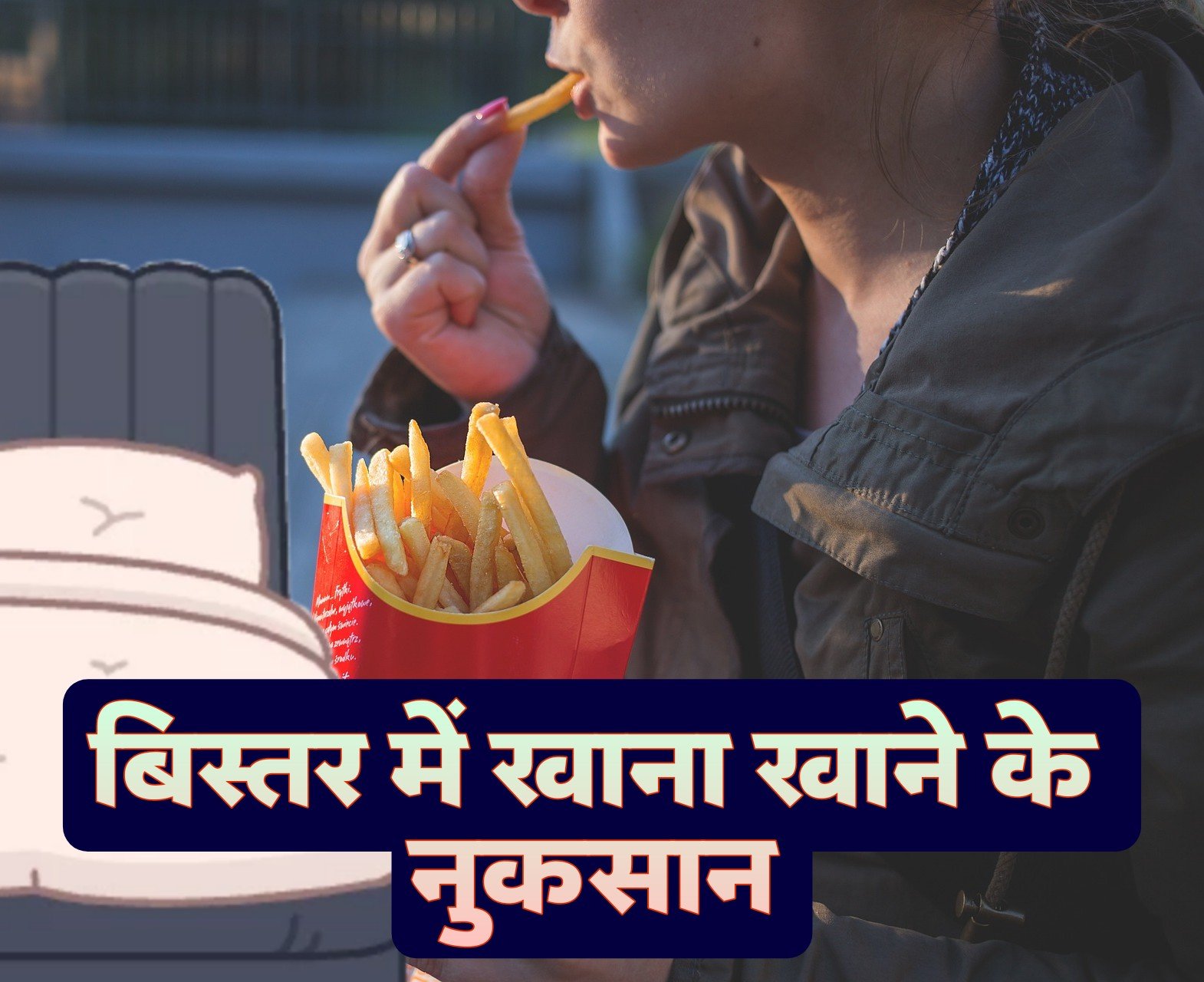
Consuming food in bed can contribute to several health issues:
- Foodborne Illnesses: Crumbs and spills are inevitable when eating in bed. These food particles create a breeding ground for bacteria and germs. If these contaminated particles are ingested, they can lead to food poisoning and other gastrointestinal problems.
- Overeating: When you’re relaxed in bed, your focus might shift away from mindful eating. This distraction can lead to consuming more food than you intended, contributing to overeating and its associated health concerns like weight gain.
- Digestive Problems: The posture adopted while eating in bed is often less conducive to proper digestion. Lying down or slouching can impede the digestive process, potentially leading to issues such as indigestion, bloating, and constipation.
Hygiene and Cleanliness Concerns
Maintaining a clean sleeping environment is crucial for health. Eating in bed directly compromises this:
- Bed Contamination: Food particles, grease, and spills can easily transfer to your mattress, sheets, and pillows. This not only makes your bedding unhygienic but also attracts pests like dust mites and insects, further degrading the sleeping space.
- Difficult to Clean: Unlike a dining table, a bed is not designed for easy cleaning. Spills can seep into the mattress, making thorough cleaning a challenging and time-consuming task.
Vastu Shastra Perspectives on Eating in Bed
According to Vastu Shastra, an ancient Indian system of architecture and design, the bed is considered a sacred space meant primarily for rest and sleep. Eating in bed is believed to disrupt the positive energy flow in the home:
- Financial Strain: It is believed that eating in bed can attract poverty and financial difficulties. The reasoning is that disrespecting the sanctity of the sleeping space by using it for eating can lead to a decline in prosperity.
- Negative Energy: Vastu principles suggest that consuming food in a place designated for rest can invite negative energies, impacting the overall harmony and peace of the household.
Tips to Avoid Eating in Bed
Breaking the habit of eating in bed is essential for a healthier and more hygienic lifestyle. Here are some practical tips:
- Designated Dining Area: Make it a rule to eat all your meals at a dining table or a designated eating space. This reinforces the purpose of each area in your home.
- Mindful Eating Practices: When you do eat, focus on your food. Avoid distractions like television or mobile phones to better gauge your hunger and satiety cues.
- Prepare for Snacks: If you crave a snack, consider having it in the kitchen or living area. Keep a small tray or plate to contain any potential mess.
- Cleanliness Routine: Regularly clean your bedding and mattress to ensure a hygienic sleeping environment, even if you occasionally slip up.
Frequently Asked Questions (FAQs)
Is eating in bed bad for your health?
Yes, eating in bed can be bad for your health. It increases the risk of foodborne illnesses due to potential contamination from crumbs and spills. It can also lead to overeating because of distractions and may cause digestive issues due to improper posture.
What does Vastu Shastra say about eating in bed?
Vastu Shastra considers the bed a sacred space for rest. Eating in bed is believed to disrupt positive energy, potentially leading to financial difficulties and attracting negative energies into the home.
How can I stop the habit of eating in bed?
To break the habit, establish a rule to eat only at a dining table. Practice mindful eating, prepare snacks in designated areas, and maintain a regular cleaning routine for your bedding.
Are there any benefits to eating in bed?
While the comfort of eating in bed might seem appealing, there are no significant health or hygiene benefits. The perceived comfort is often outweighed by the potential risks to your well-being and the cleanliness of your sleeping space.
What are the hygiene issues with eating in bed?
Eating in bed creates hygiene issues by leaving food particles and spills on the mattress, sheets, and pillows. This can lead to contamination, attract pests, and make the sleeping area unhygienic and difficult to clean thoroughly.
Conclusion
While the idea of a cozy meal in bed might be tempting, the potential downsides are significant. From health risks like food poisoning and overeating to hygiene concerns and disruptions in home energy according to Vastu Shastra, it’s clear that our beds are best reserved for sleep. By adopting mindful eating habits and designating specific areas for meals, you can protect your health, maintain a cleaner living space, and foster a more harmonious home environment.



























Share Your Opinion
Comments are closed on this post.