Should You Eat Potatoes Peeled or Unpeeled?
The question of whether to eat potatoes peeled or unpeeled is a common one, with valid arguments on both sides. While potato skins contain valuable nutrients, they can also harbor concerns for some. Ultimately, the decision depends on your personal preferences, dietary needs, and how the potatoes are prepared.
Nutritional Value of Potato Skins
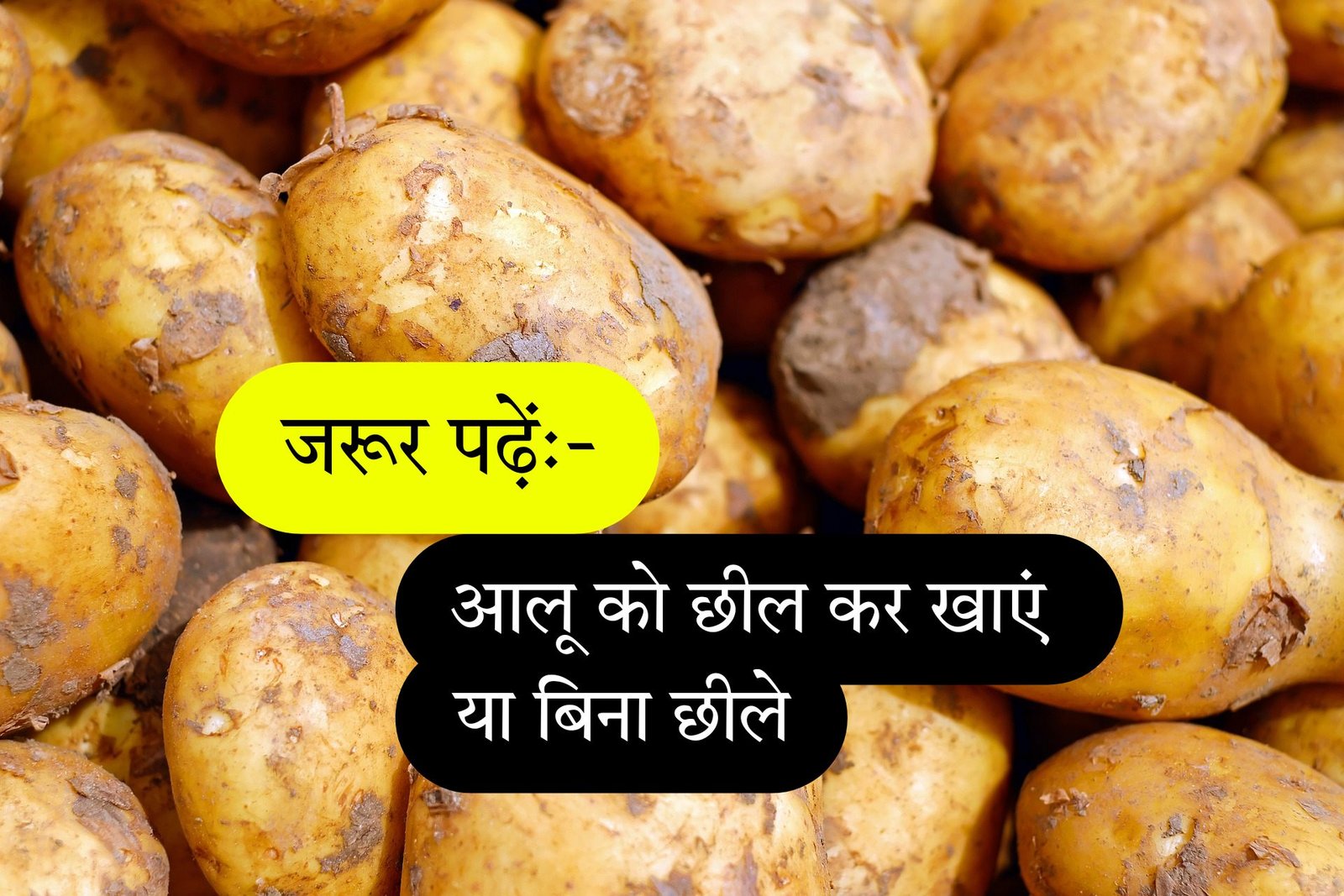
Potato skins are a good source of dietary fiber, which is essential for digestive health. They also contain vitamins, such as Vitamin C and B vitamins, as well as minerals like potassium. When you peel potatoes, you remove a significant portion of these nutrients.
For instance, the fiber content in potatoes is concentrated in the skin. This fiber aids in digestion, helps you feel fuller for longer, and can contribute to better blood sugar control. Potassium, crucial for maintaining healthy blood pressure, is also found in higher concentrations in the skin.
Potential Risks: Solanine in Potato Skins
A key concern when eating potato skins is the presence of solanine. Solanine is a glycoalkaloid naturally found in potatoes and other nightshade vegetables. It acts as a natural pesticide for the plant.
While solanine is present in all parts of the potato, it tends to accumulate more in the skin, especially in potatoes that have been exposed to light, are green, or have sprouted. In high concentrations, solanine can be toxic and cause symptoms like nausea, vomiting, diarrhea, headaches, dizziness, and in severe cases, more serious neurological issues.
However, it’s important to note that the levels of solanine in normally grown and stored potatoes are generally well below toxic levels. Proper cooking also helps to reduce solanine content.
Benefits of Eating Potatoes Unpeeled
- Increased Nutrient Intake: You retain more fiber, vitamins, and minerals.
- Enhanced Flavor and Texture: Some people prefer the taste and texture of roasted or baked potatoes with their skins on.
- Convenience: For certain preparations like baking or roasting, leaving the skin on can be simpler.
Benefits of Eating Potatoes Peeled
- Reduced Solanine Exposure: Peeling removes a significant portion of the solanine, reducing potential risk, especially if the potatoes show signs of greening or sprouting.
- Easier Digestion: For individuals with sensitive digestive systems, removing the skin might make potatoes easier to digest.
- Smoother Texture: Mashed potatoes or certain other dishes benefit from a smoother texture achieved by peeling.
Making the Decision: Practical Tips
When deciding whether to peel your potatoes, consider these practical tips:
- Source and Appearance: Buy potatoes from reputable sources and choose ones that are firm, free from green spots, and have not sprouted. If your potatoes have minor green areas, you can often cut them away.
- Washing is Key: Regardless of whether you peel them, always wash potatoes thoroughly under running water. Use a vegetable brush to scrub away dirt and any potential contaminants from the skin.
- Cooking Method: For dishes like baked potatoes, roasted potatoes, or potato wedges, leaving the skin on is often preferred for texture and nutrition. Ensure they are cooked thoroughly.
- Digestive Sensitivity: If you experience digestive discomfort after eating potato skins, peeling them might be a good option.
- Solanine Concerns: If you are particularly concerned about solanine, or if your potatoes have sprouted or turned green, peeling is the safest approach.
Frequently Asked Questions (FAQs)
Q1: Is it safe to eat potato skins?
Yes, it is generally safe to eat potato skins, provided the potatoes are fresh, properly washed, and cooked thoroughly. The skins contain valuable nutrients. However, be mindful of potential solanine, especially in green or sprouted potatoes.
Q2: What are the main nutrients in potato skins?
Potato skins are rich in dietary fiber, potassium, Vitamin C, and various B vitamins. They contribute significantly to the overall nutritional profile of the potato.
Q3: How much solanine is in potato skins?
The amount of solanine varies depending on the potato variety, storage conditions, and exposure to light. While it’s concentrated in the skin, levels are usually below harmful thresholds in well-stored potatoes. Peeling is recommended if potatoes are green or sprouted.
Q4: Can eating potato skins cause digestive problems?
For most people, potato skins are easily digestible and beneficial due to their fiber content. However, some individuals with sensitive digestive systems might find them harder to digest. If you experience discomfort, peeling might help.
Q5: Should I eat sprouted potatoes?
It’s best to avoid eating sprouted potatoes. The sprouts indicate that the potato is aging and has a higher concentration of solanine. Cut away sprouts and any green parts before cooking, or discard the potato entirely if it has significantly sprouted or turned green.
Conclusion
The choice to eat potatoes peeled or unpeeled is largely personal. By understanding the nutritional benefits of the skin and the potential risks associated with solanine, you can make an informed decision that suits your health and culinary preferences. Always prioritize washing your potatoes thoroughly and cooking them properly, regardless of whether you choose to peel them.