Why Choose Clay Pot Cooking?
In today’s kitchens, stainless steel and aluminum cookware are commonplace. However, for centuries, earthenware pots were the primary vessels for cooking. While modern materials have largely replaced them, the practice of clay pot cooking offers distinct advantages that are making a comeback. This article delves into the benefits, potential risks, and essential food safety considerations when preparing meals in clay pots.
The Nutritional Advantages of Earthenware
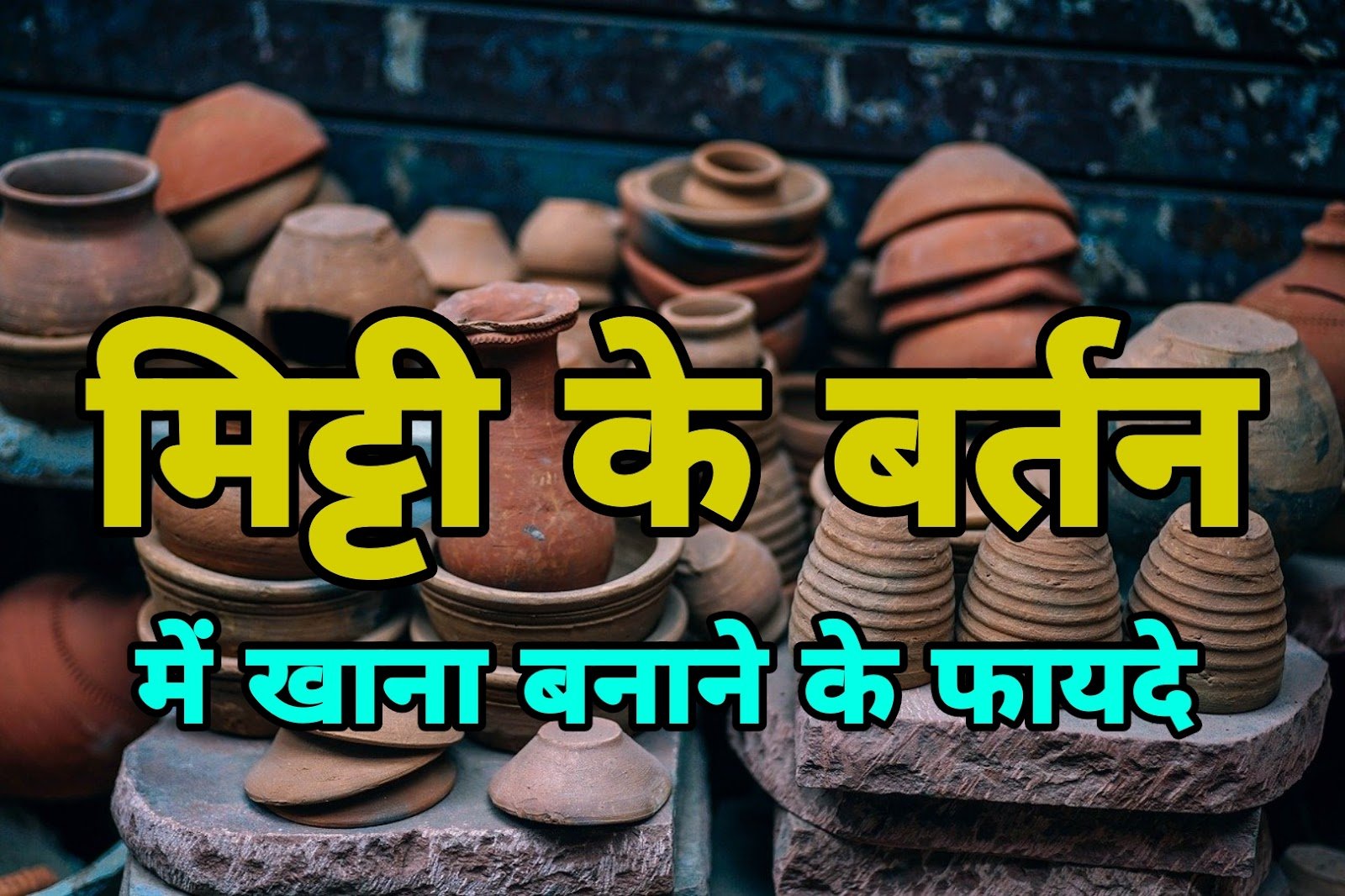
One of the most significant benefits of cooking in clay pots is the preservation of nutrients. Unlike reactive metals like aluminum, unglazed clay is porous and neutral. This means it doesn’t leach chemicals into your food, nor does it cause the rapid loss of vitamins and minerals that can occur with high-heat cooking in metal pans. The gentle, even heating of clay pots helps retain the natural goodness of ingredients, leading to more nutritious meals.
Reduced Oil Consumption for Healthier Cooking
Clay pots have a unique ability to absorb and retain water. To maximize this benefit, it’s recommended to soak unglazed clay pots in water for at least 6-10 hours before cooking. Once saturated, the pot releases moisture gradually during cooking. This natural steaming effect means you’ll need significantly less oil to prevent sticking and achieve tender results. Meals cooked with less oil are inherently healthier, contributing to better cardiovascular health and weight management.
An Unforgettable Culinary Experience
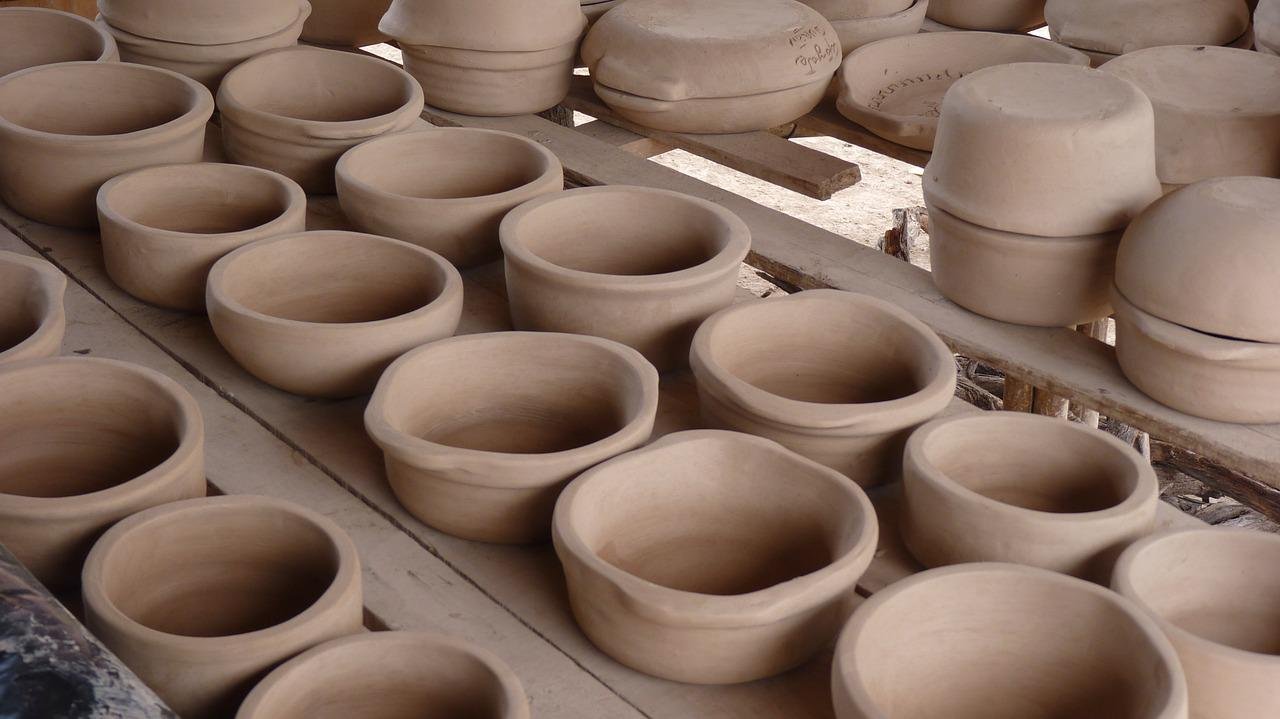
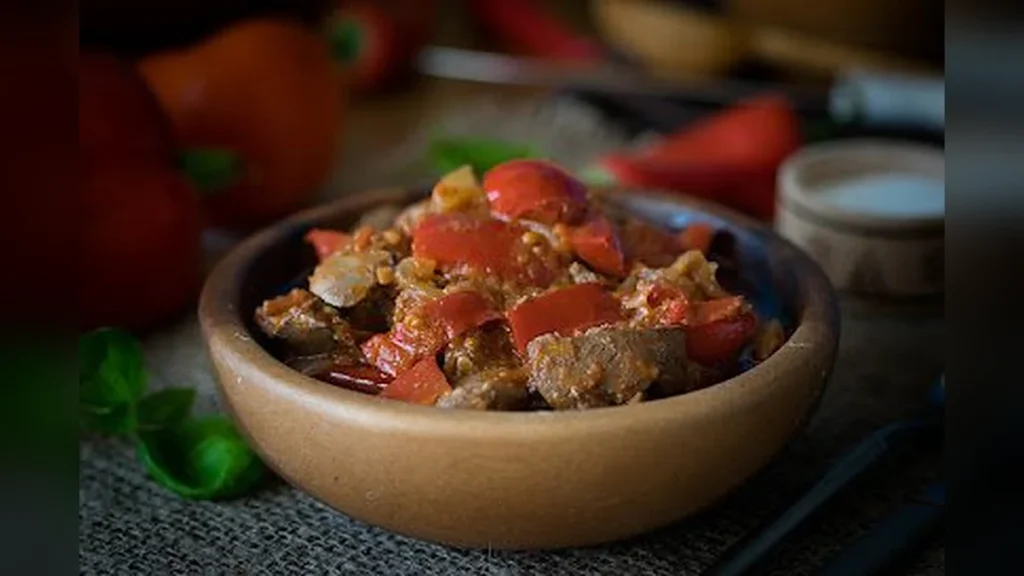
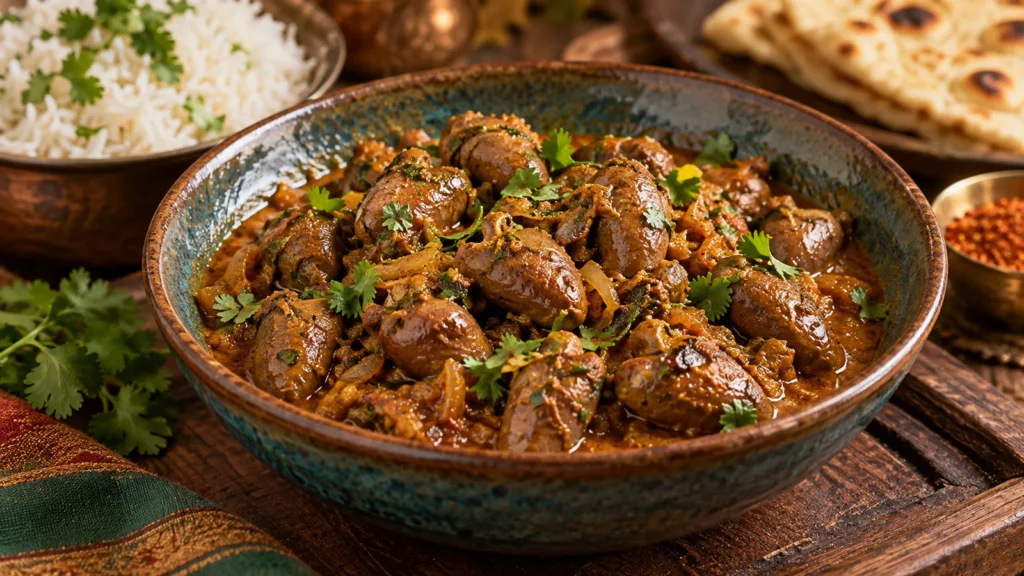
The taste imparted by clay pot cooking is often described as unparalleled. The porous nature of the material allows for slow, even cooking, which melds flavors beautifully. A subtle, earthy aroma, often referred to as ‘sonthi’ (earthy fragrance), infuses the food, making dishes exceptionally delicious. This is why many traditional recipes, from hearty stews and biryanis to simple rice and lentils, are still prepared in clay pots, especially in regional cuisines. Even popular restaurant dishes like ‘handi pulao’ or ‘handi chicken’ owe their distinctive flavor to this ancient cooking method.
Digestive Health and Comfort
The nutrient-rich and gently cooked food from clay pots can be particularly beneficial for digestive health. By retaining essential nutrients and avoiding excessive oil, meals are easier to digest. This can help alleviate common issues like indigestion and gas. The natural cooking process supports overall well-being, ensuring your body receives sustenance without the burden of processed or heavily oiled foods.
Fuel Efficiency in the Kitchen
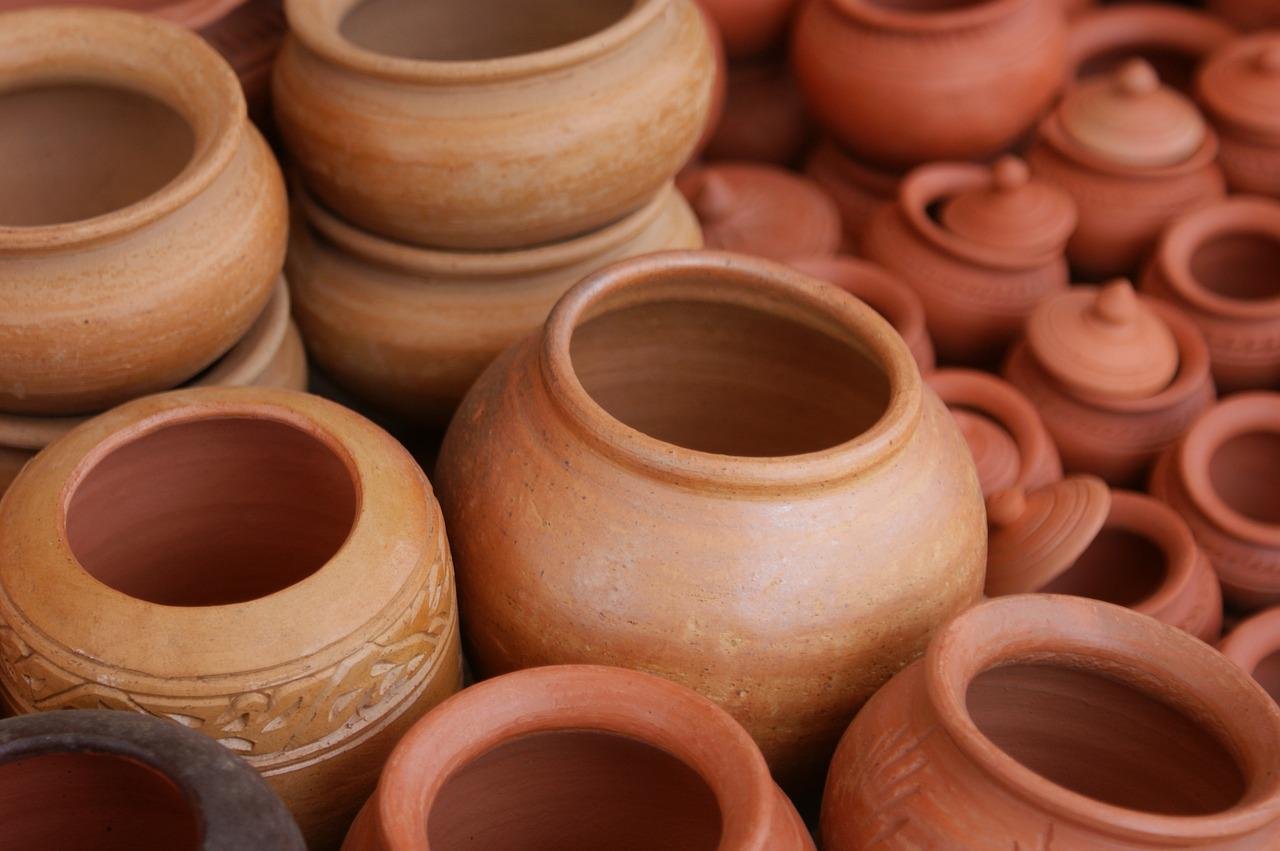
Clay pots heat up relatively quickly and retain heat effectively. This means they require less fuel, whether you’re using a gas stove, an electric cooktop, or even a traditional wood-fired hearth. The efficient heat distribution also contributes to faster cooking times compared to some other methods, making it a practical choice for busy households.
Important Considerations Before Cooking with Clay
To ensure the best results and longevity of your clay cookware, follow these simple preparation steps:
- Thorough Cleaning: Always wash new clay pots thoroughly with water. Avoid using soap, as it can be absorbed by the porous material. If a deeper clean is needed, use a mild abrasive like salt or baking soda with water.
- Soaking: For unglazed pots, soak them in water for at least 6 to 10 hours (or overnight) before the first use and periodically thereafter. This saturates the clay, preventing it from drawing moisture from your food and ensuring even cooking.
- Seasoning (for some types): Some manufacturers recommend seasoning new clay pots. This usually involves coating the inside with a thin layer of oil and heating it gently. Follow the manufacturer’s specific instructions.
Potential Risks and Food Safety in Clay Pot Cooking
While clay pot cooking is generally safe and beneficial, there are a few points to keep in mind:
- Durability: Clay pots can be fragile and are prone to cracking or breaking if dropped or subjected to sudden temperature changes (thermal shock). Avoid placing a hot pot on a cold surface or vice versa.
- Cleaning and Bacteria: Unglazed clay pots can be harder to clean than metal ones. Food particles can sometimes stick to the surface. If not cleaned properly, bacteria can potentially grow. It’s crucial to clean them gently but thoroughly after each use. Avoid harsh detergents. If a pot becomes heavily stained or difficult to clean, it might be time to replace it.
- Lead Glazes: Historically, some ceramic glazes contained lead, which is toxic. Ensure that any glazed clay pots you use are certified lead-free, especially if they are older or of unknown origin. Most modern, reputable earthenware is safe.
- Regular Replacement: Due to the porous nature and potential for bacterial growth if not meticulously cleaned, it’s advisable to replace unglazed clay pots periodically, especially if they show signs of wear, deep staining, or damage.
Frequently Asked Questions about Clay Pot Cooking
Q1: Are there any health risks associated with cooking in clay pots?
Generally, cooking in properly prepared and maintained clay pots is considered safe and healthy. The primary risks involve potential lead contamination if using old or uncertified glazed pots, and bacterial growth if the pots are not cleaned thoroughly. Always ensure your earthenware is lead-free and clean it well after each use.
Q2: How do I clean a clay pot?
Clean clay pots gently with warm water and a soft sponge or brush. Avoid using harsh soaps or abrasive cleaners, as they can damage the pot or be absorbed. For stubborn residue, try scrubbing with a paste of baking soda and water or coarse salt. Rinse thoroughly and allow to air dry completely before storing.
Q3: Can I use clay pots on all types of stoves?
Unglazed clay pots are best suited for low to medium heat on gas stoves, electric coil cooktops, or in ovens. They should not be used on glass-ceramic or induction cooktops as they can cause damage. Some specialized clay pots are designed for direct heat, but always check the manufacturer’s instructions.
Q4: Why does food cooked in clay pots taste better?
Clay pots allow for slow, even cooking and retain moisture, which helps to preserve the natural flavors and aromas of the ingredients. The porous nature of the clay also imparts a subtle, earthy taste that many find delicious and unique.
Q5: How often should I replace my clay cooking pots?
There’s no fixed rule, but it’s wise to replace unglazed clay pots every few years, or sooner if they develop deep cracks, persistent stains that cannot be cleaned, or if you suspect bacterial contamination. Regular inspection and proper care will extend their lifespan.
Conclusion
Clay pot cooking is more than just a traditional method; it’s a pathway to healthier, more flavorful meals. By understanding the benefits, taking necessary precautions for food safety, and preparing the pots correctly, you can rediscover the unique culinary joys of earthenware. Embrace this ancient technique to bring a wholesome and delicious dimension to your cooking.