Why is Roti Important for Children?
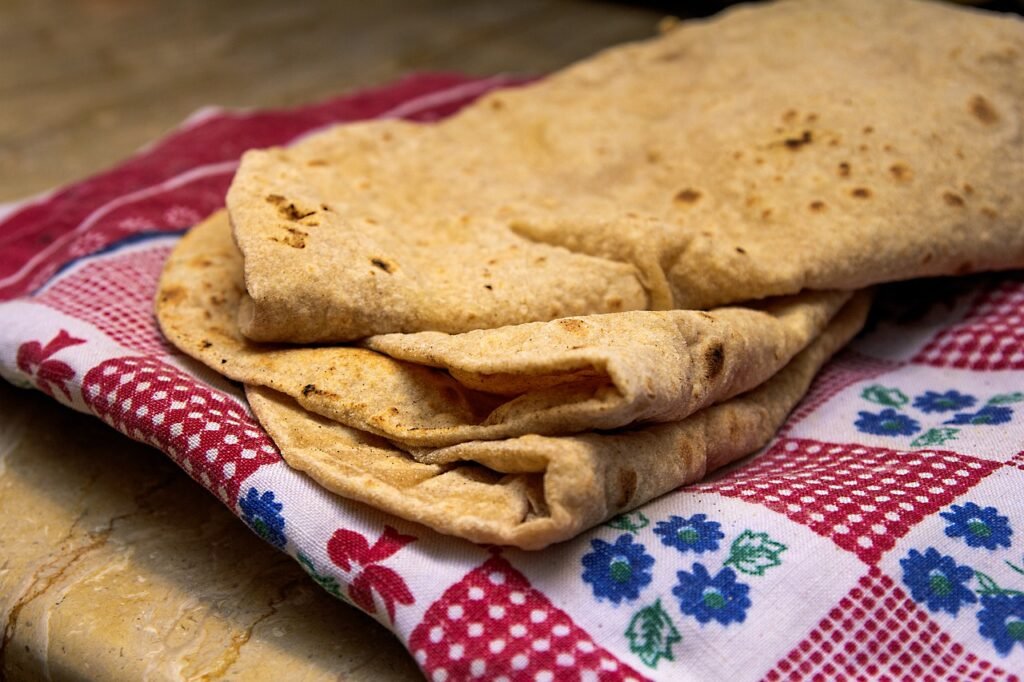
Roti, made from wheat, maize, or millet flour, is a cornerstone of a balanced Indian diet. It’s rich in essential fiber and carbohydrates, crucial for a child’s growth and development. Without adequate intake of such staples, children might experience slower development. Therefore, incorporating roti into their meals is vital for their overall well-being and energy levels.
Common Reasons Children Avoid Roti
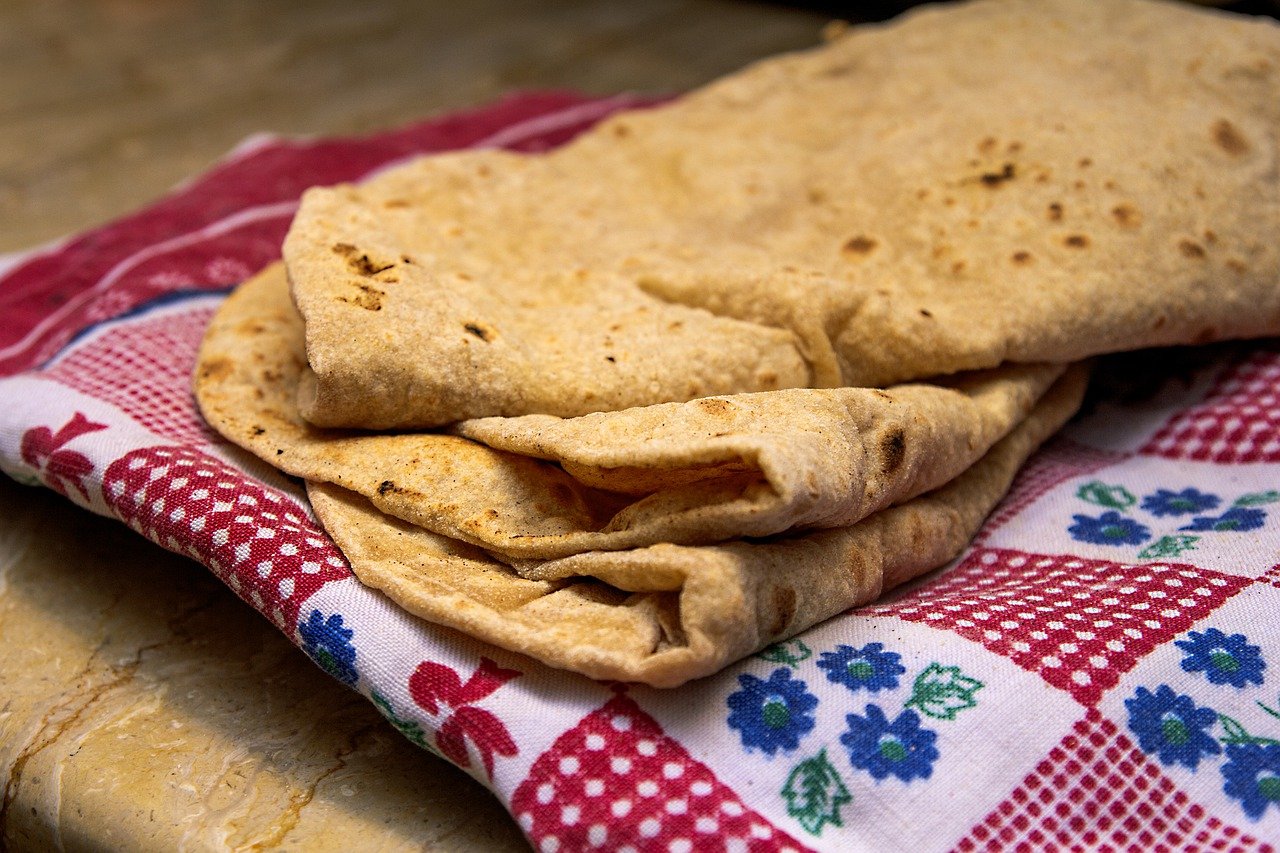
Several factors contribute to a child’s reluctance to eat roti:
- Lack of Distinct Flavour: Roti, in its plain form, has a subtle taste that might not appeal to all children.
- Texture Issues: Some children find roti slightly tough or difficult to chew, especially if it’s not made soft.
- Taste Preference: Simply put, some children may not like the taste of roti.
- Association with Bland Meals: If roti is often served with unappealing side dishes, children might develop a negative association with it.
In Indian households, roti is a fundamental part of the meal. However, it’s not uncommon for children to leave their rotis untouched in their lunchboxes, leading to parental concern.
10 Practical Ways to Encourage Your Child to Eat Roti
- Educate Them on Importance: For older children, explain the health benefits of roti. Use relatable examples, like how athletes eat nutritious food like roti to stay strong and perform well in sports.
- Connect to Activities: Gently explain how eating nutritious food, including roti, can help them run faster in school races or participate more actively in sports.
- Enhance the Taste: Smear a little ghee on the roti. A touch of ghee can significantly improve the flavour and make it more appealing. You could even mix a tiny pinch of salt with the ghee.
- Use Mild Sweeteners: A small amount of fruit jam or a natural sweetener like jaggery can be spread on the roti. The sweetness often makes it more palatable for children.
- Pair with Favourite Sabzi: Pack roti with a side of their favourite vegetable dish (sabzi) in their tiffin. The familiar and liked taste of the sabzi can encourage them to eat the roti along with it.
- Positive Reinforcement: Offer small rewards, like a favourite toy or stationery item, for consistently eating their roti. Ensure the reward is proportionate and not the sole motivation.
- Peer Influence: Mention how their friends or cousins who eat roti regularly are energetic and healthy. Positive peer examples can be influential.
- Family Mealtime: Eat roti together as a family. When children see their parents and siblings enjoying roti, they are more likely to develop an interest in it.
- Ensure Softness and Warmth: Make sure the rotis are soft and warm when served. Hard or cold rotis can be difficult to chew and less appealing. Adding ghee to soft rotis further enhances their appeal.
- Serve in Portions: Instead of giving a large portion at once, offer roti gradually. Sometimes, a smaller, manageable portion feels less overwhelming and encourages them to finish it. Mixing roti with milk and a little jaggery can also create a different, appealing texture and taste.
Remember, patience and a positive approach are key. Avoid scolding or forcing your child. Gentle persuasion and making food enjoyable are far more effective in the long run.
Frequently Asked Questions
Q1: Why does my child refuse to eat roti?
Children might refuse roti due to its plain taste, tough texture, or simply a preference for other foods. Sometimes, they associate it with bland meals or find it difficult to chew.
Q2: How can I make roti tastier for my child?
You can make roti tastier by adding a little ghee, a mild fruit jam, or serving it with their favourite vegetable dish (sabzi). Mixing it with milk and jaggery can also change its flavour and texture.
Q3: Is it okay to give my child jam or ghee with roti?
Yes, in moderation, adding a little ghee or a mild fruit jam can make roti more appealing to children. It’s a way to encourage them to eat this nutritious staple.
Q4: What if my child still refuses to eat roti after trying these methods?
If your child consistently refuses roti despite your best efforts, it’s advisable to consult a pediatrician or a child nutritionist. They can help identify underlying issues and provide tailored advice.
Q5: Should I force my child to eat roti?
No, forcing a child to eat can create negative associations with food and mealtimes. It’s better to use gentle encouragement, make food appealing, and educate them about its benefits.
By understanding the reasons behind your child’s refusal and employing these gentle, practical strategies, you can help them develop a positive relationship with roti and ensure they benefit from its nutritional value.