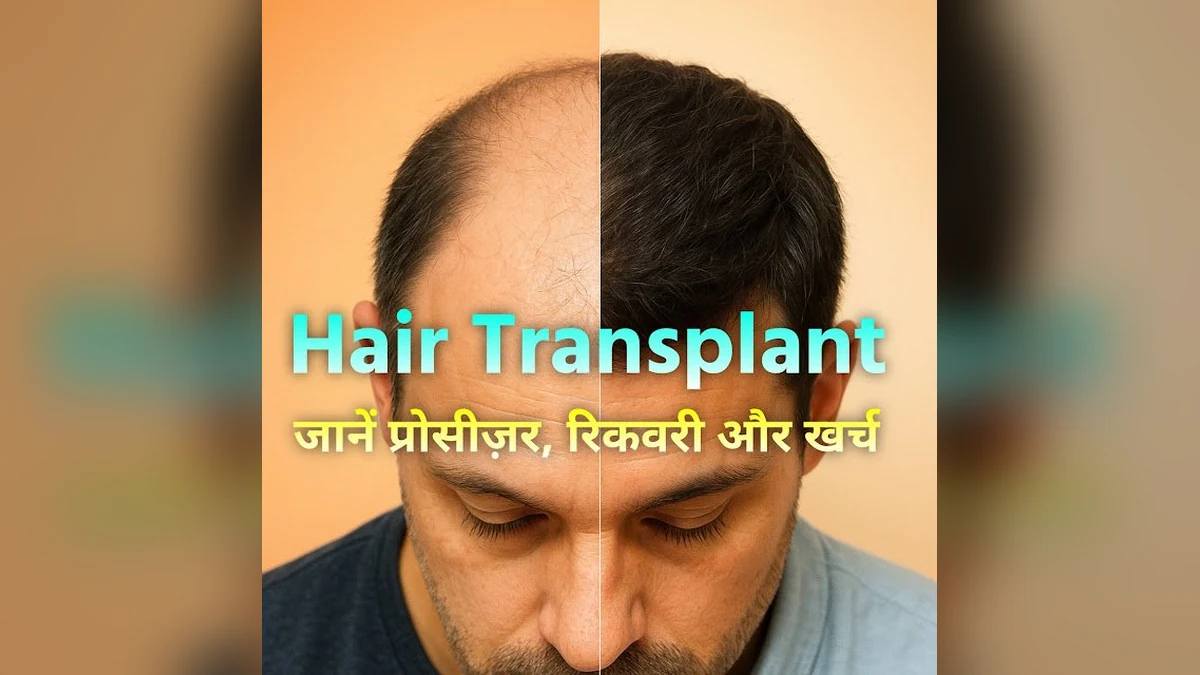
What is a Hair Transplant?
Hair loss is a common concern for many, and hair transplantation has become a popular solution. This procedure involves moving hair follicles from one part of the body (the donor site, usually the back of the head) to a bald or thinning area (the recipient site). It’s a surgical option aimed at restoring a fuller, more natural-looking head of hair. This guide will explain who is a good candidate, the types of procedures available, the steps involved, potential risks, and the typical costs in India.
Understanding Hair Transplant Procedures: FUE vs. FUT

There are two primary surgical techniques used for hair transplantation:
1. Follicular Unit Extraction (FUE)
In FUE, individual hair follicles are extracted one by one directly from the donor area using a small, circular punch tool. These individual grafts are then transplanted into tiny incisions made in the recipient area. FUE generally results in minimal scarring, often appearing as tiny dots that are difficult to detect, and typically offers a quicker recovery period compared to FUT.
2. Follicular Unit Transplantation (FUT) / Strip Method
FUT involves removing a thin strip of skin from the donor area, typically the back of the scalp. This strip is then dissected under a microscope to separate individual follicular units. These units are then implanted into the recipient area. FUT is often preferred for cases requiring a large number of grafts in a single session. The main drawback is a linear scar left where the strip was removed, which can be hidden by existing hair.
The Hair Transplant Process: Step-by-Step
A hair transplant procedure typically follows these stages:
- Consultation: The surgeon assesses your scalp, medical history, and the quality of your donor hair. They will discuss your goals and determine if you are a suitable candidate.
- Design: A natural-looking hairline is designed, and the density of grafts to be transplanted is planned.
- Extraction: Depending on the chosen method (FUE or FUT), hair follicles are carefully extracted from the donor site.
- Recipient Site Creation: Small incisions or slits are made in the recipient area where the grafts will be placed. The angle, direction, and depth of these incisions are crucial for a natural result.
- Graft Implantation: The harvested follicular units are meticulously placed into the prepared recipient sites.
- Post-Operative Care & Recovery: After the procedure, you may experience some swelling and mild discomfort. Specific instructions for washing, medication, and activity restrictions will be provided. Initial shedding of transplanted hairs is normal, with new growth usually becoming visible within 3 to 9 months.
Benefits of Hair Transplantation
- Permanent Results: Hair transplanted from the donor area is typically resistant to balding and provides a permanent solution.
- Natural Appearance: Skilled surgeons can create a natural-looking hairline and density, making the results indistinguishable from original hair.
- Boosted Confidence: For many, restoring their hair significantly improves self-esteem and overall appearance.
Potential Risks and Downsides
- Infection and Scarring: As with any surgical procedure, there is a risk of infection, scarring, or poor graft survival, especially if post-operative care is not followed or if the procedure is done in an unhygienic environment.
- Multiple Sessions: Significant hair loss may require more than one session to achieve the desired density, particularly if the donor area is limited.
- Shock Loss: Some temporary shedding of existing hair around the transplanted area (shock loss) can occur, which usually regrows over time.
- Cost: Hair transplantation can be a significant financial investment.
Hair Transplant Costs in India
The cost of a hair transplant in India varies widely based on several factors:
- Technique Used: FUE is generally more expensive than FUT due to the labor-intensive nature of extracting individual follicles.
- Number of Grafts: The more grafts required to cover the thinning or bald area, the higher the overall cost.
- Surgeon’s Experience and Reputation: Highly experienced and renowned surgeons often charge more.
- Clinic Location and Facilities: Clinics in major metropolitan cities and those with advanced technology may have higher prices.
Estimated Cost Range in India (approximate):
- FUT: Typically ranges from ₹25,000 to ₹1,50,000 for a full package.
- FUE: Can range from ₹30,000 to ₹1,80,000 or more. Some clinics charge on a per-graft basis, which can vary significantly.
Large sessions requiring 2000-6000 grafts can push the total cost upwards of ₹1,20,000. It’s important to note that prices can vary between clinics and are subject to change.
Choosing the Right Clinic in India
Selecting a reputable clinic is crucial for a successful outcome. Consider these points:
- Surgeon’s Qualifications: Ensure the surgeon is board-certified and has specialized training in hair transplantation.
- Portfolio and Reviews: Examine before-and-after photos of previous patients and read independent reviews to gauge the clinic’s track record.
- Consultation Process: A thorough consultation where your specific needs are discussed is essential.
- Clear Pricing: Request a detailed written estimate outlining all costs, including any potential hidden fees.
- Post-Operative Care: Understand the clinic’s follow-up policy and support system.
While some Indians opt for procedures abroad, particularly in Turkey (Istanbul) due to package deals and perceived affordability, it’s vital to consider the logistics of travel, communication, and post-operative follow-up care.
Recovery and Post-Operative Care
Proper aftercare is vital for healing and optimal results:
- Avoid strenuous physical activity and direct sun exposure for the first 7-10 days.
- Follow the surgeon’s instructions regarding medication, shampooing, and sleeping positions.
- Attend all scheduled follow-up appointments to monitor healing and hair growth.
Frequently Asked Questions (FAQs)
Q1: Is a hair transplant painful?
Local anesthesia is administered before the procedure, minimizing pain during the surgery. Some discomfort or soreness may be experienced in the days following the operation, which can be managed with prescribed medication.
Q2: When will I see the results of a hair transplant?
Initial new hair growth typically begins to appear within 3 to 4 months after the procedure. The full, final results are usually visible within 8 to 12 months as the transplanted hairs mature.
Q3: How long do hair transplant results last?
The transplanted hair follicles are genetically resistant to balding and are expected to last a lifetime, providing permanent results.
Q4: What is the difference between FUE and FUT?
FUE involves extracting individual hair follicles, leaving tiny dot scars, and usually has a faster recovery. FUT involves removing a strip of scalp, resulting in a linear scar, and is often used for larger graft numbers.
Q5: Can I get a hair transplant if I have limited donor hair?
The success of a hair transplant depends on the availability and quality of donor hair. A surgeon will assess your donor area during the consultation to determine if you are a suitable candidate and how many grafts can be realistically transplanted.
Disclaimer: This information is for general guidance only. Individual results may vary, and it is essential to consult with a qualified and experienced hair transplant surgeon to discuss your specific condition and treatment options.
























Share Your Opinion
Comments are closed on this post.