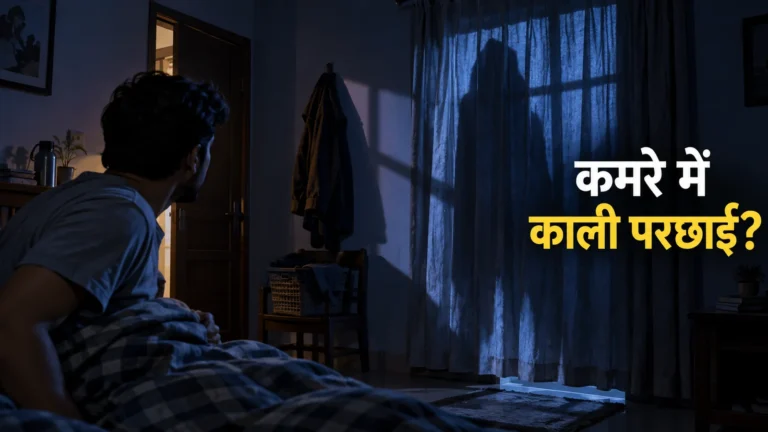
A sudden perfume smell can make a quiet room feel unfamiliar
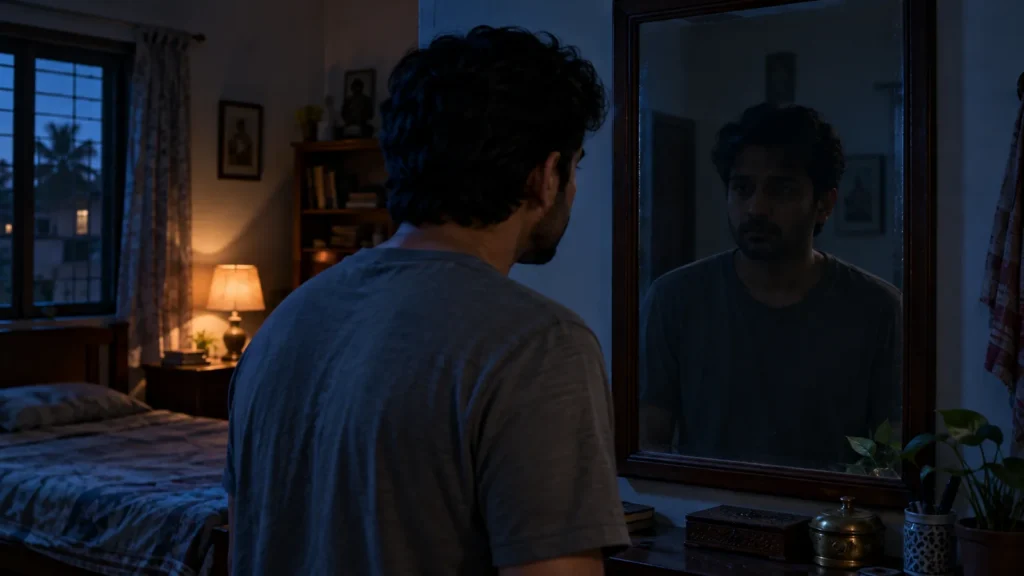
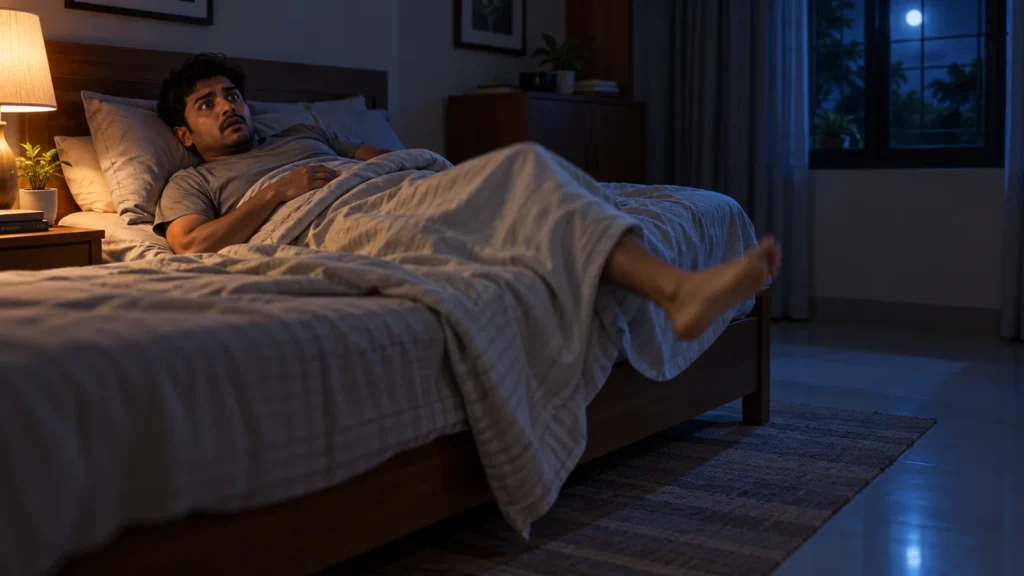
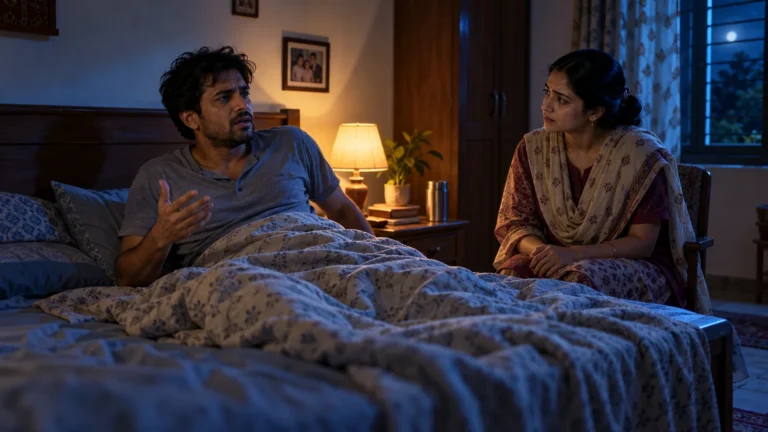
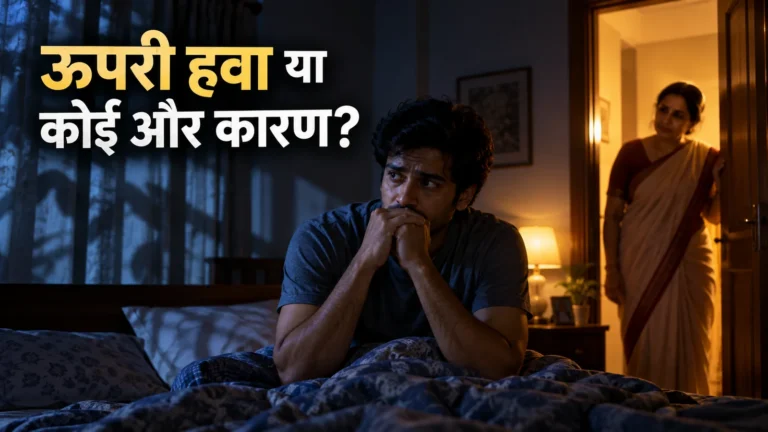
The house is quiet at night. You have not lit incense, yet you notice something like jasmine or perfume. No open bottle is visible. Then you remember a story about a spirit announcing itself through fragrance. This is an illustrative scene, but the uncertainty and fear that a similar experience creates deserve a respectful response.
Noticing a smell and identifying its cause are different things. An experience does not establish that a spirit is present, and it does not immediately establish a medical condition either. Begin with a useful distinction: a source you have not found is different from an odour perceived when no environmental source exists.
This guide explains how to approach smelling perfume with no source without ridicule or a frightening instant diagnosis. The setting, timing, recurrence and associated symptoms matter. You do not need to decide between a supernatural explanation and being dismissed as someone who imagined everything before you can ask for help.
First consider an ordinary source you may have missed
Perfume used nearby, incense elsewhere, an air freshener, clothing or air entering from a neighbouring space are possibilities to consider. These are suggestions for a calm check, not an identification of your particular smell. Do not enter an unsafe enclosed space or put your nose close to an unknown substance to investigate.
If the surroundings are safe, ask another person whether they notice any smell. A neutral question is more useful than first telling them what they should smell or what it supposedly means. Agreement can support checking the environment, but it cannot establish which substance is present or whether the air is safe.
Disagreement is not a home diagnostic test for phantosmia. People may detect smells differently. Record where the experience happened and whether it changed when you moved elsewhere, rather than repeatedly sniffing until you feel forced to reach an answer. A simple observation can be useful without becoming a ritual or a certainty.
Phantosmia and parosmia describe different experiences
Phantosmia means perceiving an odour that is not present in the environment. The term olfactory hallucination is also used. It describes a sensory experience; it does not by itself identify the underlying cause or diagnose a psychiatric illness. A pleasant phantom smell is possible, just as an unpleasant one is.
Parosmia describes an altered perception of an odour that actually exists. A familiar food may smell different from how it normally does. If incense really is burning nearby, an overlooked source is another situation again. Keeping these possibilities separate is more useful than labelling every unusual smell an imaginary sensation.
Specialised sensory cells high inside the nose detect odour molecules and send messages to the brain, which identifies the smell. A message-delivery analogy helps introduce this process without diagnosing an individual symptom. Calling a neuron a spark does not establish what happened. The fragrance itself cannot reveal a precise neurological mechanism.
FACT: the type of fragrance does not identify a spirit or a diagnosis
NIDCD defines phantosmia as an odour sensation without an external source. Mayo Clinic notes that the perceived smell can be pleasant or unpleasant. Incense, perfume and floral descriptions therefore cannot serve as reliable codes for a spiritual visitor, a particular disease or a specific event that is about to happen.
Several health conditions can affect smell perception. That does not mean a single episode allows you to select one from a list. In particular, do not turn “a strange smell occurred” into “a temporal lobe seizure definitely occurred.” The history and any accompanying symptoms guide a clinician’s assessment and decisions about investigations.
Source: NIDCD: Smell disorders
Information that can help a clinician understand the complaint
Mention a recent cold, COVID-19, sinus symptoms, allergies or nasal blockage if these are relevant. Smell changes can occur in these settings, but that association is not proof of the cause in your case. A list of possibilities should help you describe your history, rather than become instructions to start treatment yourself.
Also mention changes in medicines, a head injury and any earlier change in your sense of smell. Note when the problem started, how frequently it occurs and whether it is limited to one place. A primary assessment may help decide whether an ear, nose and throat specialist or another professional is appropriate.
Do not borrow medication, increase a nasal spray or put an unfamiliar oil into your nose because a website suggests a cause. Discuss persistent or recurring symptoms with a healthcare professional. NHS guidance recommends assessment if smell does not return to normal within a few weeks; troublesome symptoms can justify seeking advice sooner.
Support the person while keeping environmental safety in view
If you are in a safe setting, tell someone you trust what happened: “I noticed a smell and it frightened me; can we check ordinary explanations?” You do not have to defend a diagnosis. Take a break from searching for ominous meanings if the repeated searching is making you more distressed or interfering with sleep.
Suspected smoke, burning or a gas leak should not be dismissed as a phantom smell. Move to safety and obtain appropriate emergency or trained assistance. Dizziness or breathing difficulty makes safety particularly important. Another person failing to notice the smell does not certify that the environment is safe to remain in.
Family members can listen without joking about the person or declaring a spirit responsible. Harmless personal beliefs may offer comfort, but should not prevent assessment or justify a painful ritual. Protect the person’s privacy. Turning a sensory complaint into a public accusation or a family spectacle can make asking for help harder.
Advice: when and how to ask for help
Seek medical assessment when the experience recurs, persists, affects eating or sleep, or remains concerning after a safe ordinary check. You can simply say: “I perceive a smell without a clear source, and this is when it started and how often it happens.” That description gives a professional something concrete to investigate.
Sudden severe confusion, collapse, a seizure-like episode or rapidly worsening symptoms call for urgent help rather than a routine appointment. In India, 112 is the emergency support number. Explain your location and the symptoms observed. You do not need to prove a supernatural cause, and an internet article cannot assess an emergency remotely.
For another episode, keep a short factual note, avoid changing prescribed medicine yourself and choose safe support. Respecting a sensory experience is compatible with being uncertain about its cause. Neither a confident supernatural story nor a dismissive response is required for someone to receive practical assistance and a careful clinical assessment.
Frequently asked questions
Does an unexplained incense smell prove a spirit is present?
No. The smell does not establish that explanation. Consider a missed environmental source and changes in smell perception. Recurring or persistent symptoms deserve medical assessment.
Is every sudden perfume smell phantosmia?
No. An unnoticed source, a real smell perceived differently and a phantom smell are distinct possibilities. One observation cannot reliably distinguish them or establish a diagnosis.
Can a phantom smell be pleasant?
Yes. Phantosmia can involve pleasant or unpleasant smells. A pleasant smell alone does not prove that phantosmia is responsible or identify its cause.
Does noticing a smell that others do not notice mean mental illness?
That conclusion cannot be made from this symptom. A clinician considers the history and possible causes. Listen respectfully and help the person access an appropriate assessment.
Should I start a nasal spray or other medicine myself?
No. Treatment depends on the cause. Ask a healthcare professional about persistent symptoms. Suspected gas, smoke or serious accompanying symptoms require safety and urgent assistance first.
Related reading
Why Your Face Can Look Strange in a Mirror at Night: Illusion, Light and Safety
Rotten egg smell at home: safety first
Sudden anxiety and a racing heart at night
Fear of a supernatural presence: main guide
Sources and review
Information reviewed: 18 October 2026. The opening scene is illustrative, not a reported case.
NHS: Lost or changed sense of smell
NHS: Hallucinations and hearing voices
MHA: Emergency response support system — 112
This is general information, not an individual diagnosis or treatment. Seek professional help for severe or persistent symptoms.