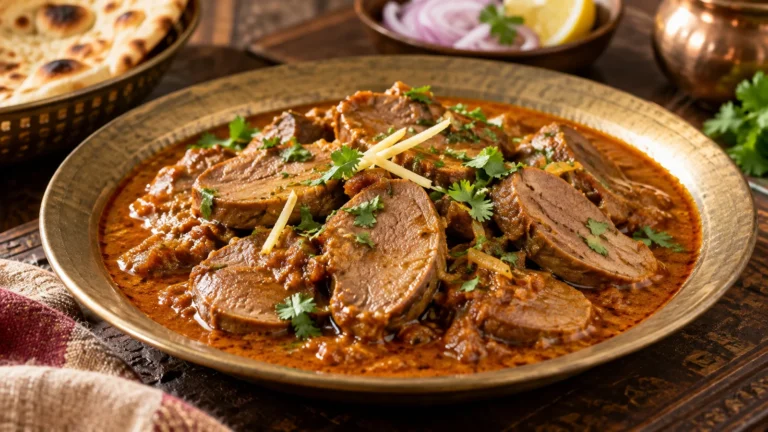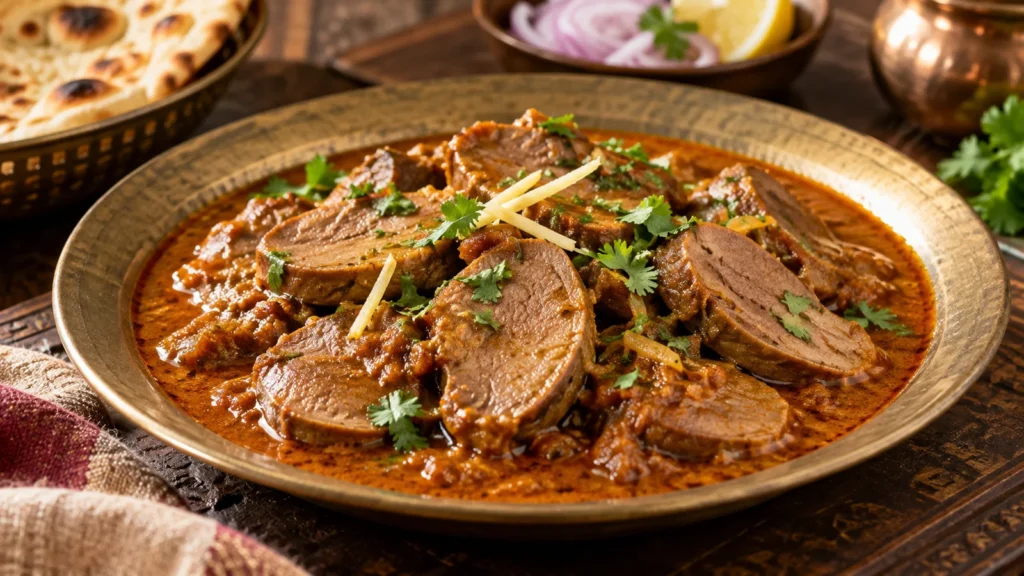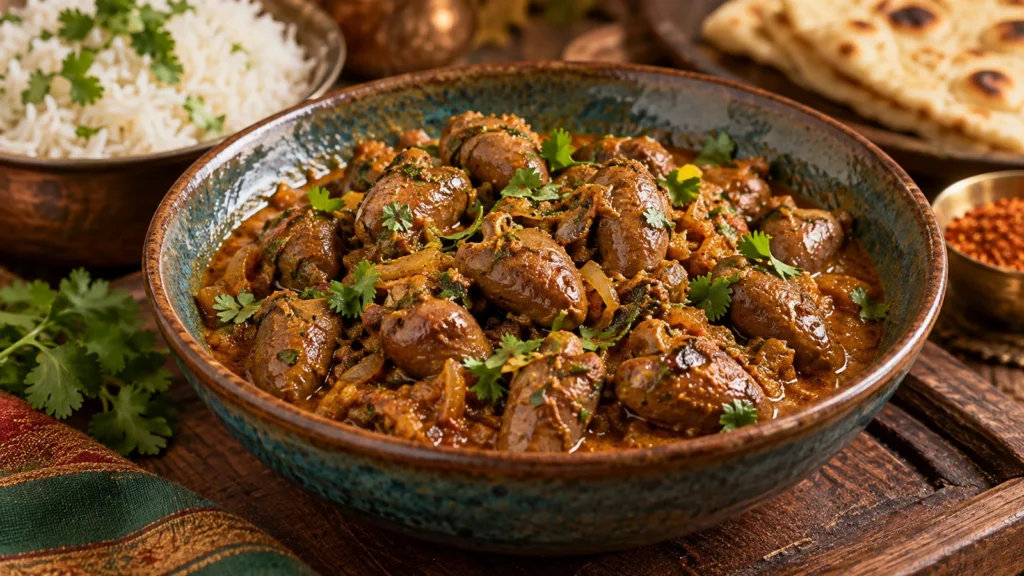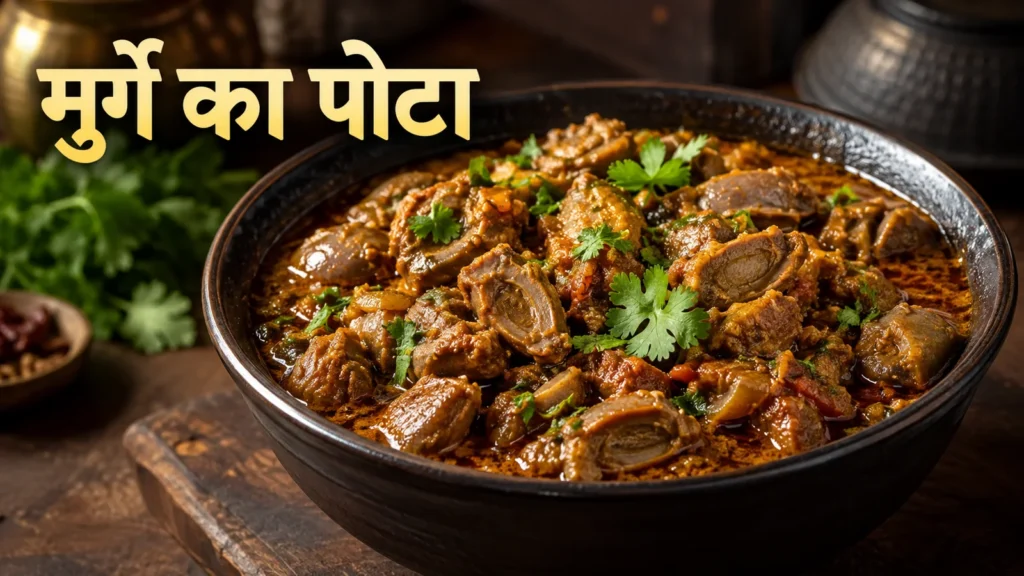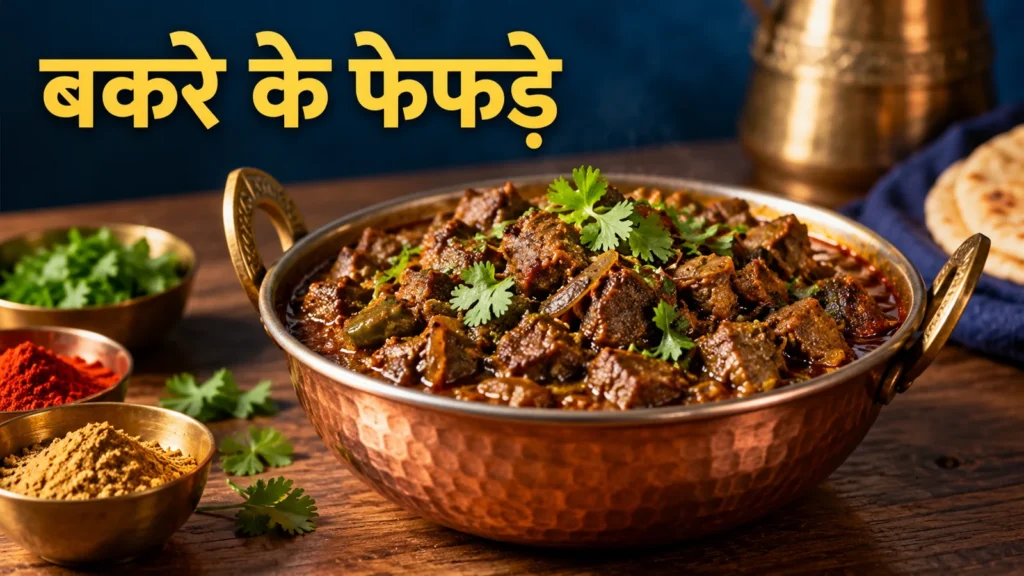
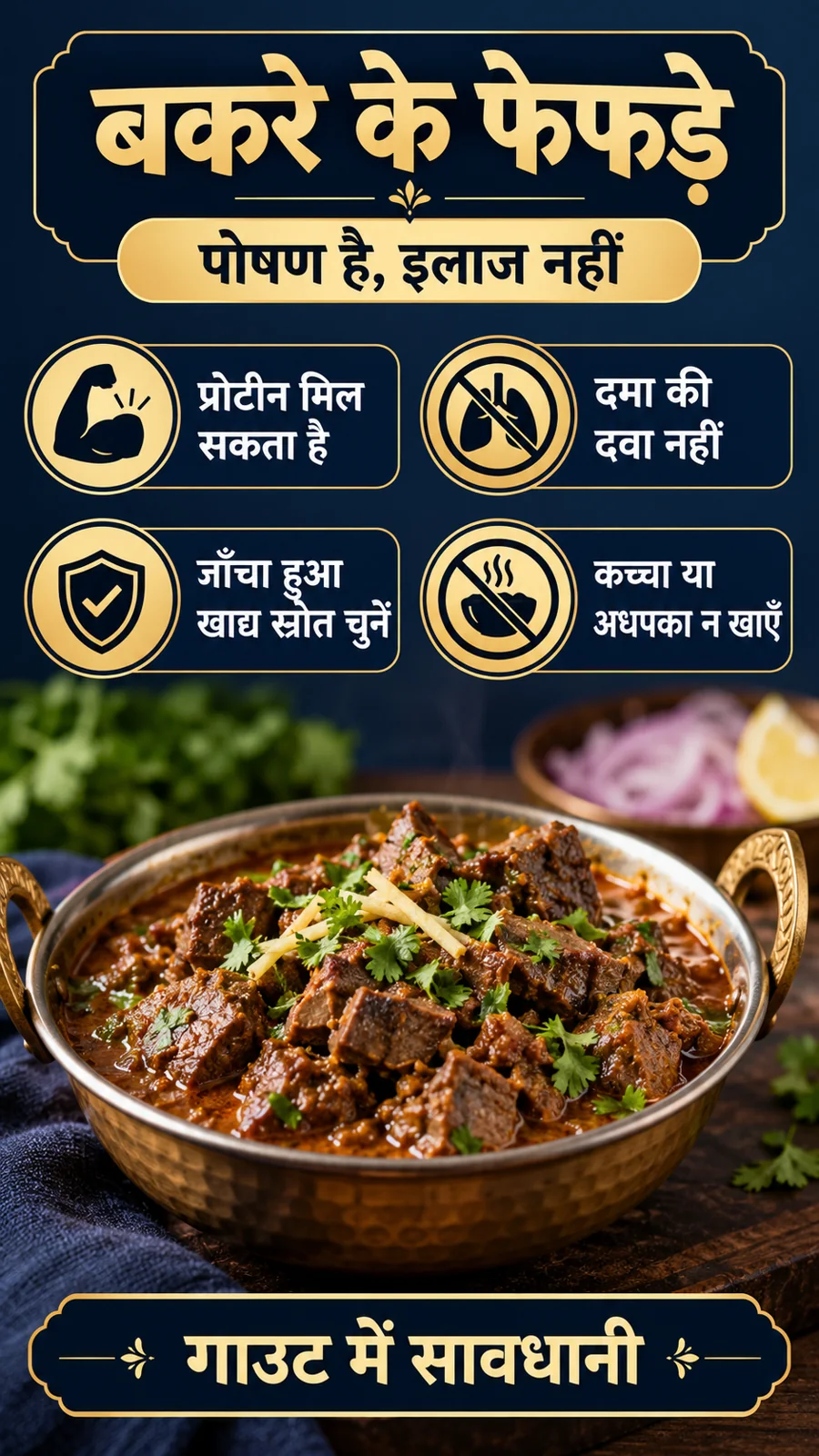
Goat lungs benefits should be understood as nutritional contributions, not as treatment for lung disease. Edible lungs can provide protein and iron, but there is no reliable clinical basis for using them to cure asthma or tuberculosis. They cannot replace inhalers, TB medicines or medical care.
What are goat lungs?
Lungs are a goat’s respiratory organs. They may be sold as goat lungs, mutton lungs or under regional names such as phephda or phephsa. The word mutton can refer to sheep or goat in different markets. Ask the seller which animal and organ you are buying; regional names alone do not establish identification.
Goat lungs benefits and nutrition
Food composition databases and research on edible goat organs report protein and iron in lungs. Protein supports tissue maintenance, and iron is needed for normal blood formation. These nutrients are available from other foods too, so eating lungs is not essential for health.
Composition varies with the animal, raw versus cooked weight, and preparation. Data for another animal’s lungs should not be relabelled as goat data. This guide does not give an estimated per-100-gram table or promise a rise in haemoglobin within a set number of days. Added oil, salt and portion size also affect the overall meal.
Do goat lungs cure asthma?
No: they are not an evidence-based asthma treatment. Eating an animal’s organ does not establish that it will repair the corresponding human organ. Asthma involves inflammation and narrowing of the airways. NHS guidance describes prescribed inhalers as usual treatment.
Feeling better after eating a food does not prove a treatment effect. Continue prescribed asthma medicine. Severe breathlessness, difficulty speaking or lack of relief from a reliever inhaler can require urgent medical attention. Suspected tuberculosis requires testing and appropriate medicines, not a food remedy.
Can they improve haemoglobin or strength?
An iron- and protein-containing food can contribute to a balanced diet. However, anaemia has several causes, including nutrient deficiencies and blood loss. Goat lungs cannot treat every cause of low haemoglobin. Persistent weakness needs assessment; do not stop prescribed supplements or treatment.
Side effects and precautions
Foodborne illness: Like other raw meat, offal can pose a risk when storage, handling or cooking is inadequate. Raw juices may contaminate ready-to-eat food. It is inaccurate to assume every lung is infected; reliable sourcing and food inspection matter. Do not buy suspect organs or organs from a visibly sick animal.
Gout and uric acid: Offal is identified as a high-purine food in relevant NHS diet guidance. People with gout or uric-acid stones may need to limit or avoid it according to their individual plan. A general article cannot give personal permission.
Prescribed diets: With kidney disease, cholesterol restrictions or another medical diet, do not assume that organ meat is automatically suitable because it contains nutrients. Portions and frequency need to fit the person’s condition. High-oil and salty recipes add separate dietary concerns.
Buying, storing and cooking safely
Use a trustworthy, hygienic food seller operating under applicable local rules. Buy properly prepared food-grade organs and avoid unknown sources, meat kept without chilling, or suspect organs. Lemon and spices cannot make spoiled meat safe. Refrigerate promptly and keep raw meat separate from cooked or ready-to-eat food.
Washing raw meat under running water can spread germs through splashes. USDA does not recommend washing as a reliable food-safety step. Wash hands and clean utensils and boards. Follow relevant food-safety guidance for preparation and cook the organ thoroughly throughout. Do not rely only on colour, smell or a fixed cooking time.
USDA recommends 160°F (about 71°C) for lamb organ meats. This is a lamb guideline, not a separately verified goat-lung standard. Follow applicable local guidance and use a food thermometer. Pregnant people, older adults and people with weakened immunity should avoid undercooked meat.
Frequently asked questions
Are goat lungs a medicine for asthma or TB?
No. They are not a proven treatment for either condition. Continue medical care and prescribed medicines.
Do goat lungs contain protein and iron?
Yes, food-composition sources report these nutrients. The amount depends on the sample and preparation; this does not prove a disease-treatment effect.
Can someone with high uric acid eat goat lungs?
Purines in offal are relevant to gout and uric-acid stone diets. Seek individual advice from your clinician or dietitian.
How much goat lung should I eat?
There is no established universal daily serving. Consider your overall diet, health and cooking method. Daily consumption is unnecessary.
Can lemon or spices make lungs safe to eat?
No. They cannot replace a suitable source, chilled storage, hygienic handling and thorough cooking.
Related reading and sources
Read chicken gizzard benefits and safe cooking. A Hindi guide to goat pachauni is also available; regional organ names vary and treatment claims need evidence.
TBCA: raw goat lung composition; original research on edible goat organs; NHS: asthma; NHS: purines and uric acid; USDA: washing raw meat; USDA: lamb organ meat safety.
General educational information, not individual medical advice. Reviewed 9 October 2026. Featured artwork is an illustrative AI-generated image.