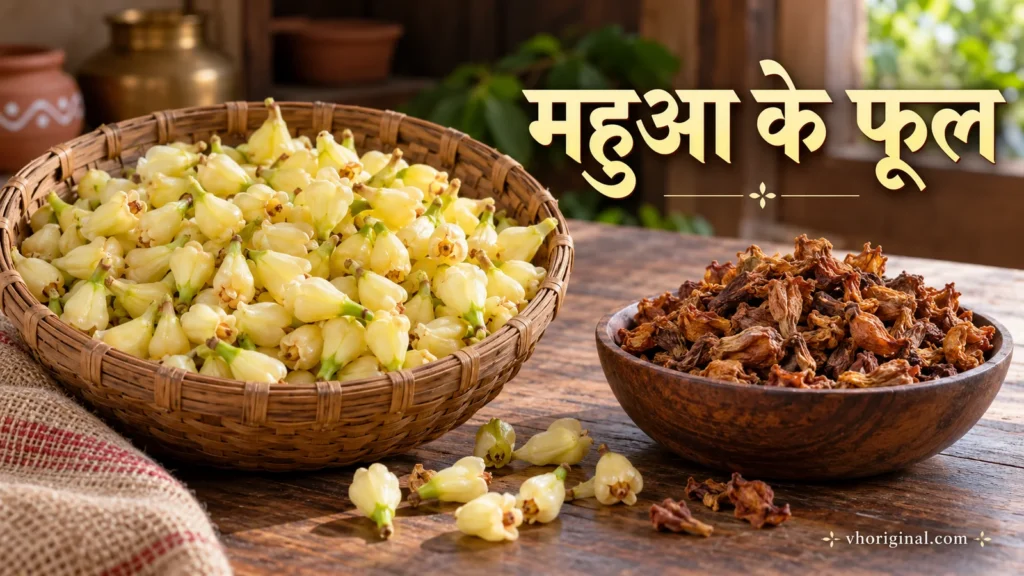
Mahua flower benefits: start with the correct edible part
Mahua flower benefits make more sense when flowers, fruit and seeds are kept separate. The sweet fleshy flower has documented traditional food uses. That does not make every part of the tree interchangeable, safe to eat raw, or a treatment for disease.
Mahua is often discussed only in connection with alcohol, although its flowers also appear in food products. This guide explains culinary uses, evidence limits, natural sweetness, preparation and why Indian legal rules need to be checked locally.
What is mahua? Flowers, fruit and seeds compared
The scientific name commonly used is Madhuca longifolia. Older botanical references also use Madhuca latifolia. Local names and varieties can differ. Do not identify an unfamiliar tree or edible part from an online photograph alone.
| Part | How to understand its use | Main precaution |
| Sweet fleshy flower | Used fresh or dried in traditional food preparations | Check source, cleanliness and sweetness |
| Outer fleshy fruit portion | Vegetable use is documented in some communities | Confirm the part and established local preparation |
| Seed / kernel | A source of oil and processed products | Do not assume the safety of the flower applies to raw seeds |
| Seed oil / cake | Use depends on processing and product grade | Industrial and food-grade products are different |
The World Agroforestry species profile records edible uses of the fleshy flower and outer fruit portion. Such documentation does not establish a household medicinal dose for raw seeds, any unlabelled oil or every unfamiliar part.
Which mahua flower benefits are supported?
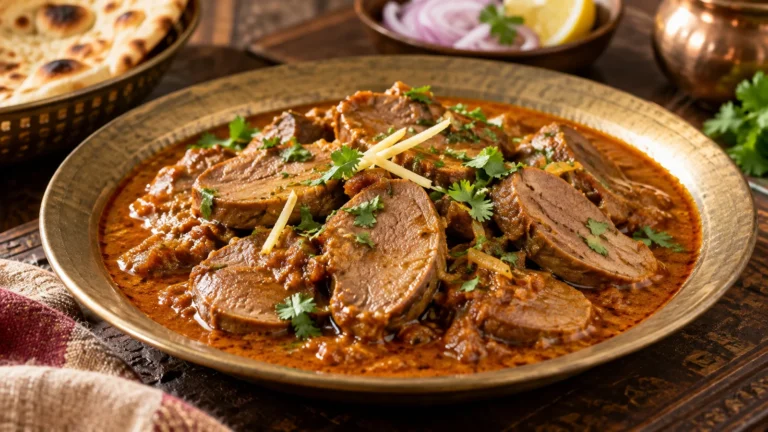
The clearest benefit is its role as a local food ingredient. Sweet flowers add flavour to flour-based preparations and other dishes. The PMFME portal, in material shared by ICFRE, describes flower-based laddus, halwa, sauces, jams and chutneys.
A 2026 original laboratory study examined differences in sugars and other constituents across flower accessions and development stages. This supports caution about presenting one nutrient value as universal. Fresh flowers, dried flowers and a finished dessert should not be treated as the same food.
Detecting minerals or antioxidant activity in a laboratory does not demonstrate that eating flowers treats diabetes, anaemia, joint disease or infertility. The food-use and composition sources checked for this guide do not establish those treatments. Traditional use deserves accurate description without turning it into a medical promise.
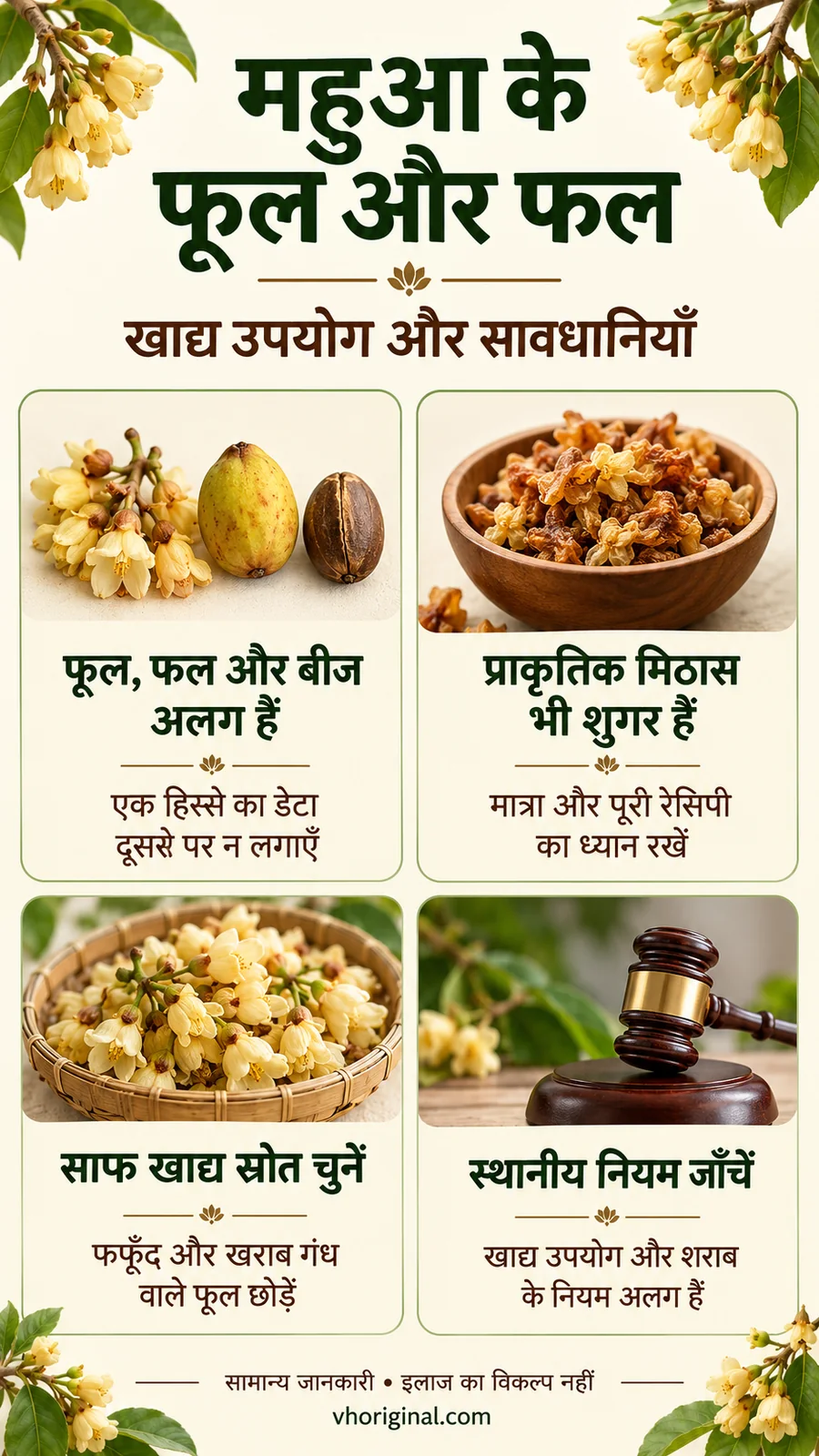
Natural sweetness is still sugar
Mahua flowers taste sweet. Natural does not mean sugar-free. In a laddu, halwa or drink, consider the flowers together with added sugar, jaggery, ghee and the portion actually eaten.
For someone with diabetes, this is not a daily medicine, an unrestricted sweet food or a proven glucose-lowering decoction. A clinician or dietitian can help fit portions into an individual meal plan. This guide does not provide an unverified daily gram amount or a therapeutic dose.
Mahua fruit benefits are a separate question
Searches for mahua fruit benefits sometimes lead to flower nutrition or seed-oil information. The outer fruit portion, kernel and extracted oil are different materials. A result for one cannot be copied to another.
Food use of the outer fruit portion is recorded in some communities, but the sources here do not provide a standard nutrition chart or universal method for every ripeness stage. If you do not know an established, reliable local food preparation, avoid experimenting with an unfamiliar part.
Mahua side effects and practical precautions
Poor-quality material: Fallen flowers may contain soil or debris. Reject mouldy flowers, material with unusual odours or flowers that have become spoiled. Sweetening or boiling a spoiled batch is not a reliable way to make it suitable for food.
The wrong product: Flower food use does not automatically establish the safety of seeds, seed cake or non-food oil. Choose products clearly intended and processed for food use. Oil sold for industrial use should not be used for cooking.
Excessive portions: Repeatedly eating sweet preparations as a health tonic is not a sensible approach. Stop a new food if it causes discomfort. Persistent vomiting or other serious symptoms require medical attention.
Cleaning and food preparation
Use a reliable food supplier or a known clean source. Remove debris and damaged material. Before preparation, rinse produce with clean running water and use clean hands and utensils. Do not wash food with soap, detergent or bleach.
Wash a fresh fruit before cutting it, too, so dirt is not carried inside by the knife. Washing does not guarantee the removal of every germ. Use a well-established preparation for the correctly identified edible part, including proper cooking where that is part of the food tradition.
Inspect dried-flower packaging for moisture, mould and poor odours. Follow the product storage instructions. Home drying needs a clean setting and adequate dryness; there is no basis here for promising an unchecked shelf life of years.
Mahua food use and Indian legal rules
Food use and alcohol manufacture or sale are separate legal questions. It would be incorrect to declare that raw mahua flowers can always be collected, stored or traded throughout India without permission. Some state legislation provides for regulation of the raw flowers as well.
For example, the Madhya Pradesh Extension of Laws Act, 1958 on India Code includes an amendment to excise-law section 62 covering regulation of activities involving mahua flowers. Before commercial buying, storage, transport or sale, check current state excise, forest and food requirements and any applicable permissions. A food article is not a substitute for a state-specific legal check.
Frequently asked questions
1. Can mahua flowers be eaten?
Traditional food uses of the correctly identified sweet fleshy flower are documented. Choose a clean food source and reliable preparation. This does not make every part of the tree suitable to eat.
2. Does eating mahua cure diabetes?
The sources checked here do not establish that treatment. Flowers are sweet, and a prepared dish may contain additional sweeteners. Do not stop medicines; fit food portions into an individual plan.
3. Are mahua flowers, fruit and tora the same?
Flowers and fruit are different, and seeds are inside the fruit. Regional terms such as tora or dori can be used differently. Ask exactly which plant part a supplier is offering.
4. Can mahua seeds be eaten raw?
The edible use of flowers is not a basis for recommending raw seeds. Seed and oil uses depend on appropriate processing and food grade.
5. Is possessing mahua flowers automatically legal everywhere in India?
A single nationwide answer is inappropriate. Rules can depend on the state and activity, including collection, storage, transport and trade. Check current requirements with the relevant department.
Advice
Treat mahua first as a food ingredient. Confirm the part, choose a safe source and consider the portion of a sweet recipe. A product labelled mahua is not automatically equivalent to the edible flower. Your dietary needs and local rules both matter.
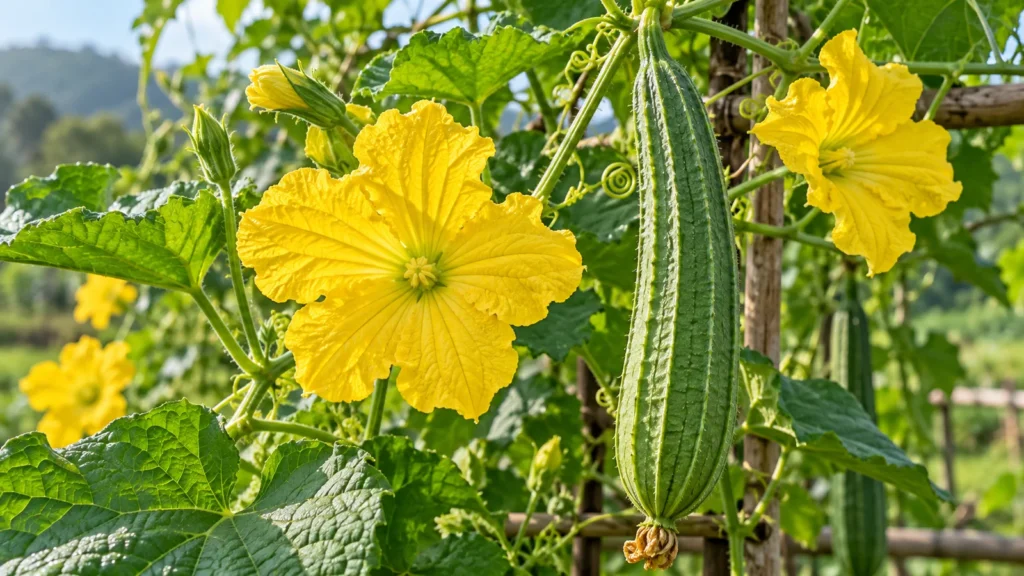
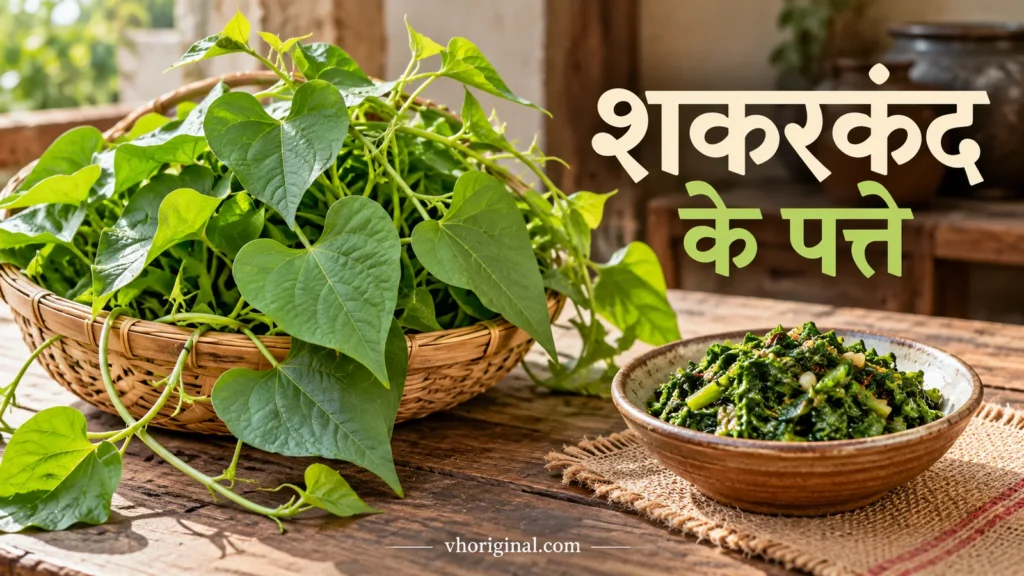
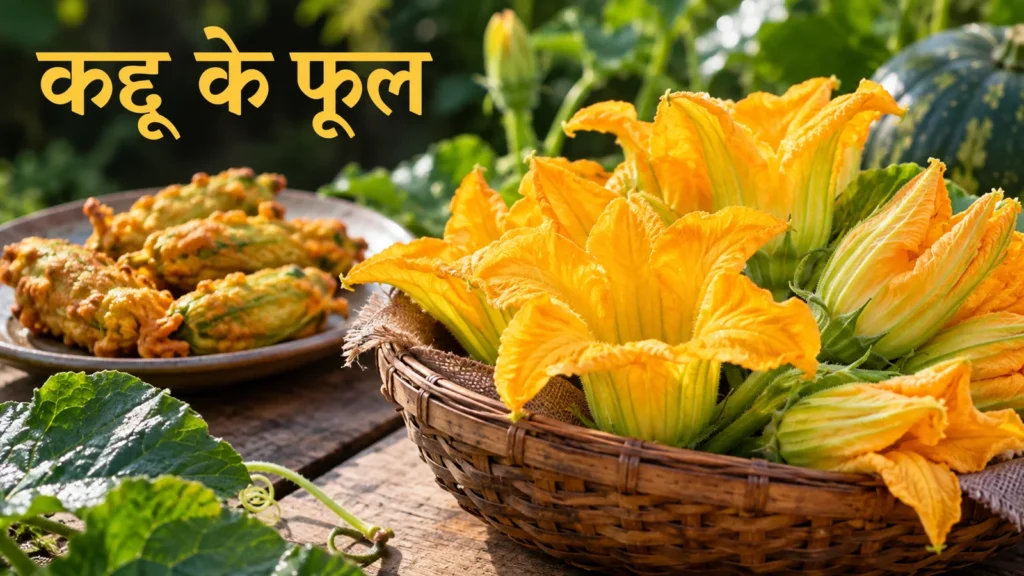
For other locally used edible ingredients, read our guides to sweet potato leaf identity and safe preparation and pumpkin flower nutrition and preparation.
Sources and limits of the evidence
PMFME / ICFRE: mahua-based food products • World Agroforestry: mahua species and plant-part uses • 2026 original study: variation in flower composition.
India Code: Madhya Pradesh Extension of Laws Act, 1958 • FDA: produce handling. Laboratory findings have not been treated as evidence of a human cure.
Disclaimer: This is general educational and nutrition information, not individual medical or legal advice. Consult a qualified clinician before changing treatment. Do not identify an unfamiliar edible plant part from this article or AI illustrations.