Pumpkin Flower Benefits: Identify the Food First
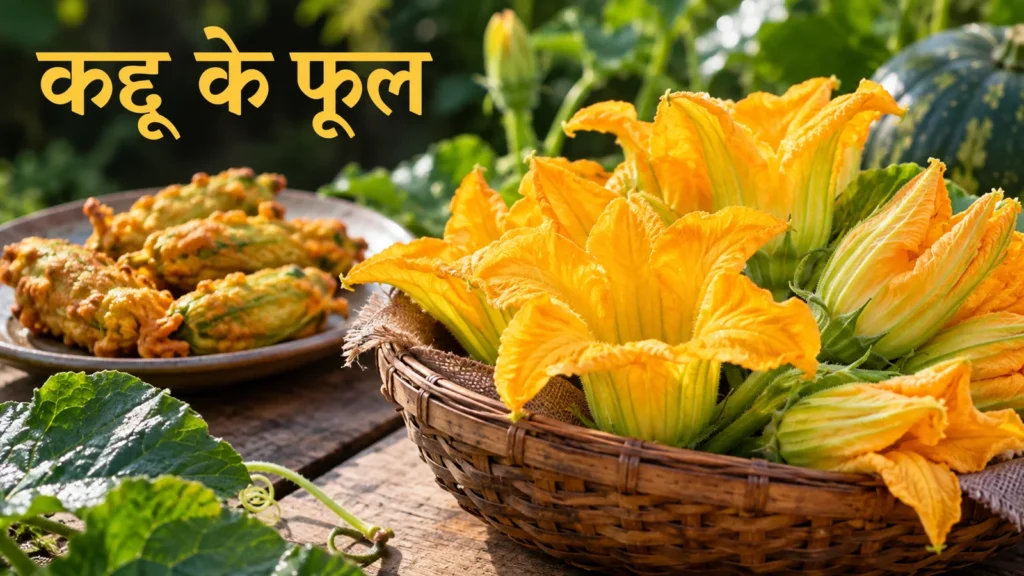
Pumpkin flower benefits are best understood as part of an ordinary varied diet. Blossoms from identified edible pumpkin crops have traditional culinary uses in vegetables and fritters. They contain nutrients, but a nutritious food is not automatically a treatment for disease. Correct identification, a food-safe source and preparation are the practical priorities.
Pumpkin flowers, flesh and seeds are different plant parts. A nutrition chart for seeds should not be used for blossoms. Reviewed: 10 October 2026.
Can you eat pumpkin flowers?
Flowers from edible Cucurbita crops are used as food. University edible-flower guides include pumpkin and squash blossoms. This does not make every yellow flower or unfamiliar vine edible. Confirm the crop rather than relying on colour, a local name or a generated photograph.
Food flowers differ from florist products. Do not eat blossoms from an unknown ornamental source. Chemical treatments and growing conditions may be unsuitable for consumption, and rinsing does not certify an unknown treatment as safe.
Pumpkin flower benefits and nutrition limits
An Indian study of Cucurbita maxima flowers examined composition and plant compounds. Research on other varieties also finds differences between samples. These findings support studying blossoms as foods, rather than assigning a single nutrition profile to every pumpkin flower.
| Factor | What it means |
| Fresh versus dried | Water content makes direct comparisons misleading |
| Vitamins and minerals | Amounts vary by species, variety and sample |
| Fibre | Flowers can contribute as a small part of vegetable intake |
| Protein | They do not automatically replace pulses or other protein foods |
| Fritters | Flour, oil and salt change the complete dish |
FACT: Antioxidant activity measured in a laboratory extract does not establish a health outcome in people who eat a cooked serving. This guide does not claim that pumpkin flowers cure infertility, diabetes, poor vision or infections.
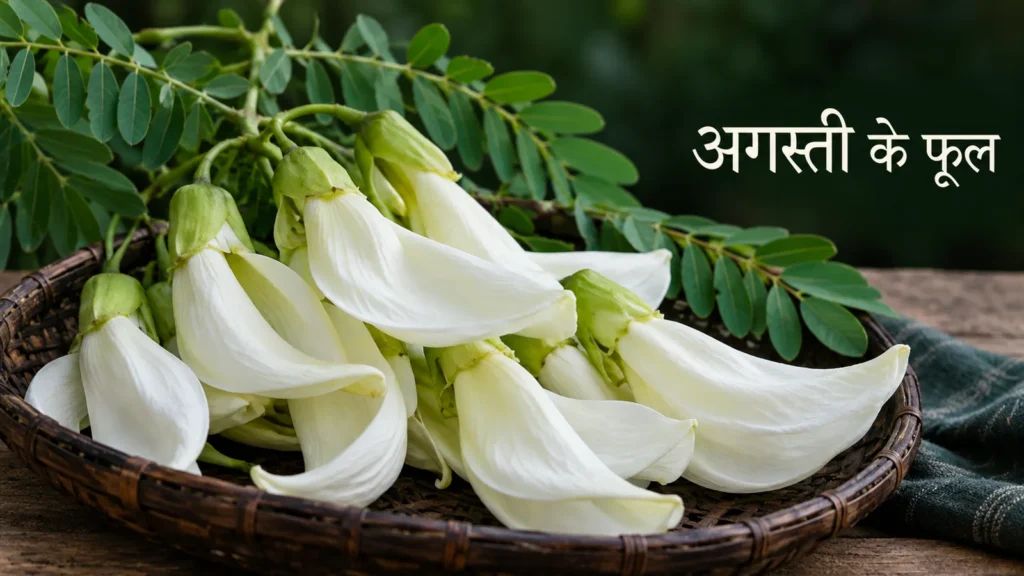
Hearing that a food contains vitamins does not establish that a few flowers will correct a deficiency. Portion size, individual needs and cooking matter. Enjoying a local vegetable does not require exaggerated medicinal promises. Compare with our guide to agathi flower benefits and precautions.
Male and female flowers: harvesting without taking every fruit
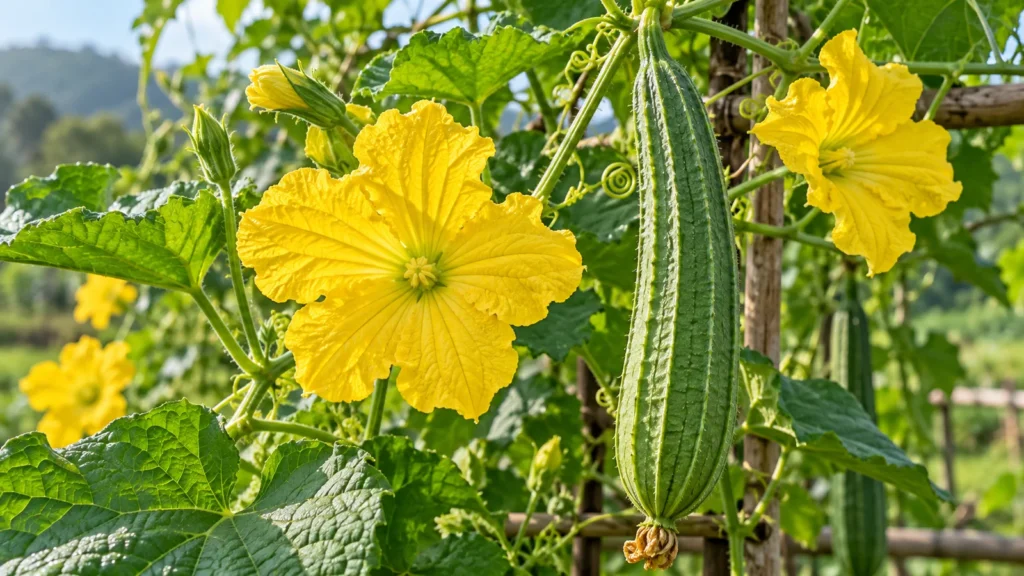
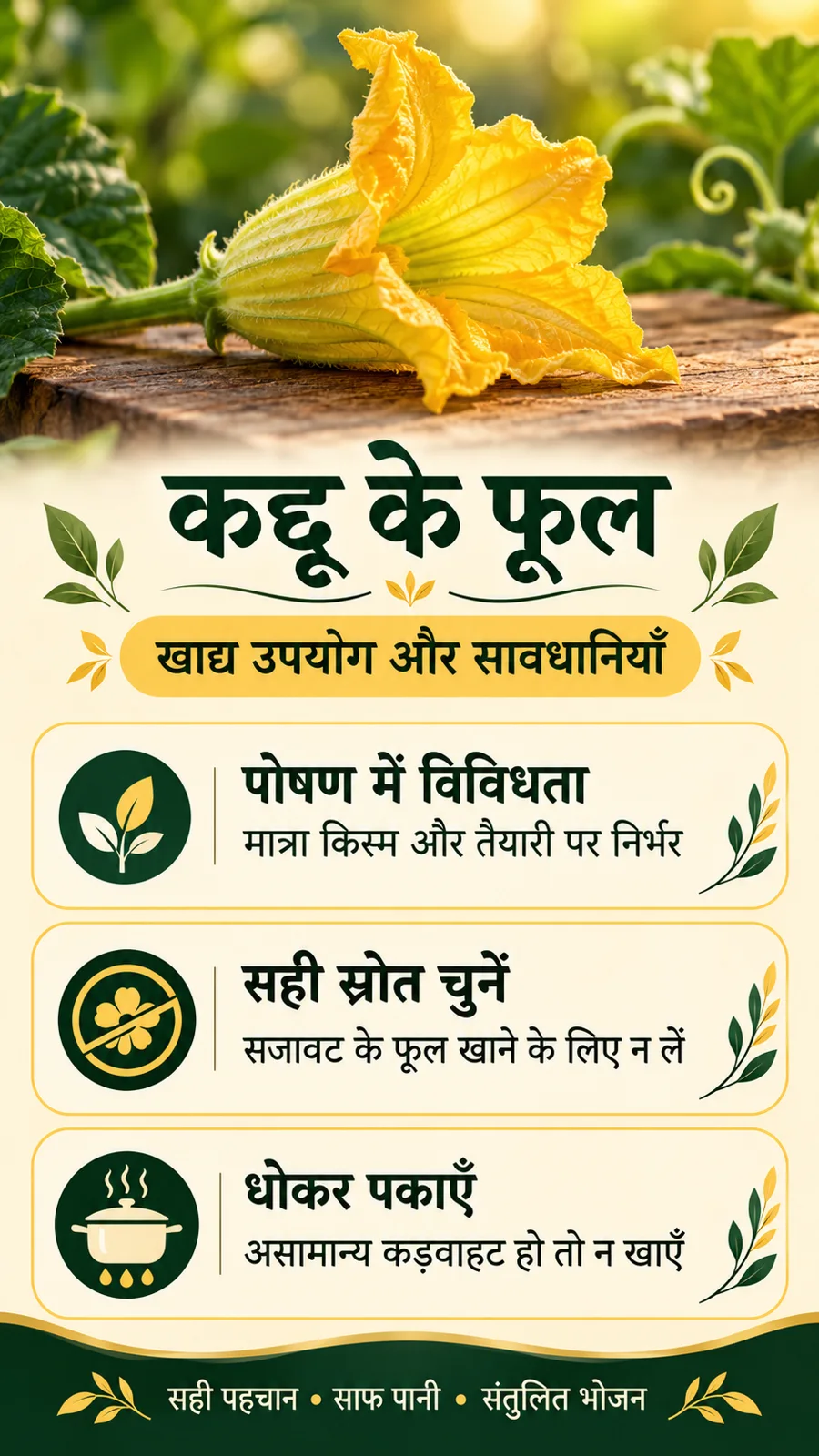
Cucurbita plants have separate male and female flowers. Male flowers usually grow on slender stems, while female flowers have a small developing ovary below the blossom. These features help when the crop is already known, but they should not be the sole test for an unfamiliar plant.
Pollination is important for fruit production. If you want fruit as well as flowers, harvest only what you need and leave female flowers and some male flowers for pollination. Local crop advice is more useful than treating one photograph as a universal botanical guide.
Cleaning and cooking pumpkin blossoms
Choose fresh flowers without rot or mould. Check gently for insects and debris. Remove tough parts as appropriate for the known culinary preparation. Handle the petals gently, rinse with clean running water and use clean equipment.
FDA’s general produce guidance advises against soap or detergent on food. Washing can reduce contamination without sterilising produce. Keep flowers separate from raw meat and equipment used for it. This is general kitchen hygiene, not a method for making an unknown plant edible.
A cooked vegetable dish is a practical option. Fritters add oil and salt; cook the batter throughout rather than browning only the surface. Use delicate flowers promptly, keep them refrigerated when necessary and discard spoiled or mouldy material. There is no universal cooking time in this guide for every dish and portion.
Side effects and precautions
New edible flowers may cause stomach upset or an allergic reaction in some people. If you have previously reacted, do not repeat a home trial. Stop eating if symptoms occur. Breathing difficulty or serious swelling needs urgent medical care. Cooking is not a guarantee against allergy.
Do not force yourself to eat unusually intensely bitter flowers or a suspicious dish. No flower-specific safe cucurbitacin threshold has been established here. Washing, spices or prolonged cooking do not turn an unidentified plant into safe food. Leave it out when the source or identity is uncertain.
During pregnancy, with kidney disease or on a prescribed diet, seek individual advice about unfamiliar food flowers and medicinal products. A normal cooked serving differs from large daily amounts of juice or powder. This guide assigns no universal daily dose.
Advice
Treat identified edible pumpkin blossoms as a seasonal vegetable. Keep pulses or other protein foods, grains and varied vegetables in the diet. Assess a food’s preparation and limitations along with its potential benefits. Our fish roe food-safety guide uses the same approach to distinguishing food composition from medical claims.
Frequently asked questions
Can pumpkin flowers be cooked as a vegetable?
Yes, blossoms from a correctly identified edible crop have culinary uses. A safe source and preparation are essential.
Do blossoms have the same nutrition as pumpkin seeds?
No. They are different plant parts, so their nutrition figures should not be interchanged.
Do pumpkin flowers cure infertility?
A reliable human treatment study is not established in this guide. Seek clinical assessment for fertility problems.
Should I pick male or female flowers?
Both have culinary uses, but leave female flowers and some male flowers if you want fruit and pollination. Harvest only what you need.
Can blossoms be eaten raw?
Some food traditions use them raw. Identification and hygiene remain essential; choose a cooked preparation at home and take extra care with raw produce if immunity is weakened.
Sources and limitations
Indian pumpkin flower composition study; Pumpkin variety composition research; University of Minnesota: flowers and pollination; Colorado State University: edible flowers; FDA produce safety. Composition research is not presented as proof of disease treatment.
Health information: General educational information only, not a substitute for medical advice, diagnosis or treatment. Ask a qualified clinician or dietitian for individual advice about illness, allergy or a prescribed diet.