Sweet potato leaves benefits: can they be eaten as greens?
Sweet potato leaves benefits start with correct identification. Leaves and tender shoots of the food crop Ipomoea batatas are eaten as vegetables in many communities. Sweet potatoes and ordinary potatoes are different plants. Do not eat ordinary potato leaves as a substitute for sweet potato greens.
Leaf nutrition must also be kept separate from the nutrition of the storage root. This guide explains edible use, preparation, oxalate, cooking effects and the limits of claims about diabetes. It is about a familiar food crop, not identifying wild vines from photographs.
Sweet potato leaves versus ordinary potato leaves
| Plant | Scientific name | Advice about leaves |
| Sweet potato | Ipomoea batatas | Leaves of a known food crop can be prepared as greens |
| Ordinary potato | Solanum tuberosum | Do not use leaves as food; green parts contain toxic compounds |
| Unidentified wild or ornamental vine | Identity uncertain | Do not eat because a leaf looks similar |
Singapore’s National Parks Board warns that the green parts of ordinary potato contain toxic solanines. The edible use of sweet potato foliage does not apply to potato foliage. This distinction is a safety reminder, not a visual identification test.
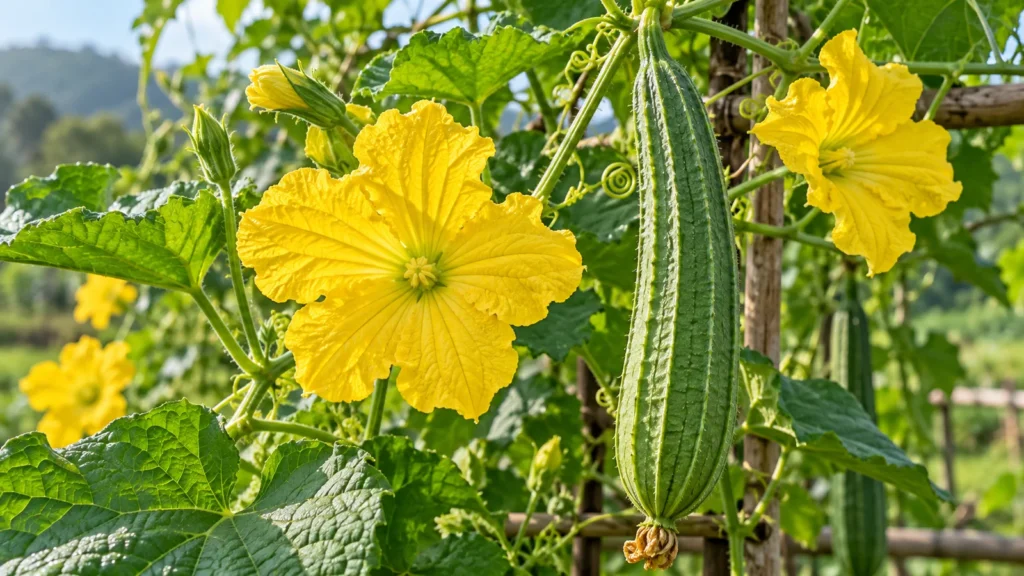
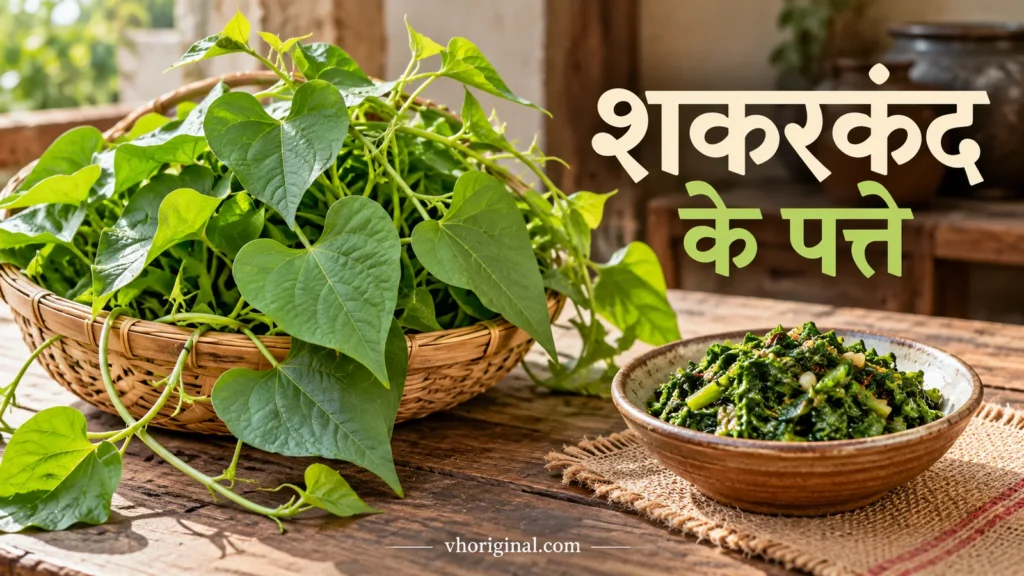
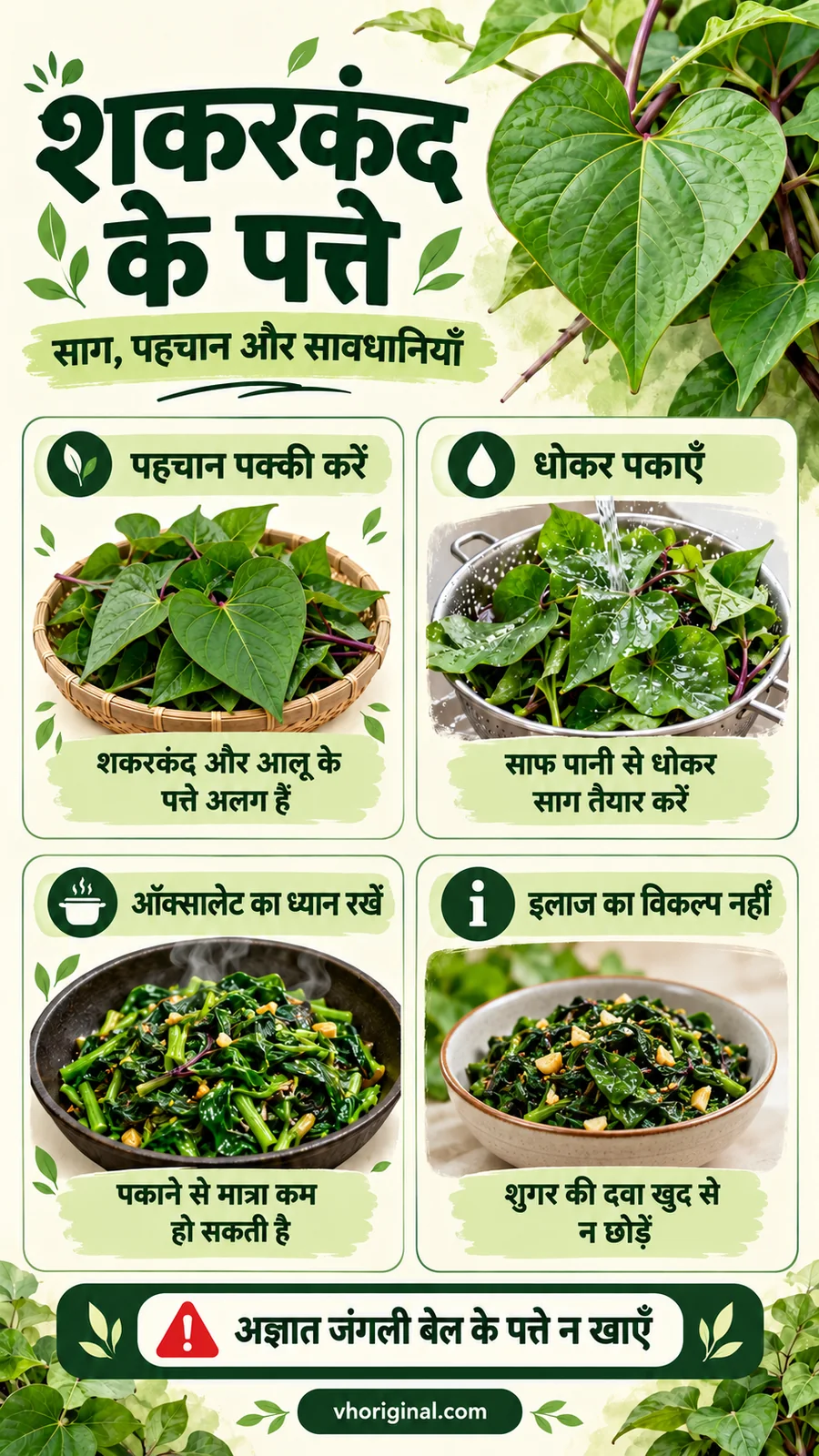
Sweet potato leaf shape varies by variety; not every leaf has an identical heart shape. Obtain leaves from a known food crop or reliable food supplier. Avoid unidentified wild vines and ornamental plants with an unknown chemical-treatment history. Illustrations in this guide cannot confirm a plant’s identity.
Nutrition in sweet potato leaves
The leaves can add a green vegetable to a varied diet. Fibre and several micronutrients contribute to their nutritional value, but one variety’s raw-leaf data should not be presented as universal for every crop or cooked dish.
A 2011 original food study measured iron, calcium, vitamin A and ascorbic acid alongside oxalates and polyphenols in sweet potato leaves. Variety and preparation were relevant to the results. A nutrition chart for the root cannot simply be relabelled as a chart for leaves.
Raw leaves, boiled leaves and greens cooked in oil are different preparations. The nutrients in a serving depend on leaf quantity, water, added ingredients and cooking. This article therefore avoids an unsupported universal per-100-gram chart.
What sweet potato leaves benefits mean in practice
Dietary variety: Known edible leaves provide another option for a vegetable dish. They can accompany dal, roti or rice. Do not treat them as a complete meal or the sole source of every nutrient.
Using another food-crop part: In communities familiar with the edible foliage, tender leaves and shoots can be useful kitchen ingredients. This does not establish a guaranteed increase in farm yield or a commercial return.
A balanced recipe: Use an appropriate amount of oil and salt. Being a leafy vegetable does not automatically make a heavily fried or excessively salty preparation suitable for unrestricted eating.
Do sweet potato leaves cure diabetes?
Food use and treatment are different questions. A plant extract, animal experiment or laboratory antioxidant result does not establish that a household serving of cooked greens treats diabetes. The nutrition and processing studies checked for this guide do not establish a therapeutic dose.
If you have diabetes, a leafy dish may fit into your overall meal plan. The accompanying rice or roti, oil, medicines and glucose readings still matter. Do not start concentrated leaf juice, powder or a decoction and stop medication. This article does not prescribe a glucose-lowering quantity.
Side effects, oxalate and individual restrictions
Sweet potato leaves can contain oxalate. Amounts vary with the crop and preparation. The presence of oxalate does not mean the vegetable is automatically forbidden for every healthy person; cooking also does not guarantee that all oxalate has disappeared.
A 2021 original food study found that processing methods reduced measured antinutrients, with different effects between methods. It also found changes and losses in vitamin C and other constituents. This is not a guarantee that one household method or number of minutes creates zero risk.
If you repeatedly develop calcium-oxalate stones, or have been told to limit dietary oxalate, ask a dietitian about the greens and portion suitable for your plan. NIDDK guidance tailors dietary changes to stone type. Do not independently eliminate all vegetables or dietary calcium.
A large amount of an unfamiliar food may cause digestive discomfort. A clean source, proper cooking and a normal food portion are more useful than a medicinal dose. Seek medical attention for persistent vomiting, severe pain or other concerning symptoms.
Preparing sweet potato leaf greens safely
Choose the crop: Use clean, tender leaves and shoots from a known edible sweet potato crop. Remove spoiled or slimy material. The food crop should have been grown and harvested in accordance with any applicable pesticide label and harvest interval.
Wash: Use clean hands and utensils. Rinse leaves under clean running water and remove visible soil and debris. Do not use soap, detergent or bleach. Washing is not a guarantee of complete germ removal.
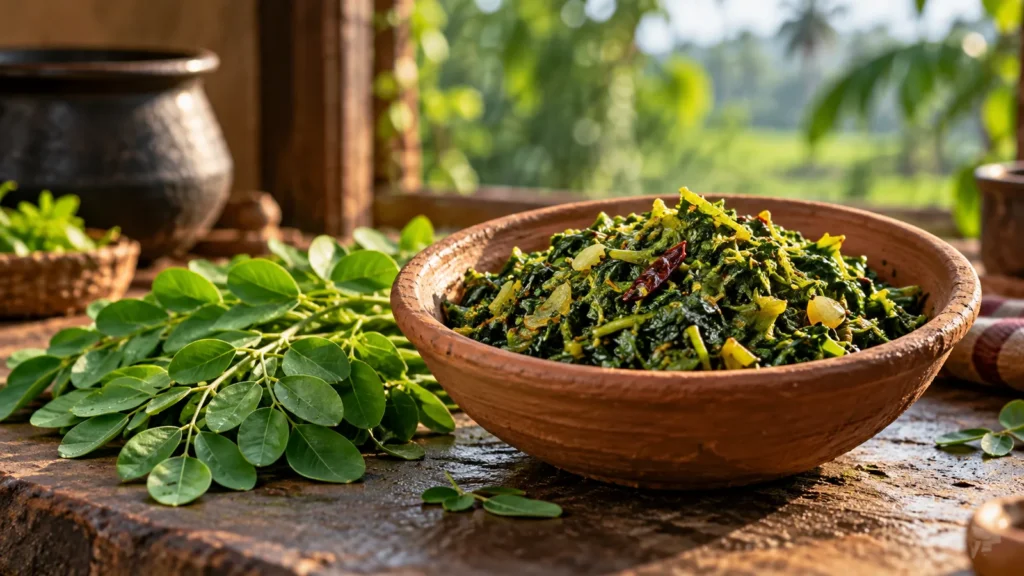
Cook: Cut the washed leaves and cook them thoroughly in a familiar greens recipe. Blanching or water-based cooking can change some soluble constituents, but results depend on the method. A fixed cooking time cannot be promised to eliminate all oxalate.
Keep the dish practical: Use familiar seasonings and moderate added oil and salt. Eat promptly and refrigerate leftovers appropriately. Reheating an old dish repeatedly is not a way to keep it safe for an indefinite period.
Should the leaves be eaten raw or made into juice?
The practical approach in this guide is to wash correctly identified edible leaves and use them as cooked greens. A raw-leaf nutrition chart is not a reason to start a medicinal juice or concentrated powder. Raw juice can retain hygiene risks and does not establish a treatment benefit.
Cooking an unidentified plant is not a substitute for correct identification. Do not pick a wild vine based only on a social-media video, an online photograph or an AI illustration. Confirmation of a known food crop comes first.
Frequently asked questions
1. Are sweet potato leaves edible?
Leaves and tender shoots of the food crop Ipomoea batatas are used as vegetables. Choose a known crop and clean source, wash them and prepare as cooked greens.
2. Can ordinary potato leaves be eaten too?
No. Ordinary potato, Solanum tuberosum, is a different plant. Its green parts contain toxic compounds. Do not use its leaves in place of sweet potato greens.
3. Do sweet potato greens lower blood sugar as a treatment?
The sources checked here do not establish the dish as a diabetes treatment or replacement for medicines. Fit foods into your individual plan and change treatment only with clinical advice.
4. Does boiling remove every bit of oxalate?
No. Processing can reduce some constituents, but the effect depends on the crop and method. Complete elimination cannot be guaranteed.
5. Can someone with kidney stones eat the leaves?
The answer depends on stone type, portion and the person’s dietary plan. Ask a dietitian particularly for recurrent calcium-oxalate stones or a prescribed oxalate limit. A universal yes or no is inappropriate.
Advice
Start with leaves from a known edible crop, clean running water and a thoroughly cooked dish. Keep leaf and root data separate. Treat the leaves as a vegetable rather than a medicine or a way to identify unknown plants.
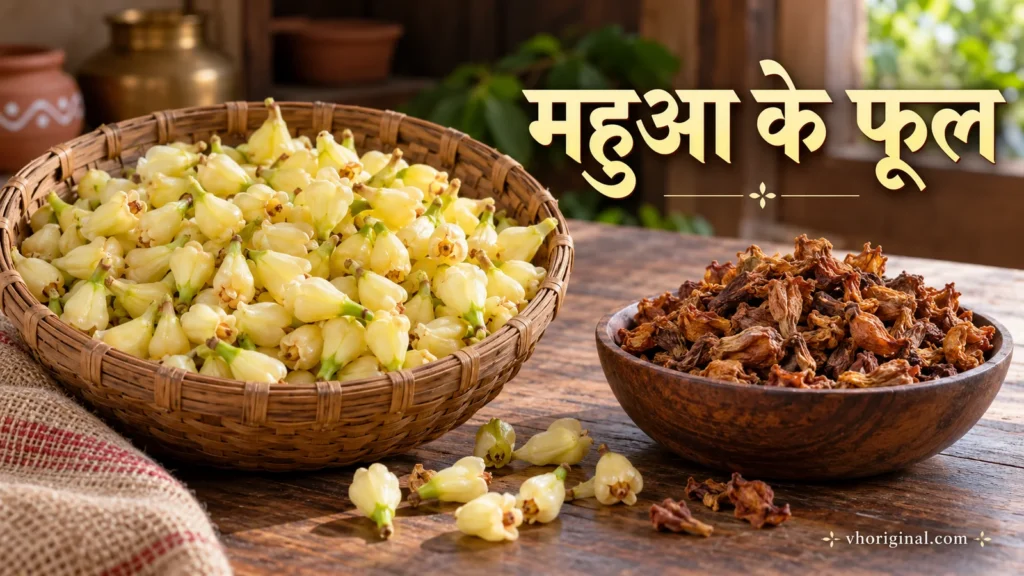
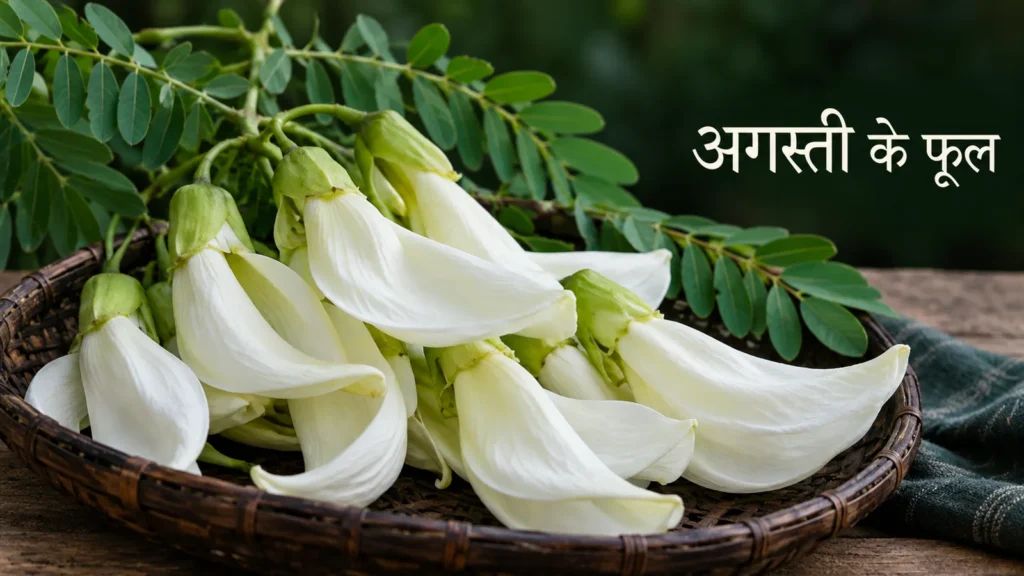
For other local food ingredients, read mahua flowers, fruit and seeds explained and agathi flower identification and precautions.
Sources and evidence limits
UC Davis: edible sweet potato foliage • NParks: precautions about potato green parts • 2011 original study: leaf nutrients and antinutrients.
2021 original study: processing effects • NIDDK: diet according to kidney-stone type • FDA: safe produce handling. Food-composition findings are not proof of treatment.
Disclaimer: This is general educational and nutrition information, not individual medical advice. For disease, recurrent kidney stones or a prescribed dietary restriction, consult a qualified clinician or dietitian. AI illustrations are not proof of plant identity.