Agathi Flower Benefits: Food Use and Medicinal Claims
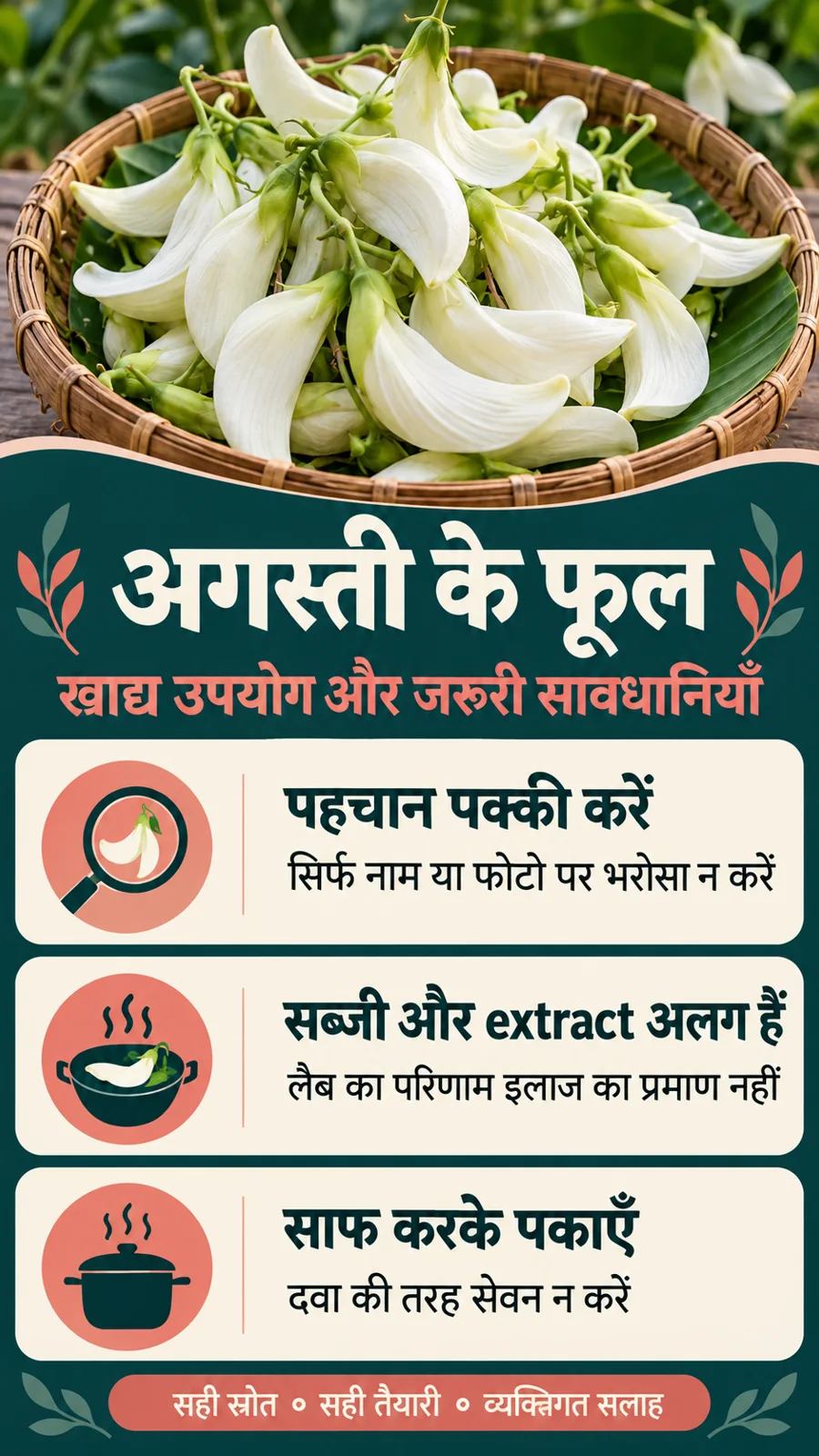
Agathi flower benefits should begin with correct identification. Sesbania grandiflora flowers are traditionally eaten, but food use does not establish them as a medicine for night blindness, intestinal worms or liver disease. Use a known food source and distinguish a cooked vegetable from concentrated herbal products.
Regional names include agasti, agast and bak or bok flower; names alone can be ambiguous. Reviewed: 10 October 2026.
Which plant is agathi?
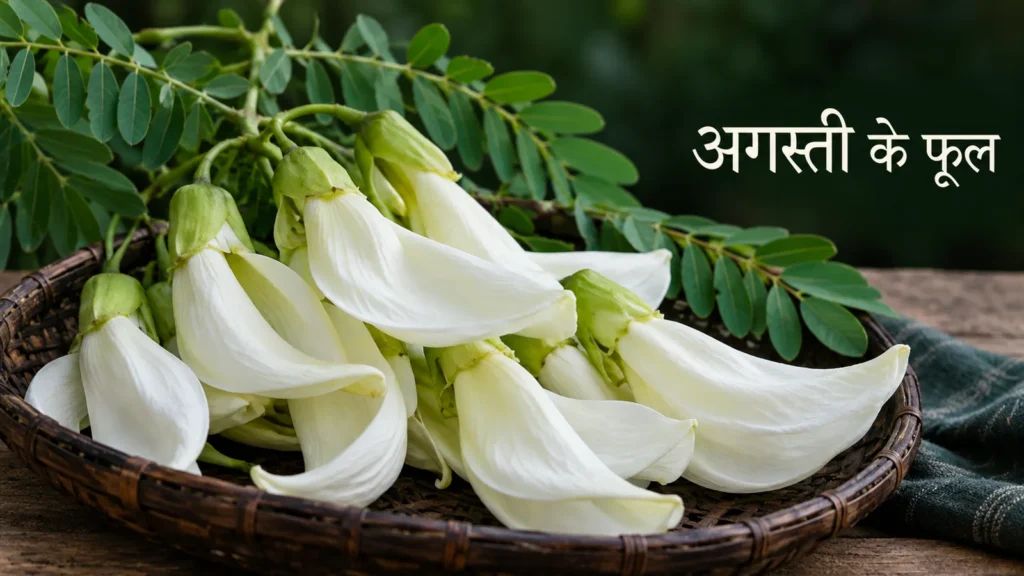
IISc’s Flora of Peninsular India records Sesbania grandiflora as a tree and lists regional names including Agasti, Bak, Basna and Hatiya. The World Agroforestry profile records culinary use of its flowers. Large drooping blossoms and compound leaves with many small leaflets are general features, but they do not prove that an unfamiliar plant is edible.
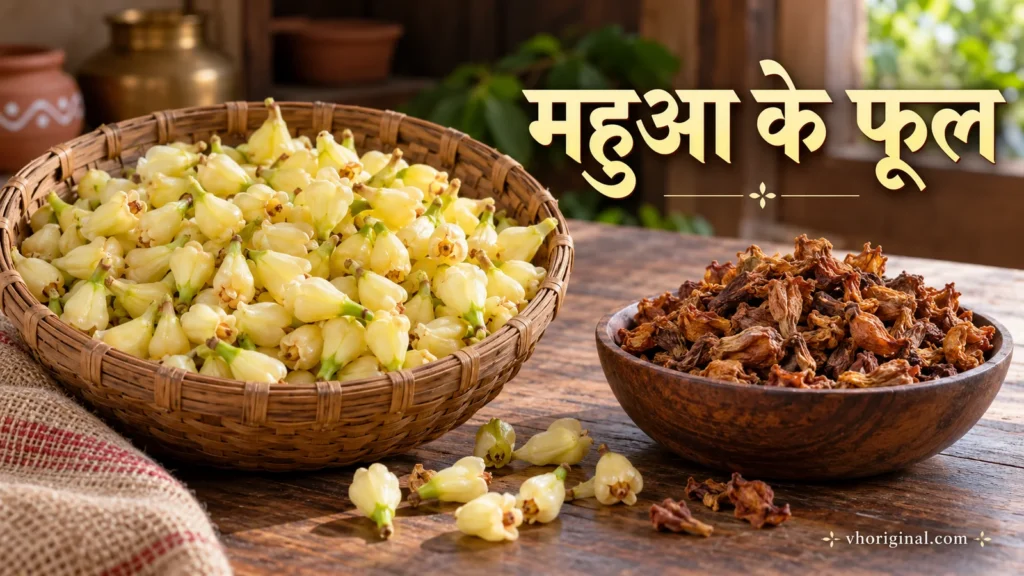
The name “agast” does not mean the plant flowers only in August. Flowering depends on location and conditions. The illustrations here are symbolic. Get the actual plant confirmed by a local botanical or agricultural expert rather than using an AI image as an identification key.
Verified reference nutrition for Sesbania flowers
The Philippine government’s DOST–FNRI PhilFCT lists the following figures for “Sesbania flower”, Food ID D199, per 100 g edible portion. These are database reference values, not a guaranteed profile for every Indian sample or an oil-based dish. Leaves and flowers must not be treated as the same food.
| Nutrient | Per 100 g edible portion |
| Energy | 31 kcal |
| Protein | 1 g |
| Total fat | 0.3 g |
| Total carbohydrate | 6.1 g |
| Total dietary fibre | 2.1 g |
| Calcium | 13 mg |
| Iron | 0.4 mg |
These figures do not justify describing flowers as a major substitute for pulses or milk. They can add variety to a meal. Plain cooked flowers, fritters and dishes with added oil or flour have different complete-meal profiles. Portions and preparation matter.
What does research on medicinal properties show?
A 2022 study tested aqueous ethanol extracts from leaves and flowers for antioxidant and anti-fibrotic effects in activated rat hepatic stellate cells. It did not test whether eating agathi flower vegetables treats liver disease in humans. Laboratory findings can motivate further research without establishing a home treatment.
FACT: Cooked flowers, juice, powder and concentrated extracts are not interchangeable. An extract’s solvent, concentration and cell experiment cannot be converted into a household therapeutic serving. No disease-specific treatment dose is established here.
Traditional claims about night blindness, worms, fever or diabetes should not become promises of a cure. Difficulty seeing at night or persistent digestive symptoms deserve assessment. Do not put homemade flower juice into the eyes; it is not a sterile eye medicine. Do not delay prescribed treatment because a plant is traditionally described as medicinal.
Cleaning and cooking agathi flowers
Use fresh edible flowers from a confirmed plant. Avoid rotten, mouldy or damaged material. World Agroforestry describes a culinary practice of removing the stamens and calyx before cooking white flowers. Appropriate removal of inner parts and the green base is food preparation, not proof that any unknown flower has been detoxified.
Open gently, check for debris and rinse with clean running water. Keep equipment clean and separate from raw meat or fish. FDA’s general produce advice does not recommend putting soap, detergent or bleach on food. Thorough cooking reduces some microbial food risks, but does not establish that an unidentified species is edible.
Cooked vegetables, preparations with pulses or properly cooked fritters are food options. Keep oil and salt reasonable. Use delicate fresh flowers promptly and refrigerate when needed. Do not rescue spoiled or poorly stored flowers simply by washing. This guide does not assign a fixed boiling time to every recipe or portion.
Side effects, pregnancy and concentrated products
A new food may cause stomach upset or an allergic reaction. If you have already reacted, do not test it again at home. Stop eating if symptoms occur; serious swelling or breathing difficulty requires emergency help. Cooking is not a guarantee against food allergy.
This guide lacks sufficient reliable human evidence about medicinal extracts, juices or large daily flower amounts during pregnancy and breastfeeding. Seek individual advice. It also does not claim that flower consumption definitely causes uterine contractions without flower-specific evidence. Missing safety data and proven harm are different conclusions.
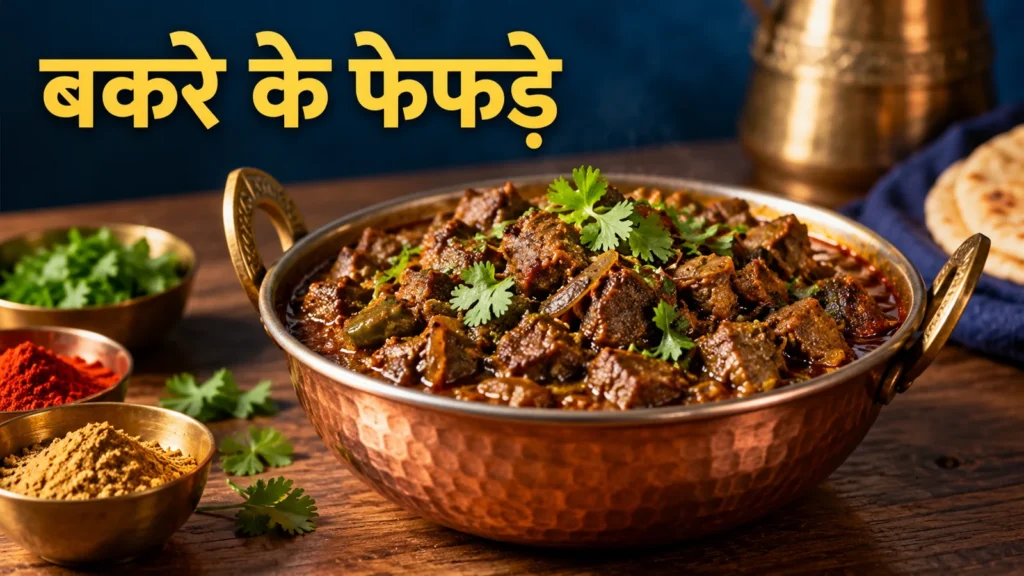
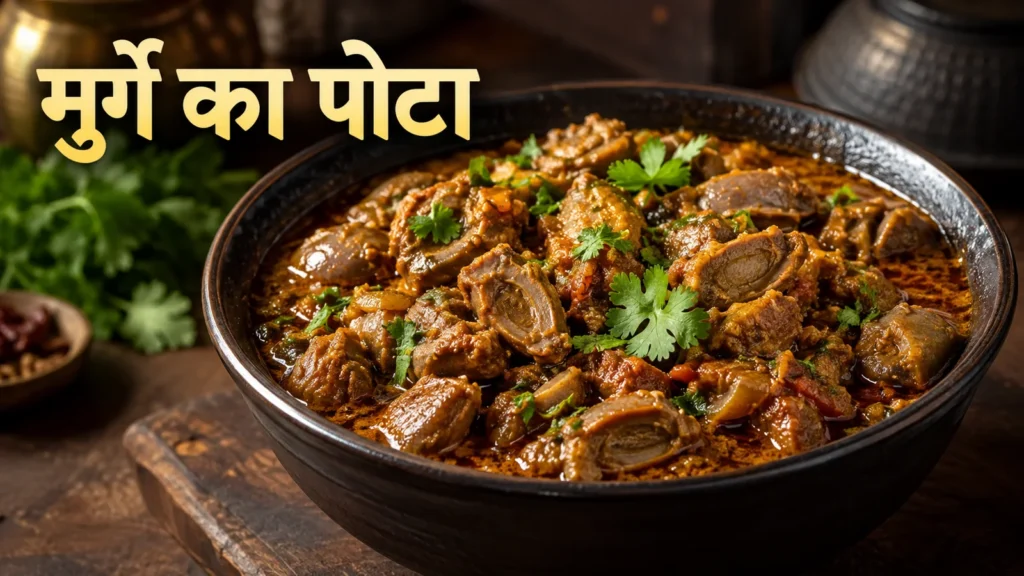
If you have kidney or liver disease, take regular medicines or follow a prescribed diet, avoid self-prescribing concentrated herbal products. Natural does not mean safe in every dose. Leaf, bark or root research should not automatically be applied to flower vegetables. Our tripe and intestine difference guide similarly distinguishes different edible parts.
Advice
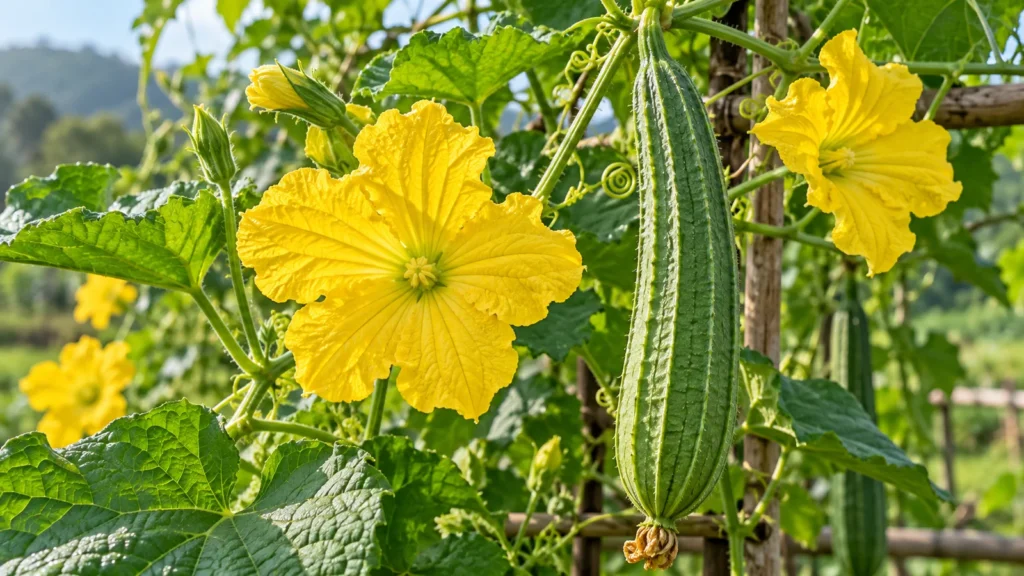
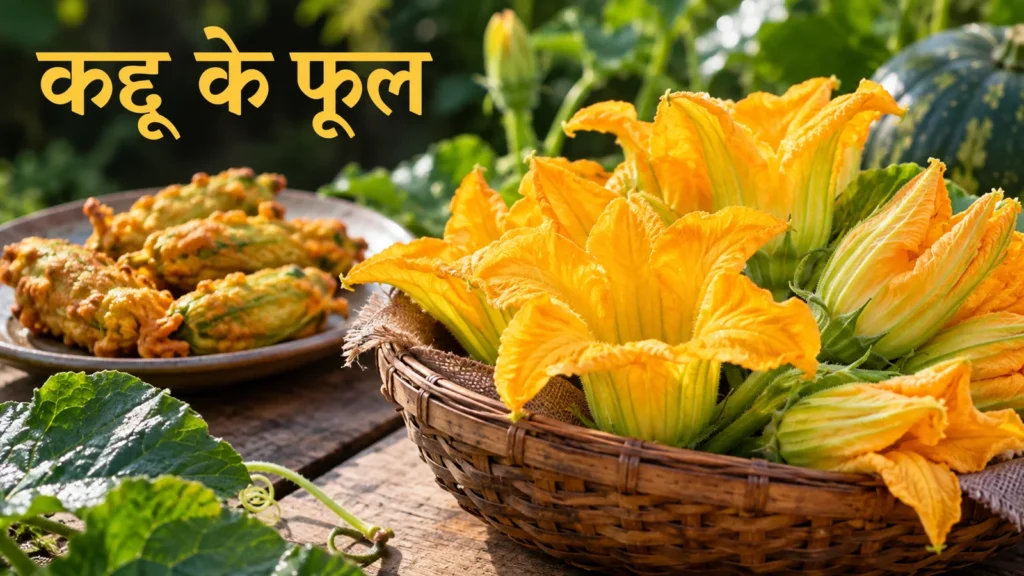
Choose a confirmed food source and treat agathi flowers as a seasonal food, rather than a daily remedy. A balanced meal remains useful without strong medicinal claims. Read pumpkin flower benefits and precautions for another edible-flower example. Assess the evidence behind a health promise before changing treatment.
Frequently asked questions
Are agasti and agast flowers the same?
Those regional names may refer to Sesbania grandiflora. Confirm the actual species rather than relying only on the name.
Do agathi flowers cure night blindness?
A proven treatment is not established here. Night-vision problems need clinical assessment.
Do agathi leaves and flowers have the same nutrition?
No. They are separate plant parts. Do not apply leaf nutrition values to flowers.
Can agathi flowers be eaten during pregnancy?
Ask for individual advice about the identified product and amount. Medicinal extracts and juices should not be treated like an ordinary cooked dish.
Must I eat agathi flowers every day?
No. There is no universal daily requirement or treatment dose in this guide. A varied diet is more useful.
Sources and evidence limits
IISc plant names and identification; World Agroforestry food use; DOST–FNRI: Sesbania flower D199; Leaf and flower extract cell study; FDA produce safety. Food composition, traditional use and therapeutic evidence are kept distinct.
Health information: General education only; not medical advice, diagnosis or treatment. Seek qualified individual advice during pregnancy or for illness, allergy, regular medication or a prescribed diet.