What is goat spleen?
Goat spleen benefits are often described as “building blood.” Spleen contains iron and protein and can contribute to a varied diet. However, eating it is not a substitute for finding the cause of low haemoglobin. This guide explains its nutrition, the limits of anaemia claims, gout precautions and safe cooking.
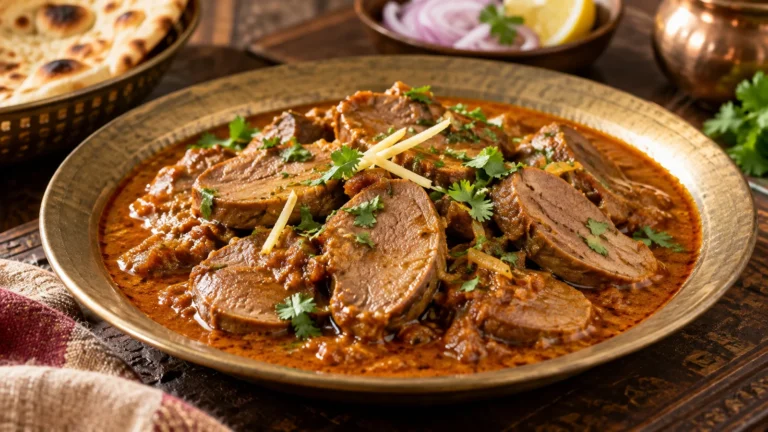
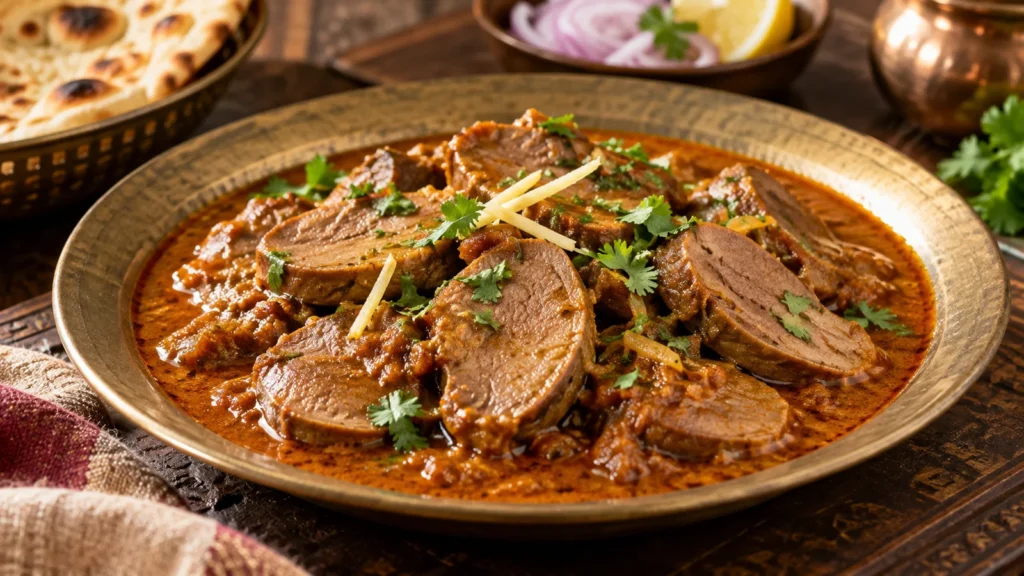
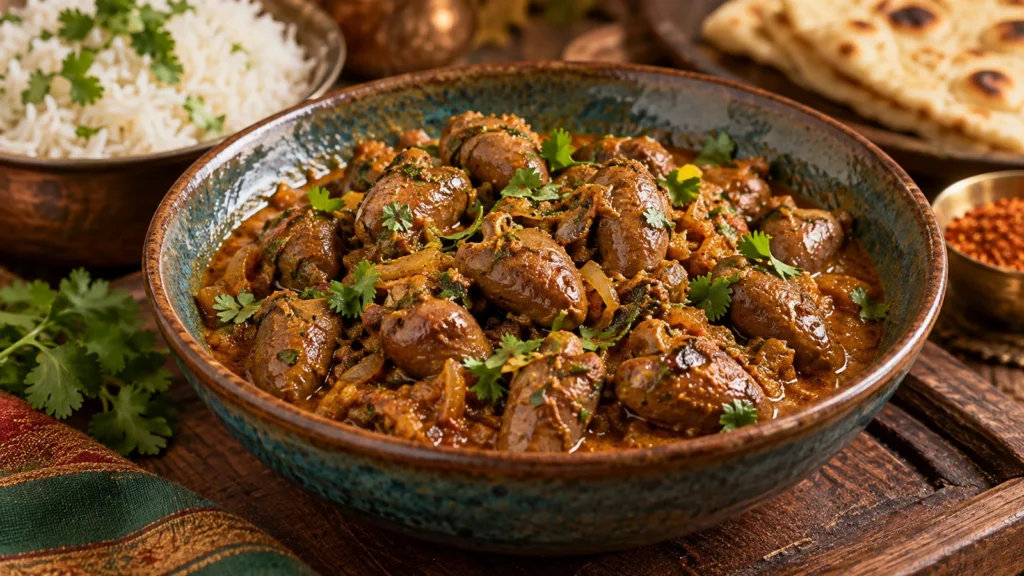
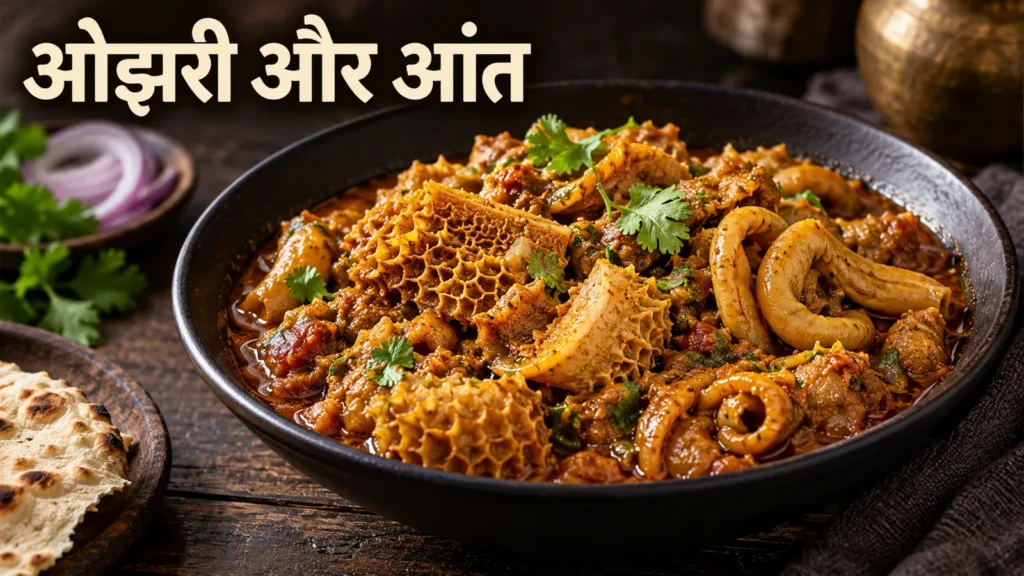
Spleen is a separate organ from liver and kidney. In Indian markets it may be called tilli. These organs can be sold together, but their nutritional values are not interchangeable. Ask the seller to identify the organ; a cooked curry or a photograph is not a dependable way to establish what was used.
Goat spleen benefits and nutritional values
ICMR–National Institute of Nutrition lists goat spleen as food code O010 in Indian Food Composition Tables 2017. The following are average values per 100 grams of the raw edible part, not per 100 grams of prepared curry.
| Nutrient | Per 100 g raw goat spleen |
| Protein | 18.45 g |
| Iron | 51.41 mg |
| Total fat | 2.37 g |
| Cholesterol | 243 mg |
Iron supports normal blood formation, while protein contributes to tissue maintenance. This makes spleen a nutrient-containing food rather than simply a source of flavour. Eating it is not essential: nutritional needs can be met through other appropriate foods.
These are sample averages, not a guarantee for every goat. Cooking changes water content, while added oil, salt and other organs change the finished dish. Not all food iron is absorbed. Do not equate the iron value in a serving directly with the dose of a prescribed iron tablet.
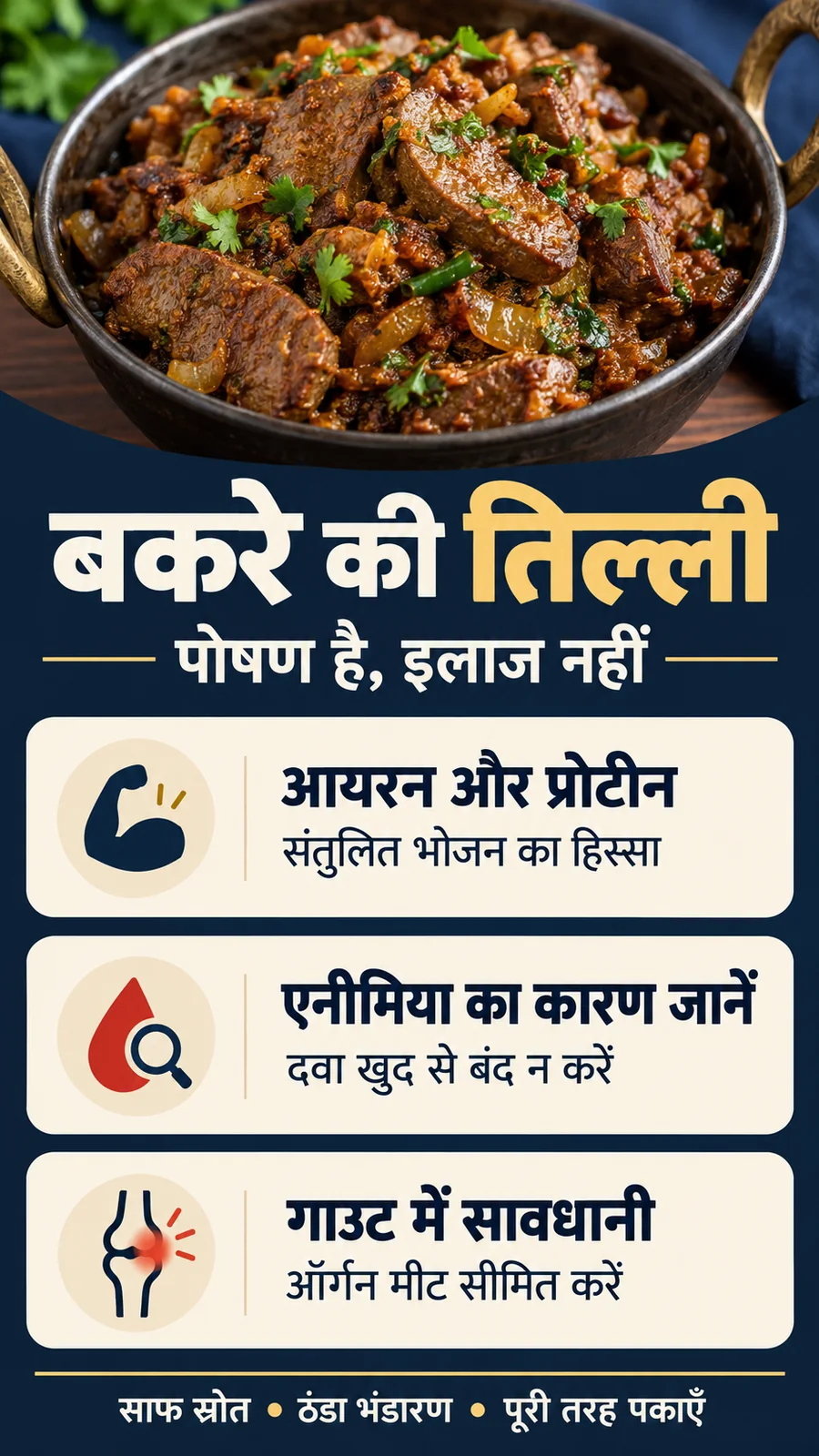
Does spleen raise haemoglobin quickly?
Iron-containing foods can help improve dietary iron intake. But claims that spleen raises haemoglobin within three days or works faster than tablets require clinical evidence. No such promise is made here.
Anaemia can result from iron deficiency, other nutritional deficiencies or blood loss, among other causes. NHS guidance emphasises investigating the cause and treating confirmed iron deficiency appropriately. Changing a meal alone will not reveal an underlying cause.
FACT: Iron in food is a nutritional fact. Correcting a person’s anaemia is a treatment outcome. Do not treat these as interchangeable or stop prescribed medicine after adding spleen to your diet.
Persistent weakness, unusual tiredness or breathlessness deserves assessment. If a blood test shows low haemoglobin, continue the agreed treatment plan. The time needed for improvement depends on the cause, severity and treatment; a food cannot guarantee a fixed recovery period.
Side effects and precautions
Gout: Spleen is offal. Gout dietary guidance advises avoiding high-purine organ meats. Managing gout involves more than removing one food: follow prescribed medication and individual dietary advice.
Cholesterol: Spleen contains cholesterol. A relatively low total-fat value does not mean that it contains no cholesterol. If you have a prescribed dietary plan, consider portions, the overall diet and the fat added during cooking.
Iron overload: If you have an iron-overload condition, do not increase spleen consumption on the assumption that more iron is always beneficial. Follow the advice of your treatment team rather than deciding from a single “healthy foods” list.
Foodborne illness: Poor storage, undercooking or raw juices contaminating ready-to-eat food can cause illness. Smell and strong spices do not prove safety. Pregnant people, young children, older adults and people with weakened immunity should avoid undercooked meat.
Buying and cooking spleen safely
Buy properly prepared food-grade organs from a trustworthy, hygienic seller operating under applicable local rules. Avoid unknown sources and suspect organs. Refrigerate raw meat promptly in a suitable closed container so juices cannot drip onto other foods. Follow relevant storage guidance.
Wash hands with soap and keep raw-meat utensils and boards separate from cooked food. Avoid spreading splashes around the preparation area. Lemon, salt and spices cannot replace adequate cooking. Do not try to rescue spoiled meat by repeatedly boiling it.
UK Food Standards Agency guidance says offal must be cooked thoroughly throughout. Its general temperature-and-time examples include 70°C for two minutes or 75°C for 30 seconds in the centre of the food. Use a clean food thermometer; these are internal temperatures, not the temperature of a pan or stove.
Cooking time varies with piece size and equipment. A fixed number of pressure-cooker whistles cannot guarantee safety. FSA guidance recommends cooling and refrigerating cooked leftovers within two hours, then eating them within 48 hours or freezing them.
Advice
If you enjoy spleen, treat it as food rather than a health shortcut. A modest-oil, modest-salt dish can fit alongside vegetables and other foods. Large daily servings are unnecessary. Suitable portions depend on your overall diet and health.
People who do not eat spleen still have options for dietary iron, such as pulses and iron-fortified foods. The treatment of an established deficiency is a separate clinical decision. Food preferences and necessary care can coexist; there is no reason to depend on one organ meat.
Frequently asked questions
Are goat spleen and liver the same?
No. Spleen is tilli, while liver is kaleji. Their anatomy and nutritional values differ.
Can eating spleen improve haemoglobin?
It can contribute dietary iron, but the effect depends on the cause of anaemia and the treatment plan. Improvement within a fixed number of days is not guaranteed.
Can spleen replace iron tablets?
No. Do not stop prescribed supplements or treatment. The iron content of food is not directly equivalent to a medicinal dose.
Can someone with gout eat goat spleen?
Offal is a concern in gout diet plans. Follow your clinician or dietitian’s advice on avoiding or limiting it.
Is daily spleen consumption necessary?
No. There is no universal daily serving that suits everyone. Consider your health and the rest of your diet.
Related reading and sources
Read the related guides on goat kidney benefits and precautions, goat lungs and the asthma myth and chicken gizzard and safe cooking.
ICMR–NIN: IFCT 2017, O010, Tables 1, 5 and 7; NHS: iron deficiency anaemia; NHS: gout and diet; FSA: cooking food and offal; NIDDK: iron overload and nutrition.
General educational information, not personal medical advice. Follow your clinician’s advice for illness or prescribed diets. Reviewed 9 October 2026. Food illustrations are AI-generated and should not be used to identify an organ.