A FedEx parcel call claims you are in trouble
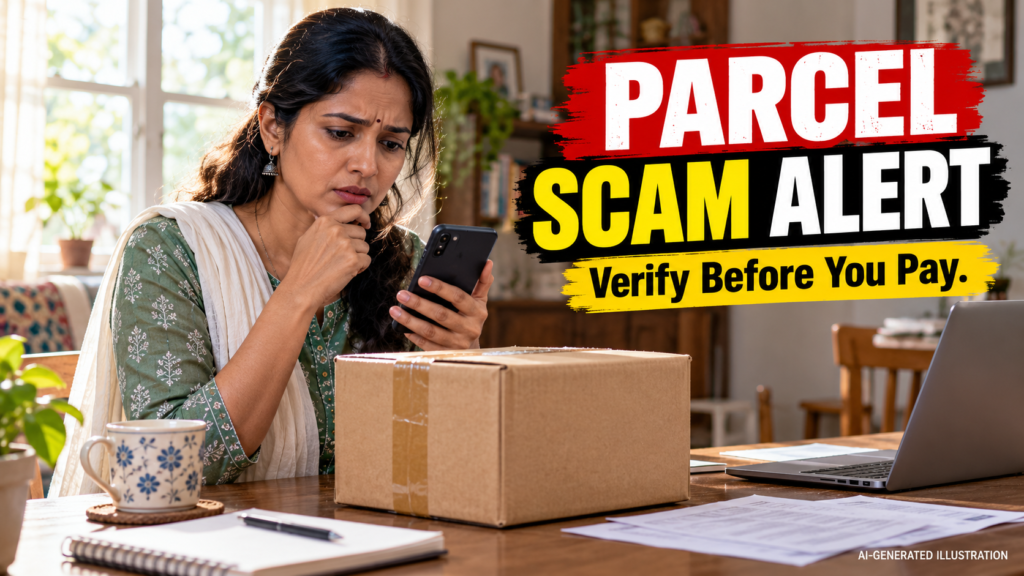
A caller says a parcel in your name contains illegal goods and has been stopped by Customs. The conversation then moves to a supposed police officer, a video call or an immediate payment demand. In a FedEx parcel scam, criminals may borrow a familiar company name to make their story sound credible. The call itself is not evidence of a real shipment or an offence.
Pause the conversation and check your own order records. Contact the expected sender separately. Do not try to prove innocence by listing bank balances, sharing complete identity documents or giving details about your family to an unknown caller. Ask someone you trust to help you assess the message.
Warning signs in fake parcel and customs messages
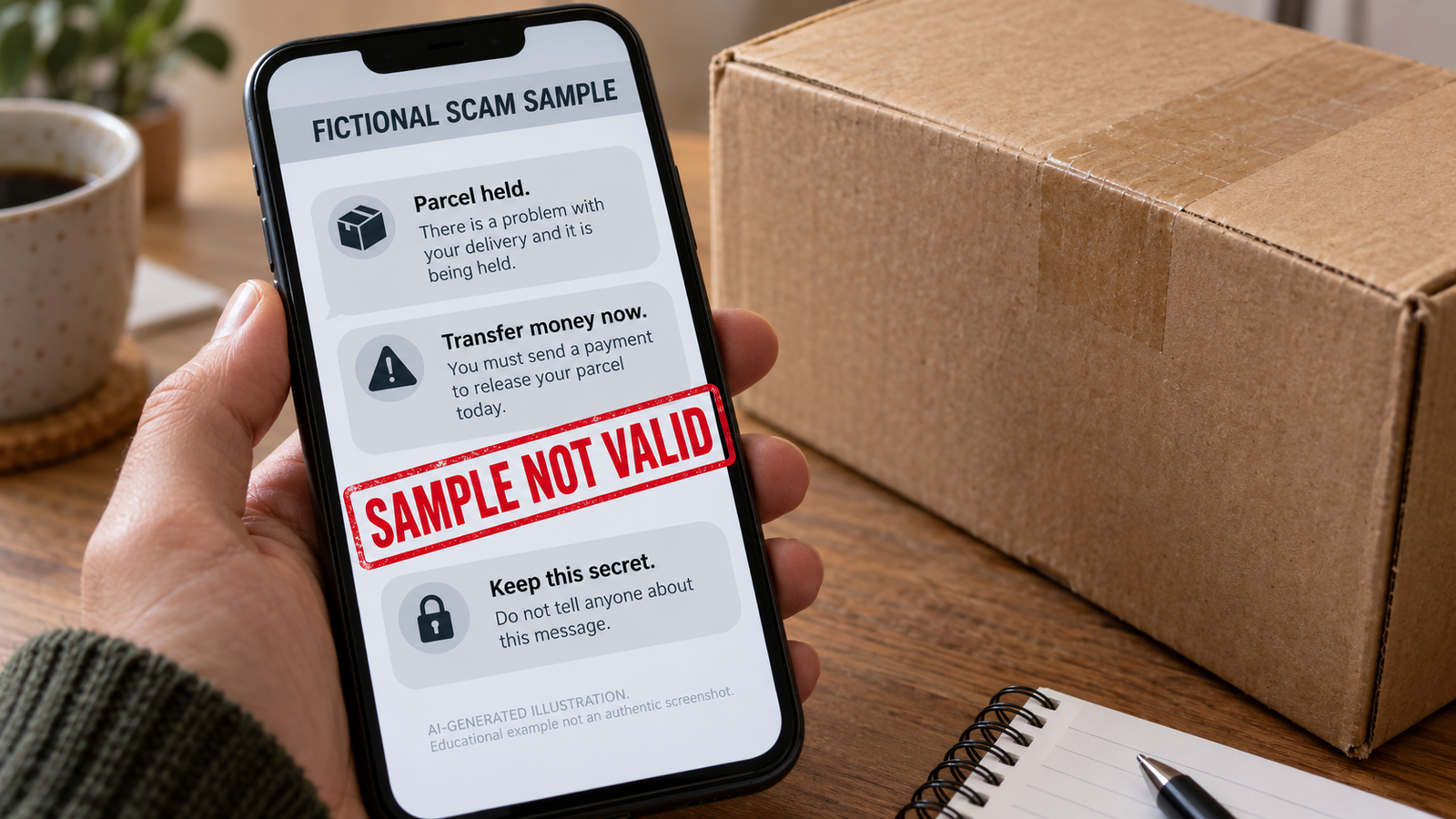
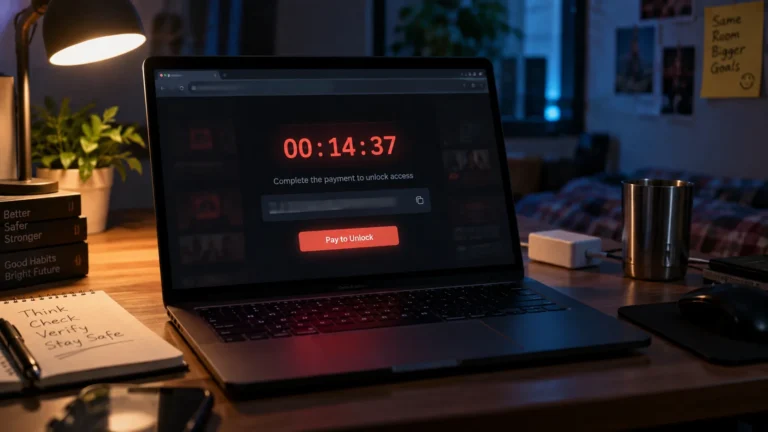
The image below is a fictional awareness example. It is not a FedEx app screenshot, an actual customer conversation or a Customs notice. It illustrates pressure to pay quickly and keep the conversation secret.
Be particularly cautious if courier support supposedly transfers you straight to police or CBI, if you are asked to move savings for account verification, or if the caller forbids you from speaking to family. A payment to make an arrest threat disappear is different from a documented shipment charge.
An official-looking PDF may display your name, a tracking-style number, a stamp or polished English. Those details do not independently identify the sender. Accurate information about you is a reason to protect your privacy, not a reason to follow every instruction.
Genuine customs charges versus a scam demand
A real international shipment may require duties, taxes and clearance documents. Therefore, a customs payment or KYC request is not automatically fraudulent. Check whether it relates to a genuine shipment, an authorised courier and a verifiable invoice through a channel you opened independently.
Do not confuse a shipment invoice with a demand to transfer money to a safe account or pay to avoid arrest. The payment method alone is not decisive: genuine services may support UPI. The recipient, purpose and independently verified payment route matter.
FACT: A valid-looking tracking number does not authenticate the entire payment request. Verify the requested amount and destination separately for the same shipment.
Check tracking, KYC and the payment route independently
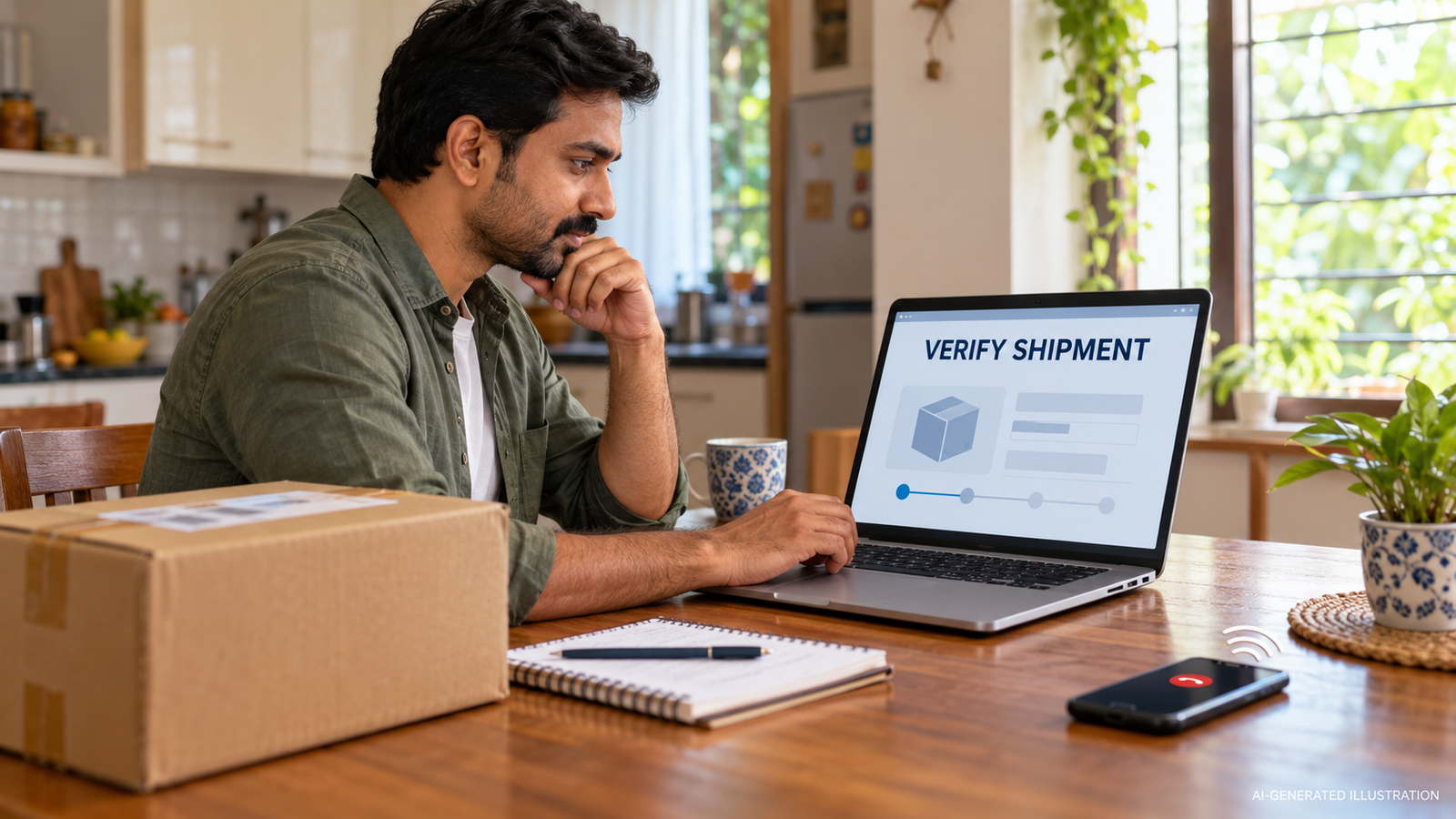
Open the official FedEx website yourself and check the AWB or tracking number obtained from a trusted sender or your order confirmation. If details do not match, ask verified support. A missing tracking result is a reason to investigate, not a complete finding about fraud or criminal responsibility.
KYC may be part of legitimate import clearance. First establish the shipment, the request and the official submission route. Do not send documents through an unfamiliar chat, install an APK or upload identity records to a site simply because a caller insists.
Ask for the amount breakdown, shipment reference, invoice and receipt process before payment. If a letter claims to be an Indian Customs communication, consult official CBIC guidance on DIN verification. A printed DIN does not, by itself, verify every assertion or payment destination.
Do not rely only on a phone number or link copied from the suspicious notice. Navigate independently to official support. Treat search advertisements and customer-care listings cautiously too; being easy to find does not establish authenticity.
If you have already paid or shared information
Contact your bank or payment provider through its official fraud channel immediately. Keep the transaction reference, time, amount and recipient details available. Report financial cyber fraud to 1930 and cybercrime.gov.in. A report may help the response, but it does not guarantee reimbursement.
Preserve messages, emails, caller numbers, PDFs, receipts and the suspicious website address. You do not need to reopen a risky link or argue with the sender to gather more evidence. Keep originals privately and redact personal details from copies shared for awareness.
If you disclosed a login or OTP, secure the affected account from a trusted device and inform the relevant provider. Tell your bank if remote access or screen sharing was involved. Avoid strangers demanding an advance recovery fee.
Advice: bring a trusted person into the conversation
Before any payment, ask three questions: have I independently confirmed this shipment, can I understand the documented charge, and has verified support confirmed the payment route? Resolve uncertainty before transferring money under pressure.
Agree on a family response to arrest threats, secrecy and continuous video-call demands. Include a trusted person promptly. Blaming someone who reports a suspected scam can make them reluctant to disclose the next message.
A simple enquiry can say: “I received a duty/KYC request for this shipment reference. Please confirm the requirement, amount and secure process through your official channel.” This is a suggested customer enquiry, not a statutory complaint form.
FedEx parcel scam questions answered
Is every FedEx payment SMS fake? No. Genuine international shipments can involve duty and tax payments. Verify independently.
What if I never sent the alleged parcel? An accusation alone does not establish responsibility. Do not pay to settle it; seek help through verified channels.
Are all KYC links fraudulent? No. Legitimate clearance can require KYC. Confirm the shipment and submission portal first.
Can I authenticate a Customs PDF from its appearance? No. A picture or metadata alone cannot establish authenticity. Check the issuer and reference.
Does calling 1930 guarantee a refund? No. Prompt reporting is useful, but recovery is not assured.
Sources and image clarification
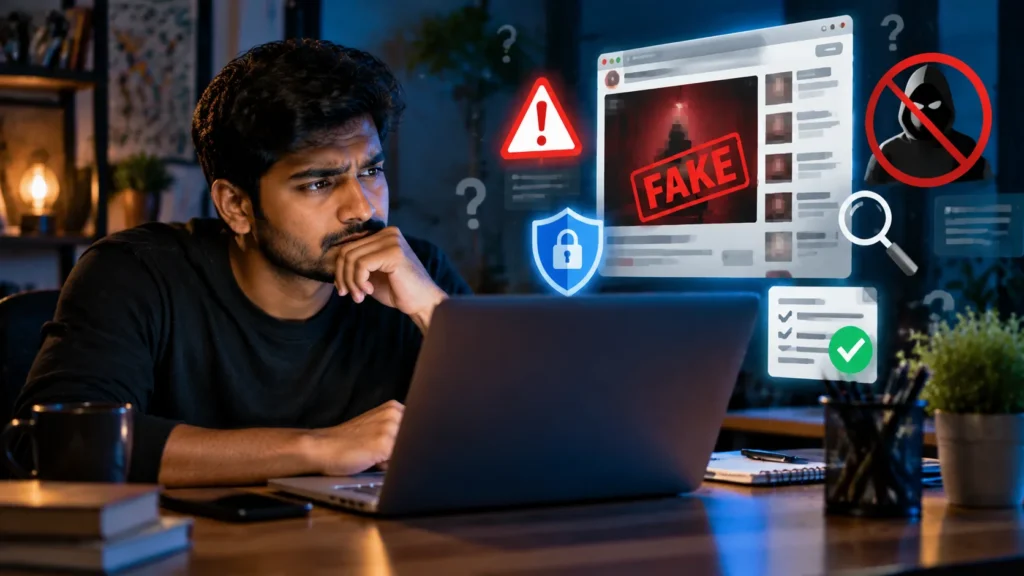
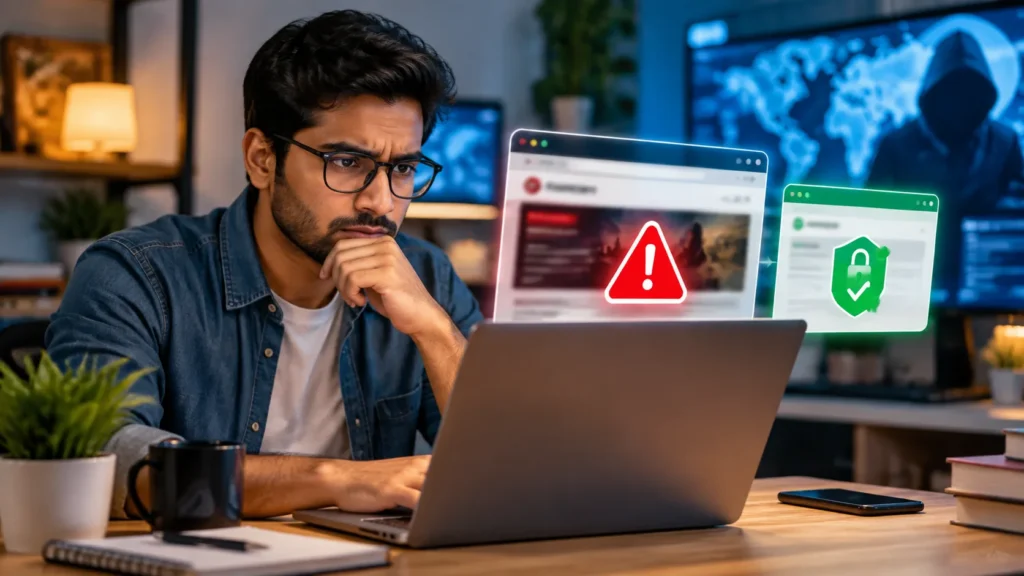
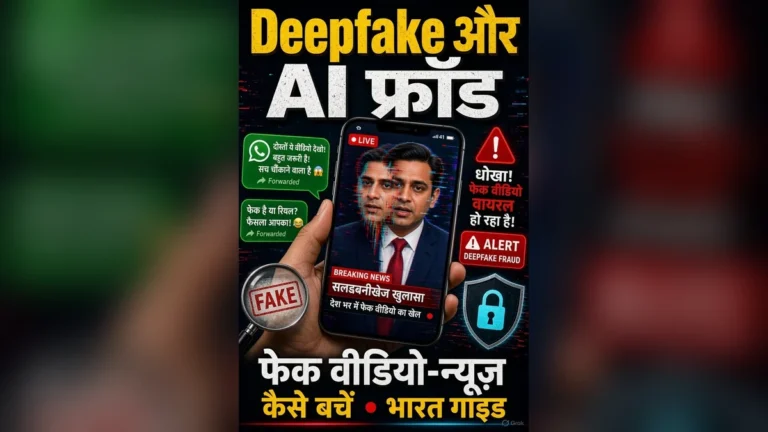
This is general cyber-safety information for India, not individual legal advice. FedEx is named to explain brand impersonation, not to accuse the company of fraud. All three images are AI-generated illustrations with fictional messages or screens. Information checked on 24 October 2026.
- FedEx India: Recognize and report fraud
- FedEx India: Import Tool and clearance documents
- Indian Customs: Warning about private-account payment requests
- CBIC / PIB: Customs impersonation warning
- MHA / PIB: Parcel and digital arrest scam warning
Also read: how to verify a fake digital arrest notice