In 2018, the horror film The Nun took global box offices by storm, cementing its place as one of the most terrifying entries in The Conjuring cinematic universe. The film introduced audiences to a pale-faced, yellow-eyed demonic entity clad in the sacred habit of a Catholic nun. This entity was given a name that quickly sent shivers down the spines of moviegoers worldwide: Valak. Following the film’s release, search engines were flooded with queries regarding the “valak demon real story,” as viewers sought to understand if this nightmare-inducing figure had any basis in actual history or folklore.
However, a closer look at the history of demonology and occult literature reveals a massive gap between Hollywood’s creative storytelling and actual historical texts. The terrifying nun that stalks the dark corridors of a Romanian monastery is a modern cinematic invention designed for maximum scare factor. The real historical figure of Valak—as documented in centuries-old grimoires—looks, acts, and functions in a completely different manner.
To understand the truth behind the myth, we must separate the narrative into distinct layers: documented historical texts, folklore claims, modern paranormal anecdotes, and cinematic adaptations. By analyzing these layers, we can demystify the character of Valak and understand how ancient mythology is repurposed to fuel the modern horror industry.
1. Documented History: The Grimoire Tradition of Valac
To find the earliest recorded origins of the valak demon, we must look past modern cinema and delve into the dusty pages of 16th and 17th-century occult manuscripts. In academic history and demonology, Valak does not appear as a nun, nor is he associated with Christian convents. Instead, he is documented under various names—such as Valac, Volac, Valu, or Ualac—in several prominent grimoires (textbooks of magic).
The Lesser Key of Solomon (Ars Goetia)
The most famous source mentioning Valak is the 17th-century grimoire known as the Lesser Key of Solomon, specifically its first section, the Ars Goetia. This text compiles a list of 72 demons that King Solomon supposedly bound and commanded. In this catalog, Valak is listed as the 62nd spirit.
According to the Ars Goetia, Valak is not a minor spirit but a “Great President of Hell.” He is said to command between 30 and 38 legions of lesser spirits, giving him significant authority in the infernal hierarchy described by early modern occultists.
The Pseudomonarchia Daemonum
Before the Lesser Key of Solomon was compiled, the famous physician and occultist Johann Weyer published the Pseudomonarchia Daemonum (The False Hierarchy of Demons) in 1577 as an appendix to his work De praestigiis daemonum. Weyer also lists Valac, describing him in virtually the same terms. These texts were written during a period when scholars, theologians, and occultists sought to categorize the spiritual world, often blending medieval folklore, Judeo-Christian theology, and ancient pagan myths.
2. Folklore & Occult Claims: The Dragon-Riding Child
In the realm of historical folklore and demonology texts, the visual description of Valak is a far cry from the rotting, pale nun seen on theater screens. According to the grimoires, if Valak is summoned, he does not manifest as a hooded figure of death. Instead, he appears in a highly deceptive and symbolic form.
The Visual Manifestation
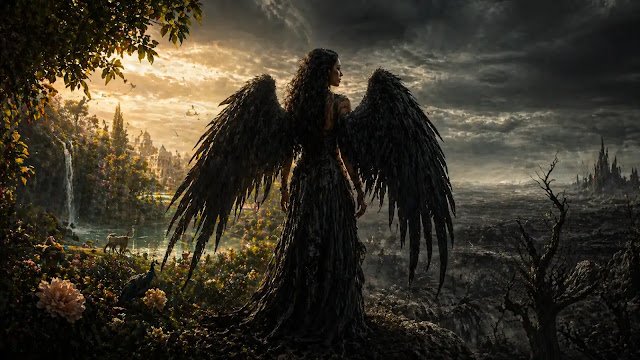
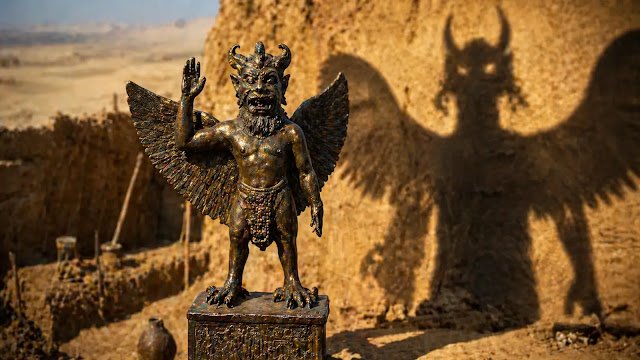
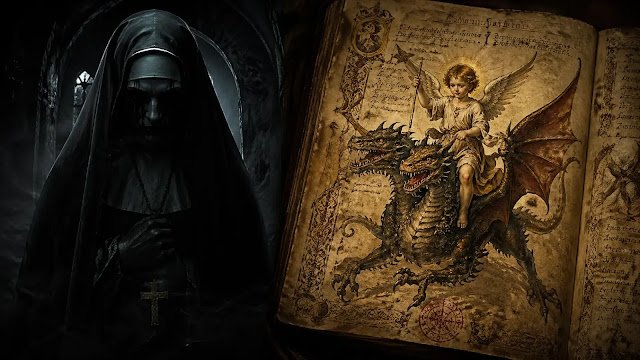
The historical texts describe Valak as appearing as a poor, innocent child with angel’s wings. This angelic, childlike appearance was considered highly deceptive, masking his immense power as a President of Hell. Furthermore, this child is described as riding atop a formidable two-headed dragon. This striking image—a cherubic child steering a monstrous, multi-headed beast—was meant to symbolize control over dangerous and chaotic forces.
The Supposed Powers of Valak
In traditional occult lore, spirits were not summoned merely to cause random jump-scares or terrorize households. Summoners (occultists and practitioners of ceremonial magic) sought out specific entities for practical, albeit esoteric, purposes. According to the Ars Goetia, Valak possessed two primary abilities:
- Locating Hidden Treasures: Valak was viewed as a celestial navigator and treasurer. Summoners believed he could pinpoint the exact locations of hidden treasures, ancient ruins, and buried gold.
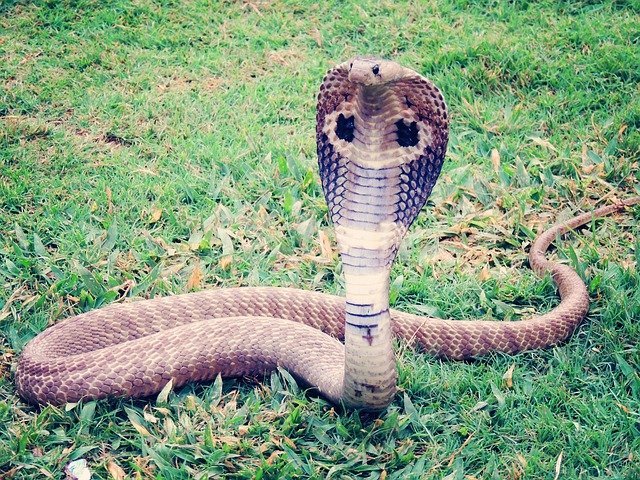
- Commanding Serpents: Valak was said to have absolute authority over snakes and serpents. Folklore claimed he could reveal where serpents lived and deliver them to the magician harmlessly, rendering dangerous reptiles completely docile.
These traditional attributes show that in historical folklore, Valak was associated with hidden knowledge, wealth, and nature control, rather than the desecration of churches or the possession of Christian monastics.
3. Film & Pop Culture Adaptation: Entertainment vs. Reality
If the historical Valak is a winged child riding a two-headed dragon, how did he become the terrifying, pale-faced nun in modern cinema? The answer lies in the creative process of director James Wan and the writers of The Conjuring 2 (2016) and The Nun (2018). This depiction is strictly an entertainment adaptation and should not be confused with historical or spiritual reality.
The Inspiration Behind the Cinematic Nun
The cinematic design of the Nun was actually inspired by an anecdote shared by the late paranormal investigator Lorraine Warren. According to director James Wan, Lorraine Warren once mentioned that she felt haunted by a recurring “dark entity” in her home. She described this entity as a swirling, dark vortex of shadow with a hooded, indistinct figure inside.
Wan realized that a CGI vortex of black smoke would not translate well to the screen as a compelling, terrifying villain. He wanted a physical character that could interact with the actors and terrify the audience. To create a stark contrast and play on psychological fears, Wan decided to make the entity look like a nun.
“Because it’s a demonic vision that haunts her, that only attacks her, I wanted something that would attack her faith. Something that would threaten the safety of her husband… And so that’s how the idea of this very iconographic image of a holy icon ended up being corrupted in her mind.”
— James Wan, Director
The filmmakers chose the name “Valak” from the Ars Goetia simply because they wanted an authentic-sounding, ancient demonic name to give their fictional creation a sense of historical weight. The visual design, the monastic setting, and the lore surrounding the character in the movies were entirely fabricated for the screen.
The Setting: Cârța Monastery
In The Nun, the plot centers around the Abbey of St. Carta in Romania. While the Cârța Monastery is a real, historical site built in the 13th century by Cistercian monks, it is not a haunted fortress of demonic possession. Today, it stands as a peaceful, picturesque ruin and a historic monument in Transylvania, attracting tourists for its beautiful Gothic architecture rather than paranormal activity.
4. Science, Skepticism, and Psychology
From a scientific and psychological perspective, the terror associated with the “valak demon” can be easily explained through human cognitive biases and the mechanics of the horror industry.
The Psychology of the “Scary Nun”
The cinematic Valak works so effectively because of a psychological concept known as cognitive dissonance. A nun is traditionally a symbol of peace, holiness, purity, and protection. When horror filmmakers subvert this image by turning it into something decaying, aggressive, and demonic, it creates a deep sense of unease in the human subconscious. The brain struggles to reconcile the holy attire with the monstrous face, resulting in heightened fear and anxiety.
The “Fear Economy” and Digital Distraction
Modern internet culture often amplifies cinematic myths, turning fictional movie monsters into viral urban legends. This “fear economy” thrives on sensationalism. When people watch a scary movie, their adrenaline spikes, and they seek out more information online. Websites and content creators capitalize on this curiosity by framing movie monsters as “real-life demons” to generate clicks and views.
Psychologists note that obsessing over supernatural threats like Valak often serves as a form of displacement or distraction. In a complex world filled with real-world anxieties—such as financial stress, career pressures, and digital overload—focusing on an imaginary, externalized monster like a demonic nun can ironically feel easier to process than addressing internal psychological struggles or everyday life challenges.
FACT BOX: Myth vs. History vs. Film
- The Grimoire Valak (History): Described in the 17th-century Ars Goetia as a Great President of Hell commanding over 30 legions of spirits.
- The Visual Appearance (Folklore): Manifests as an innocent child with angelic wings riding a two-headed dragon, not as a nun.
- The Powers (Folklore): Associated with finding hidden treasures and controlling serpents, rather than haunting churches.
- The Cinematic Valak (Film): A modern horror character created by James Wan, designed as a corrupted holy figure to attack Lorraine Warren’s faith.
- The Real Monastery (Geography): The Cârța Monastery in Romania is a peaceful, historic tourist site with no record of demonic hauntings.
FAQ
Q1. Is the movie ‘The Nun’ based on a true story?
No. The plot, characters, and specific events of The Nun are entirely fictional. The film was loosely inspired by a general description of a “hooded shadow” that paranormal investigator Lorraine Warren claimed to have seen in her home, but the story of the Romanian monastery and the demonic nun was created by Hollywood screenwriters.
Q2. What does the real demon Valak look like in historical texts?
According to historical grimoires like the Ars Goetia, Valak does not look like a nun. He is described as appearing as a young, winged child riding on the back of a two-headed dragon.
Q3. Why did the filmmakers use the name Valak if the character is different?
Filmmakers often borrow names from ancient mythology, religious texts, and historical demonology to give their fictional stories a sense of realism and mystique. The name “Valak” was chosen for its phonetic impact and its presence in historical occult catalogs, despite the film’s character having no connection to the grimoire description.
Q4. Is the Cârța Monastery in Romania actually haunted?
There are no verified historical or scientific records of paranormal activity, demonic possessions, or hauntings at the Cârța Monastery. It is a historic Cistercian ruin in Transylvania that is open to the public as a peaceful cultural site.
Q5. What are the origins of the grimoires that mention Valak?
The grimoires, such as the Lesser Key of Solomon, are texts compiled during the Renaissance and early modern periods (mostly the 16th and 17th centuries). They represent a blend of medieval folklore, Jewish mysticism (Kabbalah), Christian theology, and ancient Greco-Roman magic, rather than scientifically verified historical facts.
⚠️ Disclaimer
This article is intended solely for historical, cultural, and analytical purposes. It examines folklore, mythological texts, and pop culture trends. The information presented should not be taken as spiritual, medical, or occult advice. The Vista Hub team does not promote superstition or occult practices. Readers are encouraged to approach supernatural claims with critical thinking and scientific skepticism.