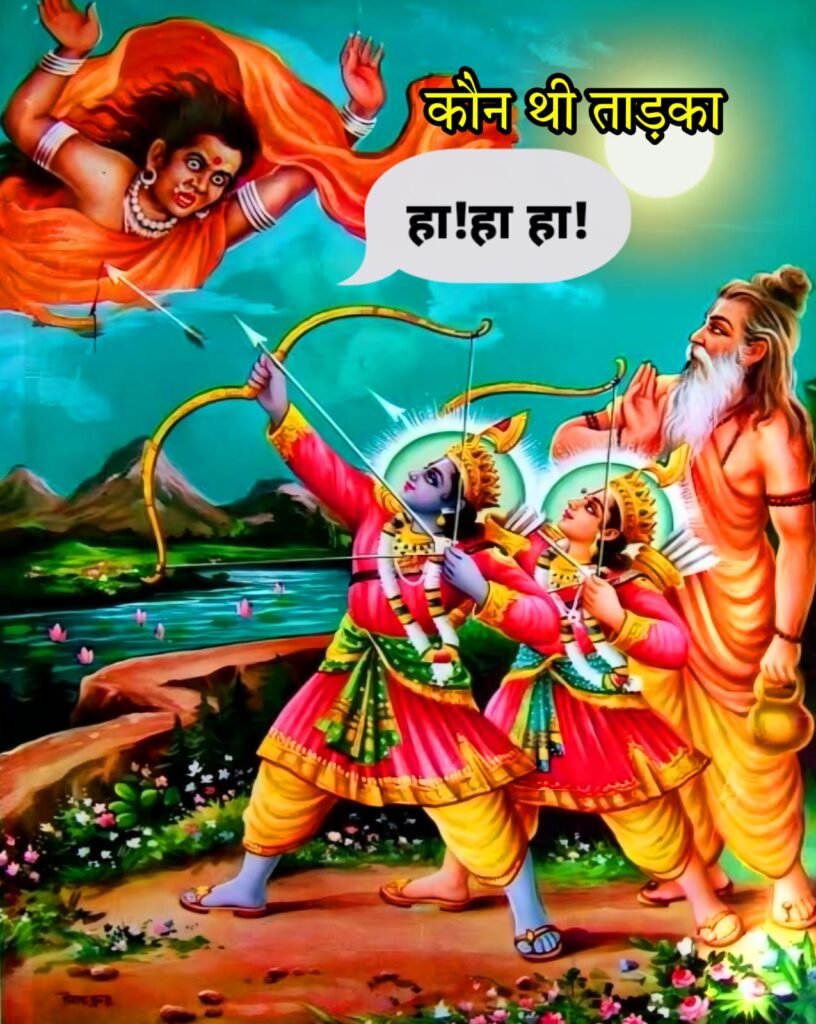
Every monsoon, families across India mark Nag Panchami with lamps, flowers, and a prayer for protection. Alongside that devotion sits a popular custom that looks gentle and still needs a hard look: offering milk to a live snake. The search behind nag panchami why not feed milk snakes is not an attack on faith. It is a request for clarity. This article separates religious belief, folklore, and documented biology, using the same core claims carried in the Hindi source, without inventing studies, percentages, or named “proofs.”
What Nag Panchami Is Meant to Honor
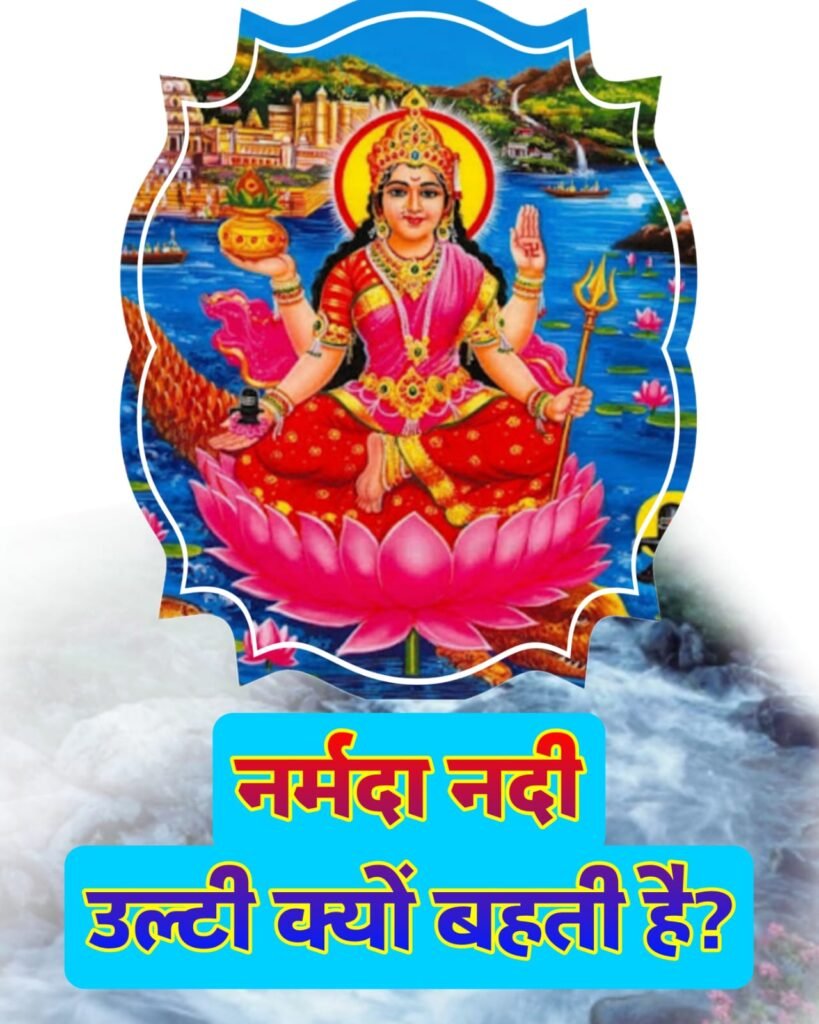
Nag Panchami is observed on the fifth lunar day of the bright fortnight, or Shukla Paksha, in the month of Shravan. In living Hindu practice it is dedicated to Nag Devatas. Devotees ask those serpent deities for the safety and welfare of the household. That framing is religious belief, not a laboratory finding, and it sits at the heart of why the day still matters in homes, fields, and temples.
The same tradition places snakes inside a larger sacred map. They are remembered as the garland around Lord Shiva, as the couch of Lord Vishnu, and as lords of Patala, the nether realm. Folklore also treats the living snake as a friend of the farm: a hunter of rats and other pests that damage grain. Those stories explain respect. They do not, by themselves, tell you what a snake’s gut can digest.
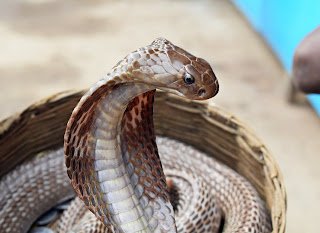
India holds many festivals where faith, local custom, and daily life sit in one room. Nag Panchami is one of them. The trouble begins when a symbolic offering meant for a deity is transferred, without question, onto a captured animal. A clay cobra on a home altar and a wild cobra in a cramped box are not the same being. One is an image of worship. The other is a reptile with lungs, fangs, and a digestive system built for prey, not dairy.
Keeping that distinction is not a lack of shraddha. It is how a devotee can honor the festival’s purpose — protection, gratitude, and care for a feared but useful creature — without turning the ritual into harm. The rest of this piece stays with that line: belief is named as belief, folk custom as folk custom, and biological limits as biological limits.
How the Milk-Feeding Custom Took Root
For generations, offering milk on Nag Panchami has been treated as a way to please Nag Devata and receive blessing. The Hindi source describes this as a long-running folk practice, not as a verse-by-verse scriptural command that live snakes must drink dairy. The likely origin, as that source frames it, is a human habit of mind: if the nag is a deity, then the nag should be fed the way a guest or a child is fed.
That leap is folklore dressed as kindness. Milk in Indian ritual often stands for purity and nourishment. Poured on a Shiva lingam or offered before an image, it is a symbol. Poured toward a living snake, the same liquid stops being only a symbol and becomes a substance the animal may swallow. The custom survived because it looks devout, because neighbors did it, and because a thirsty snake in a box will often take whatever liquid is put in front of it. Appearance then gets read as consent.
None of that history makes the act biologically safe. The source is blunt on this point: the idea that a snake wants milk the way a mammal wants milk sits outside the facts of zoology. Snakes did not evolve beside cattle or buffalo. Their wild diet is prey — typically other animals they can swallow whole — and water. Treating them as if they shared a human kitchen is an error of category, even when the feeling behind the bowl is sincere.
Once a custom is tied to a sacred calendar, questioning it can sound like questioning the deity. That is a false bind. You can keep the tithi, the lamp, the mantra, and the prayer for family protection, and still refuse a practice that injures the creature the festival claims to honor. The next sections explain why the bowl of milk is the part that should change.
Why You Should Not Feed Milk to Snakes on Nag Panchami
The shortest scientific statement in the source is also the most important: snakes are reptiles, not mammals. Milk is a food produced by mammalian mothers for mammalian young. Those young, and many adult mammals, carry the enzyme lactase, which breaks down lactose, the sugar in milk. Snakes do not have that enzyme. That is documented biology as presented in the source, not a festival rumor and not a moral slogan.
Because there is no lactase, lactose is not a treat in a snake’s gut. The source describes it as acting like poison on the digestive system. That wording is the source’s own strong claim. It should be read as a warning about mismatch — a sugar the animal cannot process — not as a chemical analysis from a named laboratory. The practical meaning is simple. A liquid that comforts a calf can distress a cobra.
This is the core of nag panchami why not feed milk snakes. The festival date does not rewrite anatomy. A devotee can chant, fast, or visit a Nag temple and still accept that a reptile’s body is not built for dairy. Calling the snake divine does not insert lactase into its intestine. If anything, reverence should make a person slower to force an unsuitable food on the animal that stands in for the deity.
People sometimes answer, “But I saw the snake drink.” Seeing is not the same as thriving. A dehydrated animal will often take liquid. That movement of the head toward a bowl is a thirst response, not proof that milk is a natural nag-prasadam. The next section follows what the source says happens after the swallow.
What Milk Can Do Inside a Snake’s Body
The Hindi source lists a chain of harms and presents them as scientific fact. After milk is taken, the snake may suffer severe diarrhea, vomiting, dehydration, and other digestive illness. Those are clinical words for a simple failure: the gut cannot break the lactose down cleanly, so the animal loses fluid and strength instead of gaining food.
A second pathway is respiratory. Snakes do not sip the way a mammal sips from a cup. They may try to take milk as if it were water. In that scramble, milk can enter the lungs. The source says this can cause pneumonia, and that the pneumonia is often fatal. Again, no study title is attached in the original. The claim should be labeled as the source’s scientific explanation, not as a numbered hospital series.
Put the two paths together and the source’s last biological claim follows: the combined stress can kill the snake. On a day meant for blessing, causing that outcome is hard to call auspicious in any register — religious, ethical, or ecological. A festival that asks for protection of the family should not require the hidden death of the animal used as a prop.
It is fair to say what the source does not give. It does not name a paper, a sample size, a species list, or a percentage of snakes that die after one feeding. Those numbers should not be invented. What it does give is a consistent mechanism: no lactase, lactose distress, fluid loss, risk of milk in the lungs, possible death. That is enough to stop treating the bowl as harmless.
FACT BOX
- Documented biology (as stated in the source): Snakes are reptiles, not mammals. They lack the enzyme lactase needed to digest milk sugar.
- Source’s scientific explanation: Lactose is described as acting like poison on a snake’s digestive system and may lead to diarrhea, vomiting, dehydration, and other gut illness.
- Source’s further warning: Milk taken like water can enter the lungs and cause pneumonia, which the source calls often fatal; these problems together can kill the snake.
- Religious belief, not biology: Nag Devatas are honored as Shiva’s garland, Vishnu’s couch, and lords of Patala; devotees seek family protection on Shukla Paksha Panchami of Shravan.
- Folklore, not proof of diet: Feeding milk to live snakes is a popular custom meant to please the deity. The source treats that custom as a human-shaped idea, not as evidence that snakes naturally drink dairy.
The Hidden Cost of Festival Snake Displays
Many people meet a “festival nag” not in a forest but in the hands of a sapera, or snake charmer, who moves from street to street asking households to offer milk or take a short puja. The source asks readers to look behind that scene. The animal on display is rarely a willing guest. It is described as a captured wild snake, taken from forest cover and pressed into a human crowd.
Capture itself can injure the snake. After capture, the source says the animals are kept for days in small, airless boxes or baskets, without proper food or water. That confinement is not a temple sanctuary. It is storage. A reptile already stressed by handling then faces heat, crowding, and thirst. From the outside, the basket looks traditional. From the snake’s side, it is a trap.
To keep the snake “safe” for spectators, charmers are described as breaking the venom fangs or removing the venom glands. The source calls that process extremely painful and permanently disabling. A snake that cannot deliver venom or strike as it evolved to do cannot hunt as it must in the wild. If it is later dumped back into the forest, the same text says it may starve. The public sees a swaying hood. The animal has already lost the tools of its life.
These details are the source’s account of a cruel trade around a sacred day. They are not a police charge-sheet and not a published census of charmers. They should be read as a reported pattern: catch, confine, disable, display. Once that pattern is visible, the bowl of milk is no longer a private offering between devotee and deity. It is the last act in a chain that began with a net in the grass.
Why a Captive Snake May Still Drink Milk
If milk is so poorly matched to a snake’s body, why does the animal drink? The source’s answer is thirst, not taste. Snakes shut in boxes for days, and in the same account left hungry and thirsty for weeks, grow weak. When milk is placed before them, they take it as water. That is a desperate attempt to live, not a ritual preference and not proof of a dairy habit.
This is where folklore and observation collide. A crowd sees the tongue and the swallow and says, “See, the nag accepted the offering.” Biology sees a dehydrated reptile grabbing the only liquid available. The source goes further and calls the situation a kind of torture: the animal is pushed to drink the very thing that may later kill it, because refusing the liquid means staying thirsty.
Wild snakes hydrate from water and from the moisture in prey. They do not queue at a dairy. A snake that “chooses” milk in a marketplace has usually been denied the ordinary choice of water and food. That context should sit in front of every viral clip of a cobra at a steel bowl. Without the missing weeks in the box, the picture is incomplete.
None of this requires hatred of the men who carry the baskets. It requires refusing to rent their animals for a minute of punya. If the snake drinks only because it is failing, the offering is not grace. It is pressure dressed as tradition.
Ahimsa, Faith, and What True Worship Asks
The source puts a moral question in plain language: is causing pain or death to a living being ever punya? Across Hindu ethics, the answer is no. Harming a snake on a day dedicated to Nag Devata cannot be sold as the same thing as honoring Nag Devata. The source names the gap as ignorance and blind custom, not as deep theology.
Sanatana Dharma is described here through a well-known maxim: ahimsa paramo dharmah — non-violence is the highest dharma. The line teaches mercy and respect toward all lives, not only toward cows or humans. Feeding milk in a way that sickens a snake is framed as a direct breach of that principle. If Nag Devata is a guardian of nature, then injuring the living nag is a contradiction, not a shortcut to blessing.
True shraddha, in this reading, protects the animal’s habitat and life. It does not confuse a captured, defanged, thirsty snake with Shesha or Vasuki. Divine nagas in story and living snakes in a field share a symbol. They do not share a digestive system, and they do not share a duty to perform for a crowd. Keeping the symbol holy is compatible with leaving the wild animal alone.
This is not a call to empty the festival. It is a call to aim the festival at what it already claims: protection, gratitude, and a truce with a creature people fear. A lamp at an image does that. A donation that keeps a snake in the forest does that. A bowl forced on a disabled captive does not.
How to Observe Nag Panchami Without Harming Snakes
The source is clear that Nag Panchami remains a sacred day and can be kept with full devotion without injuring any snake. The shift is from live feeding to image, temple, and care of habitat. That is still puja. It is simply puja that does not require a prisoner.
At home, worship a murti or a picture of Nag Devata in clay, metal, or stone. The source itself allows milk, water, and flowers on the image. That is symbolic offering, not veterinary feeding. The liquid meets stone or paper, not a lung. Incense and a lamp complete a simple household rite. The prayer for family protection does not get weaker because the cobra is not writhing in a basket.
If you live near fields or forest edges where burrows are visible, the source suggests worship from a distance. Do not pour milk into the hole. Milk in soil can foul the ground and harm other small lives that share the burrow mouth. Offer water, flowers, incense, and a lamp instead. Distance is not coldness. It is how you refuse to flood an animal’s shelter with a liquid it cannot use.
Temples that house Nag images remain open for vidhi-vat puja. That path keeps mantra and community without a street display. Beyond the shrine, the source asks for quieter work: tell family why live feeding is unsafe; support groups that rescue snakes and protect habitat, without naming a specific NGO here because the original text names none; and resist the destruction of the wild ground snakes need. Snakes remain part of the farm and forest web. Saving that web is closer to the old idea of the nag as a field-guardian than any forced sip of milk.
Awareness, the source says, is the real service. Updating a custom is not an insult to ancestors. It is how a living dharma refuses to confuse pain with offering. Love, respect, and protection of snakes — not harm through not knowing — is the meaning the original essay wants Nag Panchami to carry.
FAQ
Do snakes naturally drink milk?
Documented biology, as stated in the source: No. Snakes are reptiles, not mammals. They lack lactase, so milk is not a natural food. Apparent drinking during festivals is explained as thirst, not a normal diet.
Then why do some snakes drink milk on Nag Panchami?
Source’s account of captive practice: Charmers are described as holding snakes in tight boxes without proper food and water. Weak, thirsty animals may take milk as if it were water. That is desperation, not blessing accepted.
Is offering milk on an idol the same as feeding a live snake?
Religious practice versus animal feeding: No. Milk on a murti or picture is a symbolic offering. Milk swallowed by a living snake enters a body that cannot process lactose and may also enter the lungs.
Should milk be poured into a snake’s burrow?
Source’s caution: Avoid it. Milk can contaminate soil and harm other creatures. Distant worship with water, flowers, incense, and a lamp is the alternative given in the original text.
How can a devotee still keep Nag Panchami with shraddha?
Keep the tithi. Worship images at home or in a Nag temple. Do not pay for live street feeding. Speak to family about the biology. Support habitat and rescue work in general terms. That is the path the source calls true respect.
Disclaimer
This English article restates the Hindi source’s mix of festival custom, religious ethic, and biological warning. It does not add new statistics, named studies, quotes, or dates beyond that source. Religious honor of Nag Devata is belief and tradition. Claims about lactase, lactose distress, pneumonia, and charmer cruelty are presented as the source presents them — as scientific or reported explanation — not as a substitute for a veterinarian or a wildlife officer. Festival dates follow the Hindu lunar calendar and vary by region and panchang. Readers should treat live wild snakes as dangerous animals and should not handle them.