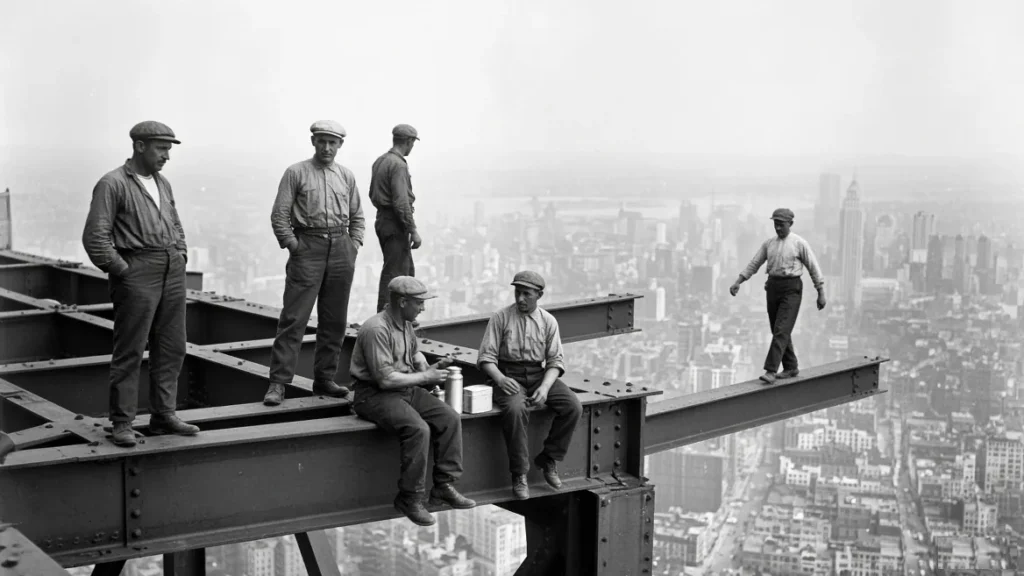
A thin line of steel. All of Manhattan underneath. Eleven men on it, boots hanging, lunch boxes open. Searchers treat Lunch Atop a Skyscraper 1932 as a lucky press frame — a photographer who stopped at the right second. The day was more organized than that.
The picture belongs to the RCA Building at Rockefeller Center, now 30 Rockefeller Plaza. The shoot is usually dated 20 September 1932. It ran on 2 October 1932 in the Sunday supplement of the New York Herald Tribune, under a plain caption: Lunch atop a Skyscraper. The street was roughly 800 to 850 feet down.
Where the 1932 lunch photograph came from
The United States was in the Great Depression. Jobs were scarce and towers were stalling. Rockefeller Center was still rising in Midtown, and the project needed to stay in the papers. Height was not only rivets that week. Cameras had been invited.
Historians and the old Corbis desk describe the frame as a publicity still. The men were real ironworkers. The seating was not a coincidence. Other pictures were made the same day — a flag, a nap on a beam, a football in the air. The lunch row is the one the world kept, because it makes danger look light.
People still file it under the Empire State Building. That is the wrong tower. The Empire State was finished in 1931, and Lewis Hine documented that job. Lunch atop a Skyscraper is Rockefeller Center steel, around the 69th floor of the RCA Building.
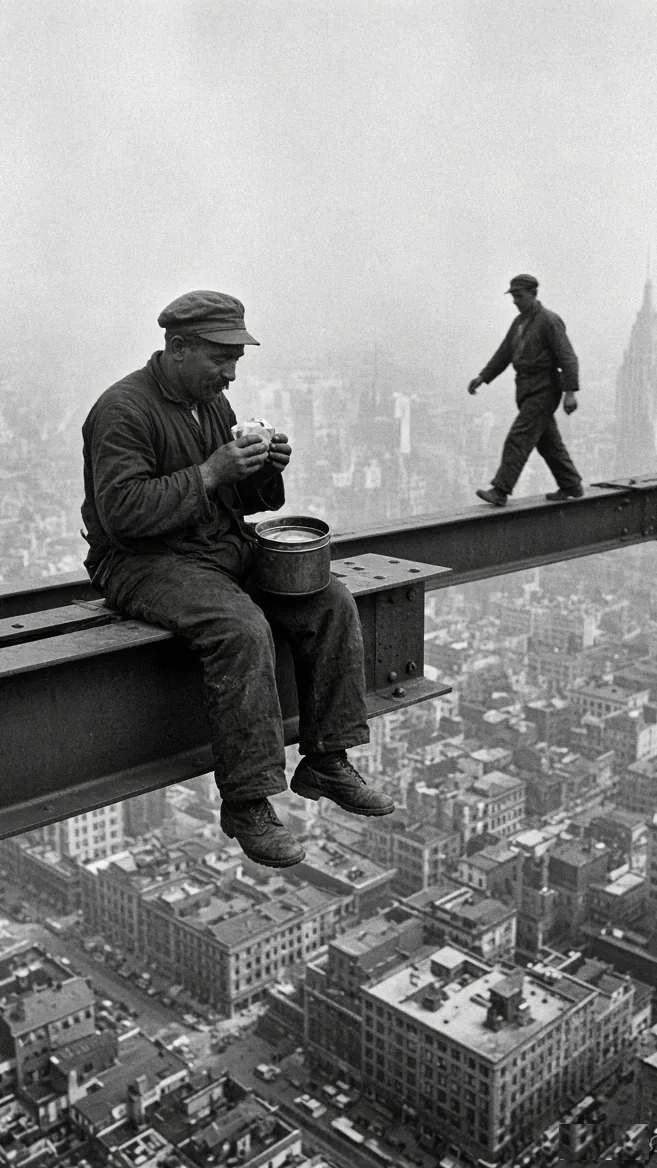
Even in the Depression, lunch happened on the same beam as the work.
Who held the camera — three names, one fight
For years the credit slid toward Lewis Hine because viewers misread the building. Most popular accounts now name Charles C. Ebbets, photographic director on the Rockefeller Center development. His family points to invoices and behind-the-scenes frames.
The Rockefeller Center archive is less certain. At least three cameras were there on 20 September: Charles Ebbets, Thomas Kelley and William Leftwich. The original assignment slip did not survive. The honest line is that the famous exposure belongs to one of them, and the paperwork does not settle which.
The glass negative later sat in the Bettmann Archive, then Corbis, then with Visual China Group. People hunt an “original negative.” What travels online is usually a crop and a poster. The shoot was a day of many exposures.
Who sat on the beam
Eleven faces. Most still lack a firm name. The documentary Men at Lunch and the Rockefeller archive moved two identifications forward. Joseph Eckner, third from the left, and Joe Curtis, third from the right, match other named pictures from that day.
The rest are family claims. Ireland’s Shanaglish sends Matty O’Shaughnessy and Sonny Glynn. The man at the far right with a bottle has also been called the Slovak worker Gustáv Popovič. Mohawk ironworkers coming through Canada belong to the same high-steel tradition. So many countries fit one beam because 1930s New York steel was built from that mix.
There is no complete roster. Some 40,000 people touched the 30 Rock job. A posed lunch will not name every face. The picture lives less on the names than on the posture — men eating as if the park were below them and only sky above.
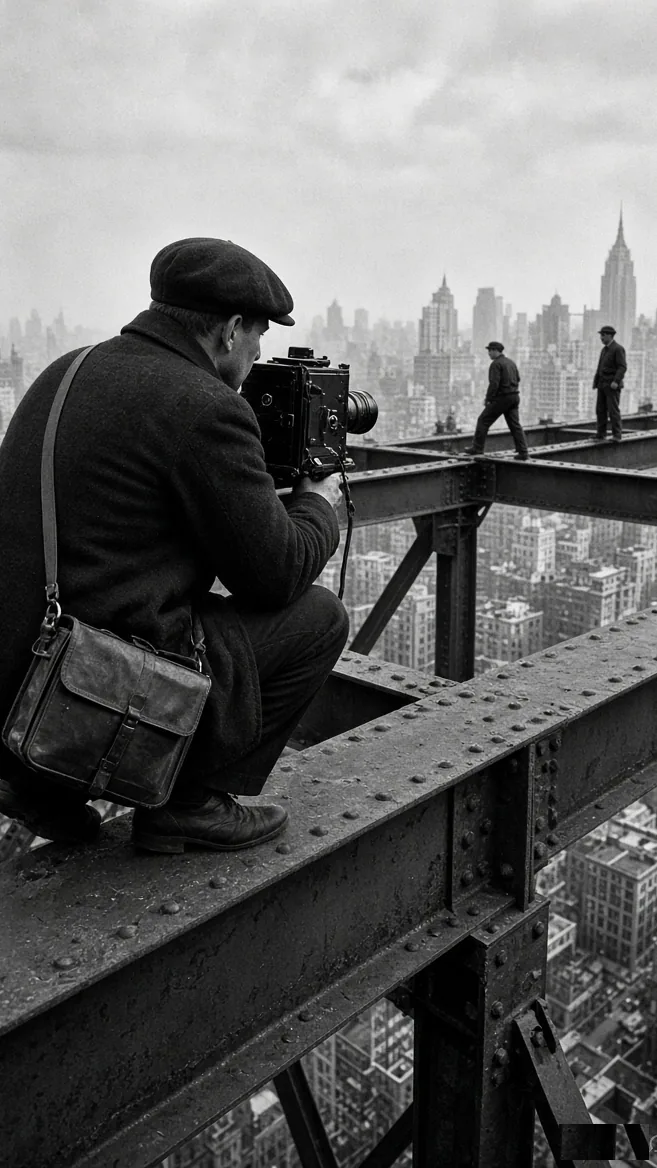
It was not an accident. Several cameras were on the Rockefeller Center publicity shoot.
Was the hour as reckless as it looks
The city under the boots is real. Nets and harnesses were not standard. An ironworker learned a beam the way other people learn a sidewalk. It is also true that the perch was chosen for a shoot. A camera crew means a frame was required, not only a meal.
So the photograph splits. On one side, a Depression laborer. On the other, an advertisement for a city still being built. Rockefeller Center wanted New York to look unfinished in a hopeful way. Viewers read a man sitting lightly over a thousand feet of air. Both readings travel. That is why the search does not die.
In India the frame moves as a poster and a “take the risk” quote. It is neither a motivational speech nor accident footage. It is a publicity morning that the world turned into a myth.
Why the search still comes back
Some type lunch atop a skyscraper 1932. Some type Rockefeller Center workers. Some type the photographer’s name. All three want the same afternoon through different doors.
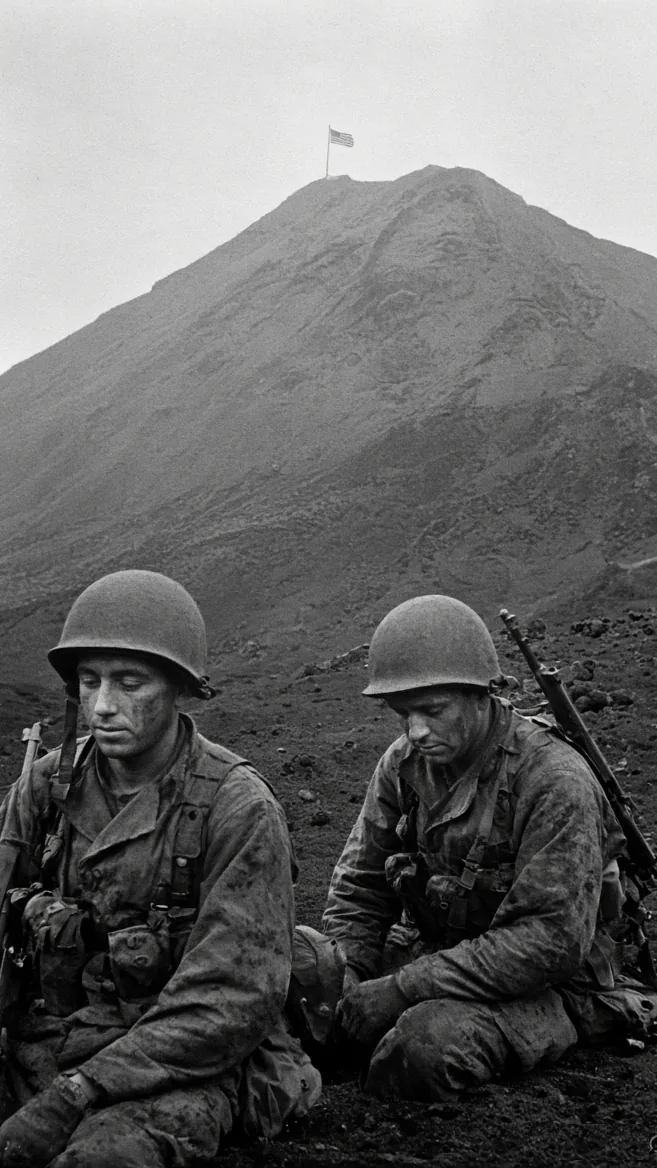
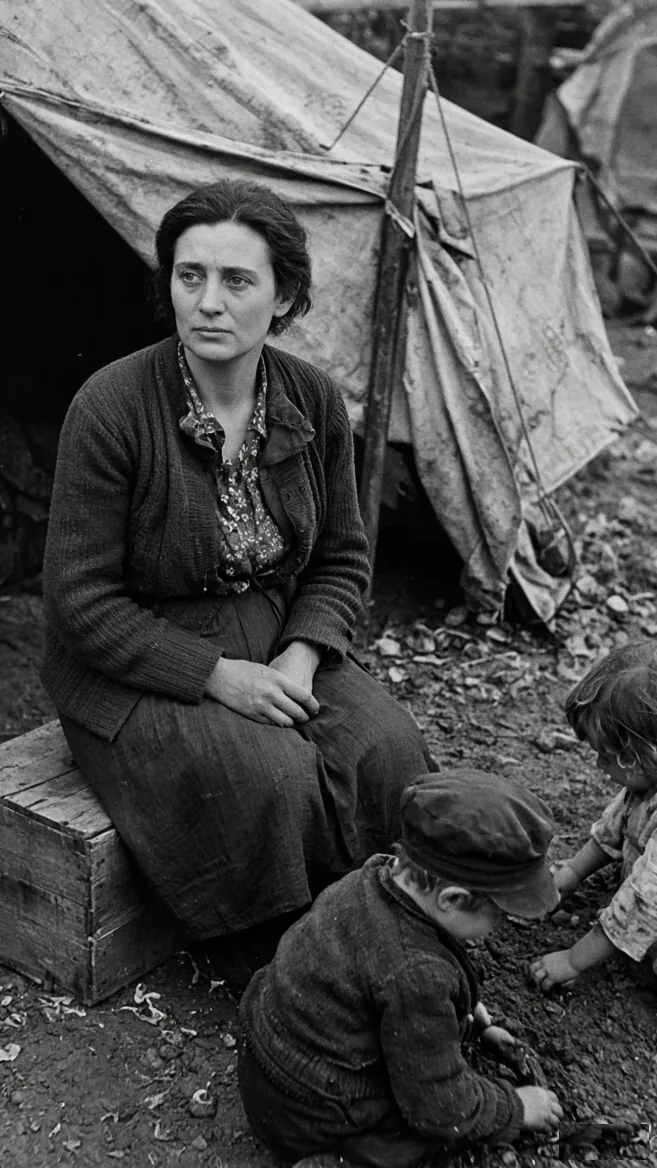
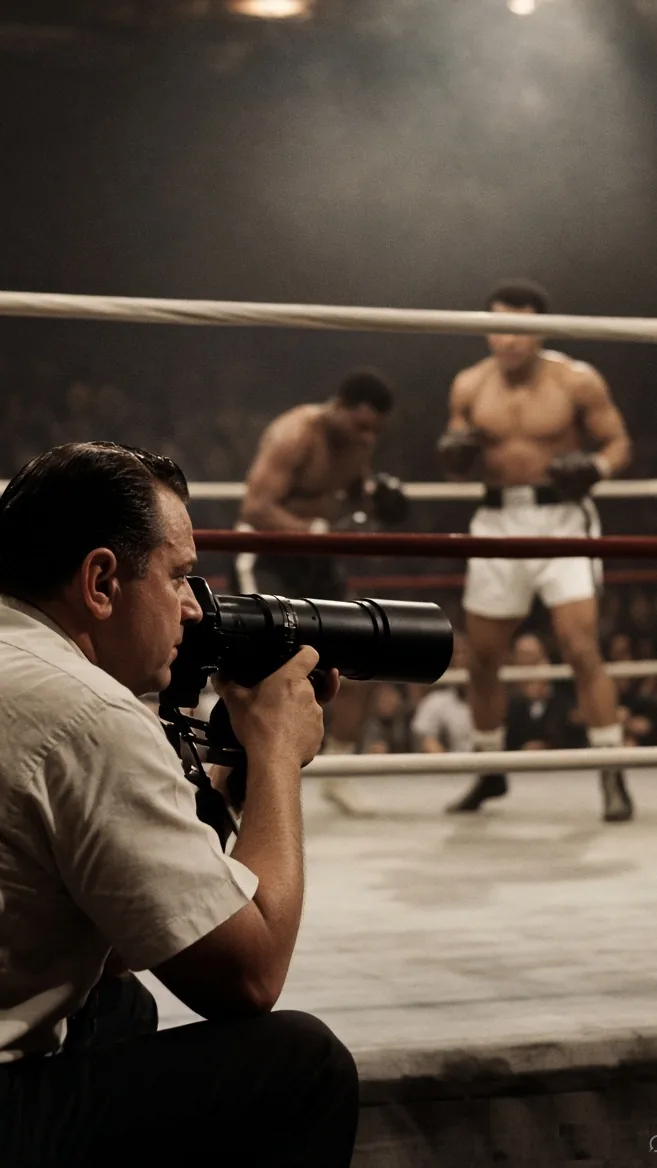
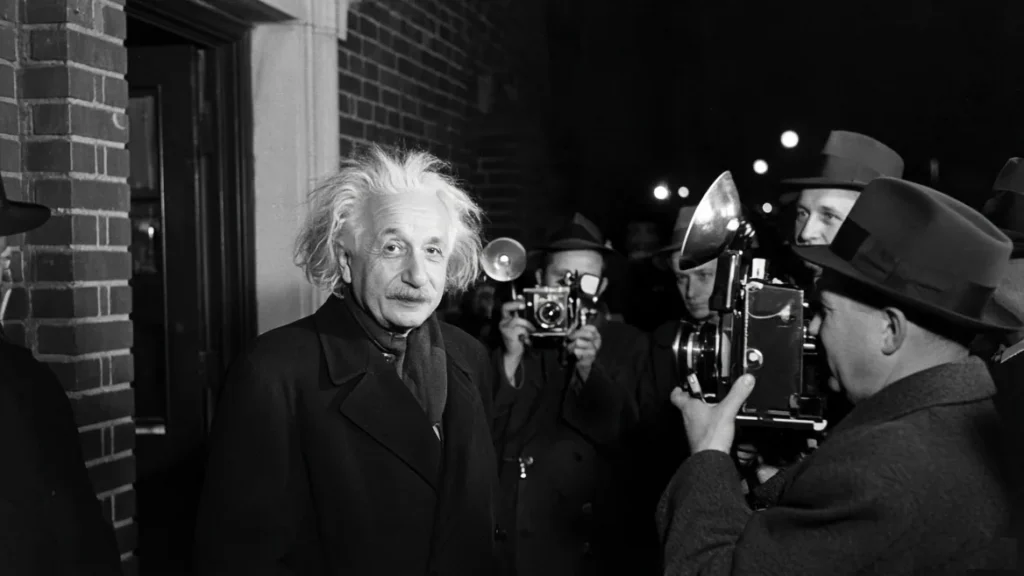
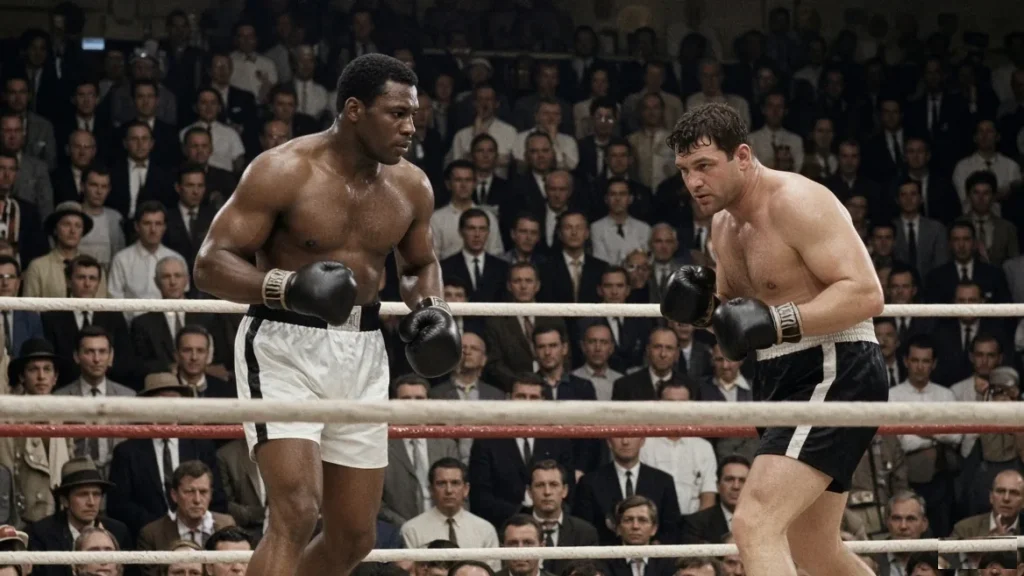
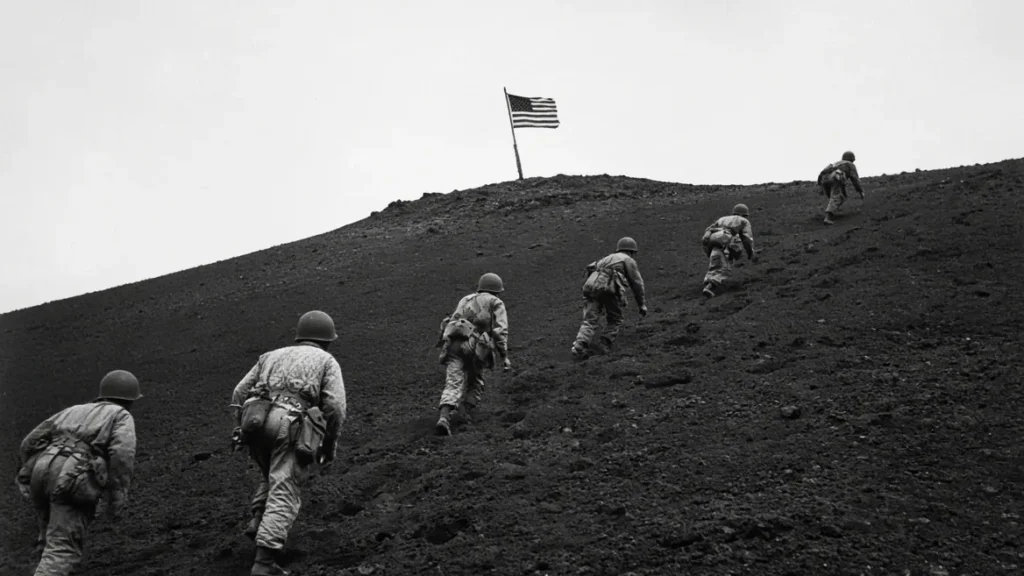
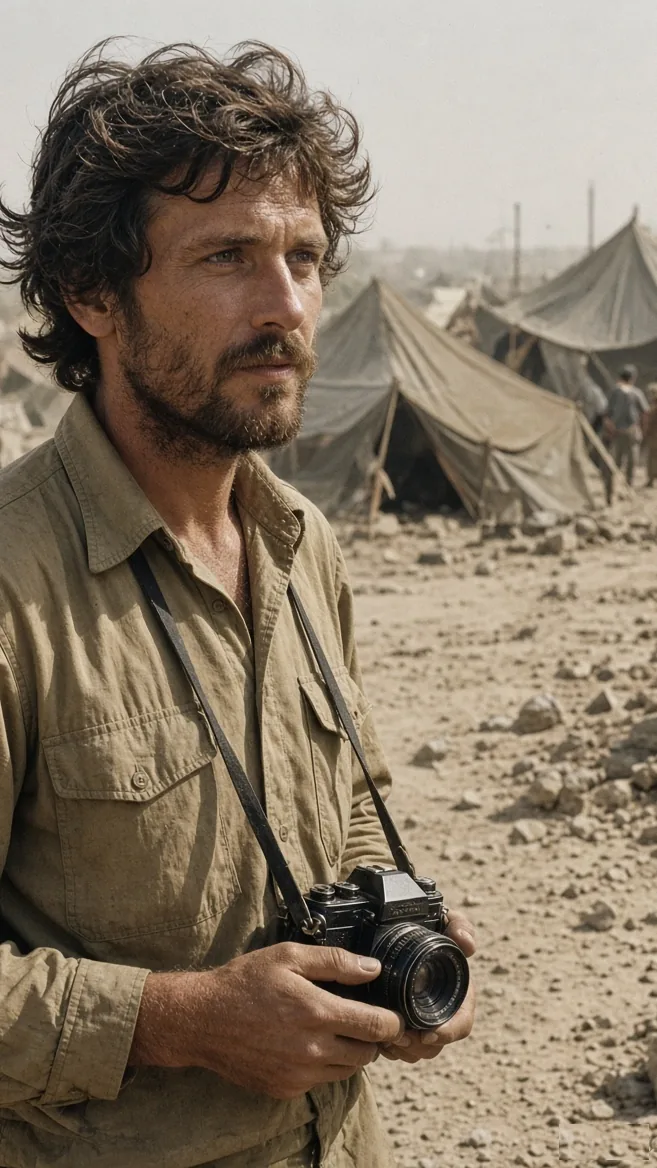
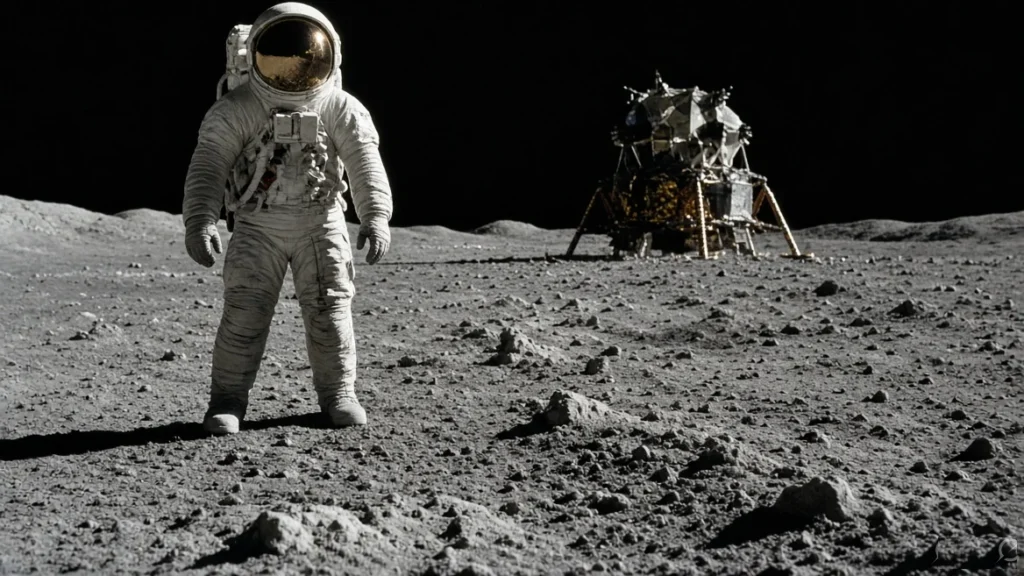
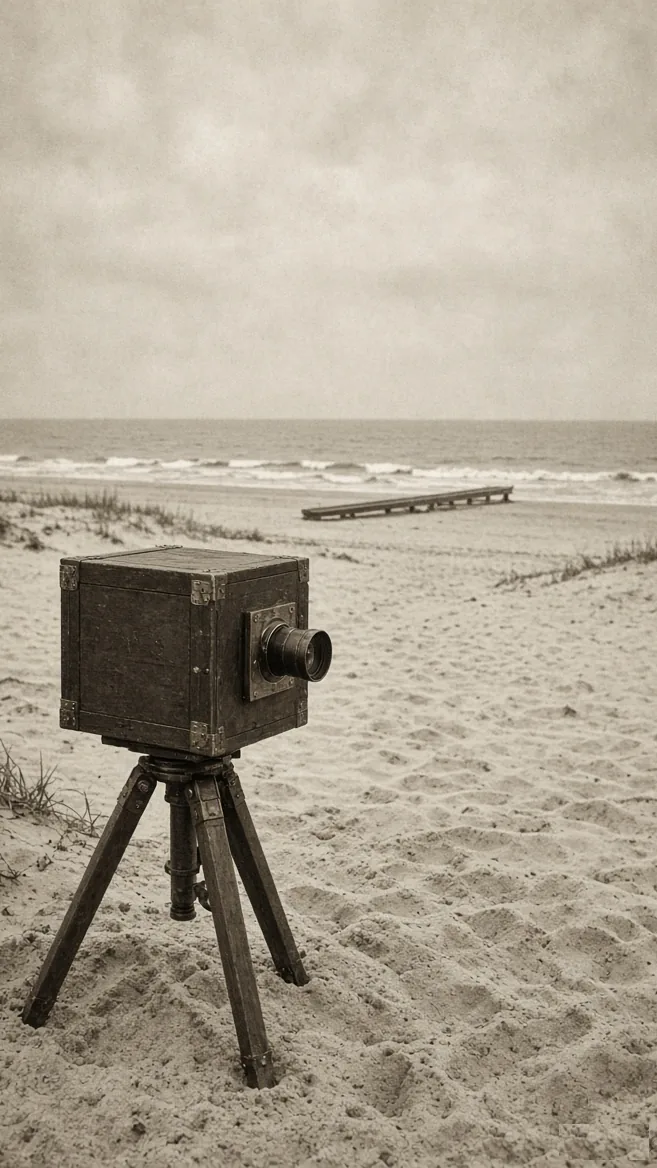
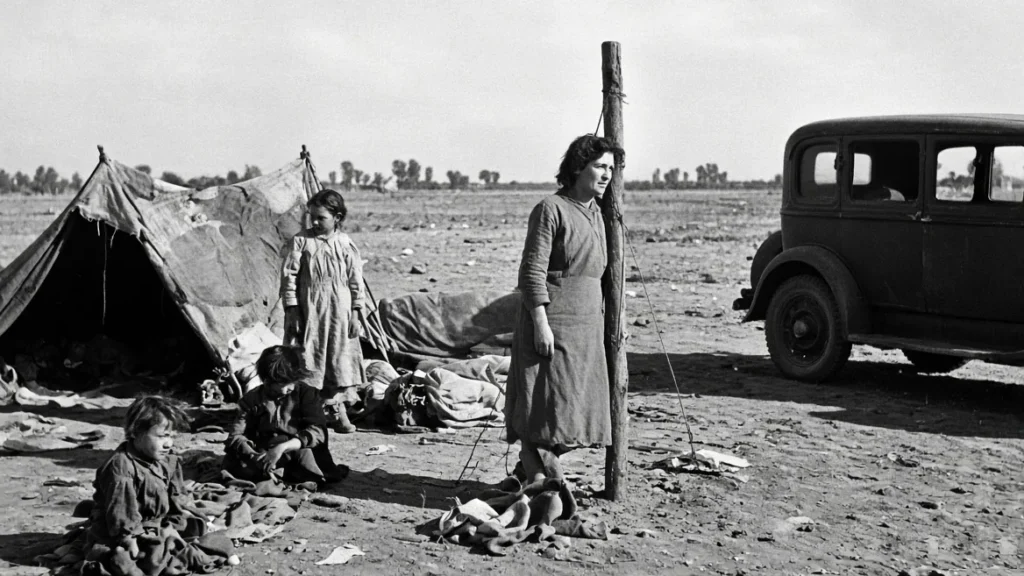
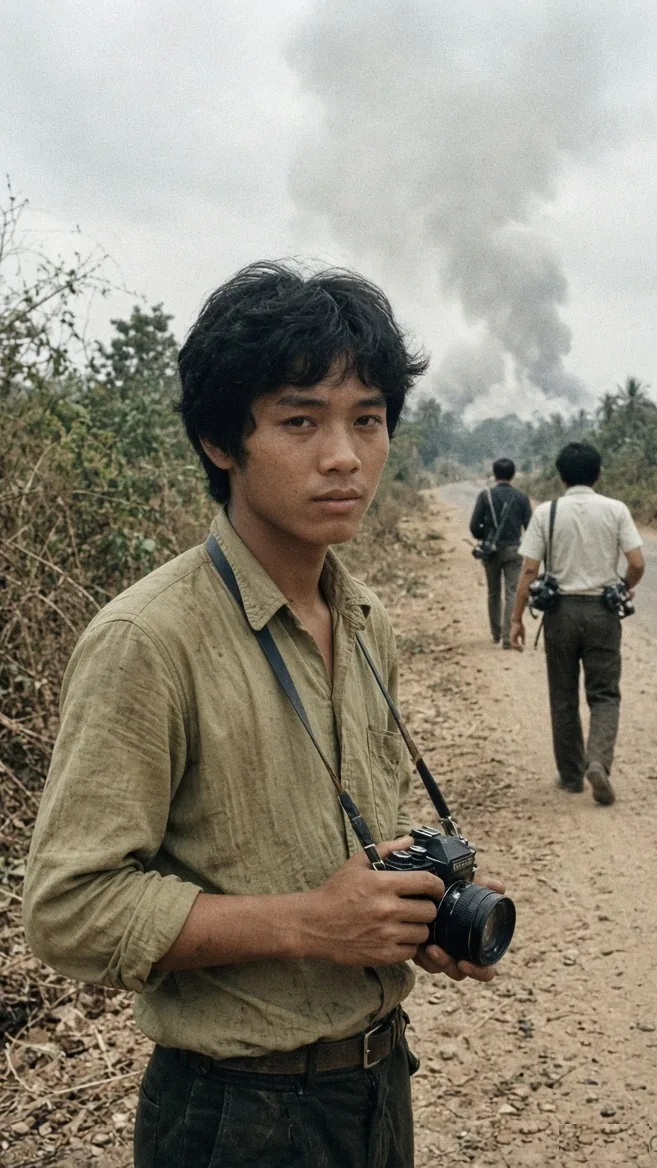
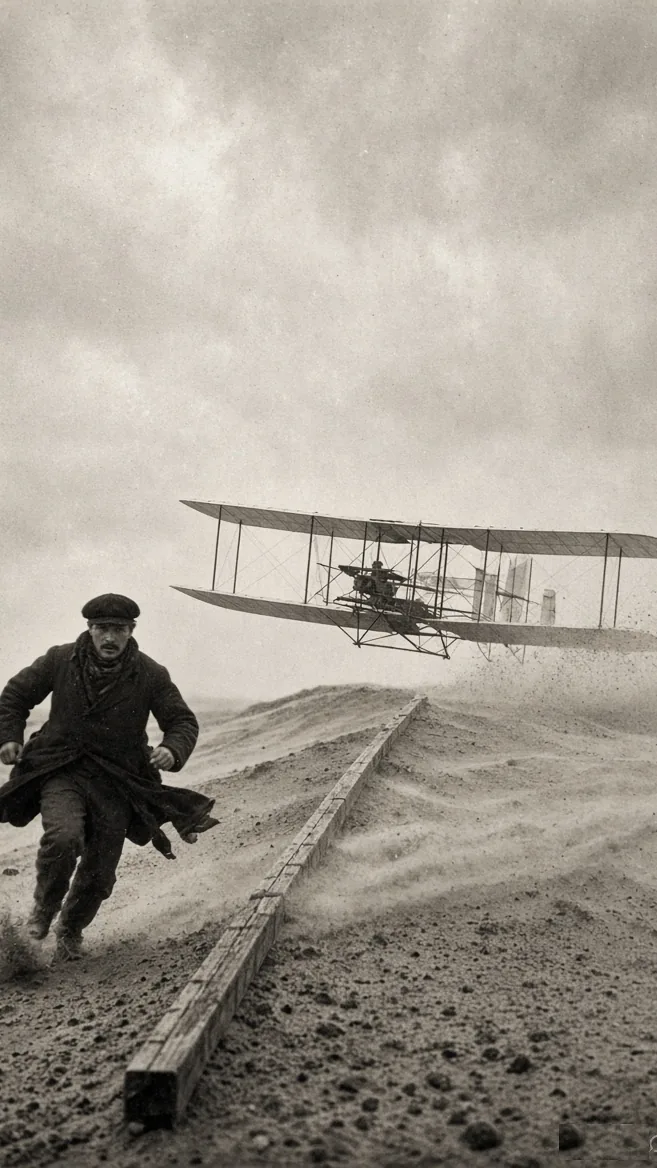
The pictures in this article are not copies of the copyrighted eleven-man lineup. They stay in that year, that height, that trade — beam, lunch pail, camera, city. The story is the same event. The claim is not that this file is the Herald Tribune negative.
The RCA Building changed names. Helmets became law. The hunger in the frame did not. If lunch can look ordinary at that height, ordinary meant something else in 1932. That is why Lunch Atop a Skyscraper lasts: not as a stunt only, but as danger taught to sit still.