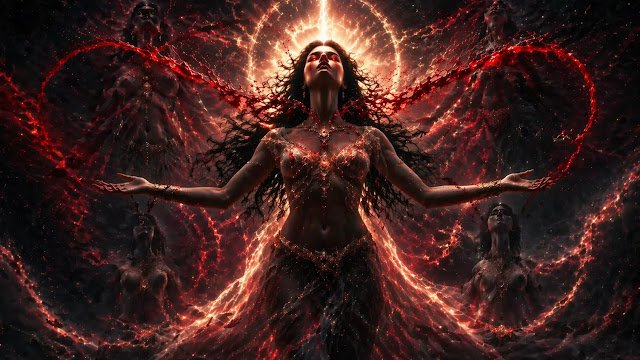
The story of Lilith as Adam’s alleged first wife is one of the most persistent and enigmatic tales in western folklore and mythology. For centuries, intrigue has surrounded the notion that before Eve was created from Adam’s rib, another woman was crafted alongside him from the very same earth. Popular culture, gothic fiction, and modern internet lore frequently present this narrative as a hidden biblical secret that was suppressed by ancient religious authorities.
However, an objective examination of historical texts, religious scripture, and comparative mythology reveals a far more complex reality. The figure of Lilith did not begin as a canonical biblical character, nor was her narrative static. Instead, she evolved across millennia—transmogrifying from an ancient Mesopotamian night spirit into a medieval Jewish folkloric figure, a demonized cautionary tale, and ultimately a modern symbol of female autonomy and feminist reinterpretation.
To truly understand the figure of Lilith, one must navigate through distinct layers of human history: canonical scripture, post-biblical midrashic folklore, medieval literary satire, and modern psychological analysis. Doing so allows us to separate historical facts from mythic tradition, dispelling unnecessary fear while appreciating the rich cultural evolution of this legend.
1. Historical Origins: From Mesopotamian Spirits to Biblical Texts
To trace the origin of Lilith, one must look long before the compilation of medieval Rabbinic texts. The character’s name is historically rooted in ancient Near Eastern mythology, specifically within Sumerian, Akkadian, and Assyrian folklore.
Ancient Mesopotamian Roots
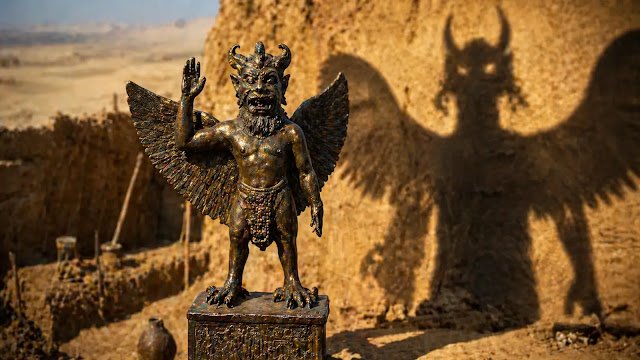
In documented Mesopotamian texts dating back to the third millennium BCE, words such as Lilitu, Lilu, and Ardat Lili referred to a class of female wind and storm spirits associated with darkness, wilderness, and night. These entities were not portrayed as individual human wives, but rather as wild, untamed spirits associated with desolate places, barrenness, and nocturnal terror in ancient folk belief.
The Hebrew Bible (Tanakh)
Contrary to popular claims on social media, the name “Lilith” does not appear as a human character or as Adam’s wife anywhere in the canonical Book of Genesis or the canonical Hebrew Bible. The single occurrence of the word liyliyth in the Hebrew Bible appears in Isaiah 34:14. In the context of Isaiah’s prophecy regarding the desolation of Edom, the text describes wild desert creatures inhabiting ruined lands:
“The wild beasts of the desert shall also meet with the wild beasts of the island, and the satyr shall cry to his fellow; the night creature (liyliyth) also shall rest there, and find for herself a place of rest.”
In this historical context, scholars note that liyliyth refers either to a nocturnal bird (such as a screech owl) or a wilderness spirit of folk legend, rather than a former human resident of the Garden of Eden.
2. The Legend of Adam’s First Wife: Folklore & Core Narrative
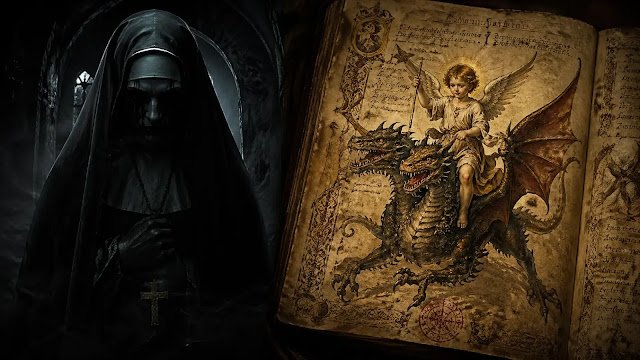
How did an ancient Mesopotamian night spirit come to be identified as Adam’s first wife? The explicit story of Lilith being created alongside Adam originates much later—primarily in a medieval text titled The Alphabet of Ben Sira (written between the 8th and 10th centuries CE).
The Double Creation Reconciliation
Early Rabbinic commentators noticed a narrative nuance in the Book of Genesis. Genesis 1:27 states that God created human beings male and female simultaneously (“male and female He created them”), whereas Genesis 2:22 describes the creation of Eve from Adam’s rib after he was already formed. To reconcile these two distinct creation accounts, early folklore traditions suggested that Genesis 1 referred to an initial creation before Eve.
The Narrative in ‘The Alphabet of Ben Sira’
Label: Folklore & Cultural Belief
In The Alphabet of Ben Sira, a folkloric narrative was crafted to explain this biblical detail. According to this narrative:
- Equal Creation: God formed both Adam and Lilith at the same time from the dust of the earth. Because she was created from the exact same earth as Adam, Lilith considered herself fully equal to him.
- The Conflict: When Adam demanded authority and submission in their relationship, Lilith refused, asserting that as equals created from the same clay, neither should dominate the other.
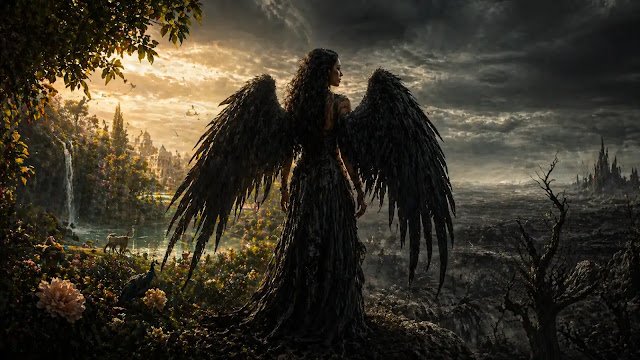
- The Ineffable Name & Flight: Rebuffing Adam’s insistence, Lilith uttered the explicit, unspoken name of God (the Ineffable Name), gained supernatural power, grew wings, and fled the Garden of Eden toward the Red Sea.
- The Three Angels: Adam complained to God that his companion had abandoned him. God dispatched three angels—named Sanvi, Sansanvi, and Semangelaf—to bring her back. They found her in the desolate region of the Red Sea.
- The Refusal and Curse: Lilith refused to return to Adam. According to the legend, the angels warned her that a hundred of her demonic offspring would perish daily if she did not obey. In response, Lilith vowed to hold power over newborn infants, but swore that whenever she saw the names or images of those three angels on an amulet, she would spare the child.
Following Lilith’s departure, the story recounts that God created Eve from Adam’s rib, ensuring a companion formed directly from his body to maintain relational unity within the traditional context of that historical literature.
3. Demonization, Succubi, and Historical Context
Over the centuries following the early Middle Ages, the myth of Lilith expanded rapidly across European and Near Eastern folklore, becoming intertwined with medieval demonology, Kabbalistic texts (such as the 13th-century Zohar), and local superstitions.
Evolution into Night Entities
In medieval Jewish mysticism and European folk belief, Lilith was transformed into the ultimate nocturnal figure—frequently depicted as a succubus (a night spirit believed to visit sleeping men) and the symbolic mother of harmful spirits. She was blamed for mysterious night ailments, distressing dreams, and unexplained domestic misfortunes.
Folklore as an Explanation for Medical Unknowns
Label: Historical & Psychological Context
To understand why communities embraced these frightening stories, one must examine the medical reality of past eras. Prior to modern medical science, germ theory, and pediatric research, infant mortality rates were tragically high. Conditions such as Sudden Infant Death Syndrome (SIDS), neonatal infections, and maternal complications during childbirth were common and poorly understood.
Attributing sudden, unexplainable tragedies to a legendary entity like Lilith served a psychological function: it provided a visible narrative for incomprehensible grief. Families hung protective amulets inscribed with the names of the three angels (Sanvi, Sansanvi, Semangelaf) over cradles. These rituals provided grieving or anxious parents with a tangible sense of agency and comfort during a time when medical interventions were limited.
4. Myth vs. Reality: Sociological and Modern Reinterpretations
When analyzing the legend of Lilith today, it is essential to distinguish between historical texts, medieval allegories, and modern cultural reinterpretations.
Patriarchal Allegory in Historical Context
From a sociological perspective, scholars view the medieval tale of Lilith as a reflection of the societal norms of the period in which it was written. In patriarchal medieval societies, a character like Lilith—who asserted independence, rejected authority, and chose exile over submission—was framed as a cautionary tale. Her transformation into a demon reflected societal anxieties regarding female independence and boundary-breaking behavior.
Modern Feminist and Literary Reclaim
In the 19th and 20th centuries, writers, poets, and feminist scholars began re-reading the Lilith legend through a critical lens. Rather than viewing her as a harmful demon, modern interpretations framed Lilith as a symbol of self-determination, equality, and courage. In this context, Lilith represents the refusal to accept unequal treatment, transforming her from a medieval villain into an archetype of independence and autonomy.
Modern Internet Rumors & Pop Culture
Label: Modern Internet Claims
Today, sensationalized internet articles, dark-web mythology, and horror entertainment frequently present Lilith as a literal queen of dark magic or a secret historical entity. These modern claims treat medieval literary folklore as literal historical fact, often feeding into unnecessary anxiety and sensationalism for dramatic effect.
FACT BOX: Myth vs. Reality
- Myth: Lilith is a historical character mentioned as Adam’s first wife in the Genesis Bible.
Reality: The Book of Genesis makes no mention of Lilith. Her story as Adam’s first wife originated centuries later in medieval Rabbinic folklore (specifically The Alphabet of Ben Sira). - Myth: Lilith was erased from the Bible as part of an ancient conspiracy.
Reality: The concept of Lilith as a woman created with Adam did not exist when the Hebrew Bible was compiled; it evolved later as midrashic literature and folk tradition. - Myth: Sudden infant deaths in history were caused by ancient curses or demonic attacks.
Reality: Infant deaths were caused by medical conditions, infections, and SIDS, which ancient societies explained through folkloric legends before modern medicine existed. - Myth: Lilith is a scientifically verified entity or source of literal dark magic.
Reality: Lilith is a figure of mythology, folklore, and literary symbolism, not a entity established by empirical science or historical documentation.
5. Practical Mindset: Calm Understanding & Fear Management
In the digital age, exposure to dark mythology, occult claims, and sensational stories about demonic entities can occasionally provoke genuine fear, nighttime anxiety, or unnecessary distress, particularly for sensitive individuals.
Cultivating Rationality and Calm
It is important to remember that sensationalized occult stories on the internet often rely on psychological shock value to gain clicks and attention. Recognizing that figures like Lilith are mythological constructs developed over thousands of years helps neutralize irrational fear.
Addressing Sleep Disturbances and Night Anxiety
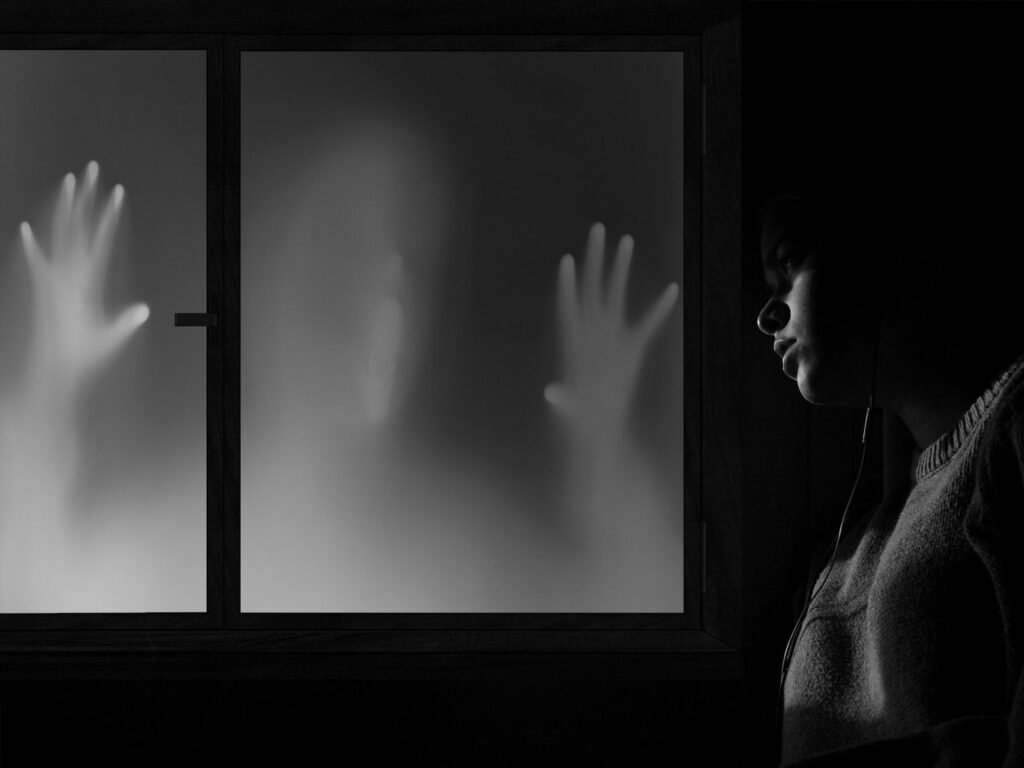
When people report feeling unnatural terror, sleep paralysis, or disturbing nightmares—phenomena historically blamed on nocturnal spirits like succubi—modern medical science offers clear, non-supernatural explanations:
- Sleep Paralysis: A well-documented physiological state where the mind wakes up while the body remains temporarily paralyzed in REM sleep, often accompanied by vivid hypnagogic hallucinations.
- Stress and Anxiety: High stress levels, irregular sleep schedules, and consuming frightening digital content before sleep directly trigger vivid nightmares and sleep disruptions.
- Practical Steps: Maintaining good sleep hygiene, reducing screen time before bed, avoiding sensationalist content, and practicing relaxation techniques effectively resolve most nocturnal sleep distress.
If persistent anxiety, sleep disruptions, or feelings of dread significantly affect your daily life, it is advisable to seek support from qualified mental health professionals or medical practitioners rather than turning to superstitious remedies.
FAQ
Q1. Is Lilith mentioned in the Christian or Jewish Bible?
The name “Lilith” does not appear as a human being or as Adam’s wife in the canonical Bible. The single reference in the Hebrew Bible (Isaiah 34:14) uses the word liyliyth to describe a desert creature or night bird inhabiting desolate ruins, not a woman in the Garden of Eden.
Q2. Where does the story of Lilith being Adam’s first wife actually come from?
The specific story of Lilith being created from dust alongside Adam and fleeing Eden originates in The Alphabet of Ben Sira, a medieval Jewish text composed between the 8th and 10th centuries CE. It was further expanded in later medieval mystical traditions such as the Zohar.
Q3. Why did ancient people use amulets against Lilith?
Before modern medicine, sudden infant deaths (such as SIDS) and maternal illnesses were medically unexplained. In folk tradition, people attributed these tragedies to Lilith and hung protective amulets inscribed with the names of three legendry angels (Sanvi, Sansanvi, Semangelaf) over infant cradles for psychological reassurance.
Q4. How is Lilith viewed in modern times?
In modern culture, Lilith is viewed in various ways: literary scholars treat her as a figure of medieval folklore; modern feminist movements often view her symbolically as an archetype of independence and equality; and entertainment media uses her as a character in gothic fiction and horror literature.
Q5. Should anyone be afraid of dark folklore or Lilith myths today?
No. Lilith is a mythical figure created through centuries of human storytelling and folklore. Understanding the historical context behind these legends removes the mystery and fear, allowing them to be viewed objectively as literary and cultural history.
Disclaimer
This article is an objective, factual analysis of history, comparative mythology, cultural folklore, and literature. It is provided strictly for educational and analytical purposes. The information presented here does not constitute medical, mental health, legal, or spiritual advice. Unexplained anxiety, sleep paralysis, or severe fear should be evaluated by qualified medical or mental health professionals.