Bollywood Illuminati: Decoding Viral Rumors and Pop-Culture Myths
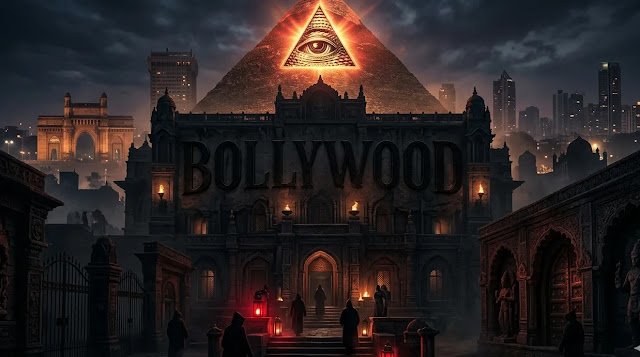
In the digital age, few internet topics generate as much intrigue as secret societies controlling popular entertainment. The term "Bollywood Illuminati" routinely trends across social media platforms whenever an Indian celebrity achieves sudden global recognition, performs at international red-carpet events, or poses in stylized fashion shoots featuring edgy symbolism.
Search queries regarding an alleged "Illuminati members list in India" or hidden occult signals in Hindi cinema have accumulated millions of views on short-video platforms and forums. When public figures reach immense levels of fame, wealth, and social influence, speculative fan theories often emerge to explain their meteoric rise. But is there any factual basis to these claims, or are they simply viral folklore amplified by internet algorithms?
To evaluate the phenomenon objectively, we must analyze three distinct layers: the documented historical origins of the Illuminati, the artistic use of symbolism in media, and the modern online conspiracy claims surrounding Indian cinema.
What Is the Illuminati? Documented History vs. Modern Lore
To understand how Bollywood became intertwined with secret society rumors, it is essential to first separate documented history from pop-culture mythology.
Historically, the Illuminati was not a shadowy media network operating out of modern film studios. It was an Enlightenment-era secret society founded on May 1, 1776, in Bavaria (present-day Germany) by Adam Weishaupt, a professor of canon law. The original group, known as the Bavarian Illuminati, was established to promote secularism, rationalism, free thought, and republican ideals while opposing religious influence in public life and state abuses of power.
However, the original Bavarian Illuminati was short-lived. In 1784 and 1785, Karl Theodor, the Elector of Bavaria, issued edicts banning all secret societies. Under government pressure and internal dissent, the order dissolved entirely by the late 18th century, and its members dispersed. Historians agree that the historical Bavarian Illuminati ceased to exist over two centuries ago.
In contemporary pop culture, however, the word "Illuminati" has evolved into a global catch-all umbrella term. It is used by conspiracy theorists to describe an alleged global elite that secretly influences financial markets, geopolitical events, and mass media. This modern pop-culture concept bears almost no relation to Weishaupt's original 18th-century rationalist society.
Symbols and Secret Signs: Occult Art vs. Creative Styling
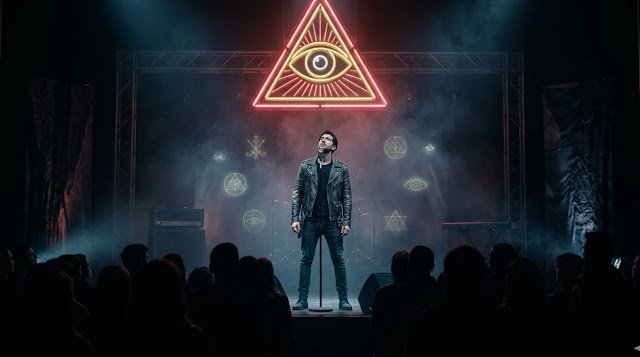
Central to any discussion about secret societies in entertainment is the interpretation of visual symbols. Online sleuths frequently analyze magazine covers, music videos, and celebrity photoshoots, citing specific motifs as supposed proof of secret allegiances:
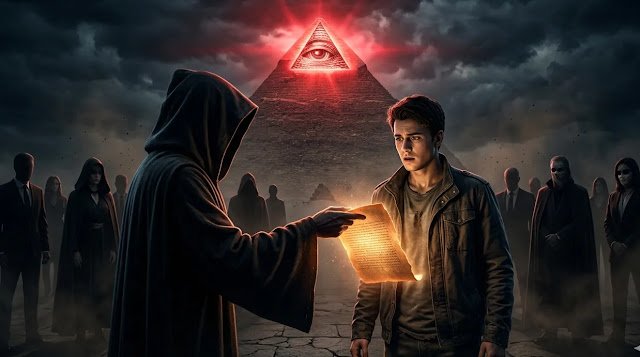
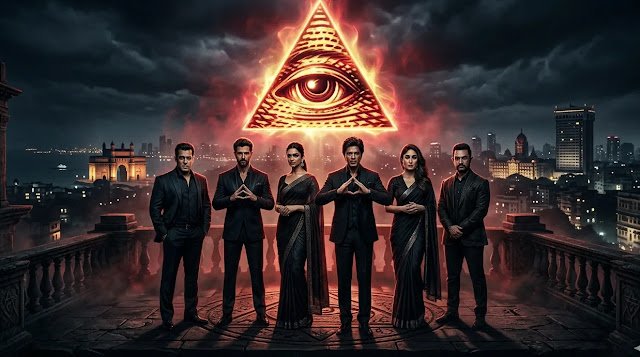
- The Eye of Providence (All-Seeing Eye): Historically an icon representing divine providence in Christian art and later adopted by Freemasonry, this motif is now heavily associated in popular culture with secret surveillance or elite control. When a celebrity covers one eye or poses with an isolated eye graphic, theorists claim it is a subtle signal.
- Pyramid and Triangle Gestures: Geometrical shapes have been used in classical architecture and sacred geometry for millennia. In modern media, forming a triangle with fingers is routinely interpreted by theorists as a sign of hierarchical power.
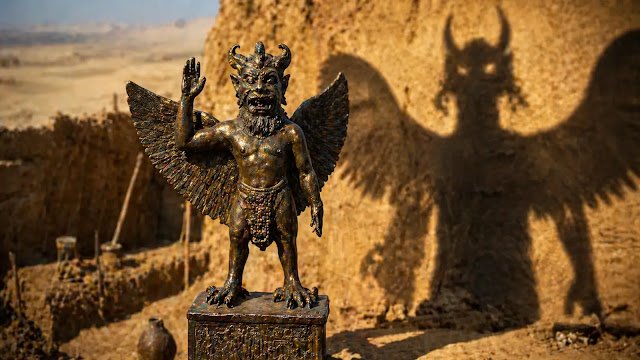
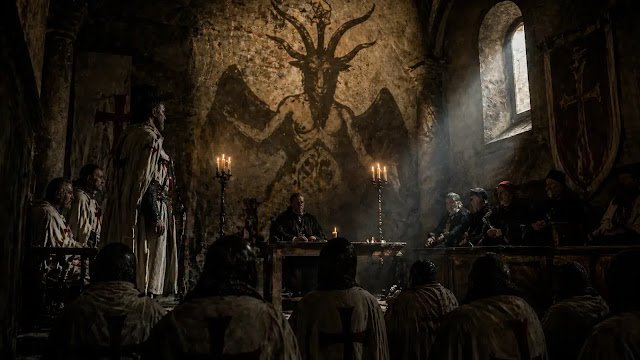
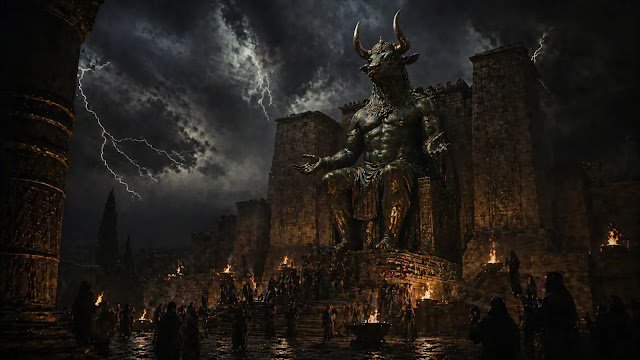
- Gothic and Occult Aesthetics: Dark lighting, checkerboard floors, dramatic costumes, and esoteric themes in award shows or cinematic sets are often labeled by online commentators as "occult practices."
From an artistic and commercial perspective, media producers and creative directors offer a far more practical explanation. These visual elements are widely recognized design tropes used to evoke mystery, drama, high-fashion sophistication, and visual impact. In high-stakes entertainment marketing, provocative visuals are intentionally designed to grab attention and generate discussion in saturated feeds.
The India & Bollywood Angle: Celebrity Rumor Culture and Social Media
Why has the concept of the Bollywood Illuminati taken such a strong hold in India? The convergence of massive celebrity fandom, rapid internet proliferation, and the sheer cultural weight of Indian cinema creates an ideal environment for conspiracy narratives to spread.
1. Global Expansion and Rapid Success
When top Indian actors, musicians, and directors achieve massive global crossover success—signing major international endorsements, collaborating with foreign artists, or attending prestigious worldwide fashion galas—speculation sometimes follows. Unfounded online narratives claim that such unprecedented reach must require backing from secret international networks, overlooking decades of talent development, strategic branding, and industry investment.
2. The Viral Mechanics of "Members Lists"
Iterative lists titled "Illuminati Members in India" regularly circulate on social video platforms. These viral videos often group together high-profile A-list actors, major music composers, influential film producers, and trending social media figures. These compilations rely entirely on selective video screenshots—such as an actor making a common hand gesture during a live interview or posing creatively in an advertisement. No verified, official, or documented member list exists. These lists function primarily as speculative clickbait designed to drive views and audience comments.
3. Cinema as a Cultural Influence Engine
Indian cinema is undeniably one of the most powerful influence engines in South Asia, shaping fashion trends, lifestyle choices, music preferences, and societal attitudes. Because cinema holds such immense cultural influence, conspiracy theories naturally emerge suggesting that shadowy forces must be directing the medium from behind the curtain. In reality, film production studios operate strictly within commercial market dynamics, responding to audience demand, box-office trends, and advertising revenues.
FACT BOX: Historical Reality vs. Pop-Culture Rumors
- Historical Fact (1776): The Illuminati was a real Enlightenment-era Bavarian group founded by Adam Weishaupt that dissolved in the 1780s.
- Modern Myth: An active secret society secretly controls global entertainment industries, including Bollywood.
- Visual Symbols: Symbols like the All-Seeing Eye or Pyramid have varied historical origins (Christian art, classical geometry, Freemasonry) and are now standard high-fashion design tropes.
- Celebrity Lists: Online lists detailing "Illuminati members in India" are completely unverified, crowdsourced fan speculations driven by social media algorithms.
Myth vs. Reality: A Clear Comparison
To clarify the distinction between popular internet narratives and objective facts, consider the following comparison:
- Claim: Bollywood celebrities use specific hand gestures to signal membership in a secret elite society.
Reality: Performers and models use a variety of artistic poses guided by fashion photographers and directors to create visually engaging media. - Claim: A hidden organization decides which Indian actors achieve super-stardom.
Reality: Star power and box-office longevity are determined by talent, industry networking, commercial viability, audience engagement, and marketing budgets. - Claim: Occult symbolism in music videos is evidence of secret rituals.
Reality: Music video directors regularly incorporate dark, gothic, or surrealist art direction to stand out aesthetically in a competitive market.
Critical Thinking in the Age of Digital Algorithms
When analyzing sensational topics on the internet, practicing digital literacy and critical thinking is essential. Social media algorithms are engineered to prioritize high-engagement content, and mystery theories naturally trigger human curiosity. Recognizing the difference between artistic expression, celebrity branding strategies, and speculative rumors allows readers to enjoy pop culture without falling prey to unverified claims.
FAQ
Is there any documented proof of an Illuminati presence in Bollywood?
No. There is no verified, documented, or official evidence showing that the Illuminati or any similar secret society operates within Bollywood or the Indian film industry. All such claims remain online conspiracy speculation.
Are online lists of "Illuminati Members in India" real?
No. Lists circulating on social media platforms are fan-made compilations based on selective screenshots, artistic poses, and assumptions. They carry no official weight or factual verification.
Why do Indian celebrities sometimes use symbols like the single eye or pyramid pose?
These poses are common stylistic choices in fashion photography, visual arts, and performance styling. Designers and directors utilize dramatic imagery to create memorable visual content, rather than to convey hidden societal signals.
Did the historical Illuminati ever operate in India?
No. The historical Bavarian Illuminati operated strictly within central Europe during the late 18th century before being dissolved by government decree around 1785.
Does Bollywood cinema influence public opinion through secret agendas?
Bollywood influences public culture, fashion, and trends because of its massive reach as a mainstream entertainment medium. However, this influence is driven by commercial storytelling, creative artistic decisions, and market trends, not secret society dictates.
Disclaimer: This article is strictly an educational and analytical exploration of popular internet culture, media symbolism, and historical facts. It does not endorse unverified accusations, hate speech, or defamatory claims against individuals or institutions. Readers are encouraged to evaluate online content critically.
Disclaimer
This article is for entertainment and analytical discussion of history, symbolism, and conspiracy claims. It does not endorse hate, unverified accusations against individuals, or occult practices as secret power. Readers should verify claims independently and treat celebrity “member lists” as rumor unless supported by documented evidence.