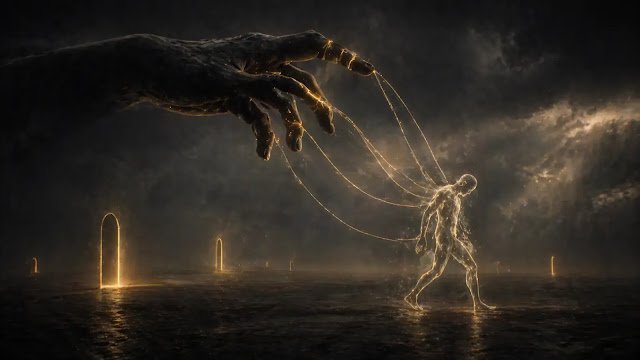
In South Asian cultural discourse, terms like black magic (kala jadu) and vashikaran frequently evoke feelings of mystery, apprehension, and intense debate. From street-side advertisements promising quick remedies for lost love to online forums advertising protection from unseen enemies, a multi-million dollar industry thrives around these esoteric concepts. While many people casually treat these terms as interchangeable forms of occult practice, traditional texts, folkloric history, and modern psychology draw sharp distinctions between them.
To understand the topic of black magic vs vashikaran, one must look beyond sensationalized claims and analyze the underlying intentions, cultural belief systems, and real-world psychological dynamics at play. While both categories are viewed with ethical caution in traditional philosophy, their supposed mechanics differ fundamentally: one is associated with destructive intent and harm, whereas the other revolves around psychological control, attraction, and behavioral influence.
This comprehensive analysis examines the cultural history, folklore claims, psychological reality, and sensible protective practices surrounding both concepts, providing a clear and balanced perspective free from fear-mongering.
Origin, History, and Cultural Roots
To evaluate these concepts objectively, it is helpful to categorize their existence across historical texts, traditional folklore, and modern interpretations.
Documented History and Ancient Texts
Esoteric practices and symbolic rituals have existed in virtually every human civilization. In South Asia, historical references to protective chants, symbolic rituals, and herbal practices can be traced back to ancient texts such as the Atharvaveda. Over centuries, these traditions evolved alongside various esoteric systems known collectively as Tantra. While academic scholarship recognizes Tantra primarily as a complex system of spiritual discipline and meditation, popular culture gradually absorbed its ritualistic aspects into local folk belief systems.
Folklore and Cultural Categorization
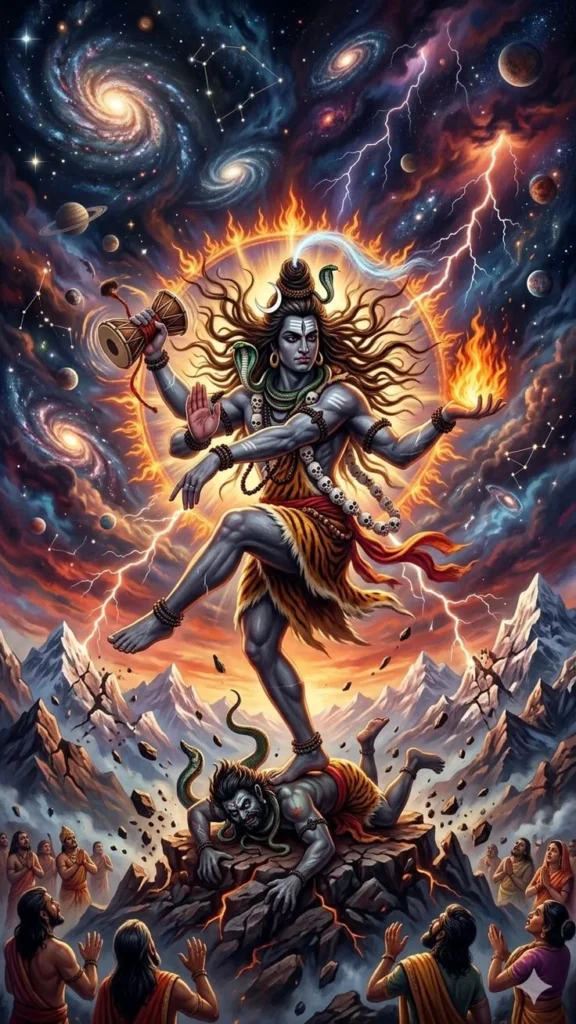
Traditional folklore separated esoteric rites based on their intended outcome and moral alignment. Rites associated with physical healing, agricultural productivity, or community protection were categorized positively. Conversely, rituals intended to inflict suffering were labeled as dark or malevolent arts. Within medieval folk manuals, practices were often classified into six esoteric actions (Shatkarma). In this folkloric taxonomy, vashikaran was classified under rites meant for attraction or subjugation, while destructive rituals fell under categories aimed at causing illness, alienation, or ruin.
Core Claims & Folklore: Differentiating Intent and Energy
Note: The following points represent traditional folklore, cultural claims, and anecdotal reports rather than scientifically verified phenomena.
1. Fundamental Intention
- Black Magic: In folk narratives, black magic is driven purely by malice, jealousy, or revenge. The primary objective is to cause physical harm, severe illness, financial ruin, or domestic collapse to a targeted individual or family.
- Vashikaran: The word combines Sanskrit roots implying control or influence. Folklore defines vashikaran as an attempt to bend an individual’s willpower to fulfill the practitioner’s desires—such as forcing an estranged partner to return or influencing an authority figure—without necessarily seeking their physical destruction.
2. Perceived Energy and Methodologies
- Black Magic: Traditional stories describe black magic as relying on inherently hostile and destructive energies. Rituals in folklore are said to involve symbolic objects, localized curses, and negative invocations aimed at creating disruption.
- Vashikaran: Folklore portrays vashikaran as a targeted form of subtle mental manipulation. It typically involves specific sound patterns (mantras), geometric diagrams (yantras), or charged items intended to influence the target’s subconscious mind and compromise their free will.
3. Alleged Outcomes in Popular Belief
- Black Magic: Believers attribute sudden, unexplained health deterioration, persistent bad luck, unexplained business failure, or extreme household conflict to black magic intervention.
- Vashikaran: Folklore suggests that a person subjected to vashikaran exhibits sudden behavioral shifts, an inability to make independent choices, obsessive attachment, or uncharacteristic compliance toward a specific individual.
Myth vs. Reality: Psychological and Critical Perspectives
Modern science, clinical psychiatry, and empirical research do not support the existence of supernatural curses or magical mind control. When individuals report symptoms commonly attributed to black magic or vashikaran, medical professionals and skeptics identify well-documented psychological mechanisms:
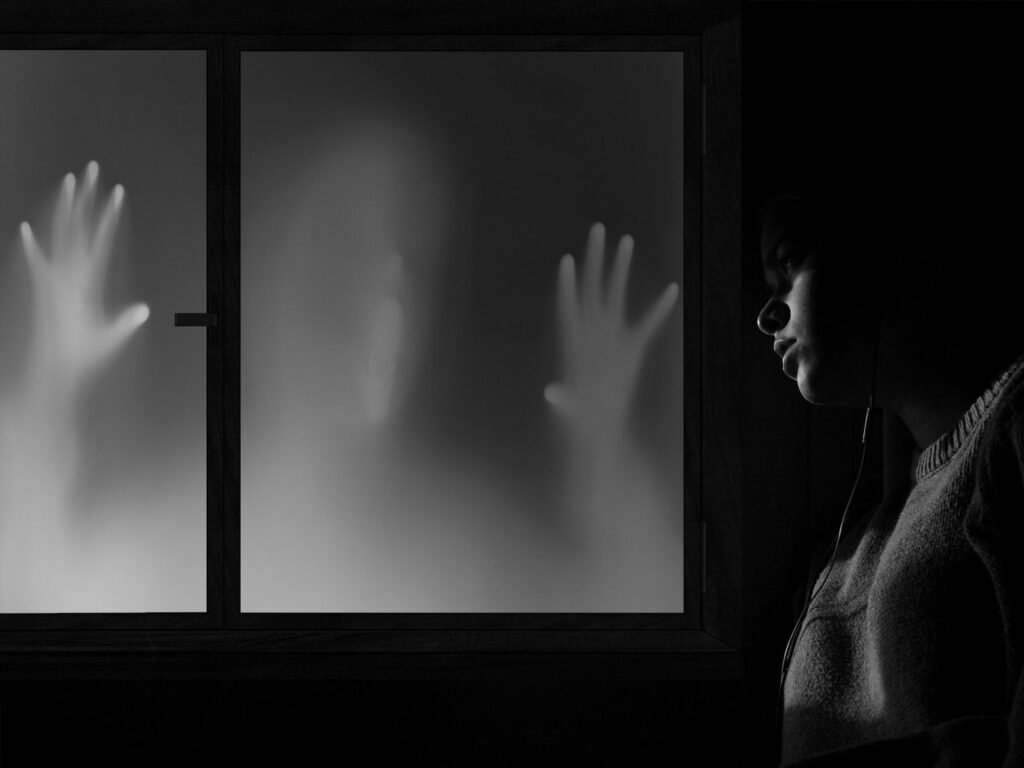
- The Nocebo Effect and Autosuggestion: Just as positive belief can improve physical well-being (the placebo effect), intense fear and superstition can produce real physical symptoms (the nocebo effect). If a person firmly believes they are cursed or under a spell, their heightened anxiety can trigger chronic insomnia, severe fatigue, panic attacks, and gastrointestinal distress.
- Confirmation Bias: Life naturally involves periods of financial loss, relationship distress, and health challenges. When individuals are pre-conditioned by fear, they may link ordinary, unfortunate life events to supernatural causes while overlooking logical factors such as economic conditions, stress, or lifestyle habits.
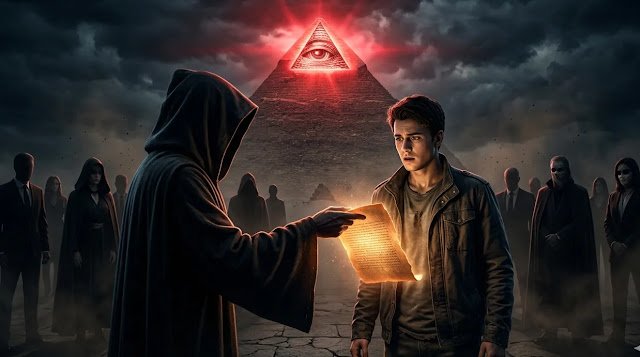
- Exploitative Fraud and Scams: Fraudulent practitioners often exploit vulnerable people going through personal crises. By convincing anxious clients that their marital or financial problems stem from an external curse or require immediate vashikaran, scammers extract large sums of money through intimidation and false promises of guaranteed fixes.
FACT BOX: Myth vs. Reality
- Myth: Black magic or vashikaran can magically alter physical reality or force someone to fall in love.
Reality: There is no scientific evidence supporting external supernatural control over human actions; these experiences are explained by psychology and cognitive bias. - Myth: Vashikaran is a harmless, harmless method to fix a failing relationship.
Reality: Attempting to violate another person’s free will is ethically problematic, and commercial offers promising instant love control are documented scams. - Myth: Sudden fatigue, anxiety, or bad luck are definitive signs of an occult attack.
Reality: Unexplained physical or emotional distress usually stems from mental stress, poor sleep, burnout, or underlying medical issues requiring clinical care. - Myth: Only paid occultists or elaborate rituals can protect a person from negative influences.
Reality: Genuine protection comes from critical thinking, mental health care, personal willpower, and personal faith or mindfulness practices.
Protection and Practical Guidance: Faith, Lifestyle, and Calmness
Whether viewed through a traditional spiritual lens or a practical psychological framework, maintaining peace of mind requires a calm, balanced approach without relying on superstitious fear or commercial guarantees.
1. Spiritual and Faith-Based Practices
For individuals who draw comfort from religious traditions, spiritual practices serve as an effective means of bolstering internal resilience and mental focus:
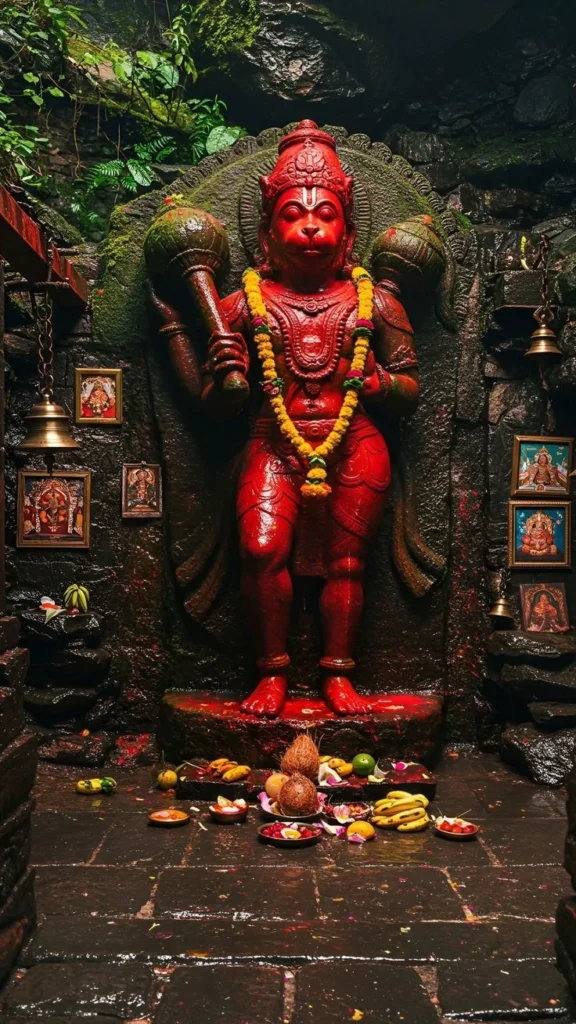
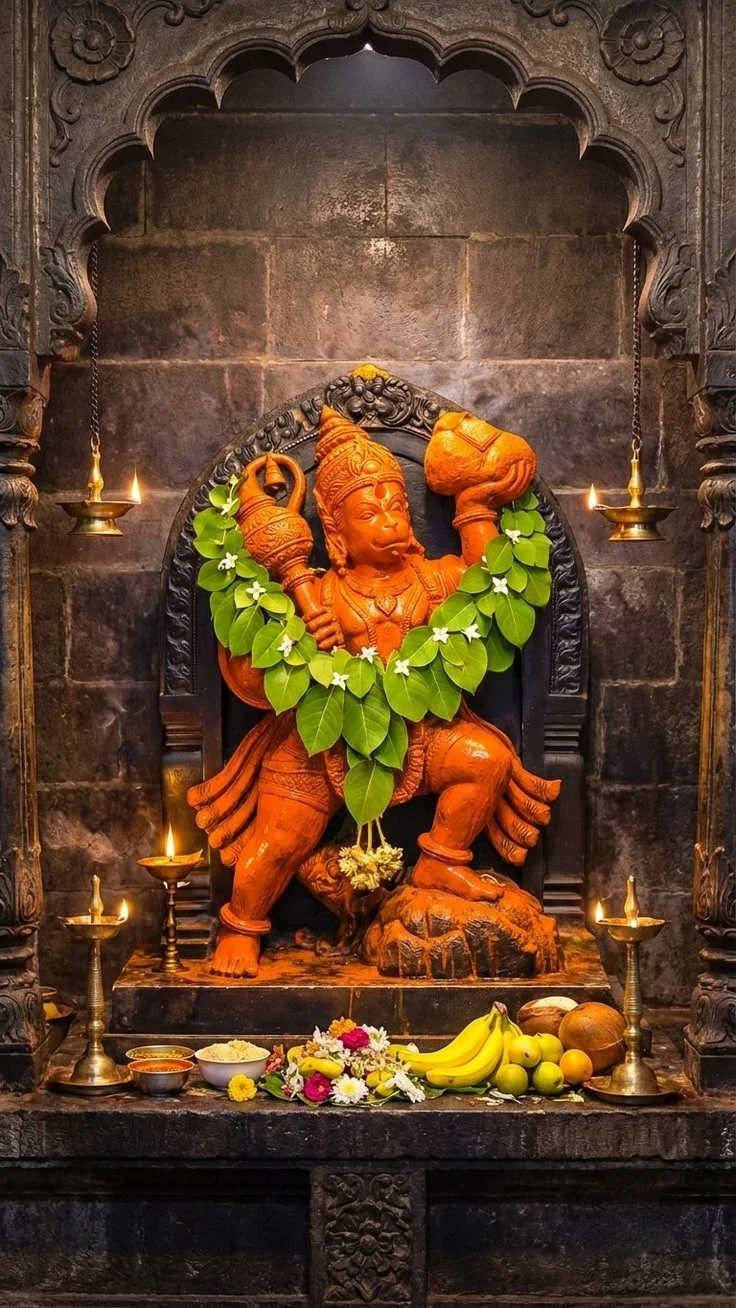
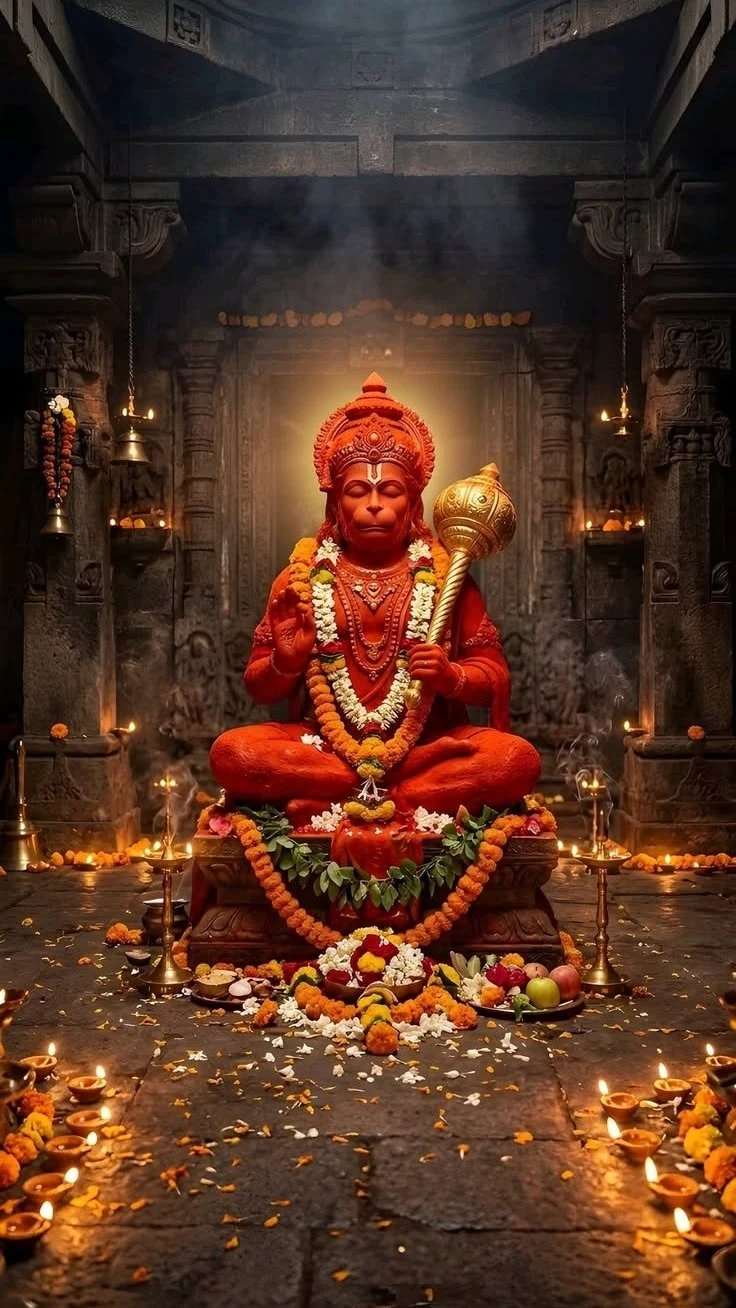
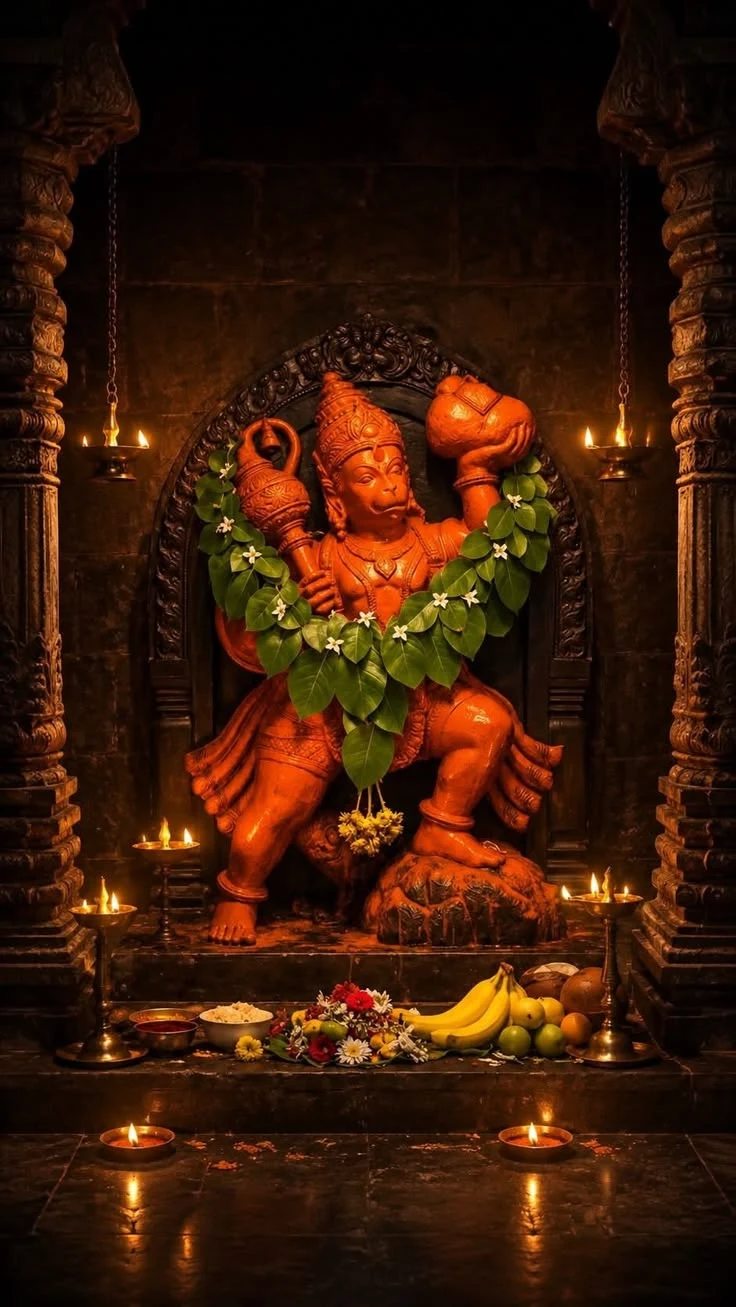
- Protective Prayers and Chants: Traditional South Asian practices emphasize uplifting prayers that foster courage and clarity. Recitations such as the Mahamrityunjaya Mantra (associated with health and peace), the Gayatri Mantra (focused on intellect and light), or the Hanuman Chalisa (recited for courage) help calm an anxious mind and reinforce positive energy.
- Meditation and Mindfulness: Daily meditation stabilizes the nervous system, strengthens self-awareness, and reduces vulnerability to panic or intrusive fears.
2. Practical Life Measures
- Maintain Skepticism toward Quick Fixes: Avoid individuals or services that guarantee instant ghost removal, love attraction, or magical financial solutions. Legitimate guidance never relies on fear tactics or financial extortion.
- Healthy Living Environment: A clean, organized, and well-lit living space promotes mental clarity. Practices such as using natural light, maintaining hygiene, and cultivating open family communication reduce domestic stress.
- Strengthen Mental Resilience: Recognize that personal decisions, emotional maturity, and physical health dictate life outcomes far more than external superstitions.
3. When to Seek Professional Support
If you or someone you know experiences overwhelming paranoia, persistent anxiety, severe sleep disturbances, or unexplained physical symptoms, consult a licensed healthcare provider or mental health professional. Medical evaluation and evidence-based counseling offer safe, effective solutions for underlying distress.
FAQ
What is the primary difference in black magic vs vashikaran?
In folk traditions, the fundamental difference lies in the intent. Black magic is viewed as a destructive practice aimed at inflicting direct harm, illness, or financial damage on a target. Vashikaran is categorized as a practice designed to control, influence, or attract a person, seeking to alter their willpower or behavior rather than destroy them physically.
Is there any scientific proof that vashikaran can control someone’s mind?
No. Modern psychology and science do not recognize vashikaran as a valid form of mind control. Reports of behavioral changes attributed to vashikaran are typically explained by psychological manipulation, interpersonal dynamics, emotional coercion, or cognitive bias.
Why do some people believe they are under a black magic curse?
Belief in curses often arises when unexpected life challenges—such as sudden illness, job loss, or marital conflict—occur simultaneously. Under high stress, human psychology tends to seek quick, singular explanations. Strong cultural belief combined with fear can lead individuals to attribute natural hardships to occult intervention.
Can spiritual chants help overcome fear of the occult?
Yes, from a psychological and faith perspective. Traditional prayers and meditation help reduce stress, lower anxiety, and instill a sense of safety and spiritual groundings. They function by promoting personal empowerment and emotional calm rather than acting as magical tools.
What should I do if someone demands money to remove a spell or perform vashikaran?
You should disengage immediately. Demanding money through fear, threats of curses, or promises of instant supernatural results is a hallmark of commercial fraud. Rely instead on rational problem-solving, open family dialogue, and professional healthcare services.
Disclaimer: This article provides historical, cultural, and educational analysis of folk concepts. It does not provide medical, legal, or occult advice, nor does it endorse belief in occult practices or guarantee supernatural outcomes. Readers experiencing health, psychological, or emotional distress should consult qualified healthcare and mental health professionals.