The human mind is highly sensitive to darkness, isolation, and unexplained environmental stimuli. In South Asian cultural contexts, when fear peaks and individuals feel an overwhelming sense of unease, they often search for a bhoot bhagane ka mantra (a chant to ward off ghosts or negative energies). While modern science attributes these fears to psychological triggers, sleep deprivation, or anxiety, traditional faith systems offer mantras as a psychological anchor to restore calm and confidence.
Historically, the fear of the unseen has existed across all civilizations. When people experience sudden panic, cold chills, or the sensation of being watched, they frequently look for spiritual remedies like bhut pret bhagane ke upay or ways to remove ghost fear. Understanding the distinction between cultural folklore, psychological mechanisms, and spiritual practices is essential to addressing these fears constructively without falling prey to superstition or fear-mongering.
In this analysis, we will explore the origins of protective chants, examine the psychological reasons behind the fear of ghosts, and discuss how traditional practices like the Hanuman Chalisa and specific mantras serve as tools for mental strength rather than magical cures.
Origin, History, and Cultural Roots
The practice of chanting protective verses has deep roots in ancient Indian texts. Documented historical scriptures, including the Atharvaveda, contain various hymns (suktas) and prayers meant to pacify natural forces, ease mental distress, and protect the household from negative influences. In ancient times, physical and mental illnesses were often poorly understood, leading communities to attribute them to unseen entities or planetary alignments (grahas).
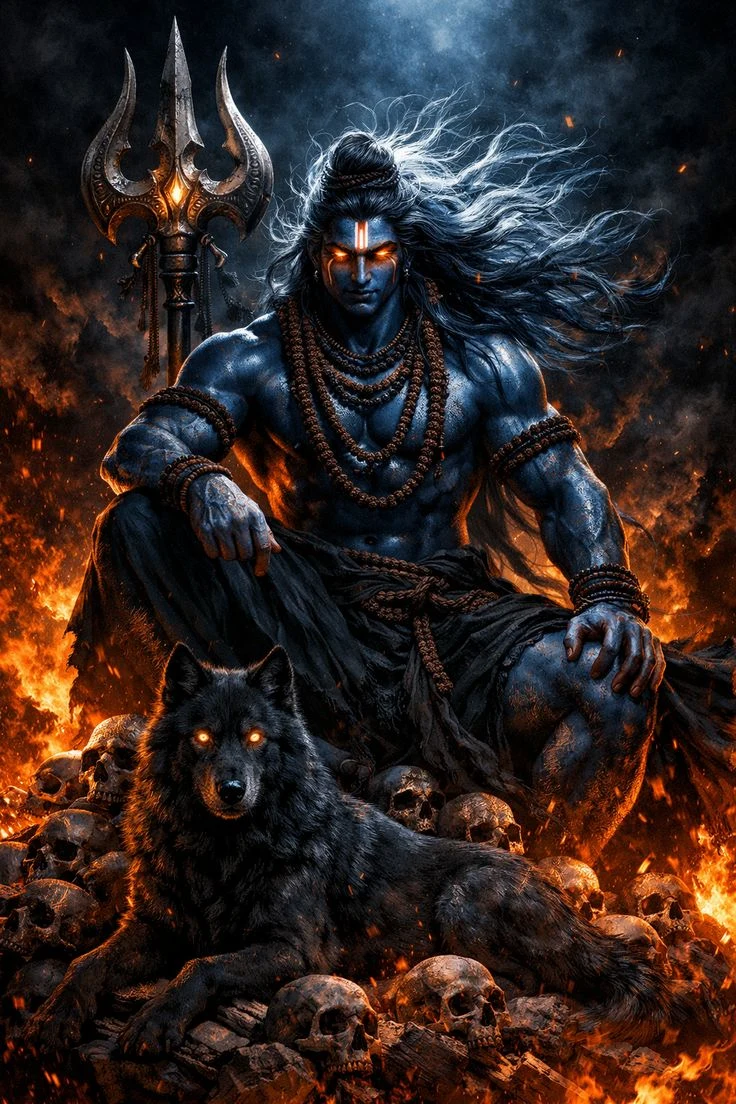
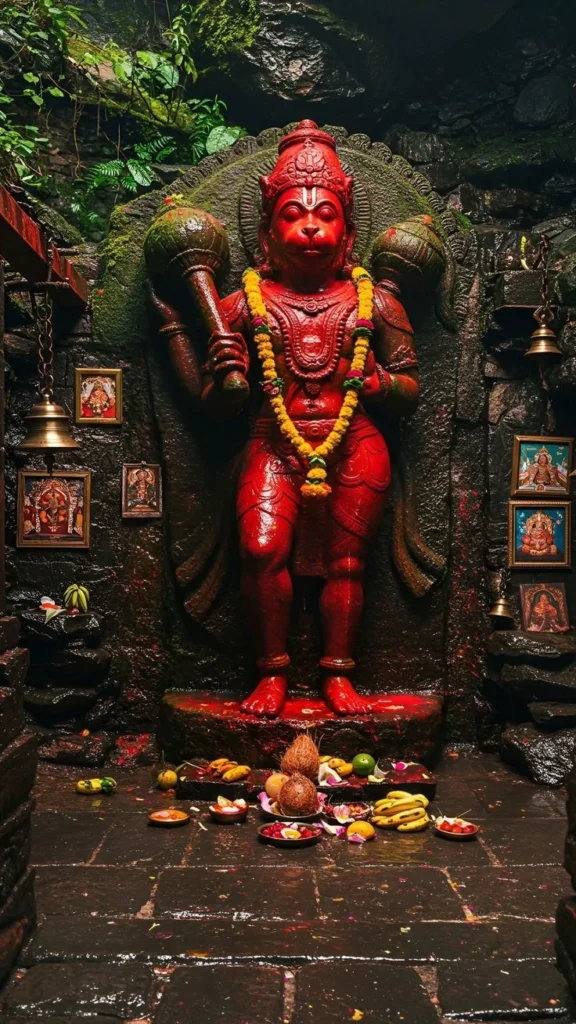
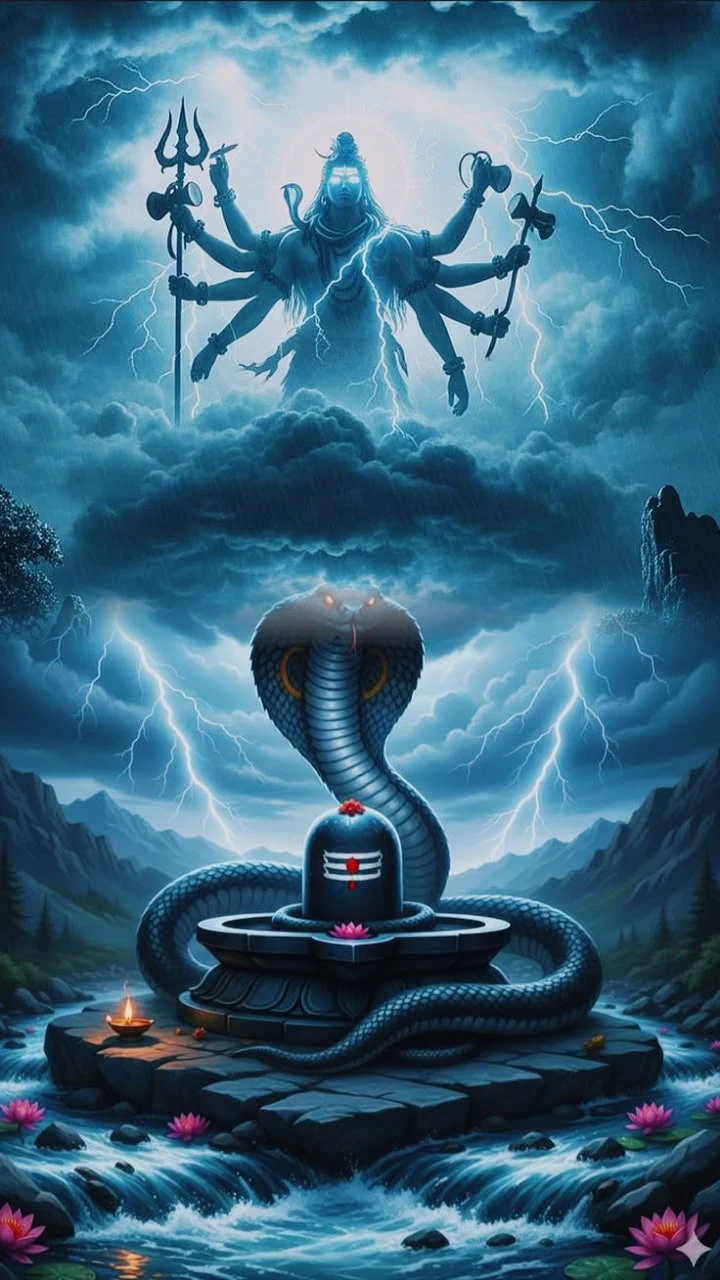
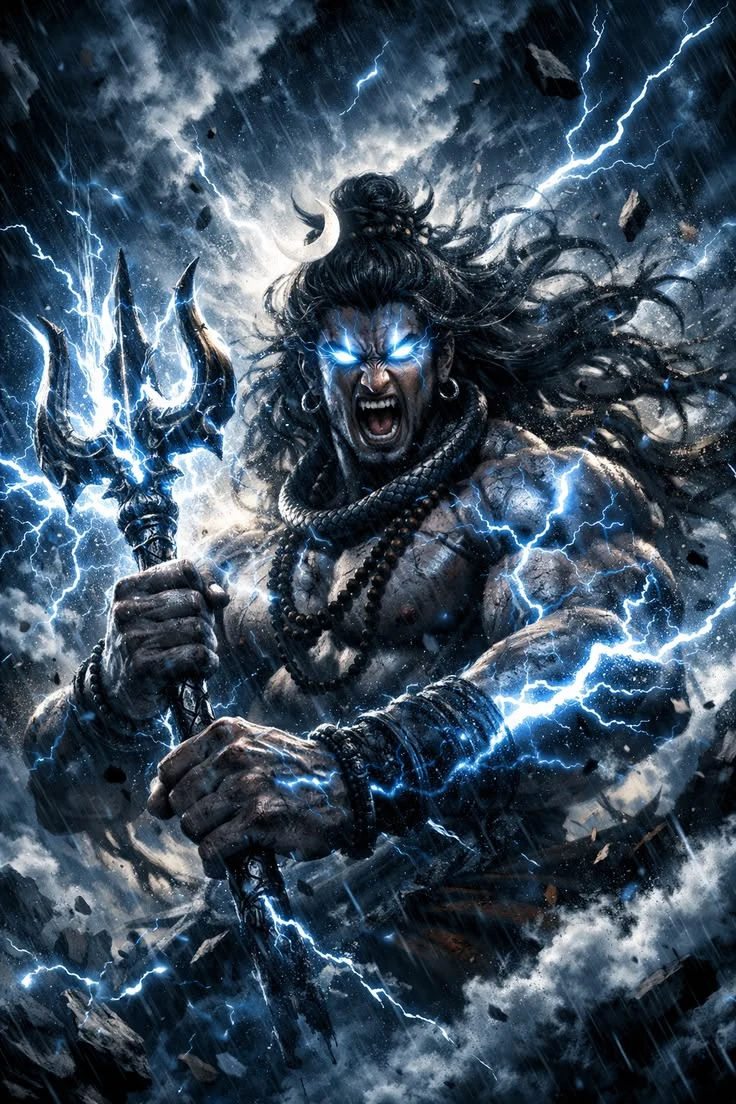
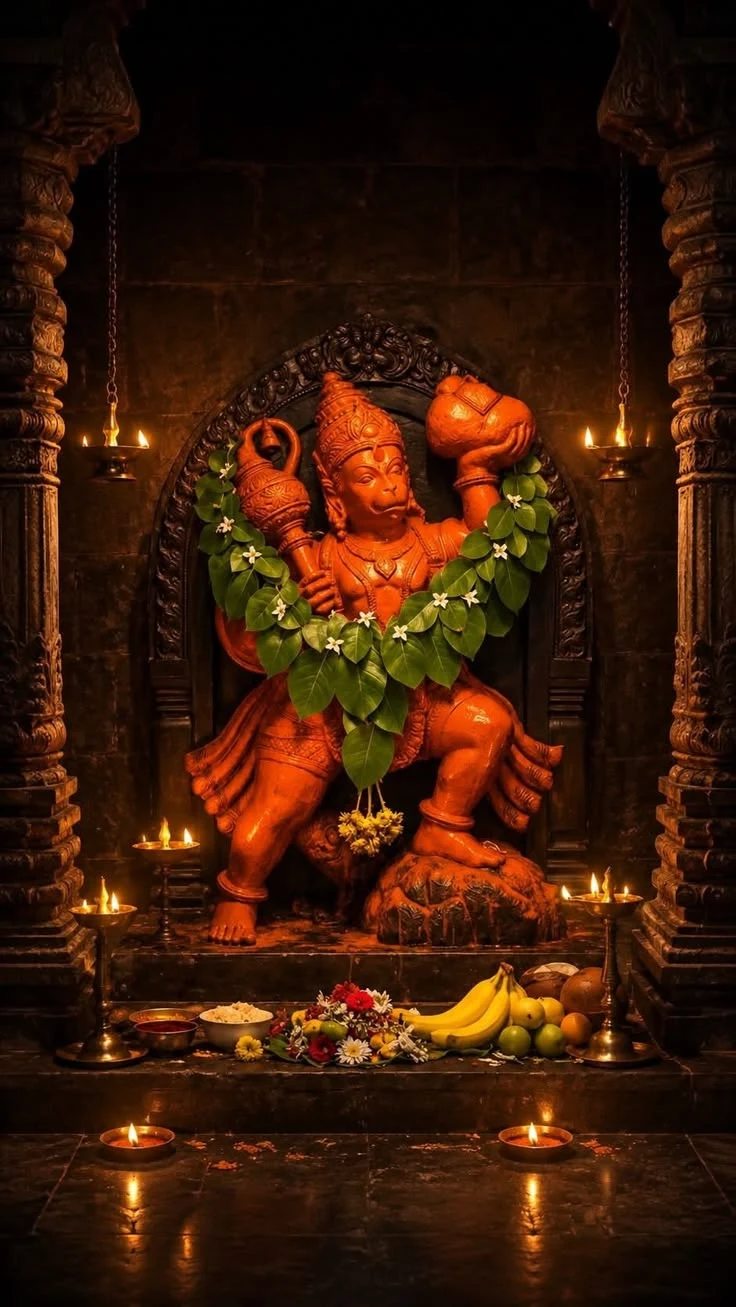
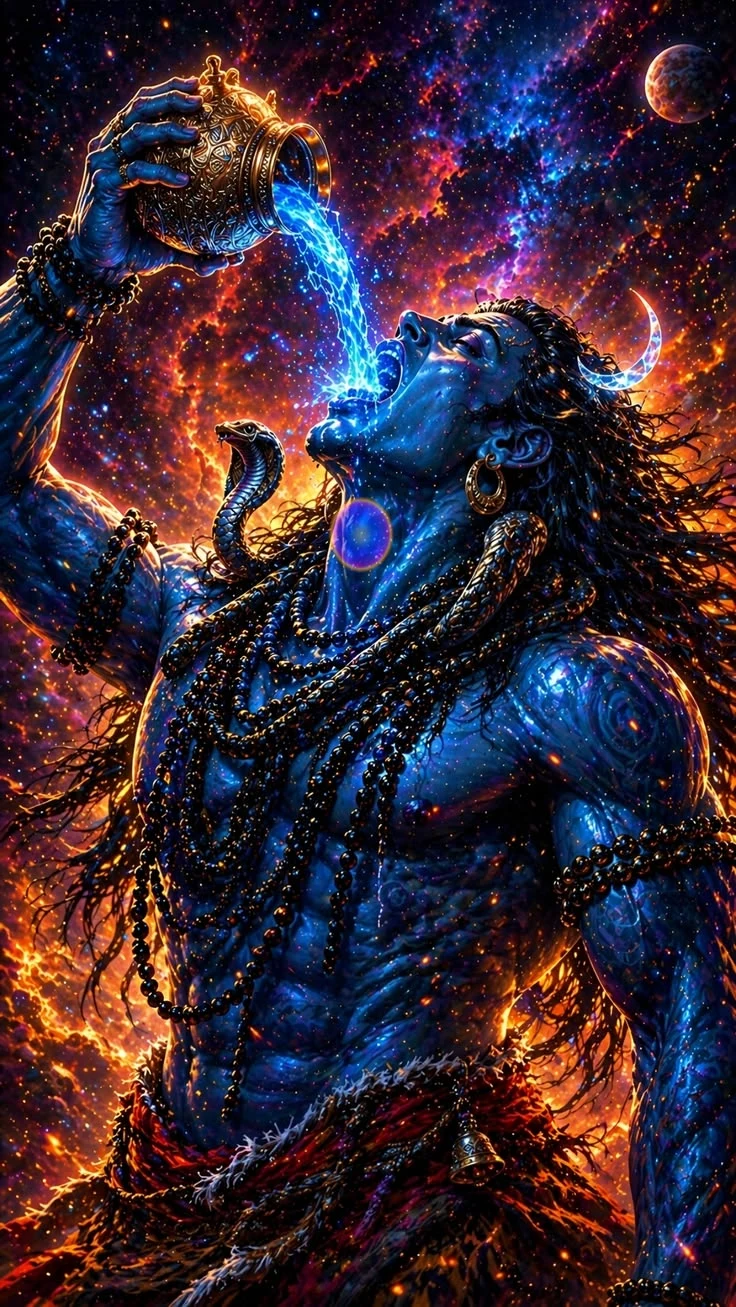
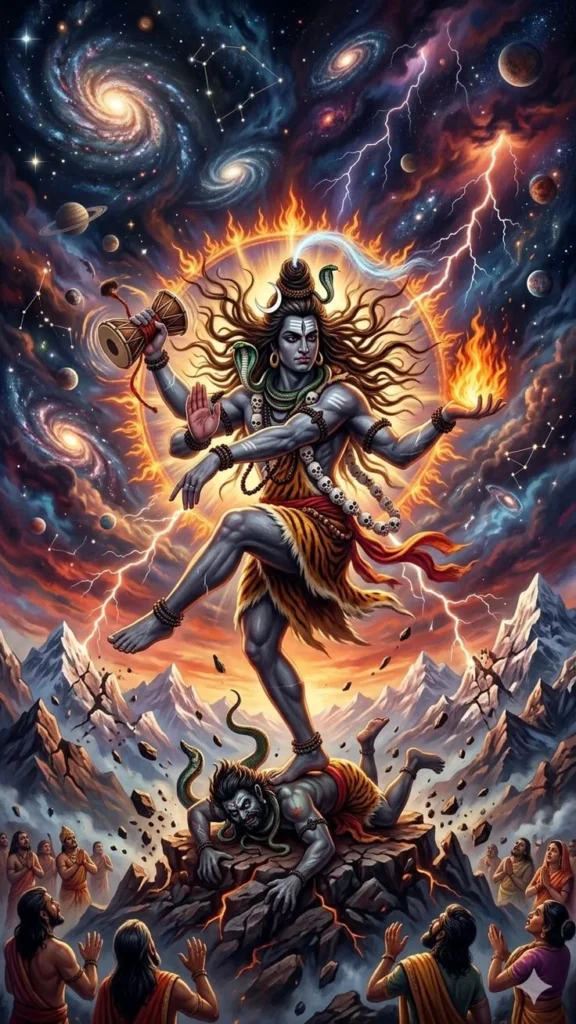
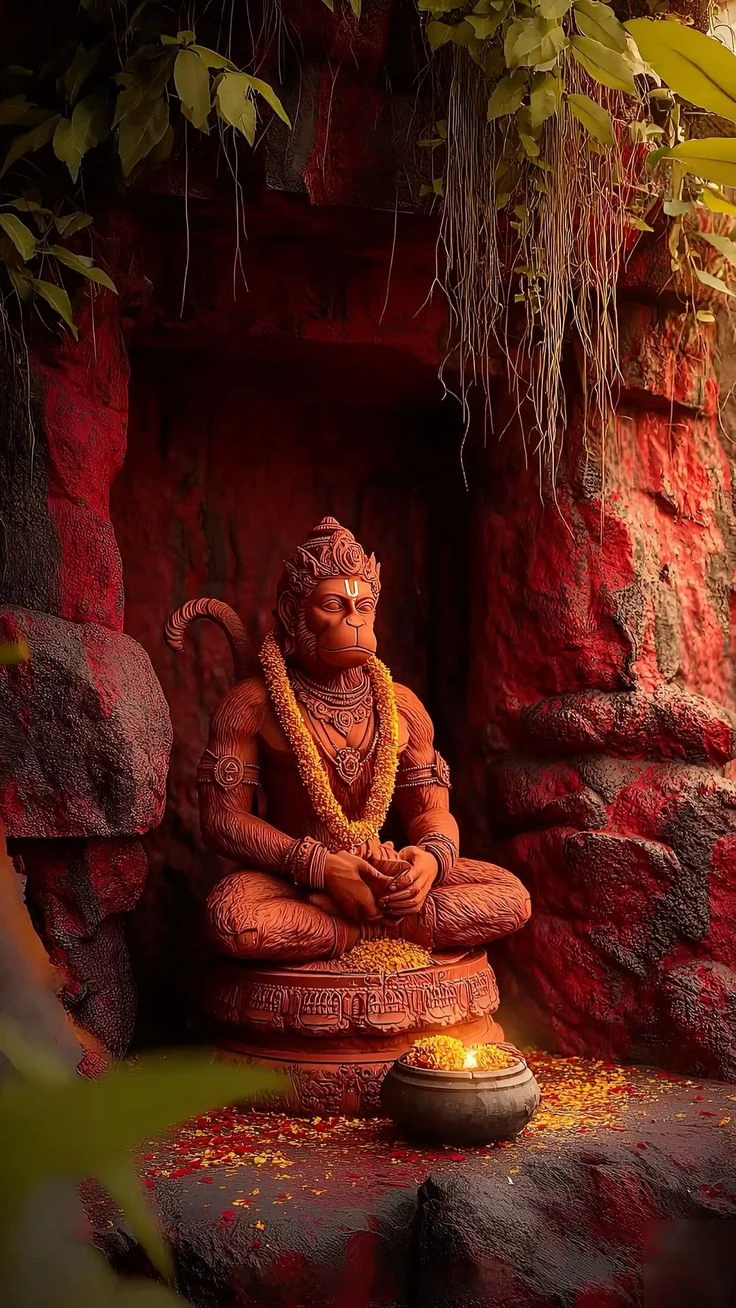
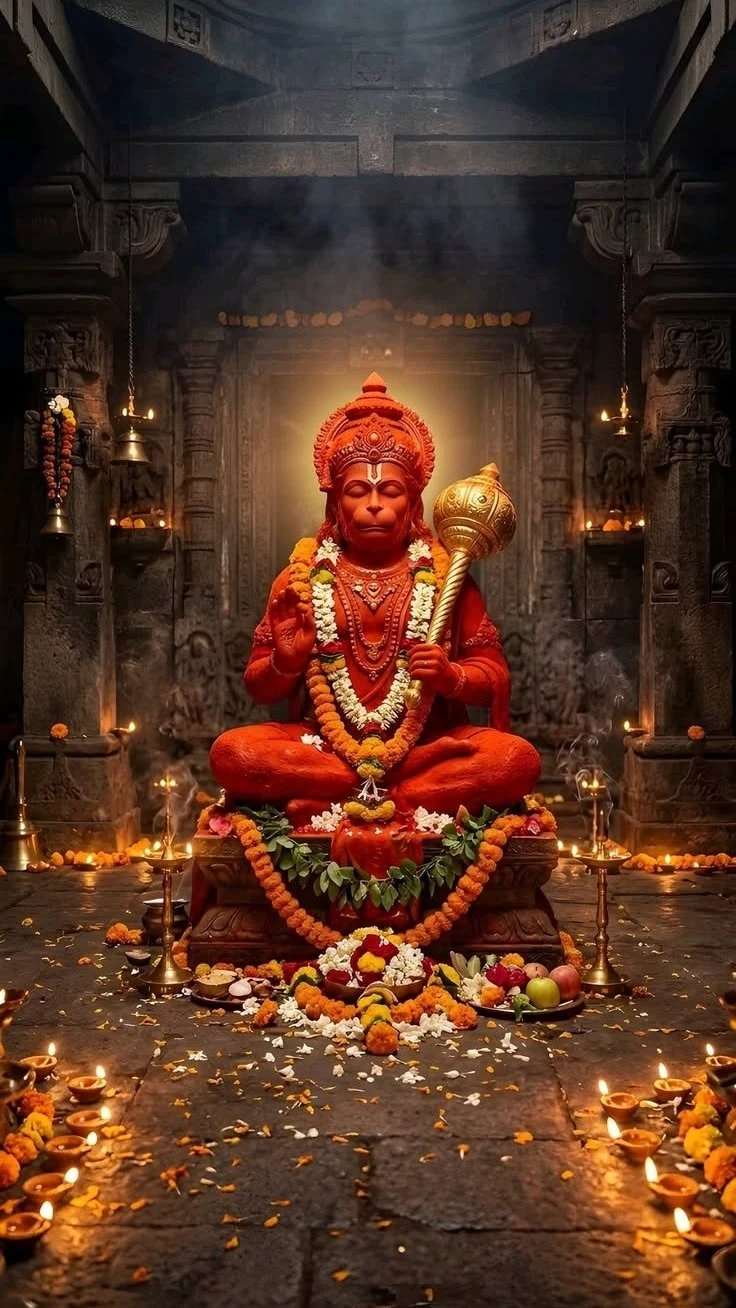
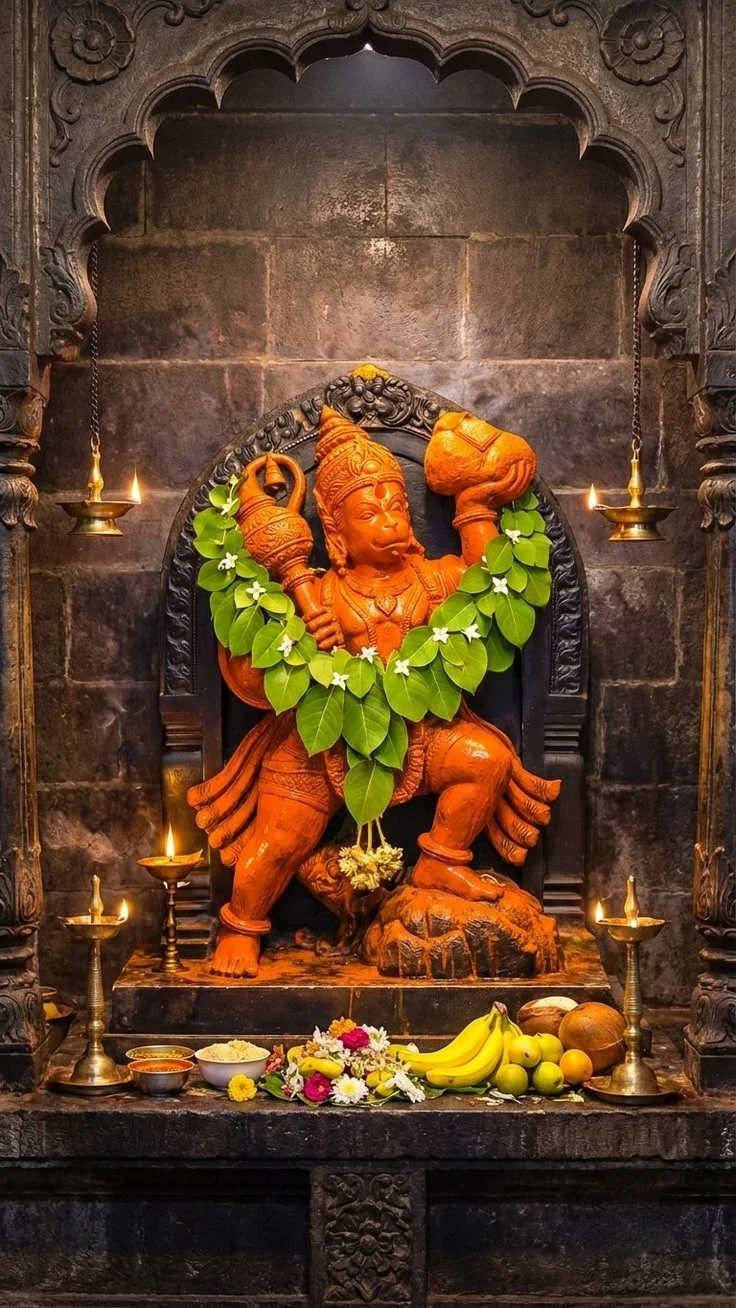
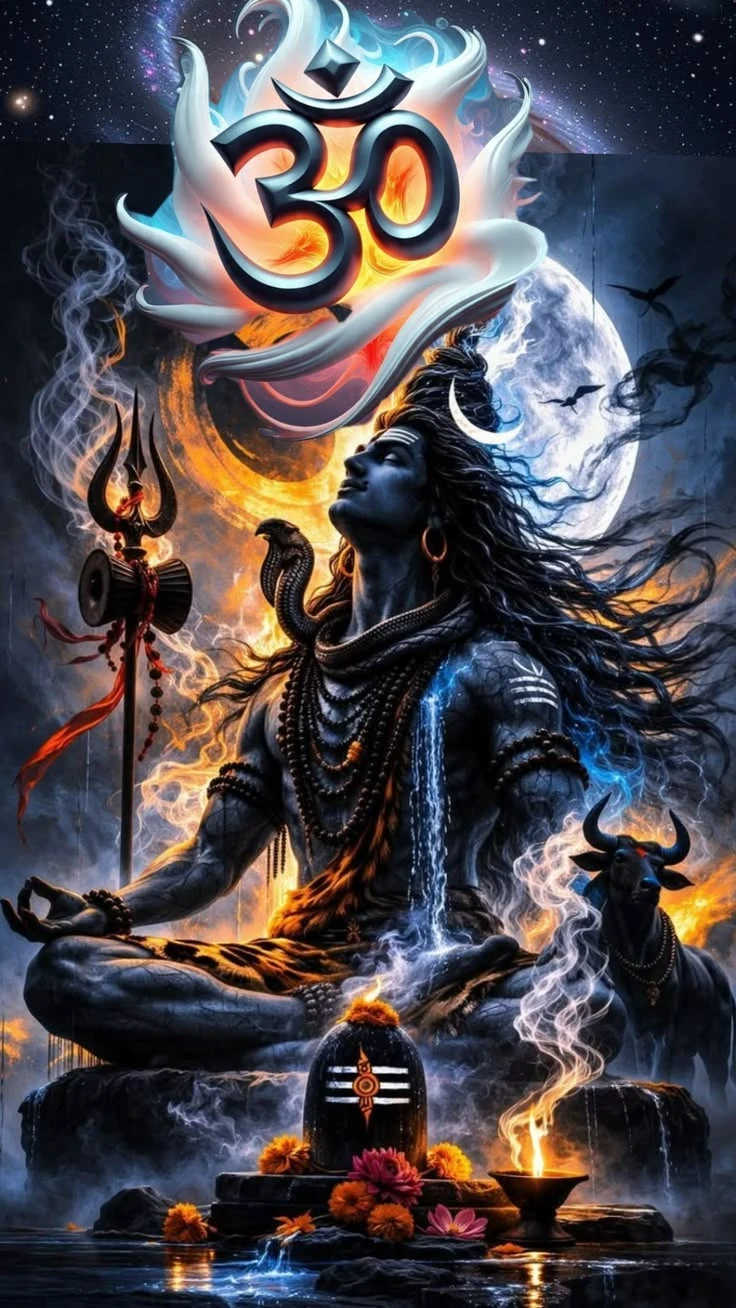
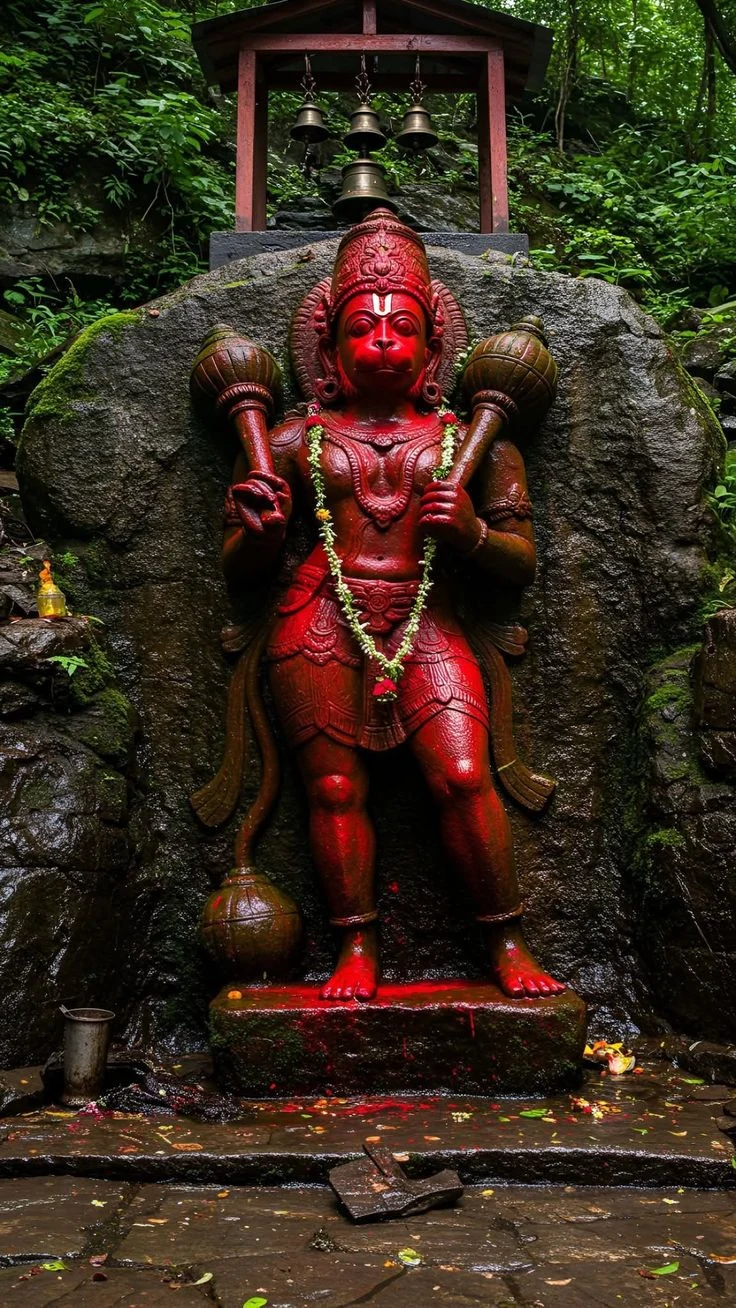
Over centuries, these Vedic and Puranic traditions evolved into popular folklore. Specific deities became associated with protection and courage. Lord Hanuman, Lord Shiva (in his fierce Rudra avatar), and Goddess Durga are traditionally invoked to dispel fear. The mantras associated with these deities were designed to be chanted with precise rhythm and breath control, which culturally was believed to purify the surrounding environment and psychologically helped the practitioner regain focus and composure.
Core Claims and Folklore
To analyze the subject of a bhoot bhagane ka mantra objectively, we must separate traditional beliefs from modern internet claims:
- Folklore and Cultural Beliefs: Traditional belief systems hold that sound vibrations possess energy. It is believed that chanting specific Sanskrit syllables creates a protective aura (Kavach) around an individual, making them resilient to external negative energies, malevolent spirits (such as bhuta, preta, or pishacha), and evil eye (nazar).
- Modern Internet Claims and Rumors: The digital space is filled with sensationalized claims promising “instant ghost removal” or “often described in folklore as helpful protection from black magic.” Many online platforms exploit fear by suggesting that simply playing a video or audio clip will permanently banish spirits from a household. These claims lack historical basis and are often designed to generate views or sell occult services.
The Traditional Protective Mantra
In traditional spiritual practices, the following mantra is often cited in classical texts as a powerful protective chant. It invokes the fierce energy of the divine to dispel fear, negative thoughts, and perceived external disturbances. Traditional practitioners emphasize that this mantra should be recited with a calm, clean, and focused mind to build inner strength.
“ऊँ ऐं ह्रीं श्रीं ह्रां ह्रीं ह्रूं ह्रैं ऊँ नमो भगवते महाबल पराक्रमाय भूत-प्रेत पिशाच-शाकिनी-डाकिनी यक्षणी पूतना मारी महामारी, यक्ष राक्षस भैरव बेताल ग्रह राक्षसादिकम् क्षणेन हन हन भंजय भंजय मारय मारय शिक्षय शिक्षय महामारेश्वर रुद्रावतार हुं फट् स्वाहा।”
In cultural practice, when an individual experiences sudden anxiety or fear in the dark, reciting this mantra (or even simpler chants like Om Namah Shivaya or the name of Lord Ram) is believed to ground the mind. The repetitive nature of chanting acts as a form of cognitive redirection, shifting the brain’s focus away from panic-inducing thoughts.
Myth vs. Reality: The Psychological Perspective
Why do we experience the fear of ghosts (bhoot ka dar), and how do mantras actually help? Modern psychology and neuroscience provide clear explanations for these phenomena:
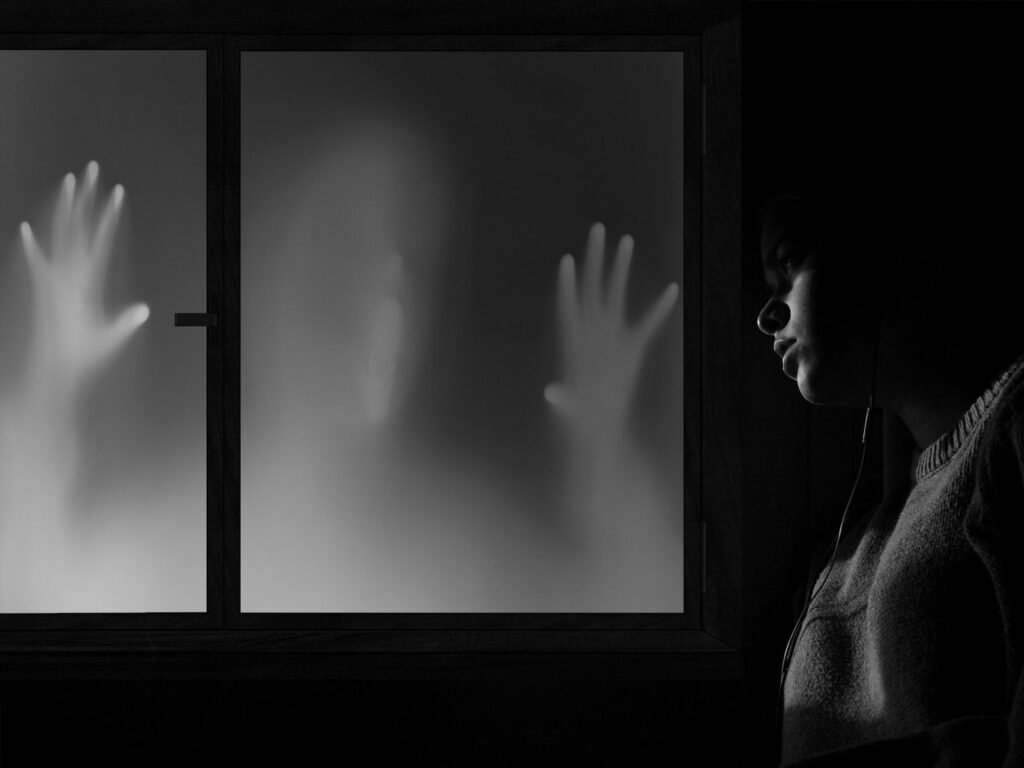
1. Pareidolia and Environmental Triggers: The human brain is wired to recognize patterns, especially human faces and figures. In low-light conditions, the brain tries to make sense of random shadows, rustling curtains, or creaking floorboards, often misinterpreting them as figures or movements. This is a survival mechanism known as pareidolia.
2. Hypervigilance and Stress: When a person is stressed, sleep-deprived, or anxious, their nervous system enters a state of hypervigilance. In this state, minor sensory inputs (like a sudden draft of wind or a drop in temperature) are magnified, leading to the belief that a “supernatural presence” is in the room.
3. The Power of Suggestion: Watching horror movies, reading scary stories, or listening to superstitious folklore conditions the subconscious mind. When alone or in the dark, the mind projects these stored memories outward, creating a false sense of dread.
4. Cognitive Redirection through Mantras: From a psychological standpoint, a bhoot bhagane ka mantra works as a cognitive behavioral tool. Chanting requires conscious effort, which disrupts the cycle of escalating fear. It regulates breathing, lowers the heart rate, and reassures the conscious mind, effectively neutralizing the physiological fight-or-flight response.
- Myth: Hearing strange noises at night always indicates the presence of a ghost or spirit.
- Reality: Most night noises are caused by thermal expansion of building materials, wind, small pests, or plumbing pressure.
- Myth: A mantra can physically vaporize or banish a supernatural entity instantly.
- Reality: Mantras work internally by calming the nervous system, reducing anxiety, and building mental resilience.
- Myth: Sudden cold spots in a room are definitive proof of paranormal activity.
- Reality: Cold spots are natural convection currents where warm air rises and cool air sinks, often near windows or drafts.
- Myth: Extreme fear and sleep paralysis require occult rituals or exorcisms.
- Reality: Sleep paralysis is a well-documented neurological transition state between sleep and wakefulness, best managed through sleep hygiene and stress reduction.
Practical Steps for Protection and Calm
If you or a loved one is struggling with persistent fear, anxiety, or sleep disturbances, a balanced approach combining cultural faith and practical lifestyle adjustments is highly recommended:
- Cultivate a Positive Environment: Keep your living spaces clean, well-lit, and properly ventilated. Natural light and fresh air significantly improve mood and reduce feelings of isolation.
- Practice Mindfulness and Meditation: Spend 10 to 15 minutes daily in silent meditation or deep breathing exercises. This strengthens the prefrontal cortex, helping you regulate emotional responses to fear.
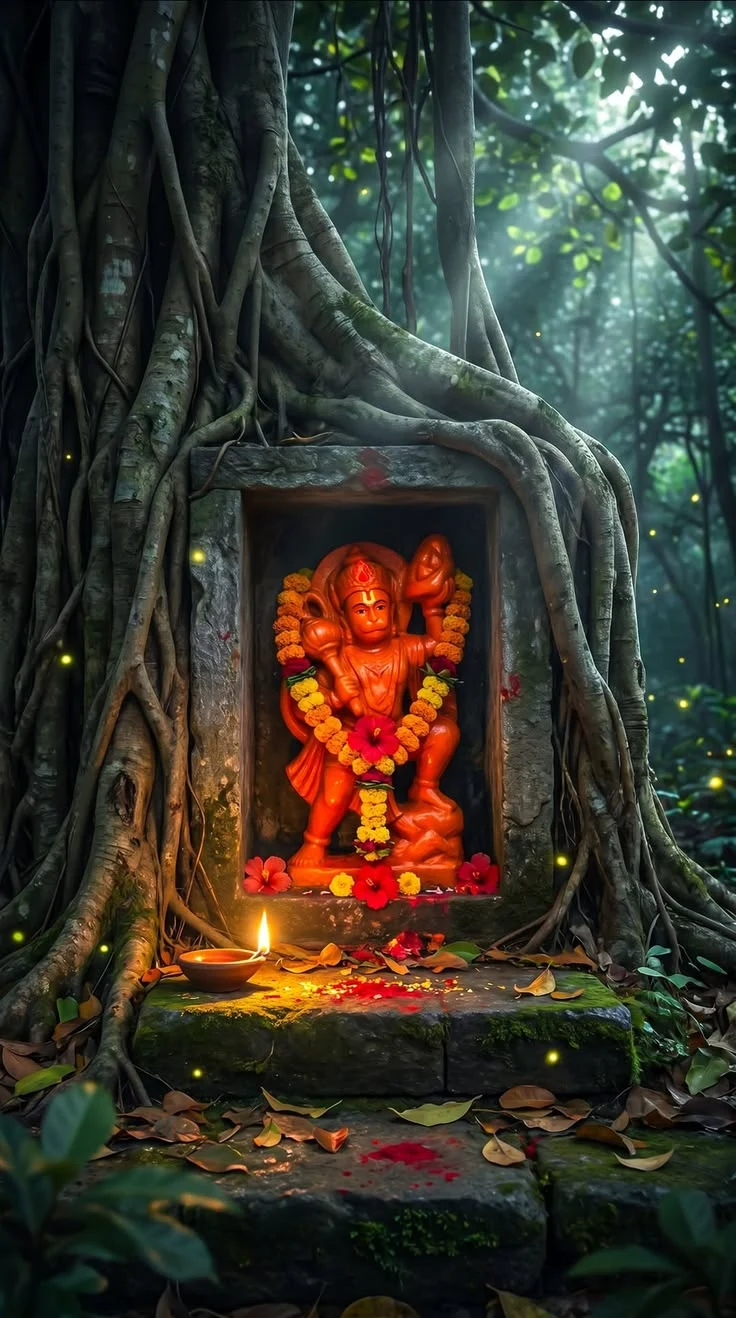
- Utilize Faith Practices Wisely: Reading the Hanuman Chalisa or chanting simple prayers can be immensely comforting. View these practices as tools for inner courage and mental peace, rather than magical shields.
- Limit Negative Media Consumption: Avoid watching horror movies, paranormal investigations, or reading sensationalized supernatural stories, especially close to bedtime.
- Prioritize Sleep Hygiene: Maintain a consistent sleep schedule. Lack of sleep severely impacts cognitive function, making you more susceptible to anxiety, paranoia, and sleep disturbances.
- Seek Professional Help: If fear, panic attacks, or insomnia persist and interfere with your daily routine, consult a licensed mental health professional or doctor. Persistent fear is often a symptom of underlying anxiety disorders that require professional medical care.
Traditional Bhoot Bhagane Ka Mantra (Devanagari)
Below is the traditional mantra verse kept in Devanagari. The syllables are not translated; English context surrounds cultural and psychological meaning.
FAQ
Q1. What is the primary purpose of a bhoot bhagane ka mantra?
The primary purpose of such mantras in cultural practice is to instill courage, reduce mental anxiety, and help the practitioner regain focus. It acts as a spiritual anchor to calm a panicked mind rather than serving as a scientifically proven tool to interact with physical entities.
Q2. Does reciting the Hanuman Chalisa help with fear?
Yes, in Hindu culture, the Hanuman Chalisa is highly revered as a prayer of strength and protection. Reciting it helps individuals feel connected to divine courage, which psychologically reduces the perception of fear and vulnerability.
Q3. Why do I feel a sudden sense of fear or a presence in the dark?
This is typically caused by hypervigilance, stress, or pareidolia (the brain’s tendency to find patterns in random visual or auditory stimuli). When the environment is dark and quiet, your brain becomes highly sensitive to minor sounds and shadows, creating the illusion of a presence.
Q4. Can mantras claims the absolute removal of negative energy?
No spiritual practice can offer a “100% claims” of removing external forces. Mantras are faith-based practices meant for personal spiritual alignment, mental strength, and peace of mind. They should be practiced alongside rational thinking and healthy lifestyle habits.
Q5. When should I consult a doctor instead of relying on spiritual remedies?
If you experience persistent panic attacks, auditory or visual hallucinations, chronic insomnia, or severe anxiety that disrupts your daily life, you should seek help from a medical doctor or mental health professional immediately. These are medical concerns that require scientific diagnosis and treatment.
Disclaimer: This article is intended solely for educational, historical, and cultural analysis. The discussion of mantras, folklore, and traditional beliefs does not constitute medical, psychological, legal, or occult advice. No claims of efficacy are provided for spiritual practices. Readers are encouraged to verify claims independently and to seek professional medical or mental health support for any persistent fear, anxiety, or health concerns.