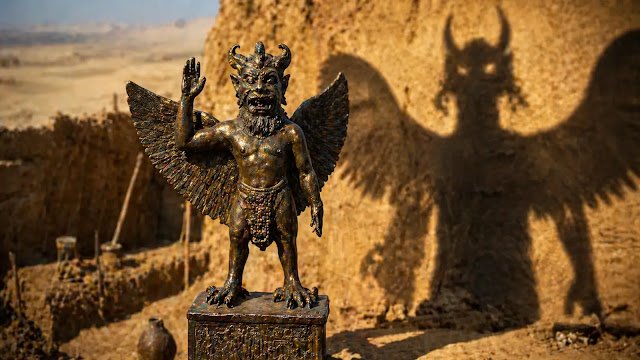
In recent years, internet search trends and dark web mystery forums have seen a massive surge in searches surrounding the term baal demon. Whispers of ancient curses, hidden occult forces, and black magic rituals have fueled widespread online anxiety. Many curious searchers frantically query forums asking whether Baal is a real malevolent entity released from hell, or whether this figure is the product of centuries-old cultural shifts that transformed a worshipped divinity into an infamous nightmare.
When viewed through the lens of historical analysis, archaeology, and comparative mythology, the true history of the baal demon is far more complex than any viral horror story. Rather than a simple tale of demonic terror, the evolution of Baal reveals how religious rivalries, political transformations, and medieval demonology texts merged across millennia to reshape an ancient king into a dark lord of folklore.
This article conducts a comprehensive analysis of the Baal narrative, breaking down documented archaeology, biblical demonization, medieval grimoires, and modern internet claims to separate historic fact from mythological fearmongering.
Origin and History: The Ancient Near Eastern Deity
To understand how the concept of a baal demon emerged, one must first explore ancient Near Eastern history. Long before the name became associated with demonic entities in medieval European texts, Baal was a honored divine title across the ancient Levant and Mediterranean world.
Ba’al Hadad: The Canaanite Storm and Fertility God
In ancient Semitic languages, the word Ba’al was not originally a proper name for a single demon; it was a generic title meaning "Lord," "Master," or "Owner." It was applied to various regional deities who held authority over cities or natural elements. The most prominent deity bearing this title was Ba’al Hadad, the supreme storm, thunder, rain, and fertility god of the Canaanites.
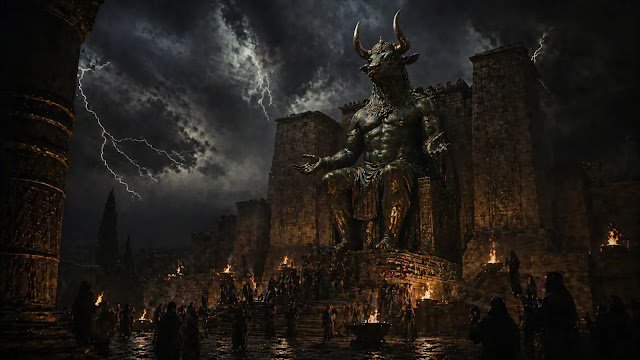
Archaeological discoveries at the ancient city of Ugarit (in modern-day Syria) uncovered cuneiform tablets dating back to the 14th century BCE. These Ugaritic texts depicted Ba’al Hadad as a heroic warrior who rode upon the clouds, wielding lightning as a weapon to defeat Chaos (Sea and Death). For agrarian societies dependent on seasonal rainfall, Ba’al Hadad was viewed as a life-giving savior who ensured bountiful harvests and preserved social order. Ancient temples dedicated to Baal featured prominent altars and statues celebrating his strength and vitality.
The Process of Demonization in Monotheistic Traditions
The transformation from a revered storm god to a baal demon began during the rise of Israelite monotheism. As the worshippers of Yahweh established exclusive religious practices in the ancient Levant, the worship of local Canaanite deities like Baal was identified as idol worship and a primary spiritual threat.
In the Hebrew Bible (Old Testament), the prophets frequently condemned Israelite worship of Baal, portraying it as a betrayal of the divine covenant. Over time, specific local titles of Baal were altered in texts to convey disrespect:
- Baal-Peor: Associated with local Moabite worship, later interpreted by commentators as a fallen spirit.
- Baal-Zebub: Originally meaning "Lord of the High House" (Ba’al Zevul), the name was altered in polemical writings to Baal-Zebub ("Lord of the Flies"), which eventually evolved into the famed demonic name Beelzebub.
Through this intense theological opposition, the gods of neighboring polytheistic cultures were systematically reclassified not merely as false gods, but as hostile, corrupting evil spirits.
Core Claims & Folklore: Baal in Medieval Demonology & Black Magic
During the Middle Ages and early modern period, European fascination with the occult led to the creation of dark grimoires (books of magic). These texts incorporated names from ancient history and biblical polemics into elaborate catalogs of hellish hierarchies.
King Bael in the Goetia and *The Lesser Key of Solomon*
By the 16th and 17th centuries, grimorists codified the baal demon into formal occult manuals. The most famous of these texts, The Lesser Key of Solomon (specifically its first section, the Goetia), lists seventy-two infernal spirits, naming Bael (or King Baal) as the very first principal demon in the hierarchy.
According to medieval demonology texts, Bael’s attributes include:
- Rank: A powerful King ruling over the Eastern regions of the infernal realm.
- Legions: Commanding sixty-six legions of lesser spirits.
- Appearance: Depicted as a bizarre entity with three heads—that of a man, a cat, and a toad—sometimes mounted on a spider or speaking with a hoarse voice.
- Purported Powers: Claimed in grimoires to grant the practitioner wisdom and the ability to become invisible.
Modern Internet Claims and Black Magic Rumors
In contemporary dark web forums and social media mystery communities, the baal demon is frequently cited in exaggerated claims regarding black magic rituals and generational curses. Online folklore frequently asserts that invoking Baal brings dark power at the cost of tragic misfortune or spiritual possession.
From an analytical standpoint, these modern claims are viral reselling of medieval grimoire entries. Internet rumors amplify historical legends into sensational horror stories to drive clicks and engagement, entirely detached from both historical reality and practical logic.
FACT BOX: Myth vs. History vs. Demonology Lore
- Archaeological History: Baal was a Semitic title meaning "Lord." Ba’al Hadad was a Canaanite storm and rain god associated with agricultural fertility.
- Biblical Context: Hebrew scriptures condemned Baal worship as idol worship, polemically shifting local Baal titles into symbols of spiritual opposition.
- Medieval Demonology: Grimoires like the Goetia reimagined Baal as "King Bael," a three-headed infernal king ruling 66 legions.
- Modern Internet Claims: Online viral content claims Baal is an active entity behind dark web black magic, combining medieval grimoire lore with modern fiction.
Skeptical, Psychological, and Critical Historical Reading
To understand the ongoing intrigue surrounding the baal demon, scholars apply psychological and sociological frameworks rather than supernatural assumptions.
The Psychology of the "Demonized Other"
Sociologists and historians recognize that demonization is a human cultural process. When a dominant group or emerging religion seeks to solidify its identity, foreign deities, defeated enemies, and older traditions are routinely framed as evil. By casting foreign gods as literal demons, historical societies enforced moral boundaries and political unity.
Fearmongering in the Digital Age
In the digital age, humans retain an evolutionary fascination with threat detection, making dark urban legends uniquely shareable. The imagery of a three-headed infernal king associated with ancient black magic triggers intense curiosity. Internet creators leverage this psychological hook, spinning historical myths into sensationalized warnings about occult dangers.
Recognizing the historical lineage of these stories strips away unnecessary panic. Understanding that the "demon Baal" is the historical product of linguistic evolution, religious conflict, and medieval fantasy allows readers to appreciate mythology without succumb to supernatural fear.
FAQ
Frequently Asked Questions
What is the origin of the baal demon?
The concept of the baal demon originated from the theological transformation of the ancient Canaanite storm god Ba’al Hadad. Over centuries of religious conflict, Israelite writers condemned Baal worship, and medieval European grimoires later categorized Baal (as Bael) as a demonic king in infernal hierarchies.
Is Baal mentioned in the Bible?
Yes, Baal is mentioned frequently in the Hebrew Bible. It refers to various Canaanite local gods whose worship was opposed by biblical prophets. Titles like Baal-Zebub ("Lord of the Flies") eventually evolved into the name Beelzebub in later Christian traditions.
Who is King Bael in the Lesser Key of Solomon?
In medieval grimoires such as The Lesser Key of Solomon (Goetia), Bael is listed as the first demon king, ruling sixty-six legions of spirits. He is symbolically depicted with three heads (a man, a cat, and a toad) and claimed to grant invisibility in occult folklore.
Was Baal originally considered an evil demon?
No. In ancient Canaanite culture, Ba’al Hadad was viewed as a beneficial, life-giving deity who brought rain, thunder, and fertile crops. The demonization of Baal occurred later through historical cultural conflicts and medieval occult writings.
Why is Baal linked to black magic in modern online posts?
Modern internet creators often reuse descriptions from medieval magic books (grimoires) to generate high-engagement viral content. These posts treat centuries-old folklore and fictional occult texts as literal truth to spark fear and curiosity.
Disclaimer: This article is intended strictly for historical, educational, and cultural analysis purposes. It does not advocate, provide, or instruct in occult practices, rituals, or black magic how-tos. The claims discussed reflect historical folklore and mythology and should not be taken as medical, spiritual, or psychological advice.